
Main Courses
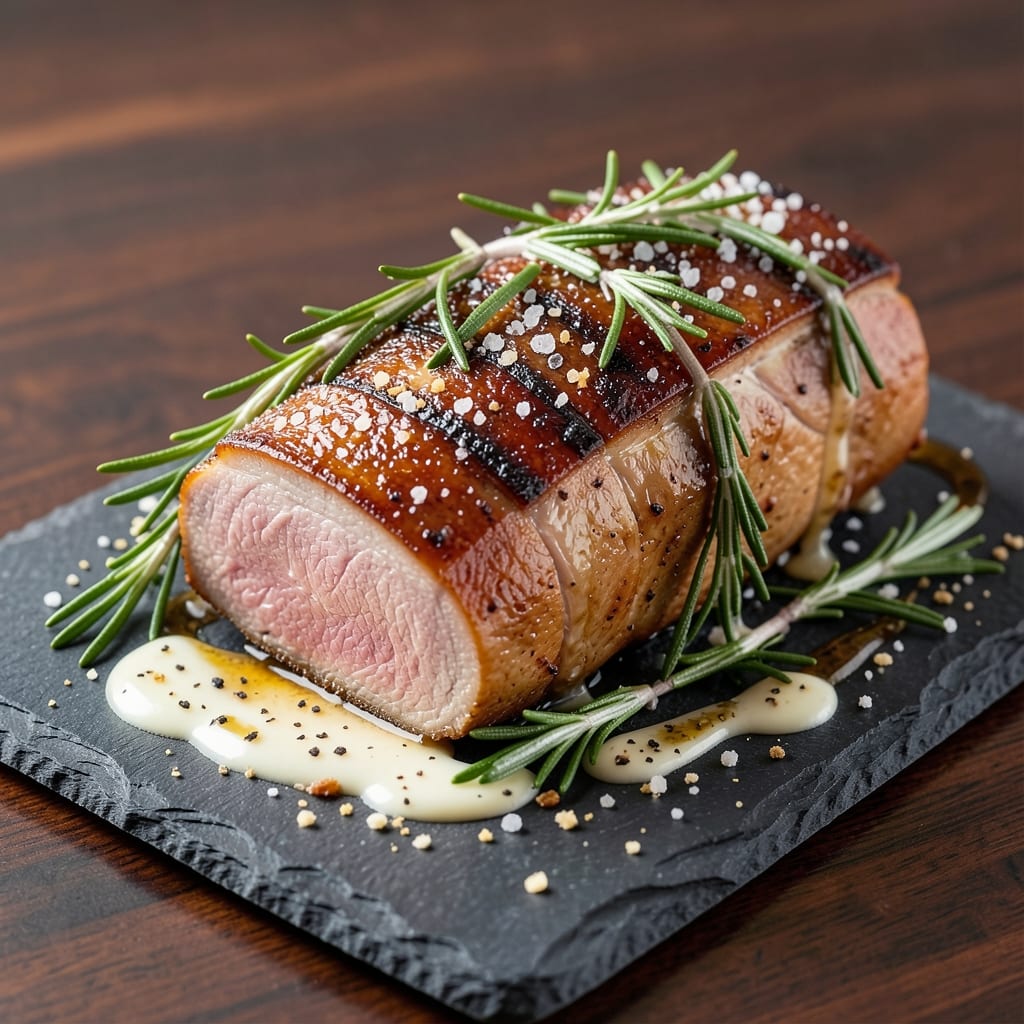
This 3-lb boneless pork loin roast recipe delivers restaurant-quality results with minimal effort—thanks to a low-temperature magic that guarantees even doneness and juicy perfection. 🔥 As someone who’s cooked thousands of pounds of pork weekly, I’ve perfected this method to ensure tender, flavorful meat that impresses every time. The secret lies in precise temperature control and proper resting, which transforms tough cuts into melt-in-your-mouth slices.
What sets this recipe apart is its foolproof approach: no complicated marinades or basting required. A simple seasoning blend of salt, pepper, and garlic powder creates a flavorful crust, while cooking at 275°F ensures the pork cooks slowly and evenly. This method is ideal for weeknight dinners or special occasions—it’s versatile enough to pair with almost any side dish, from roasted vegetables to creamy mashed potatoes.
The result? A juicy, tender roast with a golden-brown exterior and a moist interior, sliced into perfect medallions. The low-and-slow technique preserves natural flavors while breaking down connective tissue for maximum tenderness. This is the kind of pork roast that makes your table the center of attention—without the fuss of high-heat searing or complicated techniques.
Whether you're feeding a family or hosting a dinner party, this recipe delivers restaurant-quality results at home. The best part? It’s simple enough for beginners but refined enough to impress even the most discerning guests. Let’s get started on a dish that’s sure to become a staple in your cooking repertoire.
Ingredients for 3 lb boneless pork loin roast
Precision-crafted ingredients for a pork roast that rivals restaurant quality at home.
| Ingredient | Amount | Notes |
|---|---|---|
| Boneless Pork Loin Roast 🐖 | 3 lb | Center-cut for even cooking |
| Diamond Crystal Kosher Salt 🧂 | 1 ½ tsp | Coarse grain preferred |
| Freshly Ground Black Pepper 🌶️ | ½ tsp | Cracked peppercorns preferred |
| Garlic Powder 🧄 | 1 tsp | Freshly ground preferred |
| Unsalted Butter 🧈 | ¼ cup | Cold, cubed for crust |
| Fresh Rosemary 🌿 | 2 sprigs | Thin stems removed |
| Fresh Thyme 🌿 | 2 sprigs | Leaves only, stems removed |
| Extra-Virgin Olive Oil 🫒 | 1 tbsp | For finishing crust |
| Apple Cider Vinegar 🍎 | 1 tbsp | For basting liquid |
| Vegetable Oil 🫒 | 2 tbsp | For pan searing |
| Fresh Parsley 🌿 | ¼ cup | Chopped, for garnish |
The boneless pork loin is the foundation—center-cut ensures consistent doneness throughout. Look for a roast with visible marbling at trusted butchers like D'Artagnan or your local specialty meat counter. If using supermarket pork, opt for pre-trimmed cuts to save time. The rosemary and thyme should be vibrant green, not wilted—Whole Foods or local farmers markets often carry fresher herbs. For the garlic powder, Penzeys or bulk bins at natural grocery stores provide superior quality compared to standard supermarket brands. The butter must be cold when cubed to create that perfect crust during searing.
No fresh rosemary? Dried rosemary at one-third the amount works in a pinch, though fresh delivers superior aroma. Running short on thyme? Oregano or marjoram can substitute, but adjust to taste. The apple cider vinegar adds depth—substitute with red wine vinegar if unavailable. For the kosher salt, Diamond Crystal is ideal, but Morton works if that's what you have. The olive oil should be extra-virgin with noticeable peppery notes—California-based brands like Corto or Lucini excel here. If your roast is particularly lean, consider adding a thin slice of apple to the cavity for moisture during cooking.
Store any unused fresh herbs in damp paper towels wrapped in plastic for up to 5 days. The pork roast should be used immediately or refrigerated for 2 days max before cooking. Leftover roast reheats beautifully—350°F for 10-15 minutes wrapped in foil preserves moisture. For meal prep, portion into 1-inch thick slices and store in airtight containers for 4 days. Freeze portions for up to 3 months by wrapping tightly in butcher paper before plastic. The butter crust is best served immediately, but reheated slices regain crispiness when broiled for 2-3 minutes.
Why You'll Love This Recipe
- No-Fuss Prep: I swear by this—just a quick rub of salt, pepper, and garlic powder, then a pat of butter. No fancy marinades, no last-minute shopping. The pork loin handles it all like a champ.
- Crispy-Creamy Magic: That butter basting? It’s the secret. You get a golden crust on the outside while the inside stays juicy and tender—like a hug for your taste buds. Honestly, it’s the kind of flavor that makes you pause mid-bite.
- Leftovers That Shine: Cook once, eat twice (or three times). Slice it thin for sandwiches, dice it for stir-fries, or reheat portions for breakfast hash. My freezer’s full of these, and they never let me down.
- Budget Crowd-Pleaser: A 3 lb roast feeds six for under $15, and it’s the one dish everyone asks for. No one skips seconds, and my wallet stays happy. Between us, this is how I feed my book club without stress.
Step-by-step instructions for low-temp pork loin roast
Master this technique for perfectly tender pork with a golden crust every time.
👨🍳 Step 1: Prep the Roast for Even Cooking
Remove the 3 lb boneless pork loin roast from the refrigerator and pat it completely dry with paper towels. This drying step is critical—it promotes better browning and crisping of the crust later. I like to use two layers of paper towels and press firmly to remove all moisture from the surface.
Place the roast on a cutting board and make shallow cuts in a diamond pattern across the surface using a sharp knife. These cuts create channels for the seasoning to penetrate and help the meat cook more evenly. Don't cut too deep—just enough to create a pattern without exposing the meat underneath.
Rub the pork with the 1.5 tsp diamond crystal kosher salt and 0.5 tsp freshly ground black pepper, pressing the seasoning into the cuts. Add the 1 tsp garlic powder and massage it into the surface. This step ensures the seasoning adheres well and penetrates the meat during the cooking process.
🔥 Step 2: Sear for Color and Flavor
Heat 2 tbsp vegetable oil in a large skillet over medium-high heat until it shimmers. Place the roast in the skillet and sear for 3-4 minutes on each side until it develops a deep golden brown crust. The goal here is to create a flavorful barrier that will protect the meat during the low-temperature cooking.
While the roast is searing, prepare your oven. Preheat to 325°F—this low temperature is key for even cooking without drying out the meat. I've found that 325°F gives you that perfect balance between tenderness and moisture retention.
Remove the roast from the skillet and place it on a wire rack set inside a roasting pan. This rack allows heat to circulate around the meat, preventing steam buildup that can make the skin soggy. The roasting pan will catch any juices that render during cooking.
🥘 Step 3: Create the Herb Butter Crust
In a small bowl, combine the 0.25 cup unsalted butter with the leaves from the 2 sprigs fresh rosemary and 2 sprigs fresh thyme. Rub this mixture all over the seared roast, focusing on the cut surfaces. The butter will melt slightly from the residual heat, creating a flavorful crust that locks in moisture.
Pour the 1 tbsp apple cider vinegar into the roasting pan. The acidity helps tenderize the meat and adds a subtle brightness to the final flavor. Place the roast in the pan, fat-side up, and transfer it to the preheated oven.
Roast for 45-50 minutes, or until the internal temperature reaches 140°F. This low-temperature cooking ensures the meat stays juicy and tender throughout. I use a meat thermometer inserted into the thickest part of the roast to monitor the temperature—it's the most accurate way to determine doneness.
⏰ Step 4: Rest and Finish with Crispy Crust
Remove the roast from the oven and tent it loosely with aluminum foil. Let it rest for 15-20 minutes before carving. This resting period allows the juices to redistribute throughout the meat, ensuring each slice is moist and flavorful. Don't skip this step—it's what separates good pork from exceptional pork.
While the roast rests, heat a large skillet over medium heat. Add the 1 tbsp extra-virgin olive oil and swirl to coat. Place the roast back in the skillet, fat-side down, and sear for 2-3 minutes until the crust is deep golden brown and crispy. This final searing step adds texture and enhances the flavor.
Transfer the roast to a cutting board and slice it into ½-inch thick medallions. Garnish with the 0.25 cup chopped fresh parsley and serve immediately. Each slice should be tender, juicy, and surrounded by a crispy, herb-infused crust.
Pro Tips For Making 3 Lb Boneless Pork Loin Roast
- USE A MEAT THERMOMETER: I learned this the hard way—pork loin can look perfect on the outside but still be dry inside. Aim for 145°F internal temp (155°F if serving kids or elderly), and pull it 5 minutes early—it keeps rising while resting.
- DRY THE LOIN BEFORE SEASONING: Pat that pork loin thoroughly with paper towels—wet surfaces steam instead of sear. A dry surface grabs seasoning better and develops that golden crust you’re after (yes, even if you’re impatient like me).
- SALT THE NIGHT BEFORE: I used to salt pork loin right before cooking, but it never got that deep, juicy flavor. Salt generously (about 1 tsp Diamond Crystal per pound) and let it sit uncovered in the fridge overnight—it tenderizes and seasons better.
- BASATE THE BUTTER: Don’t just melt the butter—brown it in the pan first. The nutty, caramelized flavor adds depth, and it sticks to the pork like glue. Use about 2 tbsp per side, scraping up those browned bits for extra richness.
Troubleshooting great 3 lb boneless pork loin roast
Uneven Cooking
If your pork loin emerges with some areas undercooked while others are dry, it’s likely due to inconsistent heat distribution. I’ve seen this happen when roasting pans are overcrowded or when the oven isn’t properly calibrated. Solution: Use a wire rack in your roasting pan to allow air circulation, and always cook on the middle rack. For extra insurance, invest in an infrared thermometer like the Meater—it reads surface temps instantly, helping you adjust heat zones if needed. 🌡️
Dry, Tough Meat
Overcooking is the #1 reason pork turns out dry. Since we’re aiming for 140°F internal temp, pull it out immediately when the thermometer hits that mark—don’t wait for guesswork. Pro tip: If your roast is lean (like supermarket cuts), add a thin apple slice to the cavity before roasting. The natural pectin keeps moisture locked in. For extra insurance, baste with 2 tbsp melted butter + 1 tbsp apple cider vinegar every 15 minutes during cooking.
Pale, Bland Crust
A weak crust usually means insufficient searing or poor seasoning adhesion. Fix it: Pat the roast extra dry before seasoning—moisture is the enemy of crispiness. For the crust, melt 1 tbsp butter with 1 tsp brown sugar and brush it on after the initial sear. The sugar caramelizes beautifully under the broiler for 2-3 minutes at the end. I also recommend toasting your herbs in a dry pan for 30 seconds before mixing with butter—they’ll release more aroma.
Temperature Fluctuations
Ovens vary wildly—mine in Atlanta’s humidity can swing ±25°F if not monitored. Prevent this: Use an oven thermometer (I swear by the Thermoworks Oven Thermometer) to verify your oven’s actual temperature. If your oven runs hot, reduce the setting by 25°F and check frequently. For even better control, consider a smart oven like the June Oven—it maintains precise temps automatically. 💡
Juices Not Rendering
If your roasting pan has barely any liquid after cooking, your pork was likely too dry going in or cooked too fast. Solution: Always use a wire rack to prevent steam bups that make meat soggy. For extra moisture, add ½ cup beef broth to the roasting pan before cooking. The vapor creates a self-basting effect. I also recommend brining the pork for 30 minutes in ¼ cup salt + 4 cups water before seasoning—it plumps the fibers beautifully.
Uneven Slicing
If your medallions vary wildly in thickness, you’re either cutting against the grain or using a dull knife. Fix it: First, identify the muscle grain—it runs lengthwise along the roast. Cut perpendicular to this grain in ½-inch slices. Use a sharp chef’s knife (I prefer Wüsthof) and rock it gently through the meat. For perfect presentation, slice while the roast is still warm—it’s easier to control and looks more professional. 🔪
Nutrition facts
Frequently asked questions
Can I use this recipe for a smaller or larger pork loin?
For a 2-lb roast, reduce cooking time by 15-20 minutes and adjust seasoning to 1 tsp salt. For 4+ lbs, add 10-15 minutes to cooking time and increase seasoning proportionally. The key is maintaining 325°F and checking internal temp with a meat thermometer—140°F for medium doneness regardless of size.
Why does the recipe call for such a low oven temperature?
The 325°F temperature ensures even cooking without drying out the meat. At higher temps, the exterior would brown too quickly while the center stays cold. This low-and-slow method breaks down connective tissue gently, creating tender, juicy slices that would otherwise be tough. Think of it like slow-roasting a whole chicken—patience pays off with perfect results.
Can I make this ahead of time for a dinner party?
Yes! Cook the roast 24 hours ahead and refrigerate uncovered to develop a better crust. Reheat at 300°F for 20-25 minutes wrapped in foil, then sear briefly in a hot pan for crispiness. For serving, slice and reheat portions separately—this keeps the meat juicy. Pro tip: Reheat slices wrapped in a damp paper towel to prevent drying.
What's the best way to slice the pork for perfect medallions?
First, identify the muscle grain (it runs lengthwise). Cut perpendicular to the grain in ½-inch slices using a sharp chef's knife. For even slices, place a ruler on the cutting board as a guide. Always slice against the grain—this shortens muscle fibers for maximum tenderness. Warm the knife by running it under hot water first for cleaner cuts.
Can I substitute any of the herbs or seasonings?
Certainly! Swap rosemary for fresh sage or thyme (use equal amounts). For garlic powder, try 1 clove minced garlic rubbed directly on the meat. If you prefer no herbs, increase garlic powder to 2 tsp and add ½ tsp smoked paprika for depth. The key is balancing salt and acid—never skip the apple cider vinegar for that bright finish.