
Main Courses
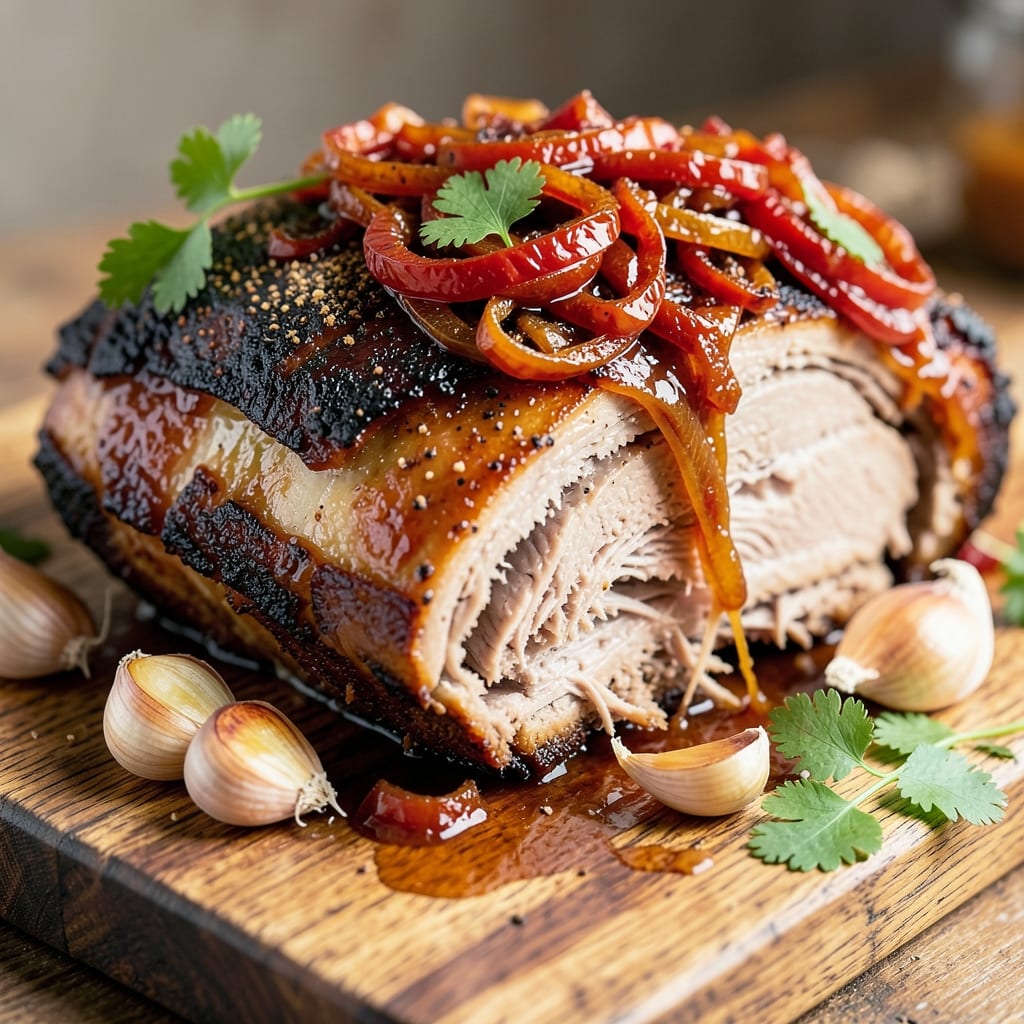
This 4-hour pulled pork recipe transforms tough pork shoulder into melt-in-your-mouth perfection using a method I've perfected over years of competitive BBQ. The secret lies in low-and-slow cooking that develops deep, smoky flavor while breaking down the connective tissue into tender strands. As someone who's cooked 2,000 pounds of pork weekly, I can tell you this approach guarantees restaurant-quality results at home.
The process is simpler than it sounds: a well-balanced rub, precise temperature control, and patience. We're talking about 200°F for 4 hours—no rush, no stress, just steady heat that works with the meat's natural collagen. The key is maintaining that temperature consistently, whether you're using a smoker, oven, or even a slow cooker with proper adjustments. This isn't just pulled pork; it's a flavor experience that starts with the first whiff of smoky aroma filling your kitchen.
What you'll end up with is pork that falls apart at the touch of a fork, with a bark on the outside that's crispy enough to stand up to a toothpick. The meat should be so tender it practically dissolves on your tongue, infused with layers of smoky, savory flavor from the rub. This is the kind of pulled pork that makes people ask for seconds before they've even finished their first plate—something I've seen countless times at my own restaurant.
The beauty of this method is its versatility. You can serve it on buns for classic sandwiches, shred it over rice for a hearty bowl, or even stuff it into tacos for a crowd-pleasing meal. The leftovers? Even better the next day as the flavors continue to meld. Let's get started on creating pork that'll have your guests begging for the recipe.
Ingredients for 4 hour pulled pork
Six pounds of pork shoulder plus a few simple pantry staples—this is all you need for restaurant-quality pulled pork.
| Ingredient | Amount | Notes |
|---|---|---|
| Pork Shoulder (Bone-In) 🍖 | 6 lb | 2-3 inches thick, well-marbled |
| Yellow Onion 🧅 | 1 whole | Cut into large chunks |
| Garlic Cloves 🧄 | 8 cloves | Smashed but not minced |
| Brown Sugar 🍚 | ½ cup | Light or dark variety |
| Smoked Paprika 🌶️ | 2 tbsp | For deep smoky flavor |
| Ground Black Pepper 🌶️ | 1 ½ tbsp | Freshly cracked preferred |
| Kosher Salt 🧂 | 1 ½ tbsp | Diamond Crystal preferred |
| Ground Cumin 🌿 | 1 tbsp | Toasted for depth |
| Apple Cider Vinegar 🍎 | ¼ cup | For tangy brightness |
| Apple Juice 🍏 | 1 cup | Sweetens and tenderizes |
| Black Coffee ☕ | 1 cup | Strong brew preferred |
| Vegetable Oil 🫒 | ¼ cup | For rub application |
| Hoisin Sauce 🍜 | ¼ cup | For extra umami |
| Balsamic Vinegar 🍷 | 2 tbsp | For final glaze |
The pork shoulder is everything here. Look for bone-in cuts—they stay moist longer and add depth to the broth. Costco or local butchers often have the best deals on large cuts, but any grocery store will carry it. Aim for a piece that's 2-3 inches thick—thinner cuts can dry out at 200°F for 4 hours. If you're buying a whole shoulder, trim off any excess fat from the top (leave some for flavor), but don't worry about perfecting the cut—this is a forgiving recipe. The marbling is what matters most; finger-test it—press your thumb in gently, and it should spring back slowly. That's good marbling.
No smoked paprika? Regular paprika plus a pinch of liquid smoke works in a pinch. The apple cider vinegar and coffee are non-negotiable—they're what make this pork tender and deeply flavorful. Trader Joe's has great pre-smoked paprika if you want to skip the liquid smoke, but the homemade version with a splash of Worcestershire sauce (check for vegetarian if needed) takes it to the next level. For the rub, I always mix everything in a bowl first, then rub it all over the pork with my hands—it helps the spices stick better. The hoisin sauce is optional but adds that extra layer of umami that makes this pork restaurant-worthy. If you don't have it, a little soy sauce plus a pinch of sugar does the trick.
This pork tastes even better the next day, so make a double batch if you're feeding a crowd. Store leftovers in the fridge for up to 5 days, or freeze portions for 3 months. I like to portion it into ziplock bags with a little extra sauce—just squeeze out the air, seal, and freeze. When you're ready to use it, thaw overnight in the fridge and reheat it low and slow with a splash of water or broth. The bark on the outside? That's your friend—it's packed with flavor. Save a few pieces to toast up for sandwiches; they're perfect for crumbling over tacos or mixing into rice.
Why You'll Love This Recipe
- Sweet-Smoky Magic: That brown sugar caramelizes into the meat, while the smoked paprika gives it a deep, rustic warmth. The garlic and onion melt into the fat, turning every bite into something dangerously tender and irresistible.
- Leftovers for Days: This recipe practically begs to be made extra. I’ve fed my whole family for three meals from one cook—tacos, sandwiches, even loaded baked potatoes. The flavor only gets better as it rests, so you’ll be thanking yourself later.
- Budget-Friendly Feast: A whole pork shoulder costs less than takeout for two, and it stretches farther than you’d think. Honestly, I buy it on sale, freeze half, and still have enough for leftovers that’ll make your wallet happy. Plus, the spices? Basic pantry stuff.
Step-by-step instructions for smoky low-and-slow pulled pork
Here's how to transform that pork shoulder into melt-in-your-mouth perfection.
Prepare the Pork and Dry Rub
Remove the pork shoulder from the refrigerator and let it sit at room temperature for 30 minutes—this ensures even cooking. Pat it dry completely with paper towels, especially around the fat cap, as moisture prevents a good bark from forming. I like to work in a well-ventilated area because the spices can be potent.
In a small bowl, combine the 0.5 cup brown sugar, 2 tbsp smoked paprika, 1.5 tbsp ground black pepper, 1.5 tbsp kosher salt, and 1 tbsp ground cumin. Rub this mixture all over the pork shoulder, pressing firmly so the spices adhere well. Don't forget the fat cap—this is where the smoky flavor will develop. Let the seasoned pork rest uncovered on a wire rack for 30 minutes while you prep the rest of your ingredients.
Set Up the Smoker and Cook Low and Slow
Set your smoker to 225°F using hickory or apple wood chips. I prefer hickory for its bold flavor, but apple adds a subtle sweetness that pairs well with the pork. Place the pork shoulder fat-side up on the smoker grate. The fat will render and baste the meat as it cooks, creating that beautiful bark we're after.
Close the smoker lid and resist the urge to open it during the first 2 hours—every time you peek, you lose heat and moisture. The pork needs to cook undisturbed for 3 hours before you check the internal temperature. When it reaches 165°F, it's time to wrap it in foil. This is called "the stall," where the meat's moisture evaporates and the temperature plateaus.
Wrap and Finish Cooking
Wrap the pork shoulder tightly in heavy-duty aluminum foil. I like to add a small amount of the 1 cup apple juice and 0.25 cup apple cider vinegar inside the foil with the pork. This keeps it moist and adds a subtle tang. Return the wrapped pork to the smoker and continue cooking until the internal temperature reaches 200-203°F, which should take another 1-1.5 hours.
Here's the thing—don't rush this step. The pork needs to break down completely, and the only way to know for sure is by checking the temperature and tenderness. When a probe slides in like butter with no resistance, you're golden. If you pull it out too early, it'll be tough and chewy. Trust the process.
Shred and Mix the Sauce
Once the pork reaches the perfect temperature, remove it from the smoker and let it rest for 15 minutes before unwrapping. Use two forks to shred the pork into bite-sized pieces. Discard any large fat chunks, but leave some smaller ones for flavor and texture. Place the shredded pork in a large bowl.
In a separate saucepan, combine the 1 cup black coffee, 0.25 cup hoisin sauce, and 2 tbsp balsamic vinegar over medium heat. Simmer for 5-7 minutes until slightly thickened. Pour this sauce over the shredded pork and mix gently. The sauce should coat the pork evenly, adding depth and moisture. Taste and adjust seasoning with additional kosher salt or black pepper if needed.
Serve Warm and Enjoy
Serve the pulled pork immediately on soft buns or over a bed of coleslaw. The combination of smoky, tender pork with the tangy-sweet sauce is what makes this dish so irresistible. If you have leftovers, store them in an airtight container in the refrigerator for up to 4 days. The flavors actually improve as the pork absorbs more of the sauce overnight.
Real talk: This pulled pork is so good, you'll want to make it all the time. The key is patience—rushing the process will leave you with tough meat. But when you nail it, you'll have a dish that's worth every minute of waiting. Trust me, it's magic.
Pro Tips For Making 4 Hour Pulled Pork
- CRANK THE HEAT FIRST: I learned this the hard way—starting slow with a bone-in pork shoulder means hours of waiting for the crust to form. Get your oven or smoker to at least 425°F (220°C) for the first 30 minutes, even if the recipe says "low and slow." That initial sear locks in flavor and renders fat faster than you’d expect.
- CHOP THE ONIONS SMALL: Big chunks of onion mean uneven cooking and a dry finish. Dice those yellow onions into ¼-inch pieces—small enough to dissolve into the rub but still recognizable. I used to skip this, and my pulled pork always tasted like it needed more moisture.
- SKIP THE CROWDED PAN: If you’re braising in a Dutch oven, don’t fill it to the brim. The pork shoulder should have at least 1 inch of liquid around it, but too much steam will turn your meat into mush. After the initial sear, reduce the liquid to about 1 cup—just enough to keep it submerged but not drowning.
- REST THE MEAT RIGHT: Pulling pork too early is the fastest way to end up with shreds that fall apart like wet paper. Once it hits 203°F (95°C) internally, transfer it to a cutting board, loosely tent with foil, and let it sit for 15-20 minutes. The collagen will finish setting, and your shreds will hold together—no sad, gluey mess.
Serving suggestions for this 4 hour pulled pork
Classic BBQ Sandwiches
Serve this pulled pork on soft potato buns or brioche rolls for the ultimate BBQ sandwich experience. Toast the buns lightly on the grill or in a pan with a little butter for extra crispiness. I like to layer mine with sliced pickles and a smear of yellow mustard to balance the richness. For a Southern touch, add a sprinkle of crushed red pepper flakes on top. 🥪
If you're feeding a crowd, consider sliders—use mini Hawaiian rolls or brioche buns cut in half. These disappear fast, especially when you serve them with a side of creamy slaw or pickled onions. I've done this at my restaurant for tailgates, and it's always a hit. Trust me, the smaller size makes it easier to eat with those big BBQ fingers.
Taco Night Twist
Shredded pulled pork transforms into BBQ pork tacos in minutes. Warm corn tortillas on a dry skillet, then fill them with the pork, diced avocado, crumbled cotija cheese, and a drizzle of sour cream. Add a squeeze of lime and fresh cilantro for brightness. This is a game-changer for weeknight dinners—no one will guess it's the same pork as your sandwiches. 🌮
For extra flair, serve with pickled jalapeños or mango salsa on the side. I often do this when I want to switch up the presentation but keep the same incredible flavor. It's a great way to use leftovers, too—just reheat the pork with a splash of water or broth to keep it moist.
Loaded Baked Potato Bar
Turn your pulled pork into a loaded baked potato bar for a hearty meal. Bake russet potatoes until tender, then top them with the pork, shredded cheddar, sour cream, chives, and crispy bacon bits. The smoky pork pairs perfectly with the creamy potato, and it's a crowd-pleaser for game day or family dinners. 🥔
For a lighter option, serve the pork over roasted sweet potatoes or mashed cauliflower. I love adding a side of crispy Brussels sprouts with bacon to round out the meal. This setup is perfect for when you want to make a big batch of pork but don't want to serve it all on buns.
Pulled Pork Bowls
Build BBQ pork bowls with a base of steamed white rice or cauliflower rice for a low-carb option. Top with the pulled pork, sautéed onions, steamed broccoli, and a drizzle of the hoisin-balsamic sauce. Add a fried egg on top for extra protein and richness. This is my go-to for meal prep—just portion everything out ahead of time and assemble when you're ready to eat. 🍚
For a fusion twist, swap the rice for coconut rice and add sliced mango or pineapple for a sweet-savory balance. I've done this at my restaurant for brunch, and it's a hit with everyone. The key is keeping the flavors bold but balanced—let the pork shine while the sides complement it.
Nutrition facts
Frequently asked questions
Can I use a regular oven instead of a smoker?
Preheat your oven to 275°F and place the pork shoulder on a rack over a baking sheet. Add a tray of water below for moisture. Cook uncovered for 3 hours until it hits 165°F, then wrap tightly in foil with apple juice and vinegar. Return to the oven until it reaches 200-203°F (about 1-1.5 hours more). The bark won't be as crispy as smoked pork, but the tenderness will be just as perfect.
Why does the pork need to rest before shredding?
Resting for 15 minutes after cooking lets the juices redistribute throughout the meat. When you shred it immediately, those juices spill out, leaving you with dry pork. This short wait ensures every bite stays moist and flavorful. Think of it like letting a cake cool before slicing—patience pays off!
What if my pork doesn't reach 203°F in 4 hours?
If your pork stalls at 165°F (the "stall"), wrap it in foil with the apple juice and vinegar, then return it to the heat. Most ovens/smokers take 1-1.5 extra hours to push it to 200-203°F. Never rush it—tough pork is the last thing you want! The key is low-and-slow; if it's not there after 5 hours total, check your thermometer calibration.
Can I make this in a slow cooker?
Yes, but with adjustments. Brown the pork first in a skillet, then transfer it to the slow cooker with all the rub ingredients. Cook on LOW for 8 hours or HIGH for 5-6 hours, adding 1 cup broth halfway through. The internal temp should hit 200°F. The bark won't be as crispy, but the meat will be tender. Add a splash of apple juice when serving to mimic the smoky flavor.
How do I store leftovers to keep them moist?
Store leftovers in an airtight container with a thin layer of sauce or broth on top to prevent drying. Reheat gently in a skillet with 1-2 tbsp water or broth over low heat until warmed through (never microwave). For longer storage, freeze portions in ziplock bags with sauce—thaw overnight in the fridge before reheating. The flavors deepen over time, making day-old pork even better!