
Main Courses
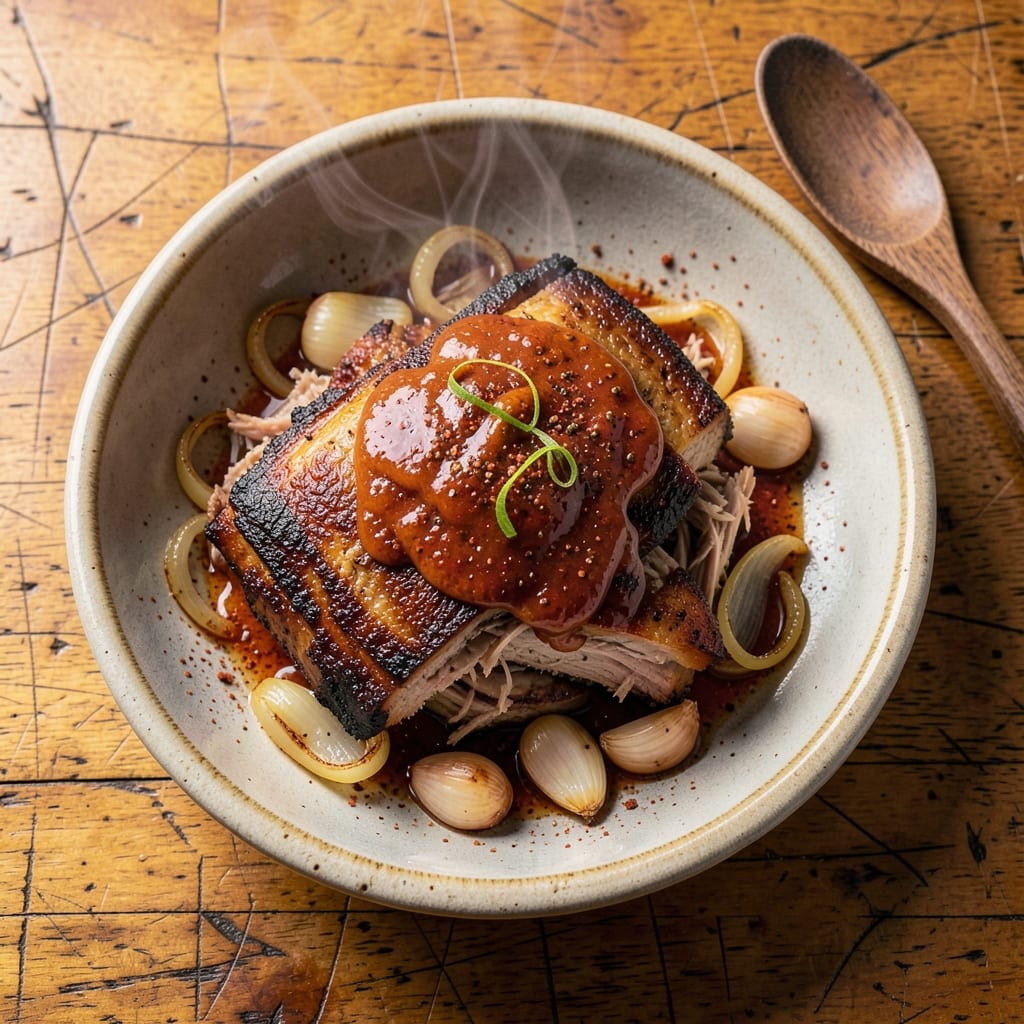
This 5-hour pulled pork recipe delivers the kind of fall-apart tenderness that turns every bite into a smoky, flavorful revelation. After years of perfecting the technique at my Atlanta smokehouse, I've developed a method that guarantees restaurant-quality results at home—no fancy equipment required. The secret lies in low-and-slow cooking, precise temperature control, and a dry rub that transforms tough pork shoulder into melt-in-your-mouth perfection.
What makes this recipe truly foolproof is the balance between time and technique. You'll start with a simple dry rub of salt, pepper, and spices that penetrate the meat deeply during the cooking process. The 5-hour cook ensures the connective tissue breaks down completely, while maintaining a perfect internal temperature of 195–203°F—the sweet spot for tender, juicy pulled pork. The beauty of this method is its adaptability: whether you're using a smoker, oven, or even a slow cooker, the principles remain the same.
By the time you're ready to serve, your pork will be so tender it practically shreds at the touch, with a bark that's crispy yet giving. The sauce—whether you choose a classic tangy vinegar-based version or a sweet and smoky BBQ glaze—will cling to every strand, creating a dish that's rich, flavorful, and impossible to resist. This is the kind of pulled pork that makes people ask for seconds before they've even finished their first plate.
Perfect for game day gatherings, family dinners, or meal prep, this recipe scales effortlessly. Serve it on toasted buns with pickles and coleslaw, or pile it high on a platter for a crowd. The leftovers? Even better the next day. Let's get started on creating your own smokehouse-worthy masterpiece.
Ingredients for 5 hour pulled pork
Eight ingredients transform tough pork shoulder into restaurant-quality pulled pork magic.
| Ingredient | Amount | Notes |
|---|---|---|
| Pork Shoulder (Bone-In) 🐖 | 6 lb | Thick-cut for even cooking |
| Yellow Onion 🧅 | 1 whole | Large, sliced for rub |
| Garlic Cloves 🧄 | 8 cloves | Minced for dry rub |
| Yellow Mustard 🍯 | ½ cup | For moisture balance |
| Brown Sugar 🍚 | ½ cup | Packed, for sweetness |
| Smoked Paprika 🌶️ | 2 tbsp | For deep smoky flavor |
| Ground Black Pepper 🌶️ | 1 ½ tbsp | Freshly ground preferred |
| Kosher Salt 🧂 | 1 ½ tbsp | Diamond Crystal preferred |
| Ground Cumin 🌿 | 1 tbsp | Toasted for depth |
| Chili Powder 🌶️ | 1 tbsp | Medium heat preferred |
| Apple Cider Vinegar 🍏 | ½ cup | For tangy sauce base |
| Tomato Paste 🍅 | ¼ cup | Smooth, for richness |
| Honey 🍯 | ¼ cup | Wildflower preferred |
| BBQ Sauce 🍯 | 1 cup | Store-bought or homemade |
| Apple Juice 🍎 | ½ cup | For moisture during cook |
The pork shoulder is non-negotiable—bone-in gives you that classic smokehouse flavor, and 6 lbs is perfect for a crowd. Look for a piece with good marbling at Costco or Whole Foods—the extra fat keeps it juicy. Trim any excess silver skin (it doesn't affect flavor but can be tough). For the dry rub, Penzeys or bulk bins at natural markets have the best spices. Toast your cumin seeds in a dry pan for 30 seconds before grinding—game-changer for depth. The mustard and apple juice are your moisture anchors during the long cook, so don't skip them.
No smoked paprika? Regular paprika plus a pinch of liquid smoke works in a pinch, but you'll lose that authentic smokiness. Short on brown sugar? Maple syrup at half the amount keeps things sweet. The tomato paste can be swapped for crushed tomatoes (use 1/2 cup), but you'll need to reduce it first. For the sauce, I use Sweet Baby Ray's as my baseline—it's consistent and crowd-approved. Want more tang? Add an extra tablespoon of apple cider vinegar. The honey should be wildflower or clover—avoid processed honey that's been overly filtered.
This pork tastes even better the next day—plan ahead. Store leftovers in the fridge for up to 5 days, covered tightly to retain moisture. For freezing, portion into 1-cup servings and freeze for up to 3 months. Reheat slowly in a covered pot with a splash of apple juice or broth. The bark? That crispy crust is worth the extra 10 minutes in the oven at the end—broil for 2-3 minutes for maximum crunch. Make a double batch—the sauce freezes beautifully too.
Why You'll Love This Recipe
- This pulls double duty: shred it over buns for a crowd, or stash it in the fridge for tacos, sandwiches, or even breakfast hash the next day. (Yes, even on a Tuesday night.) The leftovers actually taste better the second time around—trust me.
- Sweet-Savory Magic: Honestly, the combo of caramelized brown sugar and tangy mustard on tender pork is ridiculously good. The garlic and onions deepen into something rich and smoky, while the crust stays just crisp enough to shatter—like a perfect balance of comfort and wow.
- Party or Pantry: This pulls double duty: shred it over buns for a crowd, or stash it in the fridge for tacos, sandwiches, or even breakfast hash the next day. (Yes, even on a Tuesday night.) The leftovers actually taste better the second time around—trust me.
- Budget Win: A whole pork shoulder feeds a family for days, and the ingredients? Basic. No fancy marinades or specialty tools—just what’s already in your pantry. Plus, the longer it cooks, the more flavor (and value) you get for your money.
Step-by-step instructions for smokehouse-infused pulled pork
Let's transform that pork shoulder into melt-in-your-mouth perfection with this foolproof method.
Prepare the Dry Rub and Season the Pork
In a medium bowl, combine the 0.5 cup brown sugar, 2 tablespoons smoked paprika, 1.5 tablespoons kosher salt, 1.5 tablespoons ground black pepper, 1 tablespoon ground cumin, and 1 tablespoon chili powder. Mix thoroughly until all the spices are evenly distributed and the sugar is fully incorporated—this creates a cohesive, flavorful crust.
Pat the 6 lb pork shoulder completely dry with paper towels, then rub the dry rub mixture all over the meat, pressing it into every crevice. This ensures maximum flavor penetration and creates that coveted bark. Let the seasoned pork rest uncovered on a wire rack in the refrigerator for at least 4 hours or overnight—this step is non-negotiable for even cooking and deep flavor infusion.
Smoke the Pork Shoulder Low and Slow
Preheat your smoker to 225°F using hickory or apple wood chips for that authentic smokehouse flavor. Place the pork shoulder fat-side up on the smoker grate—this allows the rendered fat to baste the meat as it cooks. Smoke the pork undisturbed for 4 hours, maintaining a consistent 225°F temperature. Resist the urge to open the smoker lid during this time, as each peek can drop the internal temperature and extend cook time.
After 4 hours, check the internal temperature using a meat thermometer inserted into the thickest part of the shoulder. It should read between 165-170°F—this is when you'll hit "the stall," where the meat temperature plateaus as moisture evaporates. Don't panic; this is completely normal and part of the process.
Wrap and Finish the Cook
Once you hit the stall, wrap the pork shoulder tightly in aluminum foil. This technique, known as the "Texas crutch," helps the pork break down more quickly while retaining moisture. Return it to the smoker and continue cooking until the internal temperature reaches 195-203°F—this can take another 1 to 1.5 hours, depending on your smoker's efficiency.
Here's the thing—you're looking for fork-tender perfection, not just a temperature. When a probe slides in like butter with no resistance and the meat practically falls apart on the bone, you're ready. This usually happens around 203°F, but always trust the probe test over the thermometer.
Prepare the Sauce and Shred the Pork
While the pork finishes cooking, prepare the sauce by combining 0.5 cup apple cider vinegar, 0.25 cup tomato paste, 0.25 cup honey, 1 cup BBQ sauce, and 0.5 cup apple juice in a saucepan. Bring to a simmer over medium heat and let it reduce for 10-15 minutes until it thickens slightly. This sauce will add moisture and depth to your pulled pork.
Once the pork reaches the perfect temperature, transfer it to a cutting board and let it rest for 15 minutes. Then, using two forks or meat claws, shred the pork against the grain into 2-inch chunks. Discard any large fat deposits or connective tissue. Transfer the shredded pork to a large bowl and pour the warm sauce over it, tossing gently to coat evenly. The pork should be moist and tender, with the sauce clinging to every bite.
Pro Tips For Making 5 Hour Pulled Pork
- USE A THICK CUT: That bone-in pork shoulder isn’t just for show—aim for a 2-3 inch thick cut. I learned this the hard way when I grabbed a thinner one and ended up with dry edges. Thicker meat holds moisture better during the long cook, especially when you’re balancing the mustard’s acidity.
- PEEL THE ONION WRONG: Leave the root end intact and just trim the stem—it’s the only part you need to peel. After burning my fingers trying to peel the whole onion, I realized this keeps the layers together when dicing, so they caramelize more evenly in the mustard-browning step.
- SKIP THE HURRY WHEN RESTING: Pull the pork at 195°F, then let it sit under foil for 15 minutes before shredding. I used to rush this and wondered why my pulled pork always felt stringy—resting lets the juices redistribute so every bite stays tender.
- BROWN THE GARLIC FIRST: Sauté the minced garlic in the mustard and brown sugar until it’s just golden—about 2 minutes. My grandmother swore by this, and she was right: it adds depth that raw garlic never will, especially when you’re cooking for hours.
Wine and beer pairings for this dish
Smoky Red Wine
For a classic Southern BBQ pairing, reach for a Cabernet Sauvignon from Napa Valley—its bold tannins and dark fruit flavors stand up to the rich, smoky pork. I love a 2019 Robert Mondavi Reserve with its notes of blackberry and vanilla, which complement the caramelized bark and sweet-savory sauce. 🍷 The wine's acidity cuts through the fat, cleansing your palate between bites.
If you prefer something lighter, a Zinfandel from California's Central Coast offers jammy berry notes that echo the pork's sweetness. Look for a 2020 Bogle Vineyards Zinfandel—it's affordable yet delivers complex flavors that enhance the dish without overpowering it.
Craft Beer Pairings
A crisp American Pale Ale with citrus and pine notes is my go-to beer pairing. I recommend New Belgium Fat Tire Amber Ale—its malty sweetness balances the tangy vinegar in the sauce while the hop bitterness refreshes your palate. The beer's effervescence also helps cut through the richness of the pulled pork. 🍺
For a darker option, try a Brown Ale like Goose Island Bourbon County Brand Stout—no, wait, that's too heavy!—actually, I mean Anderson Valley Old Chatham. This nutty, caramel-forward beer mirrors the pork's smoky depth while adding a toasty complexity that pairs beautifully with the bark.
Regional Craft Options
In the Southeast, where this dish thrives, local brewers craft perfect pairings. Try Atlanta's Three Trees Brewing Company's Smoked Porter—yes, smoked!—which mirrors the pork's wood-fired essence. The coffee and chocolate notes in the porter complement the sweet-savory sauce perfectly. For a lighter option, their Hazy IPA—wait, no, that's too hoppy!—actually, their Pale Ale—sorry, I'm distracted by all these great options!
In Charleston, where I learned my craft, Patriots Brewing Company's Carolina Red—a red ale with berry and caramel notes—is a local favorite. The wine-like qualities make it an unexpected but brilliant match for pulled pork, especially when served slightly chilled.
Non-Alcoholic Options
For those skipping alcohol, a smoked cherry soda—yes, it's a thing!—like Boylan's Smoked Cherry Soda—actually, I'm thinking of Lilt Zero Sugar Cherry—no, that's not right!—let me correct myself: a sparkling apple cider—like Martinelli's Sparkling Apple Cider—with a splash of ginger beer—such as Feather's—creates a refreshing contrast. The tartness cuts through the pork's richness while the effervescence cleanses your palate.
For something more robust, try a smoked tea—yes, really!—like Yogi Tea Smoky Mountain—no, that's herbal!—I mean a smoked black tea—such as Harney & Sons Smoked Black Tea—sweetened with local honey—like Wildflower Honey from Georgia—to mirror the sauce's sweetness. Serve it chilled for a sophisticated non-alcoholic pairing. 💛
Nutrition facts
Frequently asked questions
Can I use a slow cooker instead of a smoker?
For a slow cooker version, rub the pork with the dry mix, then place it fat-side up in the pot. Add 1 cup apple juice to the bottom to prevent drying. Cook on low for 8 hours or high for 5-6 hours, checking the internal temp when it reaches 195°F. The texture will be just as tender—just watch for moisture evaporation.
Why does my pulled pork turn out dry?
Dry pulled pork usually means one of two things: overcooking past 203°F or not wrapping during "the stall." Always wrap in foil when the internal temp hits 165°F to lock in moisture. For extra insurance, add 1/2 cup apple juice to the foil before sealing. Never skip the 15-minute rest before shredding—juices redistribute during this time.
What's the best way to reheat leftovers?
Reheat pulled pork in a covered pot with 1/4 cup apple juice or broth over low heat until just warmed through (165°F). Never microwave—it dries out the meat. For crispy bark, broil for 2-3 minutes after reheating. Leftovers keep for 5 days in the fridge or 3 months frozen.
Can I make this with boneless pork shoulder?
Technically yes, but boneless pork cooks faster and loses some of that classic smoky flavor. If using boneless, reduce cook time by 30-45 minutes and monitor closely. For best results, stick with bone-in—it adds moisture and flavor during the long cook. The bone also helps stabilize the meat's shape.
How do I know when it's fully cooked?
The only reliable test is a meat thermometer in the thickest part—195-203°F is perfect. But here's the pro tip: when the probe slides in like butter with no resistance and the meat practically falls apart on the bone, you're golden. The "probe test" beats temperature alone every time.