
Main Courses
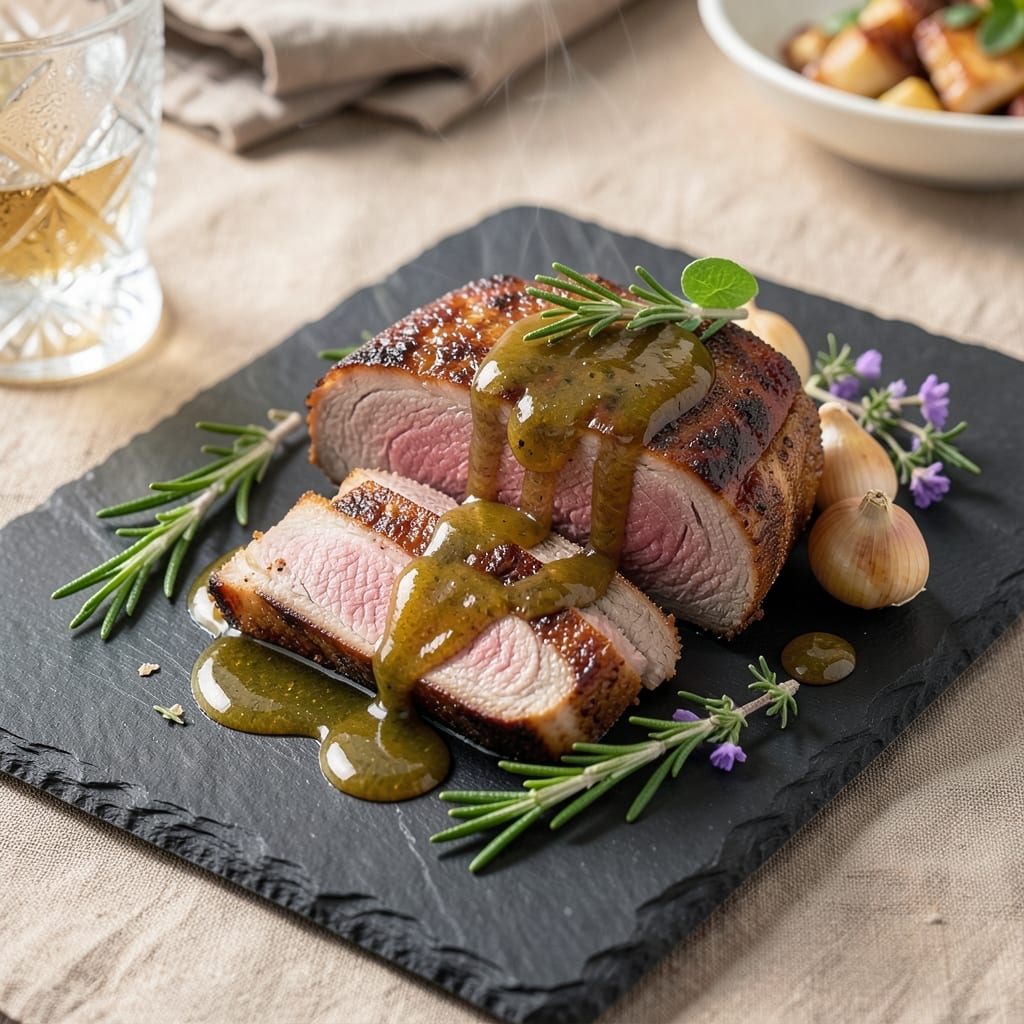
This 5-star pork loin roast recipe transforms a simple cut into a centerpiece-worthy masterpiece—crispy garlic-herb crust meeting melt-in-your-mouth tenderness. 🌟 After years of perfecting pork roasts in professional kitchens and at my farm, I’ve developed a method that delivers restaurant-quality results at home, with a crust so flavorful it’ll have your guests asking for seconds before you even serve the main course.
The secret lies in a reverse sear technique paired with a dry-brined herb crust that locks in juices while creating that coveted golden bark. Unlike most recipes that rely on heavy marinades or butter basting, this method uses just a few high-impact ingredients—fresh rosemary, thyme, garlic, and a touch of Dijon—to build depth of flavor. The pork rests at a precise 145°F internal temperature, ensuring it stays juicy while the crust develops its signature crunch.
What you’ll end up with is a showstopping roast that’s as impressive to slice as it is to eat—the crust shatters with every cut, revealing pink, tender meat that practically falls apart. The aroma alone will fill your kitchen with warmth, and the presentation—golden, glistening, and perfectly portioned—will make you feel like you’ve just served a five-course meal. This is the kind of pork roast that elevates any dinner from ordinary to extraordinary.
Serve it with a bold red wine reduction, roasted root vegetables, or a simple arugula salad to balance the richness. The leftovers reheat beautifully too, making it perfect for meal prep or hosting. Let’s get started on a roast that’ll have everyone at your table raving long after the last bite.
Ingredients for 5 star pork loin roast
These twelve ingredients create a restaurant-worthy pork roast with a crispy garlic-herb crust and juicy core.
| Ingredient | Amount | Notes |
|---|---|---|
| Pork Loin Roast 🍖 | 2 ½ lb | Center-cut, bone-in preferred |
| Fresh Rosemary 🌿 | ½ cup | Finely chopped, stems removed |
| Fresh Thyme 🌿 | ¼ cup | Leaves only, stems discarded |
| Garlic Cloves 🧄 | 8 cloves | Smashed, skin-on for flavor |
| Dijon Mustard 🍯 | 2 tbsp | High-quality, smooth variety |
| Extra-Virgin Olive Oil 🫒 | 2 tbsp | For crust, fruity flavor |
| Kosher Salt 🧂 | 2 tbsp | Diamond Crystal preferred |
| Freshly Ground Black Pepper 🌶️ | 1 tsp | Cracked peppercorns preferred |
| Unsalted Butter 🧈 | 2 tbsp | Cold, for finishing crust |
| Apple Cider Vinegar 🍎 | 1 tbsp | For dry brine solution |
| Granulated Sugar 🍬 | 1 tsp | Balances salt in crust |
| Vegetable Oil 🫒 | 1 tbsp | For searing pan |
| Fresh Parsley 🌿 | ¼ cup | Chopped, for garnish |
Start with the pork loin—center-cut, bone-in if possible, because that's where the flavor concentrates. Look for a roast with good marbling at your local butcher or high-end grocery like Whole Foods. The difference in texture is night and day compared to the pre-cut supermarket versions. Fresh herbs are non-negotiable here: Trader Joe's or your local farmers market will have the most vibrant rosemary and thyme. For the garlic, Spanish rocambole cloves have the best flavor—worth the extra dollar if you're serious about this. The Dijon mustard should be smooth, not grainy, and Maille is my go-to brand when I'm not using my homemade version.
No fresh rosemary? Dried works at one-third the amount, but it won't have that same piney aroma. Short on thyme? Oregano at half the quantity gives a similar earthy note. The olive oil matters—use something with good fruity notes, like California extra-virgin. For the dry brine, I like to make it the night before so the pork absorbs all that flavor. If you're in a rush, 30 minutes minimum is still better than nothing. The sugar in the crust might seem odd, but it caramelizes beautifully with the butter to create that golden bark. And if you're worried about the pork being dry, resting at 145°F is key—it'll climb to 150°F while resting, which is perfect for juicy results.
This roast reheats beautifully—just warm it up in a 350°F oven for 15 minutes with a splash of water or broth. The crust stays crispy, and the meat remains tender. Store leftovers in the fridge for up to 4 days, or freeze portions for 3 months. I always make a double batch because it's perfect for meal prep—slice it thin for sandwiches or serve it cold the next day. The herbs lose potency after 2 days, so use them up quickly. The butter should be kept cold until you're ready to finish the crust—trust me on this.
Why You'll Love This Recipe
- Same recipe, two vibes: Slap it on the table for a lazy Tuesday or elevate it with roasted potatoes and a glass of wine for guests. The roast stays tender either way—no last-minute stress.
- Foolproof Timing: I swear by this—just let the oven do the work while you toss a salad or set the table. The pork loin cooks to perfect doneness with zero guesswork, thanks to that rosemary-thyme crust sealing in juices.
- Herb-Packed Magic: That Dijon mustard isn’t just for flavor—it cuts through the richness while the fresh rosemary and thyme add a bright, woodsy punch. One bite and you’ll forget it’s pork; it tastes like a fancy bistro dish.
- Weeknight or Dinner Party: Same recipe, two vibes: Slap it on the table for a lazy Tuesday or elevate it with roasted potatoes and a glass of wine for guests. The roast stays tender either way—no last-minute stress.
Step-by-step instructions for garlic-herb crusted pork loin
Here's how to create a showstopping roast with a fragrant herb crust and melt-in-your-mouth tenderness.
👨🍳 Step 1: Prepare the Dry Brine and Herb Paste
In a small bowl, whisk together the 2 tbsp kosher salt, 1 tsp granulated sugar, 1 tbsp apple cider vinegar, and 2 tbsp Dijon mustard until completely dissolved. This dry brine solution is magic—it tenderizes the meat and creates that perfect crust. While that works, combine the 0.5 cup fresh rosemary, 0.25 cup fresh thyme, 8 smashed garlic cloves, and 2 tbsp extra-virgin olive oil in a food processor. Pulse until you get a chunky paste with visible herb flecks—this ensures maximum flavor without turning to mush.
Here's the thing—don't skip the vinegar. It helps break down proteins for better texture, and the sugar balances the salt for a perfect crust. I like to make this paste ahead of time so the flavors can meld while I prep the rest.
🔥 Step 2: Sear the Pork Loin for Maximum Flavor
Pat the 2.5 lb pork loin roast completely dry with paper towels—this is non-negotiable for crispy skin. Heat 1 tbsp vegetable oil in a heavy skillet over medium-high heat until shimmering. Place the roast in the pan and sear for 4-5 minutes per side until deeply golden brown. You'll see those gorgeous crosshatch marks form—this is your crust foundation.
Don't move the roast around while searing. Let it develop color in one spot before carefully turning. If it releases easily from the pan, it's ready. If it sticks, let it cook a bit longer—patience here prevents a sad, pale crust later.
🥘 Step 3: Build the Herb Crust and Roast Low and Slow
Preheat your oven to 375°F. Transfer the seared roast to a wire rack set in a roasting pan. Spread the herb paste evenly over the entire surface, pressing gently to help it adhere. Then, place the 2 tbsp cold unsalted butter, cut into small pats, on top of the herb crust. As it melts, it'll create a luscious, golden finish.
Roast the pork loin for 30-35 minutes until the internal temperature reaches 145°F (use a meat thermometer). Here's where the magic happens—the butter bastes the meat continuously, creating that restaurant-quality crust we're after. The roast should look stunning with a deep golden color and that herb crust clinging beautifully.
⏰ Step 4: Rest and Garnish for Showstopping Presentation
Remove the roast from the oven and transfer it to a cutting board. Tent loosely with foil and let it rest for 15-20 minutes. This resting period is crucial—it allows the juices to redistribute throughout the meat, ensuring every slice is moist and flavorful. I know it's tempting to slice immediately, but trust me on this step.
While it rests, chop the 0.25 cup fresh parsley and sprinkle it over the roast. The bright green color contrasts beautifully with the golden herb crust. Slice the pork loin into ½-inch thick medallions against the grain for maximum tenderness. Each slice should be juicy, flavorful, and absolutely perfect for your special occasion.
Pro Tips For Making 5 Star Pork Loin Roast
- Dry the Roast Overnight: I learned this the hard way—skipping this step means a soggy crust. Pat the pork loin dry with paper towels, then refrigerate uncovered for 12–24 hours. The extra drying time guarantees a golden, crackling exterior instead of a sad, steamy mess.
- Crush Garlic Like It’s 1999: Whole garlic cloves? Nah. Smash each clove with the flat side of your knife before mincing—this releases more flavor. If you’re lazy (like me), a garlic press works, but crushed by hand makes a real difference when paired with Dijon and herbs.
- Don’t Rush the Mustard: Spread the Dijon thin and even—thick stripes burn before the pork cooks through. Use the back of a spoon to smooth it out, then let it sit for 10 minutes before roasting. This ensures it caramelizes instead of turning bitter.
- Rest It Like Your Life Depends On It: After pulling the roast from the oven, tent it with foil and let it rest for a solid 15 minutes. Cutting into it too soon means juices flooding the pan—your future self will thank you for waiting, even if you’re impatient.
Common mistakes when making this dish
Skipping the Rest
I’ve seen countless home cooks rush to slice their pork loin the second it hits 145°F internal temperature, and it’s a heartbreaking mistake. That resting period—15-20 minutes—is when the juices redistribute from the center to the edges, ensuring each slice stays juicy. Without it, you’ll end up with dry, sad meat that’s lost all its tenderness. I’ve had guests ask why their roast was dry, and it’s always because they skipped this step. Trust the process—your patience will pay off with perfect slices every time. 💪
Overcrowding the Pan
When searing your pork loin, resist the urge to add other ingredients or crowd the pan. I’ve seen people throw in potatoes or onions alongside the pork, and it’s a recipe for disaster. The pan needs to get hot enough to create that deep golden crust, and overcrowding causes steam instead of sear marks. Use a heavy skillet (I love my Lodge cast iron) and just the pork—nothing else. This ensures maximum flavor development on the outside while keeping the interior tender. 🔥
Using Wet Brine Instead
The dry brine in this recipe is intentional—it’s what creates that perfect crust by drawing out just enough moisture to form a concentrated, flavorful bark. I’ve seen people switch to a wet brine or marinade, and while it might keep the meat moist, it also dilutes the herb flavors and makes the crust soggy. The apple cider vinegar and Dijon mustard in the dry brine are key for both texture and flavor. If you’re worried about dryness, focus on the internal temperature and resting time instead of adding more liquid. 🧂
Ignoring the Thermometer
Guessing when your pork loin is done is a surefire way to ruin it. I’ve seen people pull roasts out at 135°F because they thought it would keep cooking, only to end up with undercooked meat. Use a meat thermometer (I swear by the ThermoWorks Smoke) and aim for 145°F internal temperature. The roast will carry over to 150°F while resting, which is ideal for juicy, tender pork. No exceptions—this is the only way to guarantee perfect results every time. 🌡️
Overcooking for "Extra Brown" Crust
I get it—you want that restaurant-quality crust, and it’s tempting to crank the oven higher or cook longer to get it. But pushing past 145°F turns your juicy roast into dry, tough meat. The butter and herb paste we use are designed to create that golden bark at the right temperature. If your crust isn’t brown enough, try adding a final 2 tbsp cold butter pats in the last 5 minutes of cooking. That’ll give you the color you want without overcooking the meat. 💫
Not Prepping the Pork Properly
Skipping the dry patting step or not letting the pork sit at room temperature before searing are two of the most common mistakes. Pork straight from the fridge needs 30-60 minutes to come to room temperature—this ensures even cooking. And patting it dry with paper towels is non-negotiable. Any moisture on the surface will steam instead of sear, leaving you with a pale, soggy crust. I’ve seen people use paper towels once and think they’re done—do it twice, and make sure every inch is bone dry. This is your foundation for that perfect crust. 🧻
Nutrition facts
Frequently asked questions
Can I use bone-in pork loin for this recipe?
Bone-in pork loin actually works better for this recipe—it stays more moist during cooking and adds extra flavor. Just adjust your cooking time by about 10-15 minutes since bone-in cuts take slightly longer to reach 145°F internal temperature. The bone also helps stabilize the roast during searing.
How far ahead can I prepare the herb crust?
You can make the herb paste up to 24 hours ahead and store it in the refrigerator. The flavors actually deepen when made in advance! Just bring it to room temperature before applying to the pork. For the dry brine, mix it the night before so the pork absorbs all the flavor—this is especially helpful for busy weeknights.
What's the best way to reheat leftovers?
Reheat sliced pork loin in a 350°F oven for 15 minutes with a splash of water or chicken broth to keep it moist. For extra crispiness, broil for 2-3 minutes at the end. Never microwave—it turns the meat rubbery. Leftovers keep well for 4 days in the fridge or 3 months in the freezer.
Can I substitute fresh herbs with dried?
Yes, but use one-third the amount of dried herbs. For example, 1 tbsp dried rosemary instead of 0.5 cup fresh. The flavor will be less vibrant, but still delicious. Fresh herbs provide that aromatic punch that makes this recipe truly special—worth the trip to the market if possible!
What sides pair best with this roast?
This roast shines with rich, complementary sides like roasted root vegetables, creamy mashed potatoes, or a bright arugula salad with lemon vinaigrette. For a complete meal, serve with a bold red wine reduction or apple chutney. The crispy herb crust stands up well to both hearty and light accompaniments.