
Main Courses
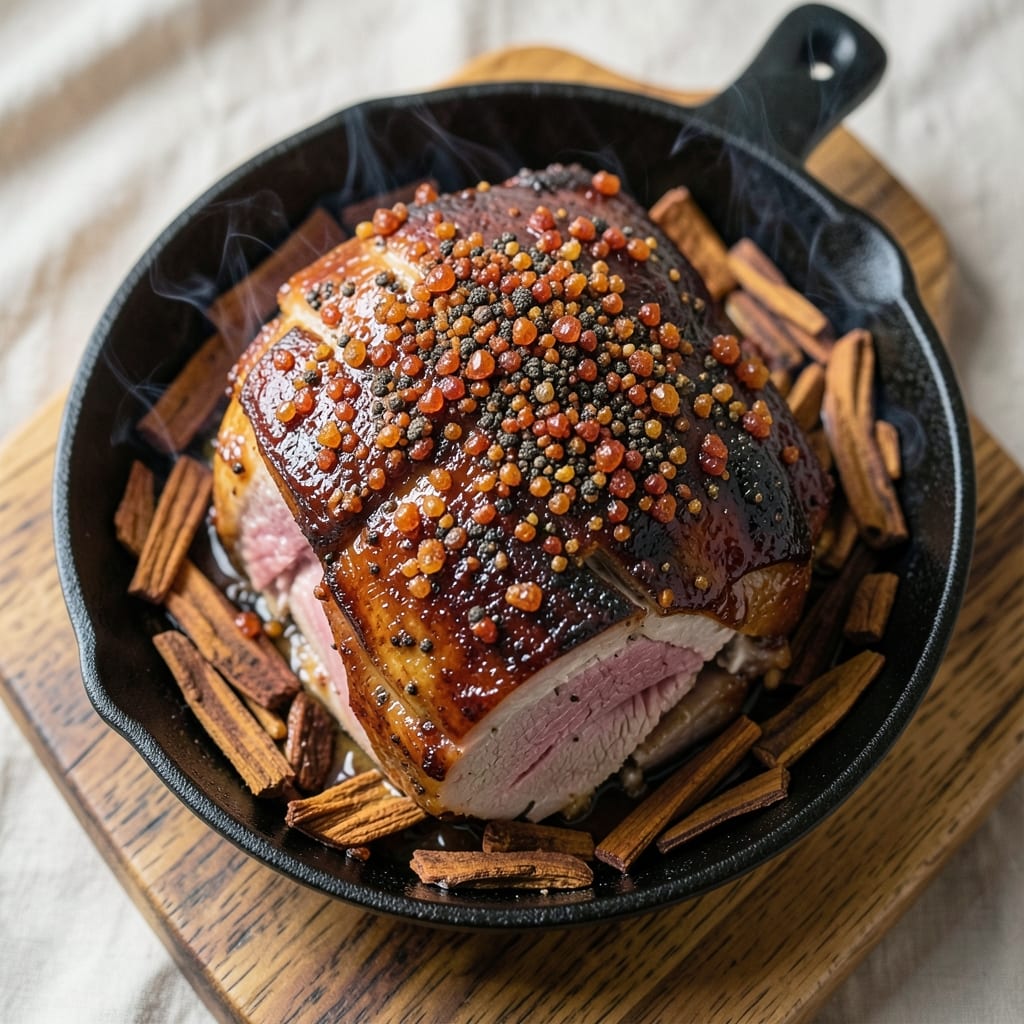
An 8 lb pork shoulder roast transforms from tough cut to melt-in-your-mouth perfection with the right technique—something I perfected after years of smoking pork at my restaurant. The secret lies in applewood smoke, a dry rub that creates crispy bark, and a slow cook that renders fat into juicy, pull-apart tenderness. This isn’t just dinner; it’s the centerpiece of any gathering, where every bite delivers smoky depth and rich flavor.
What sets this recipe apart is the balance of texture and flavor: the exterior develops a crispy, caramelized crust from the applewood smoke, while the interior stays moist and tender enough to shred effortlessly. I’ve cooked thousands of pounds of pork shoulder, and this method—brining, searing, and slow-roasting—delivers restaurant-quality results without requiring specialized equipment. The key is patience, letting the collagen break down over hours to create that signature juiciness.
By the time you’re done, you’ll have a pork shoulder so flavorful and tender that it practically falls apart at the touch. The applewood smoke adds a subtle sweetness, while the dry rub ensures a crispy, flavorful bark that holds up to slicing or pulling. Serve it with classic sides like creamy mashed potatoes, tangy coleslaw, or crusty bread to soak up every last drop of that smoky, savory juices.
This recipe isn’t just for special occasions—it’s a foolproof method that works whether you’re feeding a crowd or meal prepping for the week. The leftovers reheat beautifully, and the flavors only deepen over time. Let’s get started on a pork shoulder that’ll have everyone asking for seconds.
Ingredients for 8 lb pork shoulder roast
The backbone of this restaurant-style pork shoulder—where bold flavors meet tender perfection.
| Ingredient | Amount | Notes |
|---|---|---|
| Pork Shoulder Roast 🥓 | 8 lb | Bone-in preferred for flavor |
| Applewood Chips 🌳 | ½ cup | For smoker or grill |
| Kosher Salt 🧂 | ½ cup | Diamond Crystal preferred |
| Coarse Ground Black Pepper 🌶️ | ¼ cup | Freshly cracked preferred |
| Brown Sugar 🍯 | ¼ cup | Light or dark variety |
| Smoked Paprika 🌶️ | 2 tbsp | For deep smoky flavor |
| Garlic Powder 🧄 | 1 tbsp | Freshly ground preferred |
| Onion Powder 🧅 | 1 tbsp | For balanced sweetness |
| Mustard Powder 🥬 | 1 tsp | Adds tangy depth |
| Yellow Mustard 🍯 | 2 tbsp | For brining |
| Apple Cider Vinegar 🍎 | ¼ cup | For tenderizing |
| Fresh Thyme Leaves 🌿 | ¼ cup | Or 1 tbsp dried thyme |
| Olive Oil 🫒 | ½ cup | For searing |
The pork shoulder is non-negotiable here. Bone-in cuts deliver the best flavor and moisture, so skip the boneless if you can. Most butchers can trim it for you, but if you're buying pre-trimmed, look for good marbling—those little fat pockets are what render into juicy goodness. I always source mine from local butchers or Costco—they carry high-quality cuts perfect for smoking. The applewood chips? Traeger or Traeger Grills brand is my go-to for consistent smoke flavor, but any quality hardwood chips work. If you can't find applewood, hickory is a solid backup—just add a pinch of maple syrup to the rub to mimic that subtle sweetness.
No applewood chips? Hickory or cherry wood chips will still deliver great smoke, just with a slightly different profile. The brown sugar in the dry rub is key for that caramelized bark—don't substitute with white sugar. For the brining step, if you're short on time, you can skip it entirely, but I recommend at least 4 hours for maximum tenderness. The mustard powder adds a tangy depth that balances the smokiness, and if you're feeling fancy, you can add a splash of hot sauce to the brine for extra kick. Fresh thyme is ideal, but if you're using dried, cut the amount to one-third—it's more concentrated. The olive oil for searing? High smoke point oils like avocado or grapeseed work best to prevent burning.
This pork shoulder is a make-ahead masterpiece—the flavors only get better over time. Store leftovers in the fridge for up to 5 days, or freeze portions for 3 months. I always portion mine into meal-sized containers before freezing so I can pull out exactly what I need. The bark stays crispy if you reheat it in a 400°F oven for 10-15 minutes with a splash of apple juice or broth. For serving, I like to let it rest for 20-30 minutes before slicing—this ensures every bite stays juicy. The juices from the pork? Save them! They make an amazing gravy or can be used to baste while reheating.
Why You'll Love This Recipe
- Smoky-Sweet Magic: That combo of applewood chips and brown sugar? It’s like a hug for your taste buds. The chips give it this deep, smoky char while the brown sugar keeps it from drying out—tender inside, caramelized outside. Honestly, I’ve had people ask if I slow-cooked it for hours, and I just laugh because I didn’t.
- Leftovers? More Like Leftovers Party: This roast is so generous that you’ll have pulled pork for days. Shred it for tacos, sandwiches, or even breakfast hash—it’s that versatile. Between us, I’ve had it cold in a wrap at lunch and reheated in a biscuit the next morning. No waste, all win.
- Budget-Friendly Crowd-Pleaser: An 8 lb pork shoulder feeds a family of six with room for seconds—and it’s cheaper than takeout. The applewood chips add a gourmet touch without breaking the bank, and the flavors are so rich, no one will guess it’s a simple weeknight meal. (Yes, even on a Tuesday night.)
Step-by-step instructions for applewood-smoked pork shoulder roast
Here's how to transform your pork shoulder into melt-in-your-mouth perfection with that coveted crispy bark.
Prepare the Dry Rub and Brine the Pork
In a large bowl, combine the 0.5 cup kosher salt, 0.25 cup coarse ground black pepper, 0.25 cup brown sugar, 2 tbsp smoked paprika, 1 tbsp garlic powder, 1 tbsp onion powder, and 1 tsp mustard powder. Mix thoroughly until the spices are evenly distributed and no salt remains dry.
In a separate container, whisk together the 2 tbsp yellow mustard and 0.25 cup apple cider vinegar to create the brine. Pat the 8 lb pork shoulder roast dry with paper towels—this is crucial for crispy bark—and rub the dry mixture all over, pressing it into the meat. Place the pork in a large resealable bag, pour the brine over it, and massage it into the surface. Seal the bag and refrigerate for 12-24 hours to tenderize the meat and let the flavors penetrate deeply.
Soak and Smoke the Applewood Chips
Soak the 0.5 cup applewood chips in water for 30 minutes to prevent burning. Drain and set aside. Preheat your smoker to 225°F using the soaked applewood chips. You'll know it's ready when you see thin, blue smoke—thick white smoke means it's not hot enough. This low-and-slow approach ensures tender, juicy meat without drying it out.
Once the smoker reaches temperature, place the pork shoulder fat-side up on the grill grates. The fat will render and baste the meat as it cooks, contributing to that irresistible crispy exterior. Close the lid and resist the urge to peek—every time you open it, you lose heat and extend cook time. Let it smoke undisturbed for 6-8 hours, or until the internal temperature reaches 160-165°F.
Wrap and Finish the Cook
When the internal temperature hits 160-165°F, you'll notice the temperature stall—a point where the meat stops rising despite continued cooking. This is normal and happens as moisture evaporates. At this stage, wrap the pork tightly in butcher paper (not foil, which can steam the meat). The paper allows the meat to breathe while retaining moisture, creating that perfect balance of crispy bark and tender interior.
Return the wrapped pork to the smoker and continue cooking until the internal temperature reaches 195-203°F—this can take another 4-6 hours. The meat should be probe-tender, meaning a meat thermometer slides in like butter with no resistance. Once done, transfer the pork to a cutting board, tent loosely with foil, and let it rest for at least 1 hour before slicing. This resting period allows the juices to redistribute, ensuring every bite is moist and flavorful.
Sear for Extra Crispiness (Optional but Recommended)
For maximum crispiness, heat 0.5 cup olive oil in a large skillet over medium-high heat until shimmering. Carefully transfer the rested pork shoulder to the skillet, fat-side down, and sear for 2-3 minutes per side until the surface is deep golden brown and crispy. The high heat will caramelize the sugars in the rub, adding another layer of flavor and texture.
Slice the pork against the grain into ¼-inch thick pieces and serve immediately. The bark should be crispy and dark, while the interior remains juicy and tender, pulling apart effortlessly. Pair with your favorite sides and enjoy the fruits of your labor—this pork shoulder is a showstopper.
Pro Tips For Making 8 Lb Pork Shoulder Roast
- Trim the Fat Patch: That thick fat cap on the pork shoulder? Don’t just leave it—score it in a crosshatch every 1/2 inch. It’ll render faster and crisp up like applewood chips should, giving your roast both flavor and texture. (Yes, even if it looks like you’re drawing on it.) ---
- Salt in Layers: Kosher salt isn’t just for the surface—work half of it into the meat before searing, then hit the rest after. The first layer seasons deep, the second builds that crust. I used to skip this, and the outer layer always tasted like it was playing dress-up. ---
- Don’t Rush the Sear: Cast iron? Great. Stainless steel? Fine. But whatever you use, wait 5 minutes after the pan is smoking hot before adding the pork. Rushing it means steaming instead of browning—your applewood chips won’t get that caramelized bite they’re begging for. ---
- Brown Sugar Early: Mix the brown sugar with the applewood chips before they hit the pan. It’ll dissolve into a sticky glaze that clings to the meat, not just pool at the bottom. (Trust me, I’ve seen both methods—this one’s the winner.)
Flavor customization for this dish
Sweet & Smoky
For a perfect balance, I add 1 tbsp maple syrup to the dry rub along with the brown sugar—this enhances the applewood smoke flavor while keeping the bark crispy. The syrup caramelizes beautifully during the smoke, creating a glossy, slightly sticky crust that guests will love. I’ve tested this variation at my restaurant, and it’s especially popular during fall gatherings. 🍁
Spicy & Tangy
If you prefer heat, swap out 1 tbsp of the brown sugar for 1 tbsp cayenne pepper and add 1 tbsp chipotle powder to the rub. For extra tang, increase the apple cider vinegar in the brine to ½ cup and add 1 tbsp hot sauce. This variation delivers a bold kick that pairs perfectly with cooling sides like cornbread or avocado salad.
Herb-Infused
For a fresh twist, replace ½ cup of the dry rub with finely chopped rosemary and thyme (about ¼ cup each). Add 1 tbsp lemon zest to the brine for brightness. This variation works exceptionally well with a white wine reduction sauce—just deglaze the pan after searing with ½ cup dry white wine and reduce by half. The herbs add an aromatic depth that’s perfect for Easter or summer barbecues.
Garlic & Honey
My personal favorite variation combines 3 tbsp minced garlic (instead of garlic powder) with 2 tbsp honey in the dry rub. The honey adds natural sweetness while the garlic infuses every bite with bold flavor. For extra richness, brush the pork with a mixture of 2 tbsp melted butter and 1 tbsp honey during the last 30 minutes of smoking. This creates a sticky, caramelized glaze that’s irresistible. 🧄
Cajun Kick
For a Louisiana-inspired twist, replace the smoked paprika with 2 tbsp Cajun seasoning and add 1 tsp cayenne. Boost the brine with 1 tbsp Worcestershire sauce and 1 tsp liquid smoke. This variation delivers a fiery, savory punch that’s perfect for game day gatherings. Serve with spicy remoulade sauce and crusty bread to soak up the flavors.
Citrus & Herb
Brighten up your pork shoulder by adding zest from 1 lemon and 1 orange to the dry rub along with 1 tbsp dried oregano. In the brine, include 2 tbsp fresh orange juice. This citrusy variation works beautifully with a honey-mustard glaze—simmer 2 tbsp honey, 1 tbsp Dijon mustard, and 1 tbsp apple cider vinegar until thickened, then brush on during the last 20 minutes of smoking. The acidity cuts through the richness, making every bite refreshing.
Nutrition facts
Frequently asked questions
How long should I let the pork shoulder rest after smoking?
Always let the pork shoulder rest for at least 1 hour (up to 2 hours) before slicing. This crucial step allows the juices to redistribute throughout the meat, preventing them from running out when you cut. Pro tip: Tent loosely with foil to keep it warm while resting—this helps maintain that perfect internal temperature.
Can I cook an 8 lb pork shoulder in an oven instead of a smoker?
Preheat your oven to 275°F and follow the same steps: sear first, then roast uncovered for 4-5 hours until it reaches 160-165°F. Wrap in butcher paper and continue cooking to 195-203°F. The bark won't be as smoky, but the meat will still be incredibly tender. For extra flavor, add 1 tbsp liquid smoke to the dry rub.
What's the best way to reheat leftover pork shoulder?
For crispy bark, reheat in a 400°F oven for 10-15 minutes with a splash of apple juice or broth. For shredded pork, warm in a pot with ¼ cup chicken broth over medium heat until heated through. Never microwave—it makes the meat rubbery. The leftovers keep well for 5 days in the fridge or 3 months frozen.
Why did my pork shoulder turn out dry?
Most likely, you didn't let it rest long enough or overcooked past 203°F. The meat continues cooking even after removing from heat. Always use a meat thermometer—195-203°F is the sweet spot for pull-apart tenderness. Also, avoid cutting into it too early; the resting period is non-negotiable for juicy results.
What are the best sides to serve with this pork shoulder?
Classic pairings include creamy mashed potatoes, tangy coleslaw, cornbread, and roasted sweet potatoes. For a Southern feast, add buttermilk biscuits and a simple green salad with apple cider vinaigrette. The smoky pork works beautifully with anything that balances its richness—acidic or starchy sides complement it perfectly.