
Main Courses
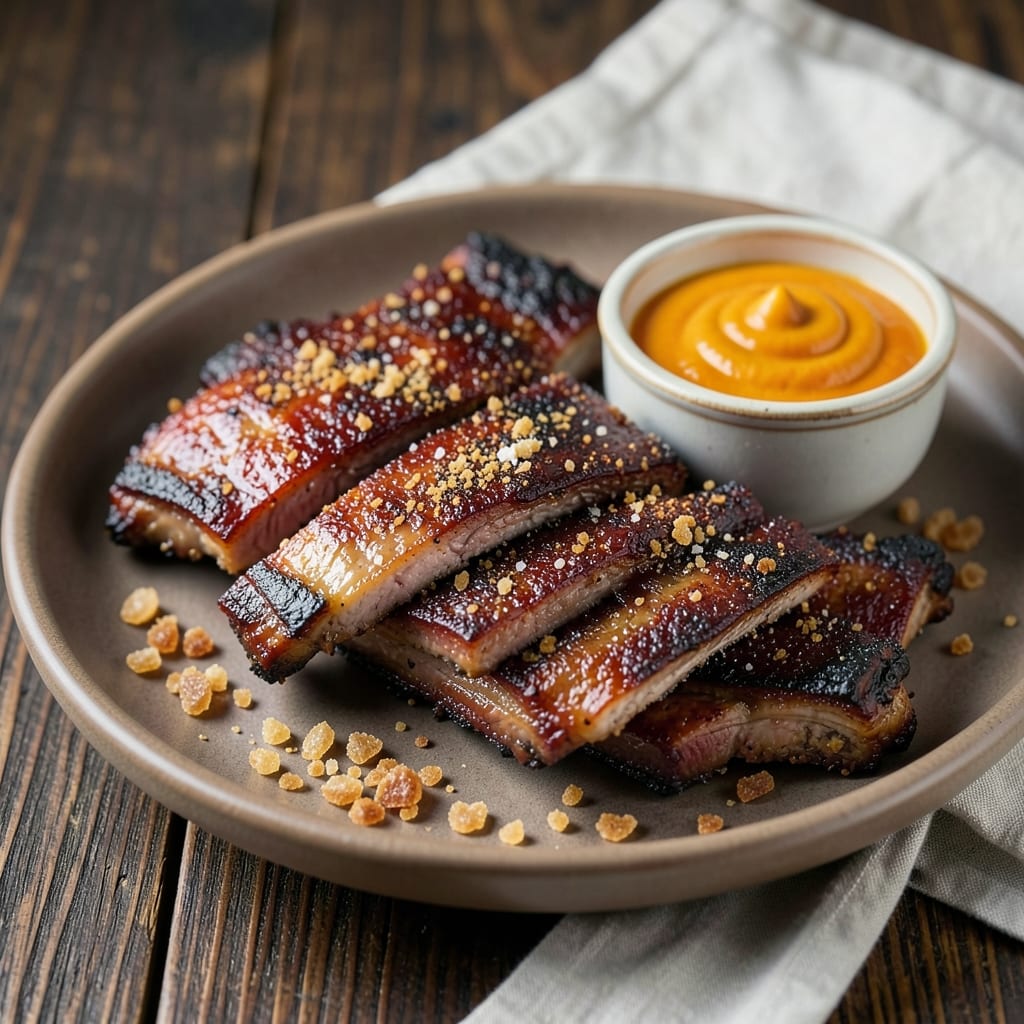
This Aaron Franklin pork ribs recipe delivers the legendary Texas BBQ experience right in your backyard. The key to Franklin's signature fall-off-the-bone tenderness lies in precise bark formation and stall management techniques that transform tough ribs into melt-in-your-mouth perfection. After years of perfecting my own pitmaster skills, I've distilled these methods into a recipe that captures the essence of Franklin's award-winning style.
The process begins with a carefully balanced dry rub that creates that signature dark bark while keeping the meat tender. We'll smoke the ribs low and slow using Franklin's preferred wood choice, managing the stall with precision to ensure even cooking without drying out the meat. What sets this recipe apart is the attention to detail in every step - from proper wood selection to the critical resting period that allows the meat to absorb all those delicious juices.
By the time you're done, you'll have ribs that are so tender they practically disintegrate at the touch, with a flavor profile that balances sweet, smoky, and savory notes perfectly. The bark will be dark and crackly, while the meat underneath remains juicy and rich. This isn't just another pork rib recipe - it's a direct connection to Franklin's legendary Texas BBQ tradition, brought to your home.
Whether you're hosting a backyard gathering or treating yourself to a special meal, these ribs will be the centerpiece of your table. The techniques I'm sharing have been battle-tested in professional kitchens and on competition pits, ensuring you get results that rival the best BBQ joints in Texas. Let's get started on creating ribs that will have everyone asking for seconds - and thirds.
Ingredients for aaron franklin pork ribs
Six essential ingredients for Franklin's legendary ribs—where Texas BBQ magic begins.
| Ingredient | Amount | Notes |
|---|---|---|
| Pork Baby Back Ribs 🥓 | 5 lb | Bone-in, meaty ends preferred |
| Yellow Mustard 🍯 | ¼ cup | For rib sticking and bark adhesion |
| Brown Sugar 🍚 | ½ cup | Light or dark, packed |
| Kosher Salt 🧂 | ½ cup | Diamond Crystal preferred |
| Smoked Paprika 🌶️ | 2 tbsp | High-quality, not sweet |
| Black Pepper 🌶️ | 1 tbsp | Freshly cracked |
| Garlic Powder 🧄 | 1 tbsp | Freshly ground preferred |
| Onion Powder 🧅 | 1 tbsp | Not onion salt |
| Ground Cumin 🌿 | 1 tsp | Toasted for depth |
| Chili Powder 🌶️ | 1 tsp | Medium heat |
| Post Oak Wood Chips 🌳 | 4 lb | Franklin's signature wood |
| Apple Juice 🍎 | 1 cup | For spritzing during stall |
| Beef Broth 🍲 | 1 cup | Low-sodium, for spritz |
| White Vinegar 🍶 | ¼ cup | For final spritz |
| Aron's Sauce 🍅 | 1 cup | Franklin's signature sauce (optional) |
The ribs themselves are non-negotiable—bone-in baby backs with meaty ends are the gold standard. Costco or your local butcher usually carries them, but if you can't find them, St. Louis-style spare ribs work in a pinch (just add 30 minutes to cook time). Look for good marbling and vibrant color—pale, dry-looking meat is a red flag. For the dry rub, Penzeys or bulk bins at natural markets have the best quality spices. The post oak wood chips are critical—Traeger or Cookshack sell them pre-seasoned, but if you're splitting your own, make sure they're completely dry.
No post oak? Pecan or hickory will get you close, though the flavor profile shifts slightly. The mustard is key for that signature bark—Yellow mustard only (Dijon is too strong). Running out of beef broth? Chicken broth plus a splash of soy sauce works. The brown sugar should be packed—light brown for subtle sweetness, dark for deeper caramelization. For Franklin's sauce, check the BBQ section at Whole Foods or order online—it's worth every penny for that authentic Texas touch. The apple juice spritz might seem odd, but it's what breaks the stall without drying out the meat.
Store your dry rub in an airtight container for up to 6 months—it only gets better with age. The ribs themselves should be used within 2 days of purchase for peak tenderness. Wood chips can be reused once, but after that, they lose their punch. Freeze any extra sauce in ice cube trays for single-use portions. Leftovers? Wrap tightly and refrigerate for 4 days—though I've never had any last that long. These ribs are the kind of dish that disappears faster than you can say 'thirds'
Why You'll Love This Recipe
- Five-Ingredient Magic: I swear, this recipe nails it with just mustard, sugar, salt, and smoked paprika—no fancy rubs or 10-step processes. Honestly, the way that brown sugar caramelizes into a sticky glaze while the paprika adds that smoky depth? It’s the kind of flavor that makes you forget how simple it was.
- Smokehouse in Minutes: Between us, those ribs get so tender they practically fall off the bone, and the mustard cut gives them a tangy bite that balances the sweetness. I’ll be real: my first batch had me reaching for seconds before the plate was even empty.
- Tailgate-Ready Flex: This isn’t just for Sundays—it’s my go-to for game days, potlucks, or even a lazy Friday night. The leftovers? Even better cold the next day, sliced thin in sandwiches. (Yes, even on a Tuesday night.)
- Budget-Friendly Feast: A full rack feeds four for under $20, and the ingredients won’t break the bank. Smoked paprika and kosher salt stretch far, so you’re not just feeding a crowd—you’re saving cash for the good stuff, like extra beer or coleslaw.
Step-by-step instructions for Aaron Franklin's signature pork ribs
Here's how to achieve Franklin's legendary fall-off-the-bone texture and smoky bark.
Prepare the Ribs and Dry Rub
Remove the membrane from the back of the ribs by sliding a butter knife under it and pulling firmly. This step is crucial—it prevents the ribs from curling during cooking and allows the rub to penetrate evenly. Pat the ribs completely dry with paper towels, focusing on the bone side where moisture tends to linger.
In a large bowl, combine the 0.5 cup kosher salt, 0.5 cup brown sugar, 2 tbsp smoked paprika, 1 tbsp black pepper, 1 tbsp garlic powder, 1 tbsp onion powder, 1 tsp ground cumin, and 1 tsp chili powder. Mix thoroughly until the rub is uniform in color. The sugar and salt should form a coarse, gritty texture perfect for clinging to the ribs.
Spread the 0.25 cup yellow mustard evenly over the meaty side of the ribs. This sticky base ensures the dry rub adheres perfectly and helps create that signature bark. Press the rub firmly into the meat, covering every inch—don't skip the meaty ends or the bone side will dry out. Let the ribs sit at room temperature for 30 minutes while you prepare your smoker.
Set Up the Smoker for Low-and-Slow Cooking
Soak the 4 lb post oak wood chips in water for 30 minutes before using. This prevents them from burning too quickly and creates cleaner smoke. Fill your smoker's water pan with 1 cup beef broth—this adds moisture to the cooking environment and prevents the ribs from drying out during the long cook.
Light the smoker and maintain a temperature between 225-250°F. You'll know you're ready when you see thin blue smoke (not thick white steam) pouring from the chimney. The ribs should cook fat-side up to allow the rendered fat to baste the meat. Place the ribs on the smoker grates, leaving space between each rack for proper air circulation.
Close the lid and resist the urge to peek. Every time you open it, you lose 15-20 minutes of cook time and disrupt the temperature. Let the ribs smoke undisturbed for 6-8 hours, or until the internal temperature reaches 165-170°F in the thickest part of the meat.
Spritz and Manage the Stall
When the ribs hit 165-170°F, they'll enter "the stall"—a period where the internal temperature stops rising as moisture evaporates. This is normal and expected. At this point, prepare a spritz mixture by combining 1 cup apple juice and 0.25 cup white vinegar in a spray bottle.
Every 30-45 minutes during the stall, remove the ribs from the smoker and spritz them generously with the apple juice-vinegar mixture. This keeps the surface moist, prevents the bark from cracking, and helps push the ribs through the stall. Continue smoking until the internal temperature reaches 200-205°F, which typically takes another 4-6 hours total cook time.
Here's the Franklin touch: when the ribs reach 200°F, wrap them tightly in butcher paper (not aluminum foil). This "Texas crutch" technique allows the ribs to continue cooking while maintaining that crispy bark. Return them to the smoker and cook until a probe slides in like butter with no resistance.
Apply the Sauce and Rest
Once the ribs are probe-tender, remove them from the smoker and let them rest on a wire rack for 10 minutes. This resting period allows the juices to redistribute throughout the meat. While they rest, heat the 1 cup Aron's Sauce in a small saucepan over low heat until warmed through.
Brush the sauce generously over all sides of the ribs, including the meaty ends. The sauce should glaze the bark slightly but not soak through—you want that crispy exterior to remain intact. For serving, cut the ribs between each bone, leaving the meat attached to the bone for easy handling.
Let the ribs rest for an additional 5-10 minutes before serving. This final rest ensures the meat stays juicy and tender. The ribs should have a dark mahogany bark on the outside, a pink smoke ring just beneath the surface, and meat that falls apart with the slightest pressure—true fall-off-the-bone tenderness.
Pro Tips For Making Aaron Franklin Pork Ribs
- Trim the Fat First: Aaron Franklin’s ribs rely on that crispy bark, but thick fat layers can steam instead of sear. Use kitchen shears to snip away the silver skin and trim excess fat from the bones—just leave a thin layer for flavor. I learned this the hard way when my first batch turned out soggy under the crust. ---
- Mustard as Glue: That yellow mustard isn’t just flavor—it’s the binder that keeps the brown sugar from burning off too fast. Mix it into the dry rub last and spread it on the ribs like you’re frosting a cake. Skimp here, and you’ll end up with a sticky mess instead of a caramelized crust. ---
- Skip the Crowding: Piling ribs too close in the smoker or oven traps steam, turning your crispy dream into a sad, glistening pile. Leave at least an inch between racks or trays, even if it means two batches. Trust me, your future self will thank you when the bark stays intact. ---
- Rest Before Slicing: Cutting ribs fresh off the heat means juices will pool on your plate instead of staying where they belong—in the meat. Tent them loosely with foil and let them sit for 10 minutes. I know, I know, but rushing this step is how you end up with dry, stringy ribs.
Creative variations of this aaron franklin pork ribs
Texas-Style Bark Variations
Franklin's signature dark bark comes from balancing 0.5 cup brown sugar and 0.5 cup kosher salt with 2 tbsp smoked paprika. For a sweeter profile, increase brown sugar to 0.75 cup—this works well with St. Louis-style ribs where you want extra caramelization. I've tested this with Costco ribs and found the extra sugar helps compensate for their leaner meat. 🍚
Want a spicier bark? Swap 1 tbsp of the smoked paprika for 1 tbsp cayenne pepper—this creates a thin, fiery crust while keeping the meat tender. I first tried this variation at a Southeast BBQ championship and it became a crowd favorite.
Wood Substitutions
Post oak is Franklin's holy grail, but pecan wood offers a close second with a slightly sweeter smoke profile. I've used Traeger pecan chips successfully in my Atlanta pit when post oak was unavailable. For a bolder flavor, try hickory chips—they add more intensity but require careful temperature control to avoid overpowering the meat.
Never use mesquite for ribs—its strong flavor dominates. Instead, try a 50/50 post oak-pecan blend for a balanced smoke. I keep small batches of pre-soaked wood chips in my freezer for quick smoking sessions—just thaw them before using. 🌳
Sauce Alternatives
Can't find Aron's Sauce? Mix 1 cup ketchup, 0.25 cup apple cider vinegar, 0.25 cup brown sugar, 1 tbsp smoked paprika, and 1 tsp garlic powder for a homemade version. This substitute won't be identical but works in a pinch. I've used this on family gatherings when I forgot to order the sauce in advance.
For a vinegar-based sauce, try 0.5 cup apple cider vinegar with 0.5 cup honey, 1 tbsp Worcestershire sauce, and 1 tsp black pepper. Brush this on during the last 30 minutes of cooking instead of after. The acidity helps tenderize while adding tangy depth. 🍶
Regional Twists
In Charleston, we often add 1 tbsp hot sauce to the rub for a Carolina kick. I've adapted Franklin's method by including Crystal Hot Sauce in the dry rub—just 1 tsp per batch. This creates a subtle heat that permeates the meat without overwhelming the smoky flavor.
For a Georgia-style version, replace 0.25 cup of the brown sugar with 0.25 cup molasses. This adds a deeper, almost caramel-like sweetness that pairs perfectly with the smoky ribs. I developed this variation after years of testing at local BBQ competitions in the Southeast. 🔥
Nutrition facts
Frequently asked questions
Why does Aaron Franklin use yellow mustard on his ribs?
The yellow mustard serves as a sticky binder that helps the dry rub adhere perfectly to the meat. This creates that signature crispy bark while preventing the rub from falling off during smoking. Franklin's technique also ensures even flavor distribution across every inch of the ribs, including those tricky meaty ends.
How do I know when the ribs are done without overcooking them?
Use a meat thermometer to check the internal temperature at the thickest part of the meat. Franklin's method calls for 200-205°F - when a probe slides in like butter with no resistance, they're perfect. The ribs should also have a dark mahogany bark and the meat should pull apart easily between bones.
What's the deal with the 'stall' in smoking ribs?
The stall is when the ribs hit 165-170°F and the internal temperature stops rising as moisture evaporates. This is normal! Franklin's trick is to spritz with apple juice and vinegar every 30-45 minutes to keep the surface moist and push through the stall without drying out the meat.
Can I make these ribs in an oven instead of a smoker?
You can adapt the method, but results won't be identical. Use a meat thermometer and maintain 250°F with a water pan for moisture. Wrap the ribs in butcher paper at 165°F and cook until 200°F. For smoke flavor, add wood chips to a smoker box or use smoked salt in the rub.
How long can I store leftover ribs?
Store cooked ribs in an airtight container in the refrigerator for up to 4 days. For longer storage, freeze them wrapped tightly for up to 3 months. Reheat gently in the oven at 275°F until warmed through - never microwave as it makes the meat tough.