
Main Courses
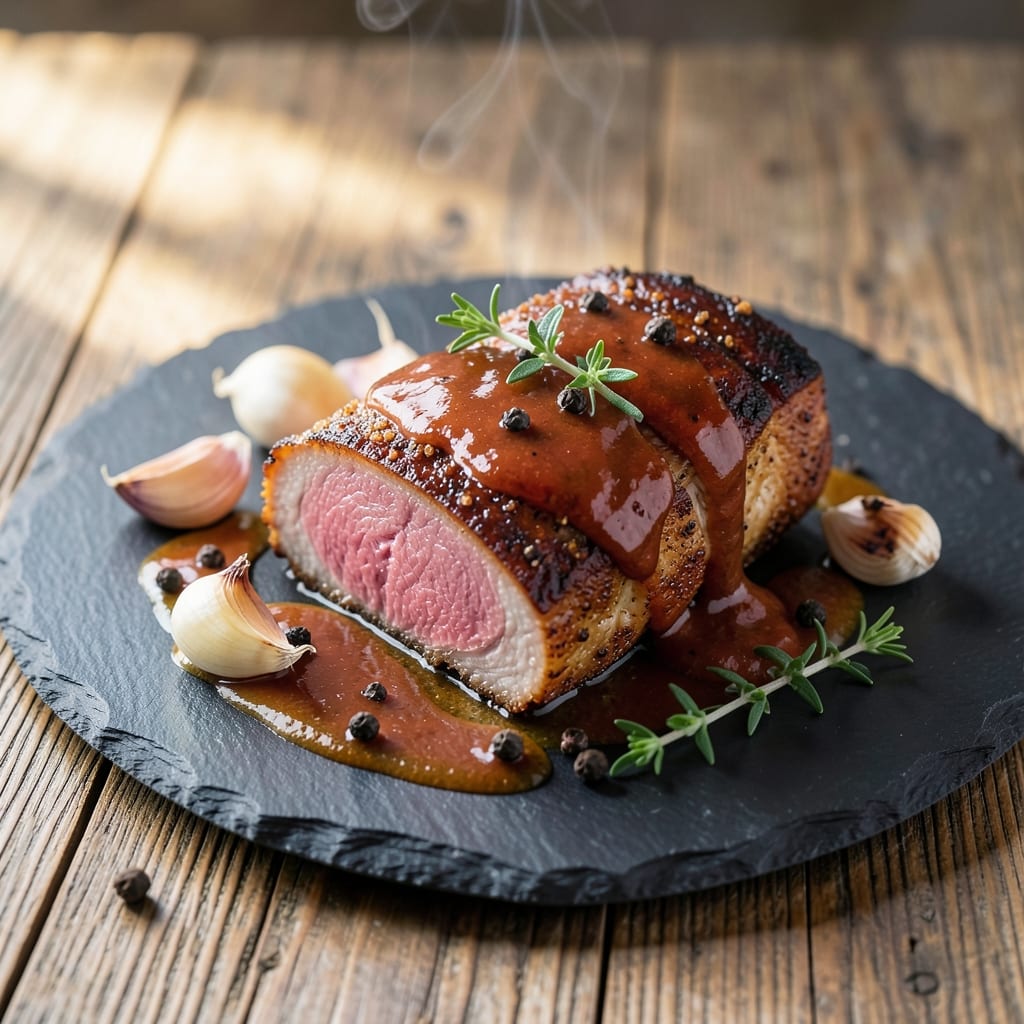
This adobo pork tenderloin recipe delivers restaurant-quality tenderness in just 30 minutes—a perfect balance of tangy, savory, and slightly sweet flavors. 🔥 The secret lies in a traditional Filipino adobo marinade, where vinegar and soy work together to tenderize the meat while building deep, complex flavors. I’ve adapted this classic technique for modern kitchens, ensuring it’s foolproof and ready in under an hour.
What sets this recipe apart is the precision in cooking—whether you prefer oven-braising for rich, caramelized edges or stovetop searing for a quicker finish, the result is juicy, melt-in-your-mouth pork that falls apart with every bite. The marinade doesn’t just flavor the meat; it transforms it, creating a dish that’s both comforting and impressive enough for guests.
Pair this tenderloin with steamed jasmine rice to soak up the flavorful sauce, or serve it alongside sautéed green beans for a complete meal. The sauce itself is versatile—use it as a dipping sauce, a stir-fry base, or even a glaze for roasted vegetables. This is the kind of dish that turns a simple weeknight dinner into a flavor-packed experience.
With just a few pantry staples and minimal prep, you’ll have a dish that tastes like it’s been simmering for hours. The key is patience—letting the marinade work its magic while you handle the rest. Let’s get cooking!
Ingredients for adobo pork tenderloin
Restaurant-quality pork tenderloin with just eight pantry staples and a 30-minute marinade.
| Ingredient | Amount | Notes |
|---|---|---|
| Pork Tenderloin 🍖 | 1 ½ lb | Center-cut, trimmed of fat |
| White Vinegar 🍶 | ½ cup | Distilled white preferred |
| Soy Sauce 🍶 | ½ cup | Light or all-purpose |
| Brown Sugar 🍚 | ¼ cup | Packed firmly |
| Garlic Cloves 🧄 | 6 cloves | Minced finely |
| Black Peppercorns 🌶️ | 1 tsp | Freshly cracked |
| Bay Leaves 🍃 | 2 whole | Fresh preferred |
| Olive Oil 🫒 | 2 tbsp | Extra-virgin for richness |
| Jasmine Rice 🌾 | 1 ½ cups | Uncooked, long-grain |
| Green Beans 🥦 | 1 lb | Trimmed, fresh or frozen |
| Salt 🧂 | 1 ½ tsp | Diamond Crystal preferred |
| Ground Black Pepper 🌶️ | ½ tsp | Freshly ground |
| Lemon Juice 🍋 | 1 tbsp | Freshly squeezed |
The pork tenderloin is your star here—center-cut and trimmed for even cooking. Look for a piece that’s firm and uniform in size, with minimal fat. Whole Foods or your local butcher often carry the best cuts. If you can’t find center-cut, don’t stress—just trim any silver skin and pat it dry before marinating. The marinade does most of the work, but starting with quality meat ensures that melt-in-your-mouth texture. For the vinegar, distilled white is ideal—it’s milder than apple cider and won’t overpower the dish.
No white vinegar? Rice vinegar or apple cider vinegar work in a pinch, but you might want to reduce the amount slightly since they’re more flavorful. The brown sugar can be swapped for coconut sugar or muscovado for deeper caramel notes. Fresh garlic is non-negotiable here—it’s the backbone of the adobo flavor. If you’re short on time, garlic powder at half the amount gets you close. The green beans can be any variety—haricots verts or snap peas work beautifully too. Just make sure they’re trimmed and uniform in size so they cook evenly alongside the pork.
The marinade keeps in the fridge for up to 3 days, but the pork should marinate no longer than 2 hours for best texture. Cooked pork reheats beautifully—store in an airtight container and microwave for 1-2 minutes to revive. The sauce thickens as it cools, so a quick stir with a splash of water restores its gloss. For meal prep, portion the rice and pork separately—they reheat differently. The sauce itself freezes well for up to 3 months, perfect for future stir-fries or glazes.
Why You'll Love This Recipe
- One-Pan Magic: I swear by this recipe when I’m too tired to wash dishes—just sear the tenderloin, toss it in the vinegar-soy glaze, and let it braise. The garlic cloves sizzle right into the pan, so you’re left with one sheet pan, one spatula, and zero stress.
- Sweet-Savory Balance: That brown sugar caramelizes into the pork while the vinegar keeps it bright, and the soy sauce adds this deep, umami richness. It’s not too sweet, not too tangy—just perfectly addictive, like a hug in sauce form.
- Meal Prep Hero: I make double batches on Sundays because this reheats like a dream. The tenderloin stays juicy, and the sauce thickens just enough to cling to rice or noodles. Pack it for lunches or freeze half—no one will guess it’s not fresh.
- Budget Win: Pork tenderloin is lean and affordable, and this recipe stretches it further with the vinegar and soy reducing into a glossy, flavor-packed sauce. Honestly, I’ve fed four people for under $15 with leftovers that taste even better the next day.
Step-by-step instructions for adobo pork tenderloin
Here's how to transform simple ingredients into restaurant-quality pork with perfect tenderness.
🔥 Step 1: Marinate the Pork for Maximum Flavor
In a large bowl, combine the 0.5 cup white vinegar, 0.5 cup soy sauce, 0.25 cup packed brown sugar, 6 minced garlic cloves, 1 tsp cracked black peppercorns, and 2 whole bay leaves. Whisk until the brown sugar dissolves completely—this creates your adobo marinade.
Place the 1.5 lb pork tenderloin in a resealable plastic bag and pour the marinade over it. Seal the bag and massage the pork gently to coat it evenly. Let it marinate in the refrigerator for at least 30 minutes (or up to 4 hours for deeper flavor). The acid in the vinegar will begin breaking down the meat fibers, ensuring that fork-tender result you're after.
🍳 Step 2: Sear the Pork for Perfect Crust
Remove the pork from the marinade (reserve the marinade for later) and pat it dry with paper towels. Heat 2 tbsp olive oil in a large skillet over medium-high heat until shimmering. Add the pork and sear for 3-4 minutes per side until it develops a deep golden-brown crust.
Here's the thing—don't move the pork around while it sears. Let it develop that crust undisturbed. You'll know it's ready when it releases easily from the pan. Transfer the pork to a plate and tent loosely with foil to keep it warm while you prepare the sauce.
🍳 Step 3: Simmer the Adobo Sauce
Return the reserved marinade to the same skillet and bring it to a boil over medium-high heat. Let it simmer for 5-7 minutes until it reduces by about half and becomes syrupy. This concentrated sauce is what gives adobo its signature glossy finish and deep flavor.
Strain the sauce through a fine-mesh sieve to remove any bay leaves and peppercorns, then return it to the skillet. Add the seared pork back to the sauce and spoon it over the meat, coating it completely. Let the pork simmer gently for 8-10 minutes until the internal temperature reaches 145°F and the meat is fork-tender.
🥘 Step 4: Finish with Bright Acid and Serve
Remove the pork from the sauce and let it rest for 5 minutes before slicing. This resting period is crucial—it allows the juices to redistribute throughout the meat, preventing them from running out when you cut into it.
While the pork rests, stir 1 tbsp freshly squeezed lemon juice into the sauce to brighten its flavor. Slice the pork into ½-inch thick medallions and serve with the sauce spooned over the top. The combination of sweet, tangy, and umami flavors will make this pork truly unforgettable.
🍚 Step 5: Cook Jasmine Rice and Green Beans (Optional Sides)
While the pork is resting, rinse the 1.5 cups jasmine rice under cold water until the water runs clear. Cook it according to package instructions in a separate pot—typically 1 part rice to 1.5 parts water, simmered for 15 minutes off heat.
For the green beans, trim the ends and cut them into 2-inch pieces if they're long. Blanch them in boiling salted water for 3-4 minutes until crisp-tender, then drain and toss with a pinch of salt and a drizzle of olive oil. Serve alongside the pork and rice for a complete meal.
Pro Tips For Making Adobo Pork Tenderloin
- SEAR FIRST, SAUCE LATER: The vinegar and soy sauce won’t caramelize properly if you dump them on raw meat—it’ll just boil away. Get that pork tenderloin screaming hot in a dry pan for 3-4 minutes per side first, then add the adobo sauce. The crust on the meat is what holds up to the tangy sauce, not the other way around.
- PEEL GARLIC LAST MINUTE: I used to chop garlic days ahead and store it in the fridge, thinking it’d save time. Bad move. Freshly minced garlic releases more flavor when cooked with vinegar and brown sugar. Peel those cloves right before tossing them in the pan—your sauce will taste brighter for it.
- DON’T SKIP THE REDUCTION: The sauce needs to thicken, or you’ll end up with a watery glaze. After adding vinegar, soy sauce, and brown sugar, let it simmer uncovered for at least 8-10 minutes, stirring occasionally. The sugar will caramelize, and the vinegar will mellow—this is where the depth happens.
- USE LESS SOY SAUCE: I was skeptical until I tried it: cut the soy sauce by 1-2 tablespoons and boost the vinegar slightly. The pork tenderloin is already rich, and too much soy sauce can overpower the natural sweetness of the brown sugar. Balance is everything—taste as you go.
Flavor customization for these flavors
Sweet & Tangy Balance
Adjust the sugar-to-vinegar ratio to suit your taste. For extra sweetness, add 1 tbsp honey or maple syrup to the marinade—this works especially well with local Georgia honey. If you prefer more tang, increase the white vinegar to ⅔ cup and reduce the soy sauce slightly. My go-to is ½ cup vinegar and ½ cup soy for that perfect balance, but don’t be afraid to experiment. 🍯
Spicy Kick Options
For heat lovers, add 1 tbsp gochujang (Korean chili paste) or 1-2 tbsp sambal oelek to the marinade. I like to mix ½ tsp cayenne pepper with the black peppercorns for a smoky heat. If you’re serving this to guests with varying spice tolerance, keep the sauce on the side so everyone can adjust to their preference.
Umami Boost
Elevate the depth of flavor by adding 1 tbsp fish sauce (like Red Boat) or 1 tsp oyster sauce to the marinade. These ingredients add a rich, savory note that pairs perfectly with the pork’s natural sweetness. For a vegetarian-friendly option, swap fish sauce for 1 tsp mushroom powder or 1 tbsp soy sauce reduction.
Herb Variations
Fresh herbs brighten up the dish and add complexity. Try adding 1 tbsp chopped Thai basil or 1 tsp dried oregano to the marinade for a fragrant twist. If you’re using fresh herbs, add them in the last 10 minutes of cooking so they don’t overpower the pork. My favorite combo is ½ tsp dried thyme with the bay leaves—it adds an earthy note that complements the vinegar beautifully.
Slow-Cooked Depth
For a restaurant-quality twist, slow-cook the pork after searing. Transfer the seared pork to a 325°F oven and braise for 20-25 minutes in the reduced sauce. This method infuses the meat with even more flavor and creates a caramelized sauce that’s perfect for drizzling over rice or noodles. I often do this when I’m prepping for a crowd—it’s foolproof and always impresses.
Grilled or Smoked Finish
Take your adobo pork to the next level by finishing it on the grill or smoker. After searing, transfer the pork to a hot grill or 250°F smoker and cook for 10-15 minutes, basting with the reduced sauce. The smoky char adds a whole new dimension to the dish. For extra flavor, sprinkle ½ tsp smoked paprika into the marinade before cooking. This works especially well for outdoor gatherings or when you want to add a BBQ twist to your meal. 🔥
Nutrition facts
Frequently asked questions
Can I use chicken instead of pork tenderloin in this recipe?
While this recipe is designed for pork, you can absolutely use chicken thighs or breasts! For thighs, marinate for 20-30 minutes and cook until the internal temperature reaches 165°F. Chicken breasts will cook faster—aim for 145°F—but be careful not to overcook. The adobo marinade works beautifully with poultry, though pork's natural fat content gives it that extra richness.
How do I prevent the pork from drying out when cooking?
The key is proper marinating and not overcooking! Start with a 30-45 minute marinade in the fridge—this tenderizes the meat. When cooking, sear first to lock in juices, then simmer gently in the sauce. Never exceed 145°F internal temp—overcooking turns pork tough. The sauce should always be simmering, not boiling, to keep the meat moist.
Can I make this recipe in a slow cooker?
Yes! This is actually a great slow cooker adaptation. Sear the pork first, then add it to the slow cooker with the marinade. Cook on low for 4-5 hours or high for 2-3 hours. The long cook time makes the pork incredibly tender, and the sauce becomes even more flavorful. Just be sure to add lemon juice at the end to brighten the flavors.
What's the best way to reheat leftover adobo pork?
Reheat gently to preserve moisture! Place slices in a skillet with a splash of the original sauce and warm over medium-low heat for 2-3 minutes until heated through. For microwave reheating, cover with a damp paper towel and heat in 20-second bursts until warm. Never reheat in the oven—it dries out the meat. Store leftovers in an airtight container for up to 3 days.
Can I use coconut aminos instead of soy sauce?
Coconut aminos make a fantastic gluten-free alternative. Use a 1:1 ratio substitution, but note it has a slightly sweeter profile. The dish will still have that signature adobo tang, though you might want to reduce the brown sugar slightly. It works especially well with tropical sides like pineapple or mango salsa.