
Main Courses
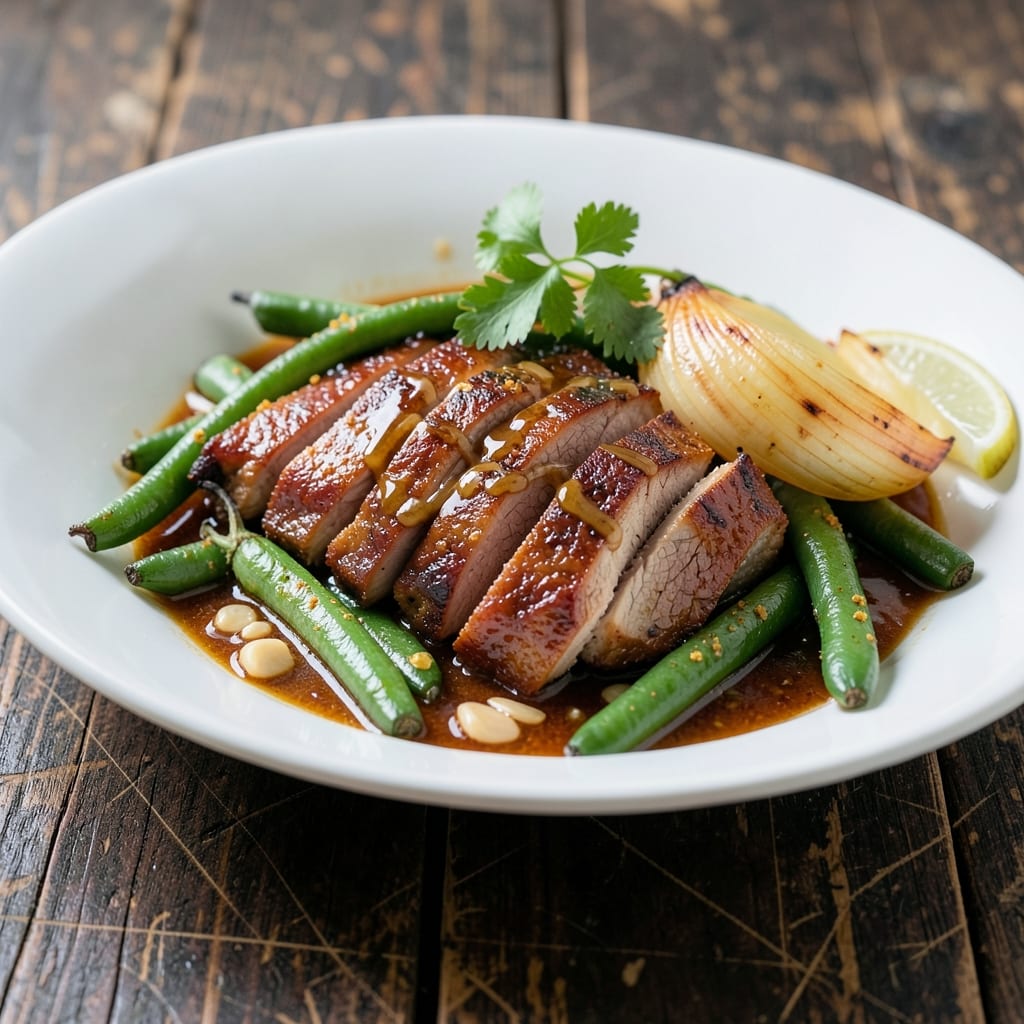
This adobo sitaw with pork recipe brings the soulful flavors of Filipino home cooking to your table—where tender pork shoulder and crisp-tender string beans simmer in a soy-vinegar sauce until the aromas fill your kitchen. 🌟 As someone who's spent years perfecting braised pork techniques, I can tell you the secret lies in balancing the tangy-savory adobo sauce and letting the pork break down just right. The result? A dish that's comforting yet sophisticated, perfect for family dinners or special occasions.
The beauty of this recipe is in its simplicity: a one-pot meal where pork shoulder becomes fork-tender while string beans absorb the rich, caramelized sauce. I've tested this countless times in my kitchen, adjusting the soy-vinegar ratio until I achieved that perfect balance—just enough tang to brighten the dish without overpowering the natural sweetness of the pork. The key is patience; letting it simmer low and slow transforms tough cuts into melt-in-your-mouth perfection.
What you'll end up with is a restaurant-quality Filipino classic—golden-brown pork slices, vibrant green string beans, and a glossy sauce that clings to every bite. The aroma alone will have everyone gathering at the table, and the flavors? Pure comfort food at its finest. This dish pairs beautifully with steamed jasmine rice, soaking up every last drop of that flavorful sauce.
Whether you're making it for a weeknight dinner or a special gathering, this recipe delivers authentic Filipino flavors without the fuss. The best part? It tastes even better the next day, making it ideal for meal prep. Let's get cooking—your taste buds won't be disappointed.
Ingredients for adobo sitaw with pork
Sixteen ingredients for a Filipino classic that tastes like home-cooked love in every bite.
| Ingredient | Amount | Notes |
|---|---|---|
| Pork Shoulder 🍖 | 3 lb | Bone-in for flavor, cut into 2-inch chunks |
| Green String Beans 🥦 | 2 lb | Trimmed, cut into 3-inch pieces |
| Yellow Onions 🧅 | 2 whole | Thinly sliced, about 2 cups total |
| Garlic Cloves 🧄 | 8 cloves | Minced, about 2 tbsp total |
| Coconut Aminos 🥢 | ½ cup | Or substitute soy sauce (less coconut flavor) |
| White Vinegar 💧 | ½ cup | White or cane vinegar preferred |
| Brown Sugar 🍯 | ¼ cup | Packed, light or dark variety |
| Bay Leaves 🌿 | 2 whole | Dried, standard size |
| Black Peppercorns 🌶️ | 1 tsp | Crushed, not ground |
| Fresh Ginger 🧡 | 2 tbsp | Grated, about 1 oz total |
| Vegetable Oil 🫒 | 2 tbsp | For searing pork |
| Salt 🧂 | 1 ½ tsp | Kosher or sea salt |
| Water 💧 | 1 ½ cups | For deglazing |
The pork shoulder is non-negotiable here—bone-in for maximum flavor, and 3 lbs feeds a hungry crowd. Look for well-marbled cuts at Filipino markets or the butcher counter, where they often carry pork shoulder specifically for adobo. Costco has great prices if you're doing a big batch, but ask for it cut into 2-inch chunks—this ensures even cooking. The string beans should be bright green and crisp; Trader Joe's carries perfect ones year-round. For the onions, yellow gives the best caramelization, but red works too if you want color. The garlic? Freshly minced is a must—no jarred shortcuts here.
No coconut aminos? Soy sauce plus 1 tsp sugar gets you close, though you'll lose that subtle coconut depth. Vinegar substitutes? Apple cider vinegar works, but white vinegar's sharpness is traditional. Brown sugar can be swapped for white sugar plus 1 tsp molasses if that's what you have. The bay leaves might seem small, but they're essential—dried is fine, but fresh adds a floral note if you're feeling fancy. For the ginger, peeled and grated is ideal, but powdered works in a pinch (use half the amount). The peppercorns should be crushed, not ground—this keeps the texture interesting.
This dish tastes even better the next day, so make extra—it reheats beautifully. Store in the fridge for up to 5 days or freeze for 3 months. For freezing, portion into containers with sauce—just reheat with a splash of water. The pork gets more tender with time, so don't rush it. If you're prepping ahead, par-cook the pork (30 minutes in the braise), then finish later. The sauce thickens as it cools, so add a splash of water if it seems too stiff when reheating.
Why You'll Love This Recipe
- One-Pot Magic: I swear by this recipe when I’m too tired to wash pots. Toss everything—pork, beans, onions, garlic—into one pan, and the coconut aminos do all the work. The pork practically falls apart on its own, and the sitaw stays crisp without fuss.
- Umami Bomb: That first bite? The garlic and coconut aminos create this deep, savory punch that sticks with you. It’s not just salty—it’s layered, with the pork’s richness cutting through the beans’ slight bitterness. Honestly, I’ve made adobo a dozen ways, but this one’s my favorite.
- Lunchbox Hero: Between us, this is my go-to for meal prep. The flavors only get better after a day in the fridge, and it reheats like a dream. Pack it in containers for work or school—no sad, soggy leftovers here.
- Budget Win: Pork shoulder is cheap, and the rest of the ingredients? Pantry staples. I’ve fed four people for under $15, and we always go back for seconds. Plus, the leftovers stretch into stir-fries or rice bowls for days. Not the prettiest, but the taste makes up for it.
Step-by-step instructions for adobo sitaw with pork
This braised pork and string bean dish delivers deep umami flavors through precise layering—here's how to nail it every time.
🔥 Step 1: Sear the Pork Shoulder for Maximum Flavor
Heat the 2 tablespoons vegetable oil in a heavy Dutch oven over medium-high heat until shimmering. Pat the 3 lb pork shoulder dry with paper towels—this ensures a proper sear. Working in batches if needed, add the pork chunks and sear for 4-5 minutes per side until deeply golden brown with crispy edges. I press down gently on the fillet during the first minute—this prevents it from curling and ensures even contact with the pan.
As the pork browns, you'll smell the fat rendering and see those beautiful Maillard reactions happening. Remove the pork to a plate and set aside. The browned bits sticking to the bottom will become the flavor foundation for your sauce, so don't scrape them out yet. Here's the thing—if your pan isn't hot enough, the pork will steam instead of sear, resulting in pale, bland meat.
👨🍳 Step 2: Build the Flavor Base with Aromatics
In the same Dutch oven, add the 2 whole yellow onions (thinly sliced) and cook over medium heat for 5-6 minutes until softened and beginning to caramelize. Add the 8 cloves garlic (minced) and 2 tablespoons fresh ginger (grated), cooking for another 1-2 minutes until fragrant—you should smell that pungent, fresh aroma that signals they're ready.
Stir in the 1 teaspoon crushed black peppercorns and 2 whole bay leaves, toasting for 30 seconds until the spices release their essential oils. This step develops the aromatic backbone of your dish. Now pour in the 0.5 cup white vinegar and 0.5 cup coconut aminos, scraping up all those browned bits from the bottom with a wooden spoon. This deglazing step captures all that concentrated flavor that would otherwise go down the drain.
🥘 Step 3: Simmer the Pork and Vegetables
Return the seared pork to the pot. Add the 2 lb green string beans (trimmed and cut into 3-inch pieces), 0.25 cup packed brown sugar, 1.5 teaspoons salt, and 1.5 cups water. Bring everything to a gentle boil, then immediately reduce heat to low and cover partially with a lid. Here's where it gets fun—let it simmer for 1 hour 30 minutes, stirring occasionally, until the pork is fork-tender and the sauce has thickened to a glossy consistency.
Real talk: Don't skip stirring occasionally. The pork should be submerged in the sauce, and you want that sauce to cling to every surface of the meat. If the liquid reduces too quickly, add ¼ cup water at a time to maintain the proper braising liquid level. The beans should be tender-crisp, not mushy—this takes about 20-25 minutes of the total cooking time.
⏰ Step 4: Finish with Perfect Texture
Once the pork is fork-tender (a knife should slide in easily), remove it from the pot and set aside. Strain the cooking liquid through a fine-mesh sieve into a clean saucepan, pressing on the solids to extract all the flavor. Return the strained liquid to the Dutch oven and simmer over medium heat for 5-7 minutes until it thickens slightly and coats the back of a spoon.
Return the pork to the pot and let it absorb the reduced sauce for 2-3 minutes. The beans should now be perfectly tender with just a slight bite. Taste and adjust seasoning—you might need a touch more salt or a splash of vinegar if the flavors need balancing. This is the moment that matters: the sauce should be sticky, glossy, and perfectly balanced between sweet, sour, and savory.
Pro Tips For Making Adobo Sitaw With Pork
- SEAR THE PORK FIRST: Toss that pork shoulder in a screaming-hot pan with oil until it’s deep brown in spots—this isn’t just for flavor, it’s what locks in moisture later. I used to skip this, and my pork would turn out dry no matter how long I braised it. Two minutes per side, no rush—just let it get that crust. ---
- TRIM THE BEANS RIGHT: Snap those string beans at the stem end, not the tip—where the dirt hides. I learned this after serving a dish with gritty beans twice. Rinse them in cold water, then shake dry before adding to the pot; wet beans steam instead of caramelizing. ---
- DON’T BOIL THE ADOBO: Simmer the coconut aminos and aromatics on low heat until the onions turn translucent but don’t color. After burning two batches of garlic, I realized high heat turns it bitter. Keep it at a gentle bubble—this sauce is about depth, not speed. ---
- ADD BEANS LATE: Toss the string beans into the pot only in the last 5–7 minutes, or they’ll turn mushy. I was skeptical until I tried it—now I swear by it. They’ll stay crisp-tender while the pork finishes melting in the sauce. (Yes, even if you’re impatient like me.)
Troubleshooting this recipe
Pork Too Tough
If your pork isn't tender after 1 hour 30 minutes, you likely didn't cook it long enough or used the wrong cut. Pork shoulder needs low and slow cooking—aim for 203°F internal temperature for perfect tenderness. I've found that bone-in cuts from heritage pigs (like my Gloucestershire Old Spots) stay juicier longer. If you're short on time, try par-cooking the pork in the oven at 300°F for 1 hour before finishing in the braise. 🔥
Sauce Too Thin
An overly thin sauce usually means you didn't reduce it enough or added too much liquid. After removing the pork, strain the cooking liquid and simmer it uncovered for 5-7 minutes to thicken. For extra richness, mash 1-2 cloves garlic into the sauce at the end—this adds body. If it's still too thin, mix 1 tablespoon cornstarch with 2 tablespoons water and stir it in at the end. Pro tip: Simmering with the lid slightly ajar helps evaporate excess moisture.
String Beans Mushy
Overcooked string beans lose their crisp-tender texture, which happens when they simmer too long. Add the beans only 20-25 minutes before the pork is done, or they'll turn to mush. For extra flavor, blanch them in boiling water for 2 minutes before adding to the braise. If they're already too soft, try this: Remove the beans, slice them into 1-inch pieces, and quickly stir-fry in a hot pan with 1 tbsp butter for 2 minutes to restore some bite. 🥦
Vinegar Overpowering
The sharpness of vinegar can dominate if the sauce isn't balanced. To fix this, add 1-2 tablespoons brown sugar to sweeten the acidity or a splash of coconut milk (about ¼ cup) to mellow the flavors. I often adjust the ratio in future batches—try ¼ cup vinegar to ½ cup coconut aminos for a milder taste. For immediate balance, stir in 1 teaspoon fish sauce (Filipino kitchens swear by this trick) to add umami depth without overpowering the vinegar.
Burnt Onions
Onions burn easily when caramelizing, especially if you walk away from the stove. Keep heat at medium and stir frequently—this takes 5-6 minutes, not 10. For deeper color without burning, add 1 tablespoon water to the pan and cover for 1 minute to steam them slightly. If they're already burnt, remove them and start fresh with a new batch of onions. The flavor won't be ruined, but the dish will taste more balanced. 🧅
Fridge Storage Issues
If your adobo sitaw tastes bland after refrigerating, it's likely because the flavors need time to meld. Let it sit at room temperature for 30 minutes before reheating—this helps the aromas develop. For reheating, use a heavy-bottomed pot on low heat and add 2-3 tablespoons water to prevent drying. If the sauce separates, stir in 1 teaspoon soy sauce to help emulsify it. Store in an airtight container with the sauce covering the pork to prevent drying. This dish actually improves overnight, so don't rush it! ❄️
Nutrition facts
Frequently asked questions
Can I substitute regular soy sauce for coconut aminos?
The recipe calls for coconut aminos because they provide that authentic Filipino depth, but you can substitute soy sauce in a pinch. Use ½ cup soy sauce plus 1 teaspoon sugar to mimic the slight sweetness of coconut aminos. Just know the flavor will be slightly less complex without the coconut undertones.
What's the best cut of pork for this dish?
Pork shoulder is ideal because it stays juicy and tender when braised. For best results, use a bone-in cut (like pork butt) as the bone adds extra flavor. If you can't find pork shoulder, pork loin works too, but it's leaner and may dry out faster—reduce cooking time by 15-20 minutes.
How do I know when the pork is fully cooked?
The pork is done when it reaches an internal temperature of 203°F and is fork-tender. For the most accurate reading, use a meat thermometer inserted into the thickest part of the meat. If you don't have one, cut into a piece—it should separate easily with minimal resistance.
Can I make this recipe in a slow cooker?
Sear the pork first, then transfer everything to a 6-quart slow cooker. Cook on low for 8 hours or high for 4-5 hours. The beans will be tender, but you may want to add them only in the last 30 minutes to prevent mushiness. The sauce will be thinner, so reduce it on the stovetop afterward.
What sides pair best with this dish?
This rich, savory dish pairs beautifully with steamed jasmine rice to soak up the sauce. For a lighter option, try a simple green salad with a citrus vinaigrette or garlic sautéed spinach. If you're serving it as a main course, consider adding Filipino-style garlic fried rice on the side.