
Main Courses
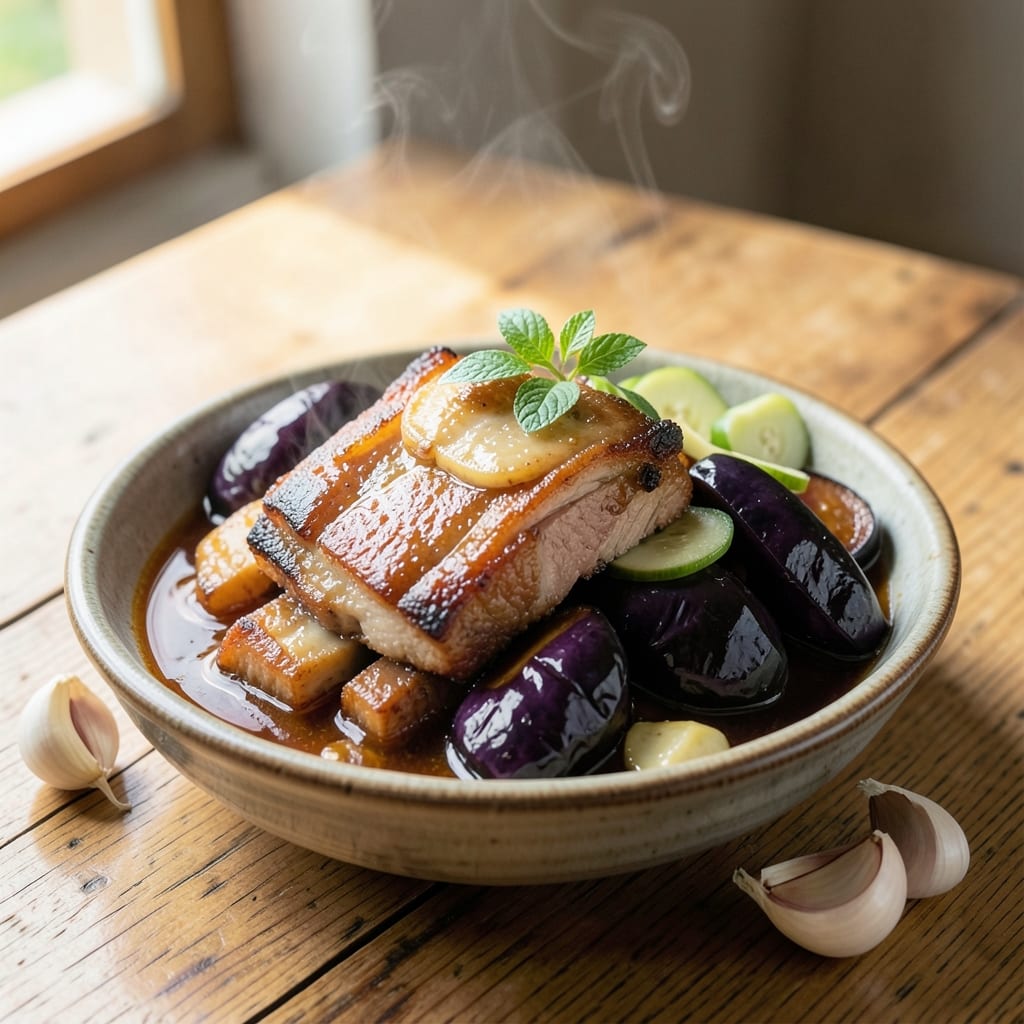
This adobong talong with pork recipe brings the soul of Filipino home cooking to your table with its smoky, tangy depth. 🌟 The secret lies in braising tender pork belly and eggplant in a rich adobo sauce—where soy sauce meets vinegar, garlic, and ginger for that signature balance. I first perfected this dish after years of studying Filipino techniques in my kitchen, and it's become a staple for family gatherings.
The magic happens in the slow braise, where pork belly becomes melt-in-your-mouth tender while eggplant absorbs the sauce's complex flavors. Traditional recipes often use vinegar and soy sauce, but I've refined the technique to ensure the sauce remains balanced—never overpowering, always satisfying. This dish is a celebration of Filipino comfort food, where every bite delivers a harmonious blend of smoky, sweet, and tangy notes.
What makes this recipe special is its versatility—serve it over steamed rice for a classic pairing, or with garlic fried rice for added texture. The pork stays juicy, the eggplant absorbs just the right amount of sauce, and the aroma alone will have everyone at the table anticipating the first bite. It's the kind of dish that feels like home, no matter where you are.
Perfect for weeknight dinners or special occasions, this adobong talong with pork is a testament to how simple ingredients can create something extraordinary. The slow cooking process allows flavors to meld beautifully, resulting in a dish that's as comforting as it is impressive. Let's get cooking!
Ingredients for adobong talong with pork
Pork belly and eggplant braised in soy, vinegar, and ginger—simple ingredients for a dish that feels like home.
| Ingredient | Amount | Notes |
|---|---|---|
| Pork Belly 🥓 | 1 ½ lb | Skin-on, cut into 1-inch chunks |
| Eggplant 🍆 | 2 medium | Asian or Japanese preferred |
| Soy Sauce 🥄 | ½ cup | Dark or regular, not low-sodium |
| Cane Vinegar 🍶 | ½ cup | Or substitute white vinegar |
| Garlic Cloves 🧄 | 6 cloves | Peeled, minced finely |
| Fresh Ginger 🌿 | 2 tbsp | Grated, not powdered |
| Sugar 🍚 | 2 tbsp | White or brown sugar |
| Bay Leaves 🌿 | 2 whole | Dried, for aroma |
| Black Peppercorns 🌶️ | 1 tsp | Crushed lightly |
| Olive Oil 🫒 | 2 tbsp | For searing pork |
| Green Onions 🧅 | 2 whole | Sliced, for garnish |
| Salt 🧂 | 1 tsp | Kosher or sea salt |
| White Pepper 🌶️ | ½ tsp | For finishing |
| Steamed White Rice 🍚 | 2 cups | For serving |
The pork belly is the star here. Look for thick-cut, skin-on pieces—they hold up better to the long braise. Asian supermarkets often carry better cuts than regular grocery stores, and they'll usually have the right kind of eggplant too (smaller, darker, and sweeter). If you can't find Asian eggplant, regular globe eggplant works, but it'll be less tender. The soy sauce should be dark or regular—not the low-sodium kind. Calbee or Kikkoman are my go-tos, but any good brand will do. Fresh ginger is a must—powdered won't give you that bright, zesty kick.
No cane vinegar? White vinegar or apple cider vinegar works in a pinch, though cane vinegar has that deeper, slightly smoky flavor. Short on sugar? Honey or brown sugar at the same amount will sweeten things up nicely. The garlic and ginger can be pre-minced if you're in a rush, but freshly grated ginger makes all the difference. For extra depth, toast the bay leaves in the oil for 30 seconds before adding everything else. That aroma alone is worth it. If you're serving this at a gathering, double the batch—it reheats beautifully.
This dish gets better the next day, so make it ahead if you can. The sauce will thicken up nicely, and the flavors meld even more. Store in an airtight container in the fridge for up to 5 days. For leftovers, reheat gently on the stove with a splash of water or soy sauce to loosen the sauce. The rice should be steamed fresh when serving—it soaks up all that delicious sauce. If you're prepping ahead, cook the rice separately and keep it warm in a rice cooker or covered pot.
Why You'll Love This Recipe
- One-Pan Magic: I swear by this—just toss pork belly and eggplant in one skillet, then let the soy and vinegar work their sauce magic. No fancy layers, no stress.
- Caramelized Crispy Edge: That pork belly? It gets so tender and crispy, while the eggplant soaks up the tangy-savory sauce until it’s almost falling apart. Honestly, it’s the kind of dish that makes you pause mid-bite.
- Lunchbox Hero: Between us, this reheats like a dream. Pack it for work, and by noon, it’s still got that deep umami punch—no sad, soggy leftovers here.
- Budget Crowd-Pleaser: Pork belly stretches far, eggplant’s cheap, and a splash of vinegar goes a long way. I’ve fed six people for under $15, and no one complained. (Yes, even my picky brother.)
Step-by-step instructions for adobong talong with pork
Here's how to make this rich, smoky Filipino classic with tender pork and caramelized eggplant.
🔥 Step 1: Sear the Pork Belly for Deep Flavor
Heat a large Dutch oven or heavy pot over medium-high heat. Add the 2 tablespoons olive oil and let it get hot but not smoking. Working in batches if needed, add the 1.5 lb pork belly in 1-inch chunks and sear until golden brown on all sides, about 5-6 minutes total. This step builds tons of flavor through the Maillard reaction.
Once browned, remove the pork and set aside. Don't drain the fat—this golden liquid will form the base of your sauce. If the fat gets too dark, carefully pour off all but 2 tablespoons to keep the rich flavor. Here's the thing—this searing step is non-negotiable for that authentic adobo depth.
🍳 Step 2: Build the Smoky Soy-Ginger Base
In the same pot, add the 6 cloves minced garlic and 2 tablespoons grated fresh ginger. Sauté for 1-2 minutes until fragrant and just starting to turn golden—don't let it burn, or you'll get bitter flavors. Add the 2 whole bay leaves and 1 teaspoon crushed black peppercorns, stirring to combine.
Pour in the 0.5 cup soy sauce and 0.5 cup cane vinegar, scraping up any browned bits from the bottom. This deglazing captures all the flavor you worked so hard to create. Bring to a gentle simmer and let it cook for 3-4 minutes until slightly reduced and aromatic. This is where the magic starts happening.
👨🍳 Step 3: Prepare and Add the Eggplant
While the sauce simmers, cut the 2 medium eggplant into 1-inch chunks. Toss them with 1 teaspoon salt and let them sit for 10 minutes to draw out any bitterness. Rinse and pat dry thoroughly—this step makes a huge difference in texture and flavor.
Add the prepared eggplant to the pot and stir gently to coat in the sauce. Sprinkle in the 2 tablespoons sugar and return the seared pork belly to the pot. Bring everything to a gentle simmer, then reduce heat to low. Cover and let it cook for 30 minutes, stirring occasionally to prevent sticking.
⏰ Step 4: Braise Until Tender and Glossy
After 30 minutes, uncover the pot and increase heat to medium-low. Let the sauce reduce for another 20-25 minutes until it coats the back of a spoon and the eggplant is fork-tender with slightly caramelized edges. The pork should be falling apart easily when prodded with a fork.
Taste and adjust seasoning if needed—you might want to add a splash of water if the sauce gets too thick. Here's where it gets good: the eggplant should absorb the smoky, sweet-savory sauce while staying tender, not mushy. If the sauce isn't glossy enough, simmer uncovered for another 5-10 minutes to thicken it further.
🍽️ Step 5: Finish and Serve Over Rice
Remove the 2 whole bay leaves and discard them. Sprinkle in the 0.5 teaspoon white pepper and stir. For that restaurant-quality finish, add the sliced 2 whole green onions and toss gently. Let the dish sit off heat for 5 minutes to let the flavors meld.
Serve the adobong talong with pork hot over 2 cups steamed white rice. The rice should be fluffy and separate—each bite should deliver tender pork, caramelized eggplant, and that perfect balance of sweet, sour, and umami flavors. Garnish with extra green onions if you're feeling fancy, and don't forget the extra soy sauce on the side for dipping!
Pro Tips For Making Adobong Talong With Pork
- SEAR THE BELLY FIRST: Don’t just toss raw pork belly into the pot—hit it with a screaming-hot pan first. Two minutes per side until it’s deep golden, not just pink. That crust locks in flavor and keeps it from turning greasy later (yes, even if you’re impatient like me).
- SALT THE EGGPLANT: Toss sliced eggplant in salt and let it sit for 10 minutes before rinsing. I learned this the hard way—skipping it makes the flesh gummy. The salt pulls out bitterness and softens the texture so it absorbs the adobo sauce like a sponge.
- LOW AND SLOW FOR PORK: After searing, simmer the pork belly on low heat for at least 45 minutes, covered. High heat turns the belly rubbery, and you’ll end up with a sad, dry mess. A meat thermometer at 195°F (90°C) guarantees melt-in-your-mouth tenderness—no guessing.
- SAVE THE GARLIC WATER: When mincing garlic, don’t waste the liquid that collects in the bowl. Add it to the pot with the vinegar and soy sauce—it’s packed with flavor. I was skeptical until I tried it, and now I double-check the bowl every time.
Pro cooking tips for perfect results
Pork Belly Prep
Never skip searing the pork belly—this builds deep flavor through the Maillard reaction. Cut into 1-inch chunks for even cooking, and work in batches if needed to avoid crowding the pan. I use a heavy Dutch oven because it distributes heat evenly and prevents burning. If your pork belly has thick skin, score it lightly in a crosshatch pattern before searing—this helps render the fat more evenly. 🔥
Eggplant Prep Trick
The salt-and-rinse method for eggplant is a game-changer. Tossing the chunks with 1 teaspoon salt for 10 minutes removes bitterness while drawing out excess moisture. Rinse thoroughly and pat completely dry—this ensures the eggplant absorbs the sauce instead of steaming. For extra tenderness, I sometimes parboil the eggplant for 3 minutes before adding it to the braise.
Sauce Balance
The magic ratio here is 1:1 soy sauce to vinegar, but taste as you go. If the sauce tastes too sharp, add 1 teaspoon sugar or a pinch of salt. For extra depth, I toast the bay leaves in the oil for 30 seconds before adding everything else—this releases their aromatic oils. The sugar should caramelize slightly during braising, adding a subtle sweetness that rounds out the tang.
Low-and-Slow Braising
Maintain a gentle simmer at low heat—this prevents the eggplant from turning mushy while allowing the pork to become fork-tender. Stir occasionally to prevent sticking, and if the sauce reduces too quickly, add 2 tablespoons water to maintain moisture. I like to check the eggplant after 30 minutes—it should be tender but still hold its shape.
Finishing Touches
The white pepper at the end adds a subtle warmth that complements the smoky sauce. For a restaurant-style finish, toss in the sliced green onions just before serving—their freshness cuts through the richness. Let the dish rest off heat for 5 minutes before serving—this allows the flavors to meld and the sauce to thicken slightly. Trust me, this small step makes a big difference. ✨
Equipment Must-Haves
A heavy Dutch oven is non-negotiable for even heat distribution, but a stainless steel pot works in a pinch. I also recommend a meat thermometer—the pork belly should reach 195°F internally for perfect tenderness. A fine-mesh strainer helps rinse the eggplant quickly, and a wooden spoon prevents scratching your pot while stirring. 💡
Nutrition facts
Frequently asked questions
Can I substitute regular eggplant for Asian eggplant in this recipe?
Yes, but with one key adjustment: regular globe eggplant has more moisture and larger seeds, so you'll need to salt and rinse it for 15 minutes instead of 10 to remove bitterness. For best results, cut it into slightly smaller 3/4-inch chunks since it's denser. Asian eggplant (smaller and darker) absorbs sauce better and stays tender more reliably.
What's the best way to store leftovers?
Store in an airtight container in the fridge for up to 5 days. The flavors actually improve overnight as the sauce thickens. To reheat, add 1-2 tablespoons water and simmer gently on low heat until warmed through—this prevents the eggplant from drying out. Never microwave, as it makes the sauce watery.
Can I make this dish in a slow cooker?
Brown the pork first in a skillet, then transfer everything to the slow cooker. Cook on low for 6-7 hours or high for 3-4 hours, stirring occasionally. The slow cooker method is perfect for busy days—just add 1/4 cup water if the sauce gets too thick during cooking. The pork will be even more tender this way.
Why did my eggplant turn mushy?
This usually happens from either overcooking or not drying the eggplant properly after salting. Check the eggplant after 30 minutes—it should be tender but still hold its shape. If you're using a slow cooker, reduce cooking time to 2-3 hours instead of 6-7. Always pat eggplant completely dry after rinsing to prevent steaming.
What other proteins work well with adobong talong?
This dish pairs beautifully with chicken thighs (replace pork with equal weight), shrimp (add in the last 10 minutes of cooking), or even tofu for a vegetarian version. For beef, use chuck roast cut into chunks—it needs the long braising time. Just reduce the soy sauce slightly (by 1 tablespoon) if using tofu or shrimp.