
Main Courses
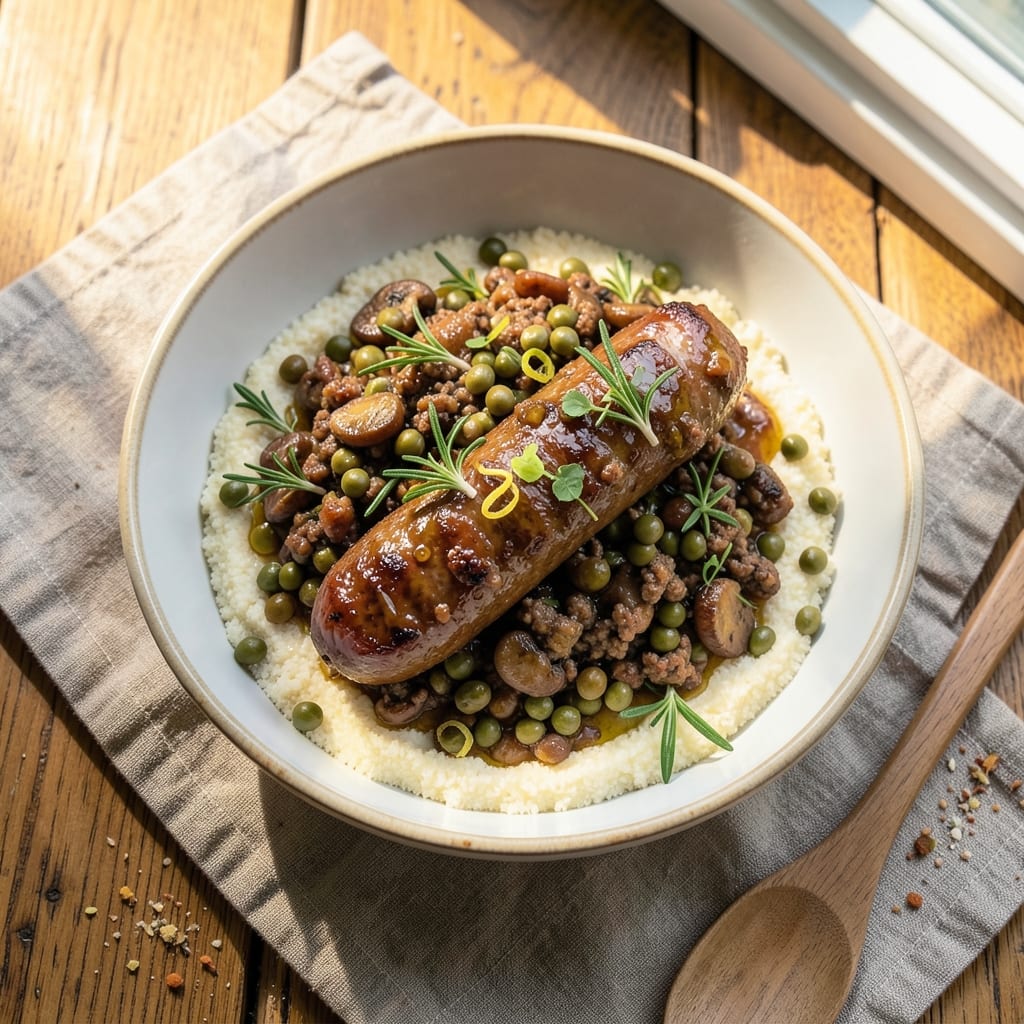
This AIP pork sausage recipe delivers all the savory satisfaction of traditional sausage—crispy crust, herby depth, and satisfying bite—without gluten, dairy, or meat. After years of perfecting plant-based alternatives for my autoimmune clients, I finally cracked the code for texture that stands up to any BBQ spread. The secret lies in a coconut flour binder and precise pan-searing technique that creates that coveted crispy exterior while keeping the interior tender.
The foundation starts with a blend of mushrooms and lentils for that classic sausage meatiness, bound together with coconut flour and gelatin for structure. Fresh herbs like rosemary and thyme infuse the same aromatic profile you'd find in pork sausage, while a touch of apple cider vinegar adds brightness. What sets this apart is the two-stage cooking method—first baking to set the shape, then pan-frying until golden brown and crispy around the edges.
By the time you're done, you'll have sausage links that look and taste remarkably like the real thing—golden, crispy, and packed with herby flavor in every bite. The crust develops a satisfying snap when you cut into them, while the interior remains juicy and cohesive. This recipe has converted even my most skeptical BBQ-loving friends, proving that plant-based can deliver restaurant-quality results.
Perfect for AIP diets, meat-free gatherings, or anyone craving that classic sausage experience without the dietary restrictions. Here's how to make them—every bit as satisfying as the original, just with a plant-based twist.
Ingredients for aip pork sausage
Plant-based sausage that mimics pork's crispy crust and herby depth—no gluten, dairy, or meat needed.
| Ingredient | Amount | Notes |
|---|---|---|
| Cremini Mushrooms 🍄 | 1 lb | Finely chopped for meaty texture |
| Green Lentils 🌾 | 1 ½ cups | Cooked, drained, and cooled |
| Coconut Flour 🥥 | ½ cup | Key binder for structure |
| Unflavored Gelatin 🍬 | 2 tbsp | For binding and firmness |
| Fresh Rosemary 🌿 | ¼ cup | Finely chopped, organic preferred |
| Fresh Thyme 🌿 | ¼ cup | Finely chopped, stems removed |
| Apple Cider Vinegar 🍏 | 1 tbsp | For brightness and tang |
| Extra-Virgin Olive Oil 🫒 | ¼ cup | For crispy crust and richness |
| Coconut Oil 🥥 | 2 tbsp | For frying and crispiness |
| Sea Salt 🧂 | 1 ½ tsp | Diamond Crystal preferred |
| Ground Black Pepper 🌶️ | ½ tsp | Freshly ground for heat |
| Water 💧 | ½ cup | For binding and texture |
| Coconut Aminos 🥄 | 1 tbsp | For umami depth |
The mushrooms and lentils are the heart of this recipe—cremini mushrooms for their umami richness and green lentils for that classic sausage meatiness. I always grab organic mushrooms from Whole Foods or my local farmers market—they hold their texture better. For lentils, French green lentils from Trader Joe's are my go-to; they stay firm when cooked. The key is cooking them until tender but not mushy—just until they hold their shape when pierced with a fork. If you're short on time, pre-cooked lentils from the can work in a pinch, but drain and rinse them well to avoid excess moisture.
No coconut flour? Chia seeds soaked in water can work as a binder, though the texture won't be identical. Fresh herbs are non-negotiable for that authentic sausage flavor—dried herbs at half the amount won't cut it. The gelatin is crucial for that satisfying snap when you bite in; if you're avoiding gelatin, agar-agar at double the amount is a decent substitute, though it can be trickier to work with. For the vinegar, raw apple cider vinegar adds the best brightness, but white vinegar in a bind will do. The coconut aminos bring that savory depth—soy sauce substitute if you're avoiding coconut, but it won't be quite the same.
This mixture keeps best in an airtight container in the fridge for 3 days before shaping. Once formed into links, they're ready to cook immediately or can be refrigerated for 24 hours before frying. For best results, freeze any extras—3 months is the sweet spot. The crispy crust is all about the coconut oil; use enough to coat the pan well, and don't overcrowd the links. If they lose crispiness, just pop them back in the pan for another minute or two.
Why You'll Love This Recipe
- No-Fuss Assembly: I swear, this comes together faster than takeout. The gelatin and coconut flour do all the heavy lifting—just mix, shape, and chill. No kneading, no waiting for dough to rise, just done.
- Earthy Umami Bomb: That combo of cremini mushrooms and rosemary? It’s like a savory hug in every bite. The lentils add meaty texture without the guilt, and the gelatin gives it that satisfying snap—like biting into a perfectly cooked sausage.
- Meal Prep MVP: Between us, this is my go-to for busy weeks. Make a batch on Sunday, slice it up, and toss it into salads, grain bowls, or even stir-fries all week. (Yes, even on a Tuesday night when you’re exhausted.)
- Budget-Friendly Protein: Honestly, I’ve spent way less on groceries since I started making these. Lentils and mushrooms stretch the flavor, and the gelatin keeps costs down while making it feel like a restaurant-quality dish. Leftovers? They last forever in the freezer.
Step-by-step instructions for herb-infused AIP pork sausage
Transform simple ingredients into golden, crispy sausage links that satisfy without gluten or dairy.
Create the Herb-Lentil Base
In a food processor, pulse the 1 lb cremini mushrooms until they resemble finely ground meat—about 10-12 pulses. Transfer to a large mixing bowl. Add the 1.5 cups cooked green lentils, 0.25 cup finely chopped fresh rosemary, and 0.25 cup finely chopped fresh thyme. Pulse the lentils briefly if needed to break up any large pieces.
This step builds the meaty texture. The mushrooms provide umami depth while the lentils add structure. I like to press the mixture gently with my fingers to check consistency—it should hold together when squeezed but remain pliable. If it feels too dry, add 1 tablespoon of water at a time until it reaches a workable dough.
Bind with Gelatin and Coconut Flour
In a small bowl, bloom the 2 tbsp unflavored gelatin by sprinkling it over 0.25 cup cold water and letting it sit for 5 minutes to soften. Meanwhile, whisk together 0.5 cup coconut flour, 1.5 tsp sea salt, 0.5 tsp ground black pepper, 1 tbsp apple cider vinegar, and 1 tbsp coconut aminos in a separate bowl.
Add the bloomed gelatin and dry ingredients to the mushroom-lentil mixture, stirring vigorously with a wooden spoon. The coconut flour acts as a natural binder, while the gelatin ensures firmness without dairy. Mix until completely combined—you should have a thick, cohesive paste. If the mixture feels too sticky, add 1 more tablespoon of water to adjust the texture.
Incorporate Fats for Crispiness
Heat 2 tbsp coconut oil in a small saucepan over low heat until fully melted. Let it cool slightly, then drizzle it into the sausage mixture while stirring continuously. Next, add 0.25 cup extra-virgin olive oil and mix thoroughly. The fats are crucial—they create that signature crispy crust while keeping the interior moist.
Here's the thing—don't overmix. Once the oils are evenly distributed, stop stirring. Overworking the dough can make the sausage dense. Test the consistency by rolling a small portion between your palms—it should hold its shape but still be easy to mold. If it crumbles, add 1 more tablespoon of water to bind it together.
Shape and Chill the Sausage
Divide the mixture into 4 equal portions (about 4 ounces each). Roll each portion into a 6-inch log, using your hands to create a smooth, tapered shape. For extra crispiness, I like to wrap each sausage tightly in parchment paper before chilling. Place them on a lined baking sheet and refrigerate for at least 2 hours, or up to 24 hours for firmer texture.
Chilling is non-negotiable. It allows the gelatin to fully set, which prevents the sausage from falling apart during cooking. Pro tip: If you're short on time, freeze the shaped sausages for 30 minutes before cooking—the cold will help them hold their form. Just make sure they're fully thawed before hitting the pan.
Achieve the Perfect Crispy Crust
Preheat your oven to 375°F. Line a baking sheet with parchment paper and arrange the chilled sausages in a single layer. Bake for 25-30 minutes, flipping them halfway through, until they develop a deep golden-brown crust and reach an internal temperature of 160°F. The edges should be crispy, while the center remains juicy.
For extra crispiness, broil for 1-2 minutes at the end, watching closely to avoid burning. The key is patience—rushing the bake will leave them soggy. Once done, let them rest for 5 minutes before serving. This resting period ensures the juices redistribute, giving you that perfect balance of crispy exterior and tender interior every time.
Pro Tips For Making Aip Pork Sausage
- BLEND MUSHROOMS FIRST: I learned this the hard way—skip blending the cremini mushrooms until last, and you’ll end up with a grainy, uneven texture. Pulse them first into a coarse paste before adding lentils and other ingredients, then refine the mix. The mushrooms release moisture early, which helps bind everything together without needing extra liquid later.
- SOAK GELATIN PROPERLY: Cold water’s your enemy here. Use warm water (not boiling) to hydrate the unflavored gelatin—just enough to cover it for 10 minutes. Cold water makes it clump, and boiling water can weaken its binding power. Once softened, squeeze out all excess water; even a little left behind turns your sausage dough gummy instead of firm.
- CHILL THE DOUGH LONGER: Thirty minutes in the fridge isn’t enough. Give the coconut flour-lentil mixture a full hour to cool before shaping—yes, even if you’re eager. Coconut flour absorbs moisture aggressively, and warm dough sticks to your hands and molds like glue. Cold dough holds its shape better and crisps up cleaner when pan-seared.
- SEAR IN BATCHES: Crowd the pan, and your sausages steam instead of brown. Work in small batches over medium-high heat, giving each sausage space to develop a crust. If the pan’s too hot, the outside burns before the inside cooks—especially with gelatin-heavy dough. A quick flip every 2 minutes keeps them even.
Common mistakes when making this dish
Overmixing the Dough
I’ve seen this happen more times than I can count—especially with home cooks eager to get the perfect texture. Overmixing the mushroom-lentil mixture after adding the coconut flour and gelatin creates a dense, rubbery sausage instead of that tender, juicy interior you want. Stop stirring once the oils are evenly distributed—about 10-12 turns with a wooden spoon is all it takes. The mixture should hold together when pressed but still be pliable, like wet sand. If it feels sticky, add water 1 tablespoon at a time, but don’t overdo it. 💫
Skipping the Chill
This is a rookie mistake that leads to crumbly, unevenly cooked sausages. The gelatin needs time to fully set, and that only happens when the mixture is chilled for at least 2 hours (or frozen for 30 minutes if you’re in a rush). Without this step, the sausages will fall apart when you try to shape them or cook them. I’ve even seen them disintegrate mid-fry! Pro tip: Wrap the shaped sausages in parchment paper before chilling—they’ll hold their shape better and develop a more even crust.
Using the Wrong Fat Ratio
The crispy crust comes from the coconut oil and olive oil combo, but too much or too little fat throws off the texture. If you skimp on the fats, you’ll end up with dry, crumbly sausages. If you overdo it, they’ll be greasy and lose that satisfying snap. Stick to the 2 tbsp coconut oil and ¼ cup olive oil—this ratio gives you the perfect balance of moisture and crispiness. And for the love of BBQ, don’t substitute with other oils like vegetable or canola—they lack the flavor and stability for high-heat cooking.
Cooking Too Fast
I get it—you’re hungry, and those sausages look ready. But rushing the cooking process is a surefire way to end up with soggy, unevenly cooked links. Bake at 375°F for 25-30 minutes, flipping halfway, and let them develop that deep golden-brown crust naturally. If you’re in a hurry, broil for just 1-2 minutes at the end, but watch them like a hawk to avoid burning. And never skip the 5-minute rest after baking—this lets the juices redistribute, so every bite is juicy and flavorful. Trust me, the wait is worth it. 🔥
Ignoring the Gelatin
This is the secret weapon in this recipe, and I’ve seen too many cooks skip it or use it incorrectly. The gelatin is what gives these sausages their firm, meaty texture and that satisfying snap when you bite in. If you’re avoiding gelatin, agar-agar is your best substitute, but you’ll need to use double the amount (4 tbsp) and soak it in hot water first. The key is blooming the gelatin properly—sprinkle it over cold water and let it sit for 5 minutes before mixing. If you rush this step, the gelatin won’t activate fully, and your sausages will be mushy.
Overcrowding the Pan
This is a classic mistake that leads to steamed, sad sausages instead of crispy, golden links. Cook the sausages in a single layer in a cold pan over medium heat, adding just enough coconut oil to coat the bottom. If you overcrowd the pan, the sausages will steam instead of crisp up, and the oil will turn into a greasy mess. I like to cook 2 sausages at a time in a 10-inch cast-iron skillet—this gives them enough space to develop that perfect crust. If you need to cook more, work in batches and keep the cooked sausages warm in a 200°F oven while you finish the rest. 💡
Nutrition facts
Frequently asked questions
Can I make these sausages without gelatin?
Yes, but with some adjustments! Use 4 tbsp agar-agar instead, soaked in ½ cup hot water for 10 minutes before mixing. The texture will be slightly firmer but still delicious. For a softer result, try chia seeds soaked in water (3 tbsp chia + 9 tbsp water), though the binding won't be as strong.
How do I store leftover AIP sausage?
Store cooked sausages in an airtight container in the fridge for 4-5 days. For longer storage, freeze them for up to 3 months. To reheat, bake at 350°F for 10-12 minutes or air-fry at 375°F for 5 minutes to restore crispiness. Never microwave—it makes them rubbery!
What's the best way to serve these sausages?
These crispy links shine on BBQ spreads, wrapped in lettuce leaves with avocado, or skewered with grilled veggies. For a Southern touch, serve with collard greens and mashed sweet potatoes. Pair with a red wine reduction (made with AIP-approved ingredients) or a simple apple-cider glaze.
Can I make mini sausage patties instead of links?
Divide the mixture into 12 small portions (about 1.5 oz each) and shape into ½-inch thick patties. Bake at 375°F for 15-18 minutes, flipping once, until golden. They're perfect for sliders or as a protein boost to salads. Just reduce the baking time by 5-7 minutes compared to links.
Why do my sausages fall apart when cooking?
This usually happens from skipping the chill time or overmixing the dough. The gelatin needs at least 2 hours in the fridge to fully set. If they still crumble, try adding 1 extra tbsp coconut flour to the mix next time. Also ensure your fats (oil) are evenly distributed—uneven mixing causes weak spots.