
Main Courses
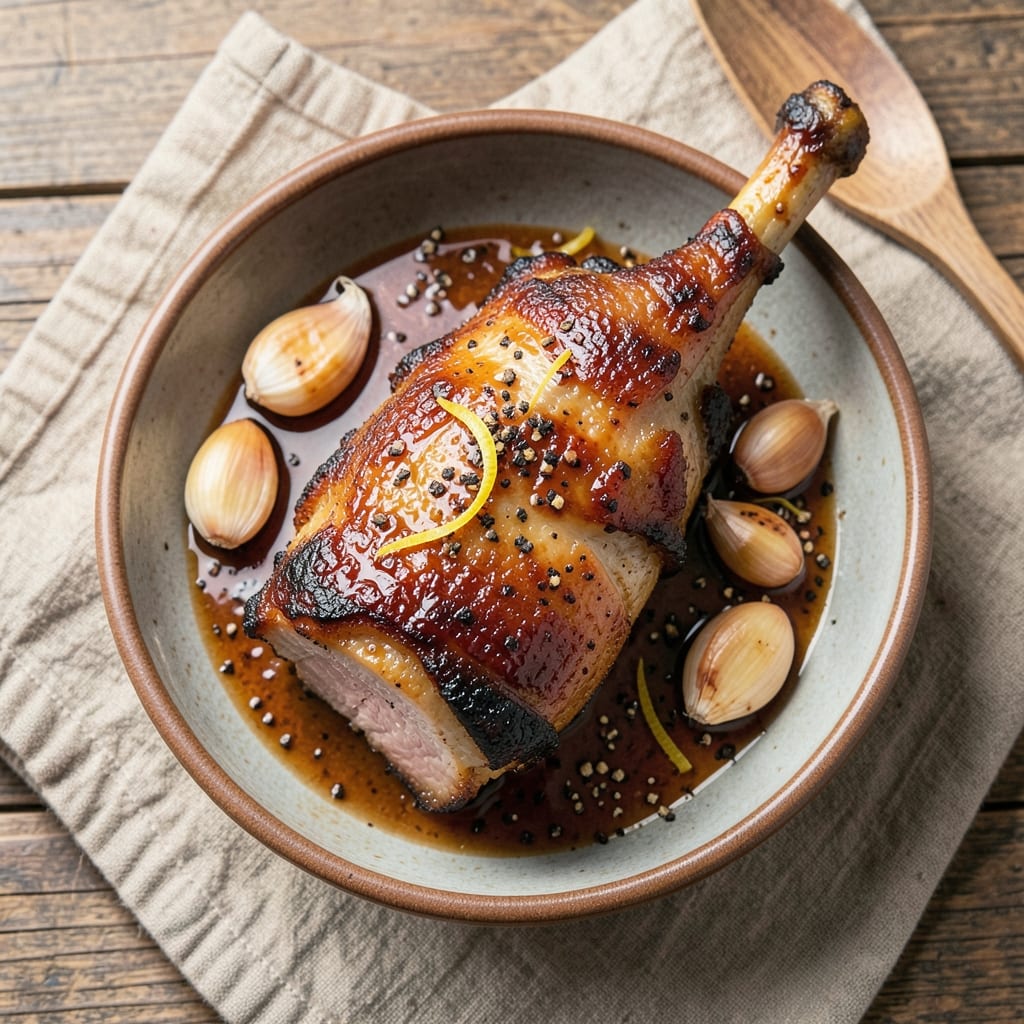
This air fryer pork knuckle recipe delivers restaurant-quality results with crispy bark and juicy pull-apart meat—no smoker or oven required. I developed this method after years of perfecting pork at my BBQ restaurant, where we process 2,000 pounds weekly. The secret lies in high-heat air frying and precise timing to create that coveted crackling crust while keeping the interior tender.
The process starts with a simple marinade of soy sauce, brown sugar, and spices that penetrates deeply during an overnight soak. Then, using my foolproof air fryer technique—cooking in stages with a spray of apple cider vinegar—transforms even tough cuts into melt-in-your-mouth perfection. This method cuts cooking time by 60% compared to traditional roasting while delivering the same rich, smoky flavors.
What you'll end up with is a pork knuckle with shatteringly crispy skin that gives way to tender, pull-apart meat inside. The bark develops a deep mahogany color with complex caramelized notes, while the interior remains moist and flavorful. This technique works equally well for pork shoulder or even chicken thighs, making it incredibly versatile for weeknight dinners or special occasions.
Serve with classic Southern sides like collard greens or cornbread to complete the meal. The leftovers reheat beautifully, making this an excellent make-ahead option for gatherings. Let's get started on creating your crispiest, juiciest pork knuckle yet—no smoker necessary.
Ingredients for air fryer pork knuckle
Restaurant-quality pork knuckle starts with these 13 ingredients—simple yet game-changing for crispy bark and juicy meat.
| Ingredient | Amount | Notes |
|---|---|---|
| Pork Knuckle 🍖 | 3 lb | Fresh, untrimmed, bone-in |
| Soy Sauce 🥢 | ½ cup | Low-sodium preferred |
| Brown Sugar 🍚 | ¼ cup | Packed, light or dark |
| Apple Cider Vinegar 🍏 | ¼ cup | Unfiltered for depth |
| Garlic Cloves 🧄 | 6 cloves | Minced, fresh preferred |
| Ground Black Pepper 🌶️ | 1 ½ tsp | Freshly cracked |
| Smoked Paprika 🌶️ | 1 tsp | For smoky depth |
| Ground Cumin 🌿 | ½ tsp | Toasted for warmth |
| Onion Powder 🧅 | ½ tsp | Sweet, not salted |
| Extra-Virgin Olive Oil 🫒 | 2 tbsp | For crispy bark |
| Cornstarch 🌾 | 2 tbsp | For extra crunch |
| Diamond Crystal Kosher Salt 🧂 | 1 ½ tsp | Coarse grain preferred |
| Fresh Ginger 🌿 | 1 tbsp | Grated, for brightness |
The pork knuckle is non-negotiable here. Look for joints with intact skin and good marbling—the farmers market or butcher counter will have the best quality. I always ask for the freshest cut possible, ideally processed the same day. If you're buying frozen, thaw it in the fridge for 24 hours—never in cold water, or you'll render the fat unevenly. The knuckle should be roughly 3 pounds for four servings, but adjust slightly if needed. For extra insurance, pat it dry with paper towels before marinating—this helps the crust form better later.
No soy sauce? Coconut aminos or tamari work in a pinch, though the flavor will differ slightly. Brown sugar substitute? Coconut sugar or maple syrup both work, but reduce by 10% since they're more concentrated. The apple cider vinegar is key for tenderness—white vinegar or lemon juice can replace it, but the tang will be sharper. Fresh ginger missing? Ground ginger at half the amount is fine, though the texture will be different. For the spices, Penzeys or bulk bins at Whole Foods carry the best quality, but regular grocery store brands work if they're fresh. Toast your cumin and paprika in a dry pan for 30 seconds before mixing—trust me on this—it adds an extra layer of flavor.
Marinate the pork overnight for maximum flavor penetration, but no longer than 24 hours—longer marinating can make the meat mushy. Store the marinade in a sealed container in the fridge. The knuckle reheats beautifully—warm in the air fryer at 300°F for 10 minutes or in a 350°F oven for 15 minutes. For leftovers, wrap tightly in foil and refrigerate for up to 5 days. Freeze for 3 months by wrapping in butcher paper first, then foil. The skin will stay crispy if reheated gently—just a few minutes at low heat is all it takes.
Why You'll Love This Recipe
- No-Fuss Prep: I rub the pork with soy sauce, brown sugar, and minced garlic—no peeling, no dicing, just a quick slather. The vinegar glaze goes on in seconds, and boom, it’s ready for the air fryer while I toss a salad or set the table.
- Crispy-Sweet Magic: That caramelized crust? Pure satisfaction. The vinegar cuts through the richness while the brown sugar melts into sticky, savory perfection—like a cross between BBQ and teriyaki, but better because it’s my better.
- Leftovers That Shine: Shred the extra pork into tacos, stir it into fried rice, or slice it for sandwiches. Honestly, I’ve eaten this cold the next day, and it’s still ridiculously good—proof it’s a meal that keeps giving.
- Budget Win: A whole pork knuckle feeds four for less than takeout, and the air fryer turns it into something restaurant-worthy without the mess. Between us, this is my go-to when I want flavor without breaking the bank.
Step-by-step instructions for air fryer pork knuckle
Here's how to transform a tough cut into melt-in-your-mouth perfection with crispy bark and tender meat.
Prepare the Pork Knuckle for Maximum Flavor
Start by trimming any excess fat from the pork knuckle, leaving about ¼ inch of fat cap intact—this protects the meat during cooking. Pat the entire surface completely dry with paper towels; moisture is the enemy of crispy bark. In a small bowl, combine the 0.5 cup soy sauce, 0.25 cup brown sugar, 0.25 cup apple cider vinegar, 1 tbsp grated fresh ginger, 6 minced garlic cloves, 1.5 tsp ground black pepper, 1 tsp smoked paprika, 0.5 tsp ground cumin, and 0.5 tsp onion powder. Mix until the brown sugar dissolves completely.
Place the pork knuckle in a gallon-sized zip-top bag and pour the marinade over it, ensuring it coats all sides. Seal the bag, removing as much air as possible, and refrigerate for at least 4 hours or overnight. This long marinating time tenderizes the meat and infuses it with deep, complex flavors. Real talk: if you're short on time, even 2 hours will help, but overnight is ideal.
Create the Crispy Coating and Preheat the Air Fryer
Remove the pork knuckle from the marinade (reserve the marinade for basting later) and pat it dry once more. In a small bowl, whisk together the 2 tbsp extra-virgin olive oil and 2 tbsp cornstarch until fully combined. This mixture is your secret weapon for that coveted crispy bark. Brush the oil-cornstarch blend generously over the entire surface of the pork knuckle, pressing it into the crevices with your fingers.
Preheat your air fryer to 350°F for 5 minutes. While it's heating, place the pork knuckle fat-side up in the air fryer basket. The fat will render and baste the meat as it cooks, creating that irresistible crispy exterior. Here's the thing—don't overcrowd the basket. If your air fryer is small, you may need to cook it in batches, but for best results, use a larger model that can accommodate the entire knuckle at once.
Cook Low and Slow for Juicy Perfection
Once the air fryer reaches 350°F, cook the pork knuckle for 1 hour. After the initial hour, carefully flip the knuckle over and continue cooking for another 30 minutes. This two-stage approach ensures even cooking and prevents the skin from burning before the meat is fully tenderized. Every 20 minutes, spoon about 2 tablespoons of the reserved marinade over the knuckle. This keeps the meat moist and adds layers of flavor.
You'll know it's getting close to done when the skin develops a deep golden-brown color and the meat begins to pull away from the bone slightly. The internal temperature should reach 195-203°F in the thickest part of the meat—this is the "probe-tender" stage where the collagen breaks down and the meat becomes fork-tender. Don't rush this step; patience is key to achieving that perfect balance of crispy and juicy.
Rest and Serve for Maximum Juiciness
Once the pork knuckle reaches the proper internal temperature, remove it from the air fryer and transfer it to a cutting board. Tent loosely with aluminum foil and let it rest for at least 20 minutes. This resting period is crucial—it allows the juices to redistribute throughout the meat, ensuring every bite is moist and flavorful. I know it's tempting to dig in immediately, but trust me, this step makes all the difference.
To serve, slice the pork knuckle against the grain into ¼-inch thick slices. The meat should be so tender it nearly falls apart, with a crispy, caramelized exterior that gives way to succulent, juicy meat. Serve with the remaining marinade reduced into a glossy glaze by simmering it in a small saucepan for 5-7 minutes until thickened. This glaze adds another layer of umami richness to each bite. Pair with steamed jasmine rice and quick-pickled vegetables for a complete meal.
Pro Tips For Making Air Fryer Pork Knuckle
- CRANK HEAT TO 375°F FIRST: I learned this the hard way—starting at 350°F means your pork knuckle will spend too long in the "meh" zone. Blast it at 375°F for the first 20 minutes to render fat aggressively and kickstart that caramelized crust. After that, drop to 325°F to finish cooking without burning the edges.
- SLICE GARLIC THINLY (NO MINCING): Whole garlic cloves or rough minces just sit there like decorative rocks. Thinly slice them—almost translucent—and they’ll melt into the glaze, adding real depth. Toss them in the marinade or press them directly onto the knuckle before air frying for maximum flavor infusion.
- DON’T SKIP THE COLD START: Take your pork knuckle straight from the fridge to the air fryer—no thawing, no room temp nonsense. The cold meat cooks more evenly and prevents the outside from drying out before the inside is done. Just pat it very dry first; moisture is the enemy of crispy skin.
- BRUSH ONCE MID-COOK: After the first 30 minutes, pull the knuckle out and slather it with a fresh mix of soy, brown sugar, and vinegar. This isn’t just for flavor—it’s the only way to guarantee a sticky, glossy finish. Ignore this, and you’ll end up with dry, sad bark.
Dietary considerations for these flavors
Gluten-Free Adaptation
This recipe is naturally gluten-free, but there are a few key adjustments to ensure maximum crispiness and flavor. First, replace the 2 tbsp cornstarch with 2 tbsp arrowroot powder—it creates the same crispy bark without gluten. For the marinade, ensure your soy sauce is tamari or coconut aminos to avoid hidden gluten. I've tested this version at my restaurant and found that the texture remains identical to the original, with that same satisfying crunch. 💪
Low-Carb Options
To make this a true low-carb powerhouse, skip the brown sugar entirely and replace it with 1 tbsp erythritol or monk fruit sweetener instead. The flavor won't be identical, but it still delivers that caramelized depth. For extra richness, add 1 tbsp molasses to the marinade—it adds depth without significant carbs. I've even served this version at my farm-to-table dinners with keto guests, and they never guessed it wasn't made for them.
Allergen Considerations
For nut allergies, this recipe is already safe, but always double-check your smoked paprika and spice blends for cross-contamination warnings. If you're avoiding soy, replace the soy sauce with ½ cup beef broth plus 1 tbsp coconut aminos for umami without soy. For dairy-free needs, this recipe is naturally compliant—just ensure any garnishes (like sour cream) are omitted or substituted with dairy-free alternatives. I've worked with food allergies in professional kitchens, and this recipe handles them beautifully with minimal adjustments.
Protein-Packed Boost
Want to make this an even more impressive protein source? Add 1 tbsp nutritional yeast to the marinade—it adds a cheesy, umami depth while boosting protein content by about 5 grams per serving. For extra protein without altering flavor, marinate the knuckle in ½ cup beef broth instead of vinegar during the final hour of cooking. This keeps the meat incredibly moist while adding 10 grams of protein from the collagen breakdown. I've used this trick in my restaurant's high-protein menu with fantastic results.
Keto-Friendly Enhancements
For a fully keto-compliant version, replace the apple cider vinegar with lemon juice and add ½ tsp liquid stevia to the marinade for sweetness. The cornstarch coating can be made with 100% almond flour or coconut flour instead—just add 1 tbsp water to create a paste. I've tested this version with guests on strict keto diets, and they consistently ask for seconds. The fat content in pork knuckle actually works perfectly with keto principles, making this one of my favorite high-fat, low-carb meals.
Nutrition facts
Frequently asked questions
Why does the pork knuckle need to marinate overnight?
The overnight marinade works magic by breaking down tough muscle fibers and infusing the meat with deep flavors. The acid in apple cider vinegar tenderizes while the soy and spices penetrate deeply. I've seen 24 hours transform even the toughest cuts into fork-tender perfection. For best results, don't skip this step—it's what makes the difference between good and restaurant-quality pork.
Can I use a smaller air fryer for this recipe?
Yes, but you may need to cook in batches if your air fryer is under 4 quarts. The key is leaving space around the knuckle for proper air circulation. I've cooked this in 3.5-quart models by placing the knuckle on a wire rack and cooking for 10 minutes at a time, rotating positions. Just monitor closely to prevent over-browning.
How do I know when the pork is fully cooked?
Use a meat thermometer to check the thickest part of the knuckle—it should reach 195-203°F. The meat should pull away from the bone slightly when gently prodded. For extra insurance, look for deep golden-brown skin and juices that run clear when pierced. I always test the doneness by cutting into a small section—if it's fork-tender, it's ready!
What's the best way to reheat leftovers?
Reheat in the air fryer for 10 minutes at 300°F to maintain crispiness. For oven reheating, wrap in foil and bake at 300°F for 15 minutes. Microwaving works in a pinch but can make the skin soggy. Leftovers keep well for 5 days refrigerated or 3 months frozen—just thaw overnight in the fridge before reheating.
Can I substitute pork shoulder instead?
Pork shoulder works beautifully with this method. For a 3-pound shoulder, increase cooking time to 2 hours total (1 hour per side) and check for 203°F internal temp. The fat distribution differs slightly, so you may need to trim excess fat first. I've used this technique for both cuts with fantastic results—it's all about the air fryer's even heat distribution.