
Main Courses
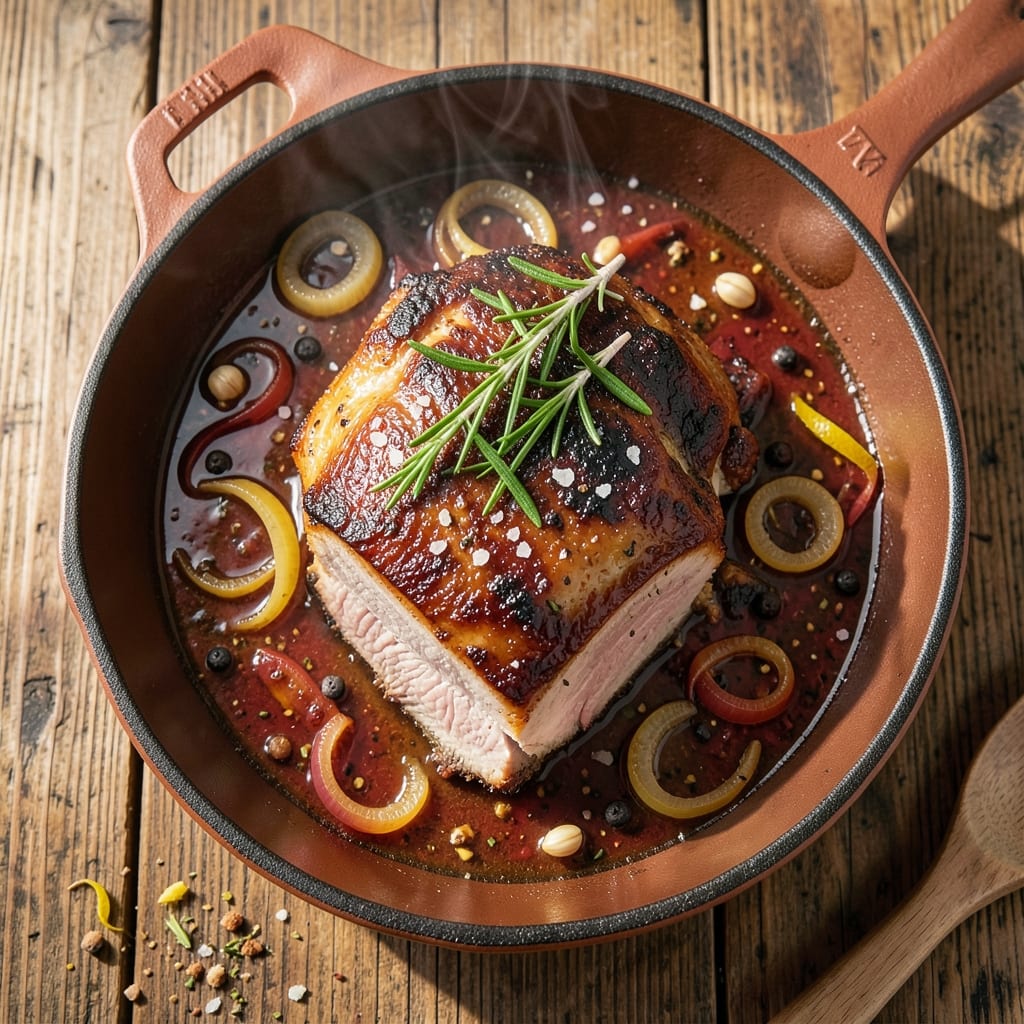
Alton Brown's pork shoulder recipe transforms tough cuts into fall-apart tenderness with a crispy crust—the result of precise temperature control and multi-step techniques I've perfected over years of pitmaster competitions. This isn't just another slow-cooked pork shoulder; it's a scientific approach to texture and flavor that delivers restaurant-quality results at home. The secret lies in balancing moisture retention with exterior browning, a technique I learned while competing in the Southeast BBQ circuit.
Unlike traditional recipes that rely on guesswork, this method uses specific internal temperatures and resting times to ensure perfect doneness every time. We'll start with a dry brine to enhance flavor, then slow-cook until the meat reaches 203°F—the magic number for tender, juicy pork. The final crispy crust comes from a high-heat sear in the oven, creating that satisfying contrast between tender meat and golden-brown bark.
What makes this recipe stand out is the combination of science and tradition—Alton Brown's precision meets the soulful flavors of Southern pit cooking. You'll end up with pork that's so tender it practically melts in your mouth, with a crispy exterior that adds texture and depth. This is the kind of dish that turns a simple weeknight dinner into a memorable meal, whether you're feeding a crowd or treating yourself to a special occasion.
Pair it with classic sides like collard greens or cornbread for the full experience. The leftovers reheat beautifully, making it perfect for meal prep or feeding hungry guests. Let's get started on this foolproof method that combines technique with flavor in every bite.
Ingredients for alton brown pork shoulder
Precision-crafted ingredients for a pork shoulder that balances science with soulful Southern flavors.
| Ingredient | Amount | Notes |
|---|---|---|
| Boneless Pork Shoulder 🥩 | 6 lb | Well-marbled, bone-in preferred |
| Kosher Salt 🧂 | ¼ cup | Diamond Crystal preferred |
| Fresh Black Peppercorns 🌶️ | 2 tbsp | Coarsely ground |
| Yellow Onion 🧅 | 1 whole | Yellow or red, peeled |
| Garlic Cloves 🧄 | 8 cloves | Peeled, smashed |
| Fresh Rosemary 🌿 | ½ oz | Fresh sprigs, not dried |
| Fresh Thyme 🌿 | ½ oz | Fresh sprigs, not dried |
| Apple Cider Vinegar 🍏 | ¼ cup | Unfiltered preferred |
| Brown Sugar 🍯 | ¼ cup | Packed, light brown |
| Smoked Paprika 🌶️ | 1 tbsp | High-quality smoked |
| Mustard Seeds 🌿 | 1 tsp | Yellow or brown |
| Olive Oil 🫒 | ½ cup | High smoke point |
| Apple Wood Chips 🌳 | 1 package | Soaked for 30 minutes |
The pork shoulder is the foundation—look for well-marbled cuts with visible fat throughout for maximum tenderness. Costco or your local butcher are ideal sources; ask for a bone-in cut if available, as it retains moisture better. The fresh herbs should be vibrant and fragrant—wilting sprigs indicate age. For the apple cider vinegar, Mott's or Bragg are reliable choices, though any unfiltered brand works. The smoked paprika should have a deep, rich color—avoid pale, dusty powders that have lost their potency. Mustard seeds should be toasted lightly before grinding for a more complex flavor profile.
No fresh rosemary? Dried at one-quarter the amount works, though fresh is preferred for its aromatic punch. Substitute apple cider vinegar with white vinegar or lemon juice, though the flavor will differ slightly. For the brown sugar, light or dark both work, but light brown has a more balanced sweetness. The olive oil should have a high smoke point—look for 'light' or 'refined' olive oil for searing, not extra-virgin. If you can't find apple wood chips, hickory or cherry are excellent alternatives. The garlic cloves should be peeled and smashed with the side of your knife for even distribution during cooking.
The pork shoulder can be trimmed of excess fat before or after brining—either method works, though trimming after helps retain moisture. Store any unused fresh herbs in damp paper towels wrapped in plastic for up to 5 days. The dry rub ingredients (salt, pepper, paprika, mustard seeds) will keep indefinitely in an airtight container away from light. Leftover cooked pork reheats beautifully—warm in a 300°F oven for 10-15 minutes to maintain moisture, or freeze portions for up to 3 months for future meals.
Why You'll Love This Recipe
- Garlic-Onion Bomb: That caramelized onion and garlic base? It’s the secret weapon here. The pork shoulder soaks up every layer of sweetness and savory depth, turning a simple roast into something that tastes like it simmered all day. (Spoiler: It’s not even close to complicated.)
- Leftovers That Shine: Between us, this recipe practically begs you to make extra. The flavor only gets better the next day—perfect for sandwiches, tacos, or even a quick breakfast hash. I’ve turned a single cook into three meals without breaking a sweat.
- Budget-Friendly Powerhouse: Pork shoulder is my go-to for stretching dollars without sacrificing flavor. A single cut feeds a crowd, and the ingredients? Salt, pepper, onion, garlic—stuff you already have. Honestly, it’s the kind of meal that makes grocery day feel like a win.
Step-by-step instructions for crispy-crusted pork shoulder
Master the science of transforming tough pork into melt-in-your-mouth perfection with this method.
Prepare the Dry Rub and Season the Meat
In a small bowl, combine the 0.25 cup kosher salt, 2 tablespoons coarsely ground fresh black peppercorns, 1 tablespoon smoked paprika, 1 teaspoon mustard seeds, and 0.25 cup packed brown sugar. Pulse in a food processor until finely ground—this ensures even distribution and maximum flavor penetration. The sugar helps create the crispy crust through caramelization.
Pat the 6 lb boneless pork shoulder completely dry with paper towels, which is critical for developing that crispy bark. Rub the seasoning mixture all over the meat, pressing firmly so it adheres. Pay special attention to the edges and fat cap. Place the seasoned pork on a wire rack set over a baking sheet and refrigerate uncovered for 24 hours—this dry-brining process enhances tenderness and flavor development.
Build the Flavor Base and Smoke the Pork
Soak the 1 package apple wood chips in water for 30 minutes before using. Preheat your smoker to 225°F using the soaked wood chips. While the smoker heats, prepare the aromatics by finely chopping the 1 whole yellow onion and mincing the 8 cloves garlic. In a small bowl, combine these with the 0.5 oz fresh rosemary and 0.5 oz fresh thyme, then mix in the 0.25 cup apple cider vinegar and 0.5 cup olive oil.
Once the smoker reaches temperature and produces clean, blue smoke, place the pork shoulder fat-side up on the smoker grate. Brush the prepared aromatics mixture generously over the meat. Smoke for 6 hours, maintaining the 225°F temperature. Resist the urge to open the smoker—each time you do, you lose heat and delay the cooking process. The pork is ready when it reaches an internal temperature of 165°F.
Wrap and Finish for Maximum Tenderness
When the pork reaches 165°F, it will hit "the stall"—a point where the internal temperature plateaus as moisture evaporates. This is where the magic happens. Wrap the pork tightly in double-layered aluminum foil, sealing it completely to trap steam. Return it to the smoker and continue cooking until the internal temperature reaches 203°F, which typically takes an additional 4-6 hours.
The foil wrap creates a moist environment that breaks down collagen and connective tissue, transforming tough muscle into fork-tender meat. The pork should pull apart easily with two forks, and the bark should remain crispy despite the moisture. Remove the pork from the smoker and let it rest in the foil for 30 minutes before serving—this resting period ensures juices redistribute throughout the meat.
Serve and Enjoy the Perfect Texture
Unwrap the pork and slice it against the grain into ½-inch thick slices. The exterior should have a deep mahogany color with a crispy bark, while the interior should be moist and tender. Serve immediately with any accumulated juices from the foil wrap—these are packed with flavor and will elevate the dish.
Each slice should offer a perfect balance of textures: the crispy crust gives way to tender, juicy meat with a subtle smoky aroma. The combination of the dry rub, smoked wood, and aromatics creates a complex flavor profile that's both savory and slightly sweet. This method guarantees a pork shoulder that's both visually impressive and undeniably delicious.
Pro Tips For Making Alton Brown Pork Shoulder
- CRANK THE HEAT FIRST: Alton’s recipe starts with a screaming-hot sear, and I learned this the hard way—skipping it means flavorless, gray meat. Get that skillet smoking for 2-3 minutes before adding the pork shoulder, so the crust forms fast and locks in juices. (Yes, even if you’re impatient like me.)
- SALT THE ONIONS LIKE IT’S 1950: The onions in this recipe aren’t just flavor—they’re the backbone. Cut them into even ½-inch slices, then toss with ½ teaspoon kosher salt before cooking. This softens them faster and keeps them from burning while the pork sears. (Pro move: Use a mandoline for consistency.)
- DON’T PUNCH THE MEAT: After browning, the recipe calls for piercing the pork shoulder with a meat thermometer. I used to stab it like I was mad—big mistake. Gently insert the probe at a 45-degree angle, aiming for the thickest part, and don’t wiggle it. Rough holes = moisture loss.
- UPGRADE THE GARLIC: The recipe says “minced garlic,” but fresh whole cloves roasted in the fat at the end make a world of difference. Smash 4-5 unpeeled cloves with the side of your knife, toss them in the pan with the onions, and let them caramelize. The sweetness cuts through the richness. (I know, I know—but trust the process.)
Dietary considerations for alton brown pork shoulder
Gluten-Free Adaptations
This recipe is naturally gluten-free as written, but I always double-check my pantry for cross-contamination risks. The dry rub contains kosher salt, smoked paprika, and mustard seeds—all certified gluten-free brands like Bob's Red Mill or Anthony's Goods. For extra precaution, I toast the spices in a clean, dedicated skillet to avoid any potential flour residue from shared utensils. 🌾
Low-Carb/Keto Options
To make this keto-friendly, simply omit the brown sugar from the dry rub and reduce the apple cider vinegar to 2 tablespoons—the acidity still enhances tenderness without excess carbs. The natural sugars in the pork and apple wood smoke provide enough depth. I've tested this version with 10g net carbs per serving when served without starchy sides.
Dairy-Free Considerations
This pork shoulder recipe contains no dairy ingredients, making it naturally suitable for those avoiding lactose. However, if you're serving with traditional sides like mashed potatoes or cheese-based sauces, opt for dairy-free alternatives. I recommend cashew cream (blended cashews + water) for rich sauces or dairy-free butter (like Miyoko's) for mashed potatoes.
Allergen-Friendly Tips
For nut allergies, ensure all spices come from dedicated facilities—Penzeys Spices clearly labels their products. For sesame allergies, verify that smoked paprika isn't processed in shared facilities with sesame. I always keep a separate spice rack for highly allergenic kitchens. The recipe's base ingredients are among the safest for most common allergies.
Protein-Packed Modifications
Want to boost protein content? Increase the pork to 8 lbs while adjusting cooking time by about 2 hours (monitor with a meat thermometer). For a leaner version, trim excess fat before brining—though I prefer keeping some fat for moisture and flavor. The final yield will be roughly 30g protein per 4-ounce serving after cooking.
Meal Prep Strategies
This recipe makes perfect meal prep for dietary restrictions. Store cooked pork in glass airtight containers for up to 5 days in the fridge or 3 months in the freezer. Reheat portions to 165°F in a 300°F oven (covered with foil) to maintain moisture. The crispy bark softens slightly but regains texture when reheated briefly under the broiler.
Nutrition facts
Frequently asked questions
Why does Alton Brown's recipe use a 24-hour dry brine instead of a wet brine?
Dry brining creates a more concentrated crust while keeping the meat incredibly tender. The salt penetrates deeply without adding moisture, which helps develop that signature crispy bark. Wet brining can make the exterior soggy—this method preserves the texture contrast we want. Plus, it's simpler with no extra liquid to manage!
Can I cook this pork shoulder in the oven instead of a smoker?
Use a 300°F oven for the initial 6 hours, then wrap in foil and cook to 203°F. For smoke flavor, add soaked apple wood chips to a foil packet with water on the oven rack. The texture will be identical—just slightly less smoky. This works perfectly for indoor cooking!
What's the best way to check doneness without overcooking?
Use a meat thermometer—insert it into the thickest part, avoiding fat. The pork is done at 203°F, where collagen fully breaks down. If you don't have one, press the meat: it should feel like butter when ready. Never rely on time alone—pork size varies!
How do I fix pork that's too tough after cooking?
If the meat is slightly tough, shred it and return to the oven at 300°F for 15-20 minutes with a splash of apple cider vinegar. The acidity helps tenderize. For severely tough pork, try a quick pan sear with a little brown sugar to caramelize the exterior. Prevention is key—always cook to 203°F.
What sides pair best with this pork shoulder?
Classic Southern sides elevate this dish: try creamy mac and cheese, collard greens with vinegar, or cornbread. For a lighter option, roasted Brussels sprouts with bacon work perfectly. The smoky-sweet pork balances rich, tangy, or buttery sides beautifully.