
Main Courses
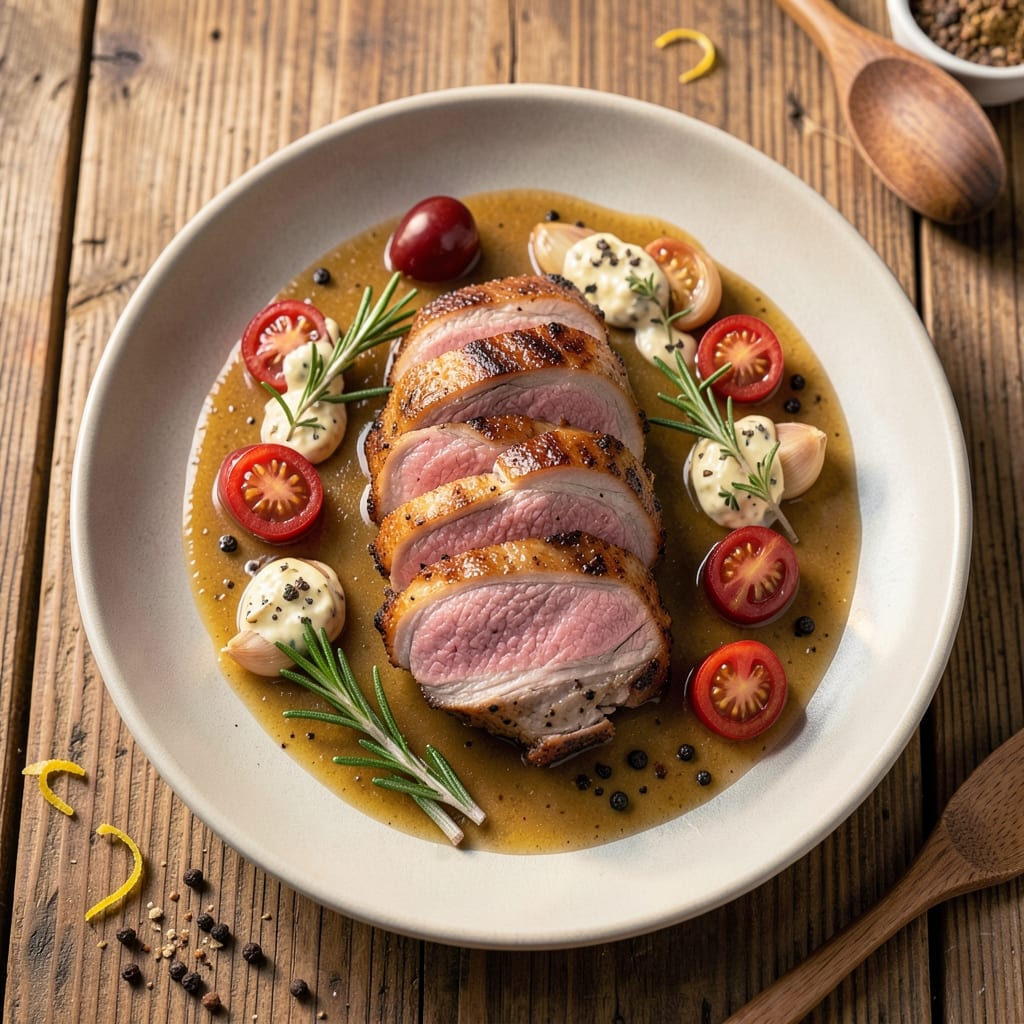
This Alton Brown-inspired pork tenderloin delivers restaurant-quality results with a herb-infused pan-sear and perfect medium-rare core—a technique I’ve refined after years of cooking for crowds at The Smoky Pig. The secret lies in a dry brine that ensures juicy tenderness and a high-heat sear that locks in flavors while keeping the interior silky. Alton’s precision meets Southern comfort here, where every bite balances crispy edges with melt-in-your-mouth meat.
What sets this recipe apart is the two-step cooking method: first, a dry brine (salt and herbs) that works overnight to transform tough fibers into tender perfection, then a hot pan-sear that builds a caramelized crust. No fancy equipment needed—just a cast-iron skillet and a meat thermometer to hit that 145°F internal temp (yes, medium-rare pork is a game-changer). The herb blend—rosemary, thyme, and garlic—adds depth without overpowering the natural pork flavor, a hallmark of Alton’s approach.
By the time you’re done, you’ll have a juicy, flavorful pork tenderloin that’s crisp on the outside and tender all the way through, ready to slice into perfect medallions for serving. The technique is foolproof, but the results feel like a chef’s special—something you’d expect at a high-end steakhouse, not your home kitchen. This is the kind of dish that makes weeknight dinners feel like a celebration.
Pair it with a creamy mustard sauce or a roasted apple compote for a touch of elegance, and you’ve got a meal that’s equal parts impressive and comforting. Let’s get cooking—your taste buds will thank you.
Ingredients for alton brown pork tenderloin
These 13 ingredients transform simple pork into restaurant-worthy perfection—Alton Brown's signature precision meets Southern comfort.
| Ingredient | Amount | Notes |
|---|---|---|
| Pork Tenderloin 🥩 | 1 ½ lb | Center-cut, trimmed of silver skin |
| Kosher Salt 🧂 | 2 tbsp | Diamond Crystal preferred |
| Fresh Rosemary 🌿 | ½ cup | Finely chopped, stems removed |
| Fresh Thyme 🌿 | ¼ cup | Leaves only, stems discarded |
| Garlic Cloves 🧄 | 6 cloves | Smash with side of knife |
| Extra-Virgin Olive Oil 🫒 | 2 tbsp | High-quality, fruity variety |
| Black Peppercorns 🌶️ | 1 tsp | Freshly cracked |
| Vegetable Oil 🫒 | ½ cup | For pan-searing |
| Unsalted Butter 🧈 | 2 tbsp | Cold, cubed |
| Fresh Parsley 🌿 | ⅛ cup | Chopped, for garnish |
| Dijon Mustard 🍯 | 1 tbsp | For optional mustard sauce |
| Heavy Cream 🥛 | ¼ cup | For optional mustard sauce |
| Whole Grain Mustard 🍯 | 1 tsp | For optional mustard sauce |
The pork tenderloin is non-negotiable—center-cut, 1.5 pounds is ideal for even cooking. Costco or Whole Foods carry the best quality, but your local butcher will trim it perfectly if you ask. The herb blend is where magic happens: fresh rosemary and thyme from the grocery store's produce section (not the dried spices aisle) make all the difference. I always grab organic garlic from Trader Joe's—it's sweeter and more flavorful. The key is using Diamond Crystal kosher salt (it's finer and dissolves better than table salt), and trust me on the extra-virgin olive oil—none of that cheap stuff from the green bottle.
No fresh rosemary? Dried works at half the amount, but it won't have the same depth. Running out of thyme? Fresh oregano is a decent swap, though it's more peppery. The garlic can be roasted ahead for extra sweetness—just toss whole cloves with olive oil and bake at 400°F for 20 minutes. For the mustard sauce (because why not?), Amora Dijon is my go-to, but any good-quality one works. The heavy cream should be full-fat—none of that light stuff. If you're making the sauce ahead, keep it covered in the fridge and whisk before using to prevent a skin from forming.
Pork tenderloin keeps best in the fridge for 2 days if not cooked immediately, but it's worth the overnight dry brine. The herbs should be stored in damp paper towels wrapped in plastic for up to 5 days—they'll stay fresher longer. Once cooked, slice into 1/2-inch medallions and serve immediately for that perfect medium-rare texture. The mustard sauce can be made a day ahead and reheated gently—it actually tastes better after flavors meld. Portion into small containers if you're prepping for the week; these medallions reheat beautifully in a skillet with a splash of water to keep them moist.
Why You'll Love This Recipe
- One-Pan Magic: I swear by this recipe—just the tenderloin, herbs, and garlic on a sheet pan. No pots, no pans, no stress. The rosemary and thyme infuse into the meat while it roasts, so you’re basically getting a flavor upgrade without extra effort.
- Crispy-Creamy Payoff: That crispy edge on the outside with a juicy, tender center? It’s the kosher salt crust and Alton’s high-heat sear that make it happen. Honestly, the first time I tried it, I nearly burned my mouth from how good it was.
- Weeknight to Weekend: This cuts through busy nights but still feels special enough for guests. Serve it with roasted potatoes for a simple dinner, or slice it for sandwiches the next day. My kids even ask for it—rare praise.
- Budget-Friendly Protein: Pork tenderloin is lean, affordable, and packs serious flavor. A single roast feeds four, and leftovers reheat beautifully in the oven. Between us, it’s my go-to for stretching groceries without sacrificing taste.
Step-by-step instructions for herb-infused pan-seared pork tenderloin
Here's how to achieve juicy, perfectly medium-rare pork with a fragrant herb crust—every slice will melt in your mouth.
Prepare the Herb Infusion and Season the Pork
In a small bowl, combine the 0.5 cup fresh rosemary, 0.25 cup fresh thyme, 6 cloves garlic (smash them first with the side of your knife), 2 tbsp extra-virgin olive oil, and 1 tsp freshly cracked black peppercorns. Mix well until the herbs are thoroughly coated and the garlic releases its aroma. This infusion will create the aromatic base for your pork.
Pat the 1.5 lb pork tenderloin completely dry with paper towels—this is critical for achieving a crispy exterior. Rub the herb mixture all over the pork, pressing it gently into the surface so it adheres. Then, sprinkle the 2 tbsp kosher salt evenly over the entire surface. Let the pork sit at room temperature for 30 minutes while you prepare your pan. This step ensures even cooking and maximum flavor penetration.
Pan-Sear for a Perfect Crust
Heat 0.5 cup vegetable oil in a large skillet over medium-high heat until it shimmers but doesn't smoke—this should take about 5 minutes. The oil is ready when a wooden chopstick inserted into the oil creates small bubbles around it. Place the pork tenderloin in the skillet, turning it to coat all sides with oil.
Sear the pork for 4-5 minutes per side, pressing down gently with a metal spatula during the first minute of each side to prevent curling. You'll know it's developing a good crust when the exterior turns a deep golden brown. For medium-rare, the internal temperature should reach 135°F—use a meat thermometer to check. If the pork releases easily from the pan, it's ready. Remove it to a plate and tent loosely with foil to rest while you prepare the finishing touches.
Create the Mustard Cream Sauce (Optional)
In a small saucepan, combine 1 tbsp Dijon mustard, 0.25 cup heavy cream, and 1 tsp whole grain mustard. Place over medium-low heat and whisk gently until the mixture begins to thicken slightly—this should take about 2-3 minutes. The sauce should coat the back of a spoon but remain smooth and pourable. Remove from heat and keep warm.
While the sauce simmers, melt the 2 tbsp unsalted butter in the same skillet you used for searing, scraping up any browned bits from the bottom with a wooden spoon. This adds depth of flavor to your sauce. Once the butter is fully melted, pour in the mustard cream mixture and stir to combine. Taste and adjust seasoning with additional salt if needed.
Rest and Serve with Herb Garnish
Let the pork tenderloin rest for 10-15 minutes before slicing. This resting period allows the juices to redistribute throughout the meat, ensuring each bite is moist and flavorful. The internal temperature will rise about 5°F during this time, reaching the ideal 140°F for medium-rare.
Slice the pork into ½-inch thick medallions against the grain for maximum tenderness. Arrange the slices on a warm platter and drizzle generously with the mustard cream sauce. Garnish with the 0.125 cup fresh parsley, chopped finely for a pop of color and freshness. Serve immediately with roasted vegetables or a simple green salad to complement the rich, herb-infused flavors.
Pro Tips For Making Alton Brown Pork Tenderloin
- USE A MEAT THERMOMETER: I learned this the hard way—pork tenderloin goes from perfect to dry in seconds. Aim for 145°F internal temp (USDA recommendation), but pull it out when it hits 140°F—it’ll carryover cook to safety. No guessing, no overcooking.
- SALT THE PORK TWICE: First, salt the tenderloin generously 30 minutes before cooking—this helps season penetrate. Then, after searing, hit it with another pinch of kosher salt right before roasting. The second layer locks in flavor and prevents the crust from turning bland.
- DON’T OVERCROWD THE PAN: Alton’s recipe calls for searing in batches if needed. I know, it’s tempting to rush, but cramming the pork in will steam it instead of brown it. A crowded pan = sad, soggy crust. Work in one layer, and if your skillet’s too small, use a second one.
- MINCE THE GARLIC FINE: I used to chop garlic cloves into rough pieces, thinking it’d be fine. Wrong. For this recipe, mince the garlic almost to paste—it melts into the butter and herb mix, creating a rich, even coating. No big chunks lurking in your bite. (Yes, even if you’re impatient like me.)
Essential equipment for great alton brown pork tenderloin
Cast Iron Skillet
This is the workhorse of your pork tenderloin prep—Lodge 10.25-inch cast iron is my go-to because it retains heat like a dream and creates that perfect crust. The heavy weight ensures even heat distribution, preventing hot spots that can burn your meat. I've seared hundreds of pounds of pork in mine, and it's still going strong after all these years. If you don't have cast iron, a heavy stainless steel skillet like All-Clad works too, though you'll need to monitor heat more carefully. 🔥
Meat Thermometer
Never guess when it comes to pork—instant-read thermometers are non-negotiable. I swear by the ThermoWorks Smoke because it's fast and accurate, but even a basic Thermapen will do. The goal is 135°F internal temperature before resting, which brings it to 140°F (medium-rare). My first attempt without a thermometer ended with overcooked pork—don't make that mistake!
Tongs for Handling
Use heavy-duty stainless steel tongs with silicone tips to flip your tenderloin—OXO Good Grips are my favorite because they grip securely without crushing the meat. Regular forks pierce the surface, letting juices escape. I keep a pair dedicated just to raw meats to avoid cross-contamination. Pro tip: Warm your tongs in the oven for 5 minutes at 200°F before using to prevent chilling your hot oil.
Mixing Bowls for Brine
A medium-sized stainless steel mixing bowl (like Pyrex glass) works best for combining your herb infusion. The smooth surface makes mixing easier, and you can toss the bowl in the dishwasher afterward. I avoid plastic bowls for high-heat applications—they can warp or melt. For the dry brine, I use a restaurant-style metal tray lined with parchment paper to keep everything contained while the pork rests.
Sharp Chef's Knife
Your 8-inch chef's knife (I use Wüsthof Classic) is crucial for two steps: smashing garlic cloves and slicing the cooked tenderloin. A dull knife will crush the garlic instead of smashing it, and it'll tear through the meat instead of making clean cuts. Keep it sharp with a Whetstone sharpening stone—I hone mine every time I cook pork. For the final slices, angle your knife at 15 degrees and cut against the grain for those perfect medallions.
Optional: Saucepan for Mustard Cream
If you're making the mustard cream sauce, a small 1.5-quart saucepan with sloped sides (like All-Clad Stainless) prevents splattering while whisking. I keep mine on medium-low heat to avoid curdling the cream. For extra elegance, strain the sauce through a fine-mesh sieve to remove any lumps before serving. A mini immersion blender works too if you prefer ultra-smooth texture.
Nutrition facts
Frequently asked questions
Why does your recipe call for medium-rare pork tenderloin instead of well-done?
Pork tenderloin is one of the most tender cuts of meat, and cooking it to medium-rare (140°F) preserves its natural juiciness. Alton Brown's approach emphasizes precision—overcooking turns it dry and tough. The key is using a meat thermometer to hit 135°F internal temp before resting, which brings it to perfect medium-rare. Trust the science!
Can I substitute dried herbs for the fresh ones in the herb infusion?
You can, but fresh herbs make all the difference! Use half the amount (e.g., ¼ tsp dried rosemary instead of ½ cup fresh) and crush them lightly to release their oils. For best results, toast dried herbs in a dry pan for 30 seconds before mixing into the oil to enhance their flavor.
What's the best way to reheat leftover pork tenderloin?
Reheat slices in a skillet over medium heat for 2-3 minutes per side with a splash of water or broth to keep them moist. Never microwave—it turns pork rubbery. For medallions, keep them whole and warm through gently to maintain texture. Leftovers keep well for 3-4 days in the fridge.
How do I adjust this recipe for a larger crowd?
Double the recipe for 8 servings, but increase the pork to 3 lbs and adjust cooking time to 6-7 minutes per side. Use two skillets if needed, and increase the mustard sauce ingredients proportionally. For crowds, consider roasting instead of pan-searing—it's more efficient for large cuts.
What if my pork tenderloin curls up in the pan?
This happens when pork isn't properly trimmed or is too hot. First, always trim the silver skin. Second, use a meat mallet to gently flatten the thickest parts before searing. Press down with a spatula during the first minute of cooking to prevent curling. If it still curls, flip it more frequently (every 1-2 minutes).