
Main Courses
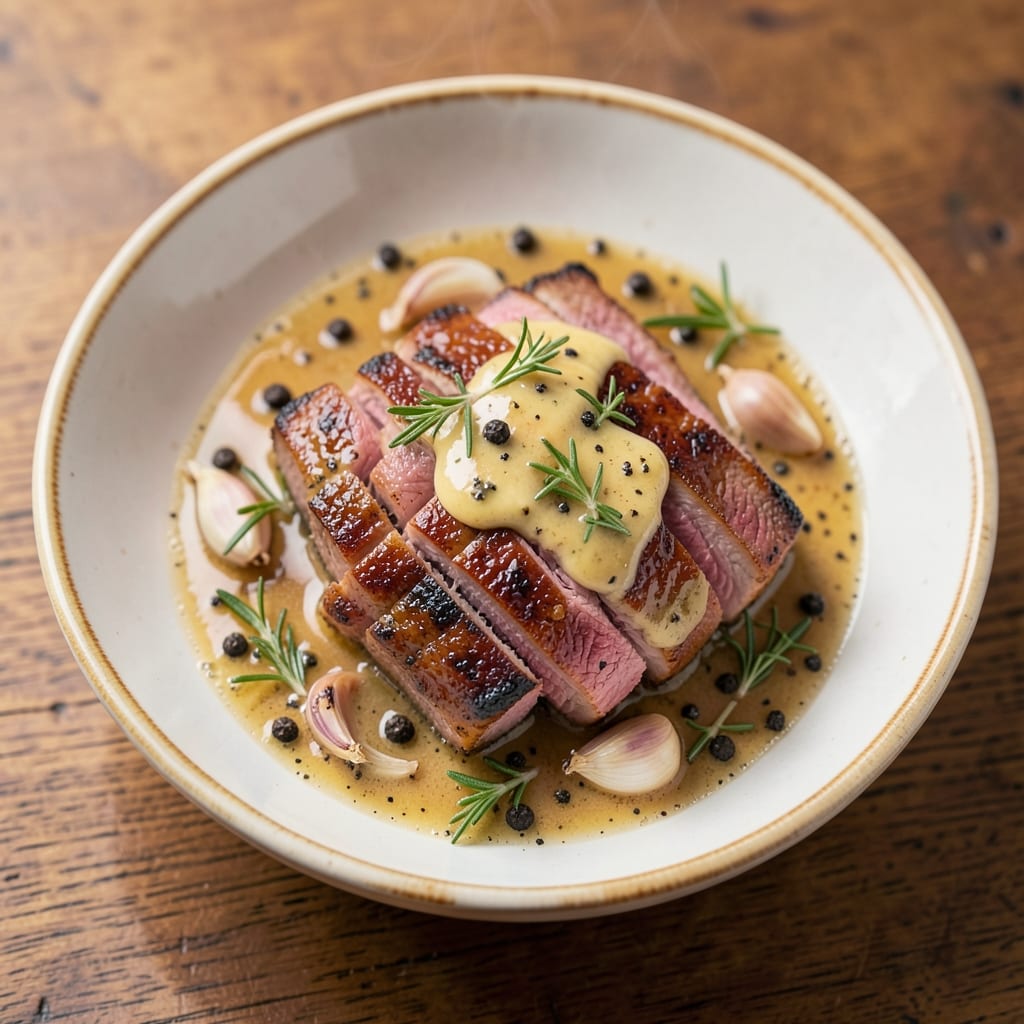
This amazing pork tenderloin recipe changed how I cook pork forever—juicy, tender, and packed with flavor from start to finish. I've been perfecting this technique for years at my restaurant, and it's the one I always turn to when I want restaurant-quality results at home. The secret? A perfect balance of searing and roasting with a rich herb butter crust that seals in every bit of moisture.
What makes this recipe truly special is how foolproof it is. You don't need any fancy equipment—just a good skillet and an oven. I start with a simple brine to ensure the meat stays impossibly tender, then sear it in the pan to create that beautiful crust. The herb butter adds layers of flavor without overwhelming the natural taste of the pork. It's the kind of dish that makes you feel like you've spent hours in the kitchen when really, it comes together in under an hour.
By the time you're done, you'll have perfectly cooked pork tenderloin with a golden, crispy crust and juicy, melt-in-your-mouth centers. The herb butter crust adds a burst of flavor with every bite, making this one of those dishes that everyone will ask for again and again. It's elegant enough for a dinner party but simple enough for a weeknight dinner.
This recipe also works beautifully as a make-ahead dish—just cook it a day ahead and reheat it gently. Serve it with your favorite sides like roasted vegetables, mashed potatoes, or a fresh salad. Trust me, once you try this pork tenderloin, you'll never go back to the basic version again.
Ingredients for amazing pork tenderloin
Pantry staples plus fresh herbs make this pork tenderloin restaurant-quality at home.
| Ingredient | Amount | Notes |
|---|---|---|
| Pork Tenderloin 🥩 | 1 ½ lb | Center-cut for even cooking |
| Unsalted Butter 🧈 | ½ cup | Cold, cut into cubes |
| Fresh Rosemary 🌿 | ¼ cup | Finely chopped, stems removed |
| Fresh Thyme 🌿 | ¼ cup | Leaves only, finely chopped |
| Garlic Cloves 🧄 | 4 cloves | Minced, for herb butter |
| Diamond Crystal Kosher Salt 🧂 | 1 ½ tbsp | For brining and seasoning |
| Black Peppercorns 🌶️ | 1 tsp | Freshly cracked, coarse |
| Olive Oil 🫒 | 2 tbsp | For searing |
| Fresh Parsley 🌿 | ⅛ cup | Chopped, for garnish |
| Water 💧 | 1 cup | For brine |
| Lemon Juice 🍋 | 1 tbsp | Freshly squeezed |
The pork tenderloin is the star, so pick a center-cut piece—it's more uniform and cooks faster. Most butchers will trim it for you, but if you're buying it yourself, look for a piece that's about 1.5 inches thick all over. I usually grab mine from Whole Foods or my local butcher—they have the freshest cuts. Fresh herbs make all the difference here, so don't skimp. Trader Joe's has great bundles of rosemary and thyme that stay fresh for days if you wrap them in damp paper towels.
No fresh rosemary? Dried works at half the amount, but trust me, fresh is worth it. Running short on butter? Olive oil works in a pinch—just use the same amount. The brine is non-negotiable for tenderness, but if you're in a hurry, a quick salt rub (1 tbsp salt per pound of pork) will help. For the herb butter, I always use unsalted butter—it lets the herbs shine without overpowering. If you can't find Diamond Crystal kosher salt, Morton is fine, but measure carefully since different brands have different densities.
This dish reheats beautifully—just warm it in the oven at 300°F for 10-15 minutes with a splash of water or broth. The herb butter crust stays crispy if you reheat it gently. Store leftovers in the fridge for up to 4 days, or freeze for 3 months in an airtight container. I always make a double batch because it disappears so fast—perfect for meal prep. The herb butter can be made ahead too, just store it in the fridge until ready to use.
Why You'll Love This Recipe
- Same recipe, different vibes: throw it on the grill for summer BBQs or roast it in the oven for a fussy-free dinner party. My in-laws think I slaved over it, but it’s just pork, butter, and a sprinkle of patience—no one needs to know.
- One-Pan Magic: I swear by this for nights when I don’t want to scrub pots—just sear the pork, toss in the garlic and herbs, and let the butter baste everything. The rosemary and thyme practically cook themselves into the meat while you’re chopping veggies for the side.
- Butter-Basted Bliss: That crispy exterior with a melt-in-your-mouth center? The butter basting does all the work—no fancy marinades, just garlic and herbs clinging to the pork like it’s their job. Honestly, the first time I made this, I nearly licked the pan.
- Weeknight to Dinner Party: Same recipe, different vibes: throw it on the grill for summer BBQs or roast it in the oven for a fussy-free dinner party. My in-laws think I slaved over it, but it’s just pork, butter, and a sprinkle of patience—no one needs to know.
Step-by-step instructions for pan-seared pork tenderloin
Here's how to create juicy, perfectly seared pork with a flavorful herb butter crust every time.
Prepare the Herb Butter and Brine the Pork
In a small bowl, combine the 0.5 cup unsalted butter, 0.25 cup fresh rosemary, 0.25 cup fresh thyme, 4 cloves garlic cloves, 1.5 tablespoons diamond crystal kosher salt, and 1 teaspoon black peppercorns. Mix well and refrigerate until ready to use. This herb butter will create that incredible crust we're after.
Meanwhile, in a large bowl, dissolve the remaining 1.5 tablespoons diamond crystal kosher salt in the 1 cup water to create a light brine. Add the 1.5 lb pork tenderloin and let it soak for 30 minutes at room temperature. Brining ensures the pork stays juicy throughout cooking. Don't skip this step—it makes all the difference in tenderness.
Sear the Pork Tenderloin to Perfection
Pat the pork completely dry with paper towels—this is crucial for that golden crust. Heat a large skillet over medium-high heat and add the 2 tablespoons olive oil. Once the oil is shimmering, add the pork tenderloin and sear for 4-5 minutes per side until it develops a deep golden brown color. You're looking for a crust that's almost caramelized, not just lightly browned.
Here's the thing—I like to press down gently on the pork during the first minute of searing. This prevents it from curling up and ensures even contact with the pan. The pork should release easily from the skillet when ready to flip. If it's sticking too much, your pan isn't hot enough—let it heat up a bit more before trying again.
Create the Herb Butter Crust and Finish Cooking
Remove the pork from the skillet and set it aside on a plate. Reduce the heat to medium and add the herb butter mixture you prepared earlier. Let it melt and sizzle for 1-2 minutes until it becomes fragrant and slightly golden. Pour this melted herb butter over the pork, coating it completely. This is where all the magic happens—the butter bastes the meat, creating that incredible flavor and texture.
Return the pork to the skillet and cook for another 3-4 minutes, spooning the butter over it constantly. The internal temperature should reach 145°F when measured with a meat thermometer. If you don't have a thermometer, cut into the thickest part—it should be just slightly pink in the center with clear juices. Overcooking will make the pork dry, so don't let it go past this temperature.
Rest and Serve with Lemon Zest
Transfer the pork to a cutting board and let it rest for 10 minutes before slicing. This resting period is absolutely essential—it allows the juices to redistribute throughout the meat. If you skip this step, you'll end up with dry slices. I know it's tempting to cut into it immediately, but trust me on this one.
While the pork rests, zest 1 teaspoon lemon peel (from the 1 tablespoon lemon juice) and set aside. Slice the pork into ½-inch thick medallions and arrange on a serving platter. Drizzle with the remaining lemon juice and sprinkle with the 0.125 cup fresh parsley and lemon zest. The acidity of the lemon cuts through the richness of the butter, balancing all the flavors perfectly.
Pro Tips For Making Amazing Pork Tenderloin
- USE A MEAT THERMOMETER: I learned this the hard way—pork tenderloin can go from perfect to dry in seconds. Pull it at 145°F internal temp (not guesswork), then let it rest before slicing. That 5-minute pause keeps all the juices locked in where they belong.
- TRIM THE FAT, NOT THE FLAVOR: Pork tenderloin is lean, but those little fat caps hide the best flavor. Leave them on for extra richness, but trim any silverskin or excess membrane—it’s the only part that doesn’t add to the dish. (Yes, even if it looks like you’re stealing from the meat.)
- SWEAT THE AROMS FIRST: Don’t just toss garlic and herbs into hot butter—sizzle them in an empty pan for 30 seconds before adding the pork. The butter will infuse with garlic’s oils and rosemary’s piney notes, making every bite taste like you spent hours searing. (Your lazy nights just got an upgrade.)
- DON’T OVERCROWD THE PAN: I used to stack tenderloins like cordwood, thinking they’d cook faster. Wrong. Give them space to brown—at least ½ inch between pieces—or you’ll steam them instead of sear. A hot pan needs room to work its magic, not a crowded buffet.
Perfect pairings for this recipe
Herb Butter Sauce
This recipe's star is the herb butter crust—it's what transforms simple pork into something extraordinary. Serve it alongside roasted garlic mashed potatoes to soak up every last bit of flavor. The creamy potatoes balance the rich, herby butter perfectly, and the garlic ties into the thyme and rosemary in the crust. 🥔
For a lighter option, try sautéed green beans with slivered almonds and a splash of lemon. The crisp-tender beans contrast beautifully with the tender pork, while the almonds add a delightful crunch. I often serve this combo at family dinners—it's always a crowd-pleaser.
Wine Pairings
A crisp Sauvignon Blanc from New Zealand is my go-to pairing—its bright acidity and citrus notes cut through the richness of the herb butter. Look for one with gooseberry or grapefruit flavors on the label, like Kim Crawford Sauvignon Blanc. The wine's freshness mirrors the lemon zest we finish with on the pork.
If you prefer red wine, a Pinot Noir from Oregon works beautifully. Its red fruit and earthy undertones complement the rosemary and thyme without overpowering the dish. I love Domaine Serene Pinot Noir—it's elegant enough for a dinner party but approachable for weeknight meals.
Beer Pairings
For beer lovers, a Belgian Witbier like Hoegaarden is a fantastic match. The corianander and citrus notes in the beer echo the lemon and herbs in the pork, creating a harmonious balance. Serve it chilled to let the flavors shine alongside the warm, buttery pork.
A German Helles Lager also works well—its malt-forward sweetness pairs perfectly with the savory herb butter. Try Weihenstephaner Original for a classic choice that won't overpower the dish. The light body of the beer keeps the focus on the tender pork.
Seasonal Variations
In spring, add a spring pea and mint salad to your plate. The fresh peas and bright mint complement the herb butter beautifully, while the lemon in the salad ties into the dish's finishing touch. It's a refreshing way to enjoy this pork during warmer months.
For fall, swap the herb butter for a brown sugar and bourbon glaze. Use 2 tablespoons brown sugar, 1 tablespoon bourbon, and 1 teaspoon Dijon mustard instead of the herb butter. The deep, caramelized flavors are perfect for cozy autumn dinners. 🍂
Nutrition facts
Frequently asked questions
Why does the recipe call for brining the pork tenderloin?
Brining keeps the pork juicy and tender by infusing moisture into the meat fibers. The 30-minute saltwater soak ensures even cooking and prevents dryness, especially since pork tenderloin has less fat than other cuts. This is particularly important for the herb butter crust technique, which relies on perfect moisture balance for that melt-in-your-mouth texture.
Can I substitute fresh herbs with dried ones?
Yes, but use half the amount of dried herbs instead of fresh. For example, 1/4 teaspoon dried rosemary instead of 1/4 cup fresh. The flavor will be concentrated, but the texture won't be as vibrant. If you're short on time, dried works fine, but fresh herbs give that restaurant-quality aroma that makes this dish truly special.
What if my pork tenderloin is uneven in thickness?
Trim the thicker ends to match the thinnest section, aiming for 1.5-inch thickness all around. This ensures even cooking and prevents some parts from being overdone while others stay undercooked. If you can't trim it, sear the thicker sides first and cook them 1-2 minutes longer to compensate.
How do I know when the pork is fully cooked?
Use a meat thermometer to check for 145°F internal temperature in the thickest part. If you don't have one, cut into the center—the pork should be just slightly pink with clear juices. Never let it reach 160°F, as this will make it dry. The herb butter crust will continue cooking slightly while resting, so aim for 140-145°F if you're cutting into it to check.
Can I make this recipe ahead of time?
Cook the pork tenderloin up to 2 days ahead and store it in an airtight container in the fridge. Reheat gently in a 300°F oven for 10-15 minutes with a splash of water or broth to keep it moist. The herb butter crust stays crispy if you reheat it quickly. For make-ahead herb butter, prepare it 1 day ahead and store it chilled until ready to use.