
Main Courses
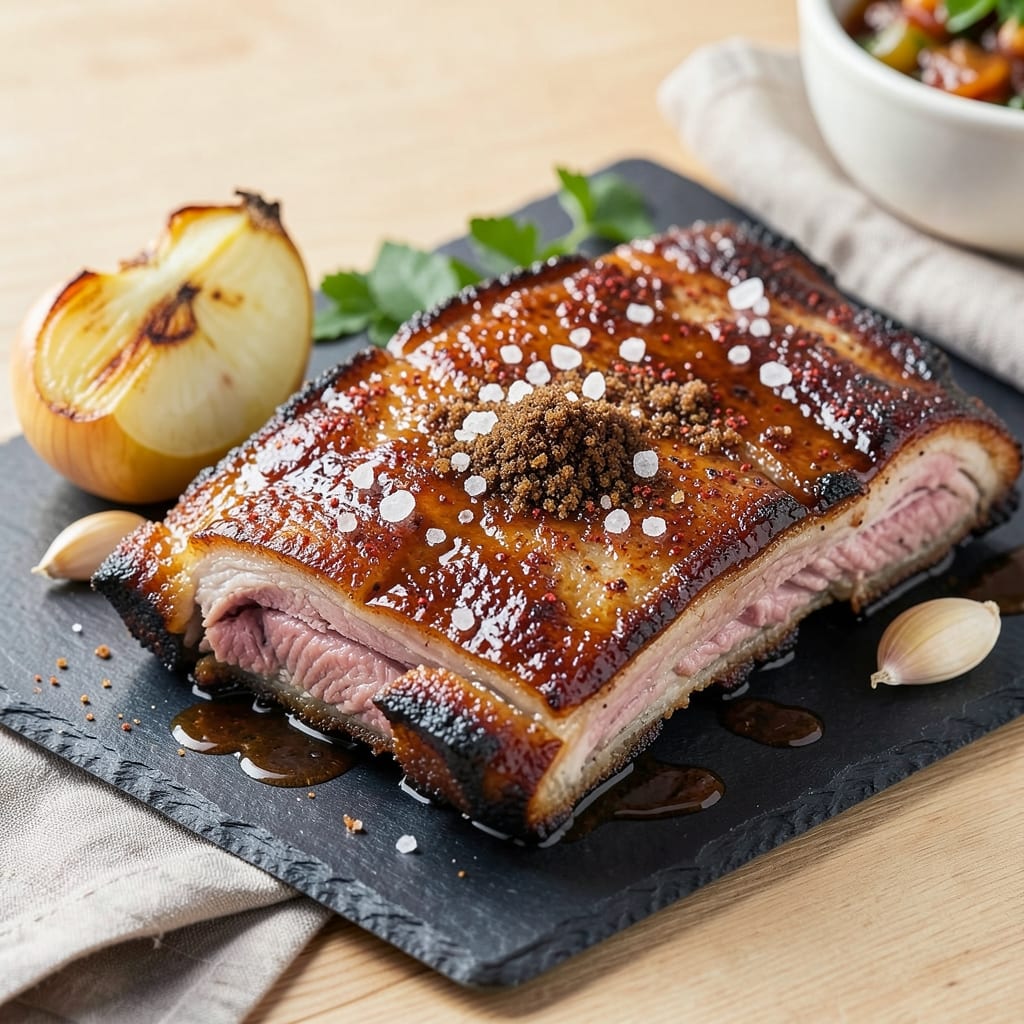
This American pork ribs recipe delivers the kind of fall-off-the-bone tenderness and smoky crust that makes every bite worth the wait. I've been perfecting this method for years—first in Charleston's competitive BBQ circuit, then at my own pit in Atlanta—because great ribs require patience, precision, and a dry rub that builds flavor layer by layer. The secret isn't just the smoke or the sauce; it's the 3-2-1 method of bark development that transforms tough meat into melt-in-your-mouth perfection.
What sets this recipe apart is the balance of smokehouse spices—paprika, brown sugar, and black pepper—that create a caramelized crust while keeping the meat tender inside. We'll use a two-stage cooking process: an initial high-heat sear to lock in juices, followed by low-and-slow smoking that develops deep, complex flavors without drying out the meat. This isn't just another ribs recipe; it's the kind that turns casual weeknight dinners into memorable gatherings.
The result is ribs so tender they practically fall apart at the touch, with a crispy, flavorful crust that clings to every bone. The sauce—tangy yet sweet with a touch of heat—ties it all together, creating a dish that's equal parts restaurant-quality and home-cooked comfort. Whether you're feeding a crowd or treating yourself to a solo meal, these ribs deliver the kind of satisfaction that keeps people coming back for seconds.
We'll cover everything from prep to serving, including how to choose the right cut, build the perfect dry rub, and master the cooking times for your specific equipment. No fancy tools required—just time, attention, and a commitment to doing it right. Let's get started on ribs that'll have everyone asking for your recipe.
Ingredients for american pork ribs
Six pounds of meat, fifteen spices, and a smoker's patience for ribs that'll have everyone begging for seconds.
| Ingredient | Amount | Notes |
|---|---|---|
| Pork Baby Back Ribs 🍖 | 4 lb | Bone-in, meaty ends preferred |
| Yellow Onion 🧅 | 1 whole | Yellow, roughly chopped |
| Garlic Cloves 🧄 | 8 cloves | Fresh, peeled and minced |
| Smoked Paprika 🌶️ | ½ cup | High-quality smoked variety |
| Brown Sugar 🍚 | ½ cup | Light or dark, packed |
| Kosher Salt 🧂 | ¼ cup | Diamond Crystal preferred |
| Ground Black Pepper 🌶️ | 1 tbsp | Freshly ground coarse |
| Ground Cumin 🌿 | 1 tbsp | Toasted for deeper flavor |
| Mustard Powder 🍯 | 1 tsp | Yellow or Dijon |
| Apple Cider Vinegar 🍏 | ¼ cup | For sauce tanginess |
| Tomato Paste 🍅 | ¼ cup | Squeeze tube preferred |
| Honey 🍯 | ¼ cup | Wildflower preferred |
| Wood Chips 🌳 | 2 cups | Hickory or cherry preferred |
| Yellow Mustard 🟡 | ¼ cup | For sauce binding |
| Fresh Cayenne Pepper 🔥 | ½ tsp | Adjust for heat preference |
The ribs make or break this dish. Baby backs are my go-to—they're meatier than spares and cook faster. Look for cuts with good meat-to-bone ratio, and ask your butcher to trim excess fat if they won't do it for you. I always buy from local meat counters or Costco's bulk section—they keep their product fresh. The wood chips? Hickory gives classic smoke flavor, but cherry adds a touch of sweetness that pairs perfectly with the sauce. Soak them in water for 30 minutes before using—this prevents flare-ups and keeps the smoke steady.
No smoked paprika? Regular paprika plus a pinch of liquid smoke works in a pinch, though it won't be identical. The brown sugar can be swapped for coconut sugar if you're watching carbs, but it'll taste different. Fresh garlic is non-negotiable here—dried garlic powder won't give the same depth. For the sauce, if you can't find apple cider vinegar, white vinegar or lemon juice will work, but the flavor profile shifts slightly. The mustard powder? Dijon mustard can replace it at half the amount. And if you're missing cayenne, red pepper flakes at one-third the quantity will add heat.
The dry rub keeps for 3 months in an airtight container, so make extra—you'll want it again. Store the ribs uncovered in the fridge for 24 hours before cooking to dry the surface and improve bark formation. Once cooked, ribs reheat beautifully—wrap them in foil with a splash of apple juice and bake at 300°F for 20 minutes. I always portion mine into individual foil packets for easy serving. The sauce? It thickens as it sits, so stir in a splash of water if it gets too stiff. Keeps for 1 week in the fridge or 3 months frozen.
Why You'll Love This Recipe
- One-Pan Magic: I swear by this recipe because it’s all about minimal cleanup. Just toss the ribs, sliced onions, and spices on a sheet pan—no messy pots or extra bowls. The oven does the heavy lifting while I sip my coffee and pretend I’m not cooking.
- Sweet-Smoky Addiction: That caramelized brown sugar and smoked paprika combo? It’s the kind of flavor that makes people lean in closer. The ribs get sticky, tender, and just crispy enough at the edges—like a hug from a BBQ pit, but with way less effort.
- Tailgate-Ready in 30: Between us, this is my go-to for game days, potlucks, or even a lazy Sunday. The ribs fall off the bone, and the leftovers? Even better the next day. Honestly, I’ve fed a crowd of 10 with one rack—no one leaves hungry.
- Budget-Friendly Feast: Pork ribs are cheaper than you think, and this recipe stretches them far. A single rack feeds four, and the spices cost pennies. Plus, the leftovers reheat like a dream—so you’re basically getting two meals for the price of one. Win.
Step-by-step instructions for smokehouse spice-crusted pork ribs
Here's how to transform tough ribs into melt-in-your-mouth perfection with that coveted smokehouse crust.
Prepare the Ribs and Dry Rub
Remove the membrane from the bone side of the ribs by sliding a butter knife under it and peeling it away. This step is crucial—it prevents the ribs from curling during cooking. Pat the ribs completely dry with paper towels, then place them meat-side down on a wire rack set over a baking sheet. This allows air to circulate on all sides, ensuring even drying.
In a large bowl, combine the 0.5 cup smoked paprika, 0.25 cup kosher salt, 1 tbsp ground black pepper, 1 tbsp ground cumin, 1 tsp mustard powder, and 0.5 tsp fresh cayenne pepper. Mix well to distribute the spices evenly. Generously coat both sides of the ribs with the dry rub, pressing it into the meat so it adheres. Let the ribs sit at room temperature for 30 minutes while you prepare the smoker. This resting period helps the rub penetrate the meat and creates a thicker, more flavorful crust.
Smoke the Ribs Low and Slow
Set up your smoker to maintain a temperature of 225°F using the 2 cups wood chips (hickory or cherry preferred). Allow the smoker to preheat for at least 30 minutes before adding the ribs. Place the ribs on the smoker, bone-side down, to ensure even heat distribution and prevent them from sticking to the grates.
Smoke the ribs undisturbed for 6 hours. Resist the urge to open the smoker during this time—each time you peek, you lose heat and moisture, extending the cooking process. After 6 hours, check the internal temperature using a meat thermometer. The ribs should reach an internal temperature of 165°F, which is when they'll hit "the stall"—a point where the temperature plateaus as moisture evaporates. This is normal and expected; don't panic or adjust the heat. The ribs are still cooking, even if the temperature isn't rising.
Wrap and Finish Cooking
Once the ribs hit 165°F, remove them from the smoker and wrap them tightly in two layers of heavy-duty aluminum foil. This technique, known as the "Texas crutch," helps break through the stall and ensures fall-off-the-bone tenderness. Return the wrapped ribs to the smoker and continue cooking for an additional 2-3 hours, or until the internal temperature reaches 203°F. The ribs should now be fork-tender and pull apart easily.
During the final hour of cooking, prepare the sauce by combining 0.25 cup apple cider vinegar, 0.25 cup tomato paste, 0.25 cup honey, and 0.25 cup yellow mustard in a saucepan. Simmer over medium heat for 10-15 minutes, stirring occasionally, until the sauce thickens slightly. This sauce will add a tangy, slightly sweet glaze that complements the smoky ribs perfectly.
Rest and Serve
Remove the ribs from the smoker and carefully unwrap them. Brush the sauce generously over the top of the ribs, allowing it to soak in for 5-10 minutes. This step enhances the flavor and ensures every bite is moist and flavorful. Let the ribs rest for 10 minutes before serving. Resting allows the juices to redistribute throughout the meat, ensuring each bite is as tender as the first.
Slice the ribs between each bone and serve with the remaining sauce spooned over the top. The ribs should be fall-off-the-bone tender with a dark, smoky crust that's crispy on the outside and perfectly seasoned. Serve immediately while still warm, and enjoy the fruits of your labor—this is where all the hard work pays off.
Pro Tips For Making American Pork Ribs
- Trim the Membrane: That thin, papery layer on the bone side of baby backs? Scrape it off first—it’ll stay tough and chewy if you don’t. Use a butter knife or your fingers (yes, it’s gross but effective) to peel it away before seasoning. I learned this the hard way after biting into rubbery ribs that looked perfect. ---
- Brown Sugar Early: Don’t dump the brown sugar at the end—mix it into the dry rub before applying it to the ribs. This lets the sugar caramelize while you cook, giving you that sticky, glossy crust instead of a sad, clumpy mess. Trust me, your ribs will taste like they came from a pitmaster’s table. ---
- Skip the Crowding: If you’re grilling or baking, resist the urge to stack ribs on top of each other. They’ll steam instead of crisp, and the meat won’t get that smoky, seared flavor. Give them space—even if it means two batches. Your future self will thank you when those ribs fall off the bone. ---
- Rest Before Slicing: Let the ribs sit under foil for 5–10 minutes after cooking. This lets the juices redistribute, so they don’t spill out when you cut into them. I used to slice them immediately, and they’d always taste dry—now they stay juicy and tender. (Yes, even if you’re impatient like me.)
Essential equipment for this recipe
Smoker Essentials
You don't need a fancy offset smoker to nail these ribs—I started with a $200 Traeger Lil' Tex before upgrading to my current Masterbuilt 20070111. The key is temperature control: aim for 225°F ± 10°F using a quality thermometer like the Meater or ThermoWorks Smoke. I swear by hickory or cherry wood chips (soaked for 30 minutes) for that authentic smokehouse flavor. 🌳
Cast Iron Must-Haves
My Lodge 10.25" cast iron skillet handles the initial sear perfectly—heat it until smoking hot, then sear ribs for 2 minutes per side before transferring to the smoker. For the sauce, I use a Le Creuset Dutch oven> to simmer the glaze without burning it. These pieces last decades and handle high heat like champions.
Precision Tools
A digital meat thermometer> (I use Thermoworks Smoke) is non-negotiable—poke it into the thickest part of the meat to check for 165°F before wrapping. My OXO Good Grips meat tenderizer> helps remove the membrane quickly, and a wire rack> (placed over a baking sheet) keeps ribs dry during the rub stage. These tools save time and prevent common mistakes.
Foil and Towels
Heavy-duty Reynolds Wrap> (two layers) is my go-to for wrapping ribs during the Texas crutch phase. I also keep hot pads> handy for handling hot ribs and a basin of ice water> nearby to refresh drinks while cooking. These simple items make the process smoother and safer.
Optional Upgrades
For serious pitmasters, consider a butane torch> (like the Weber Q1000>) to maintain heat during long cooks. My spice grinder> (Penzeys Spice Mill) keeps my dry rub fresh, and a meat slicer> (like the Dexter-Russell>) makes serving effortless. These aren't essential, but they elevate the experience.
Nutrition facts
Frequently asked questions
What's the difference between baby back ribs and spare ribs?
Baby back ribs come from the top of the ribcage and are shorter, meatier, and cook faster (3-4 hours total). Spare ribs are from the belly, longer, fattier, and need 5-6 hours to tenderize. This recipe is optimized for baby backs—their leaner profile benefits from the 3-2-1 method without drying out. For spares, increase cooking time by 1 hour and use more wood chips to compensate for the extra fat.
Can I cook these ribs in an oven instead of a smoker?
Use a 225°F oven with a water pan on the bottom rack for moisture. Place ribs on a wire rack over a baking sheet, add 1 cup water to the pan, and cook for 6 hours before wrapping. The key is maintaining steady heat—avoid opening the door frequently. For smoke flavor, add 1 tbsp liquid smoke to the dry rub or use a smoke pellet tube in the oven.
Why do my ribs sometimes turn out dry?
Most common causes: overcooking (past 203°F internal temp) or opening the smoker too often. The Texas crutch (foil wrapping) prevents moisture loss, but if you skip it, ribs dry out. Always use a meat thermometer—never guess! For extra insurance, spritz ribs with apple juice every 90 minutes during the first 3 hours of cooking.
How do I store leftovers without drying them out?
Cool ribs completely (wrap in foil, then place in a sealed container) before refrigerating. They'll keep for 3-4 days—reheat wrapped in foil at 300°F for 20 minutes with a splash of apple juice. For longer storage, freeze unwrapped ribs (in a single layer) for 1 month. Thaw overnight in the fridge before reheating. Never refreeze once thawed.
What's the best way to serve these ribs at a party?
Slice between bones and arrange on a platter with extra sauce for dipping. Keep ribs warm in a 200°F oven while serving. For a crowd, prep the dry rub and sauce ahead, then assemble ribs 2 hours before serving. Set up a DIY sauce station with pickles, coleslaw, and cornbread for a full Southern spread. Pro tip: Use individual foil trays for easy portioning.