
Main Courses
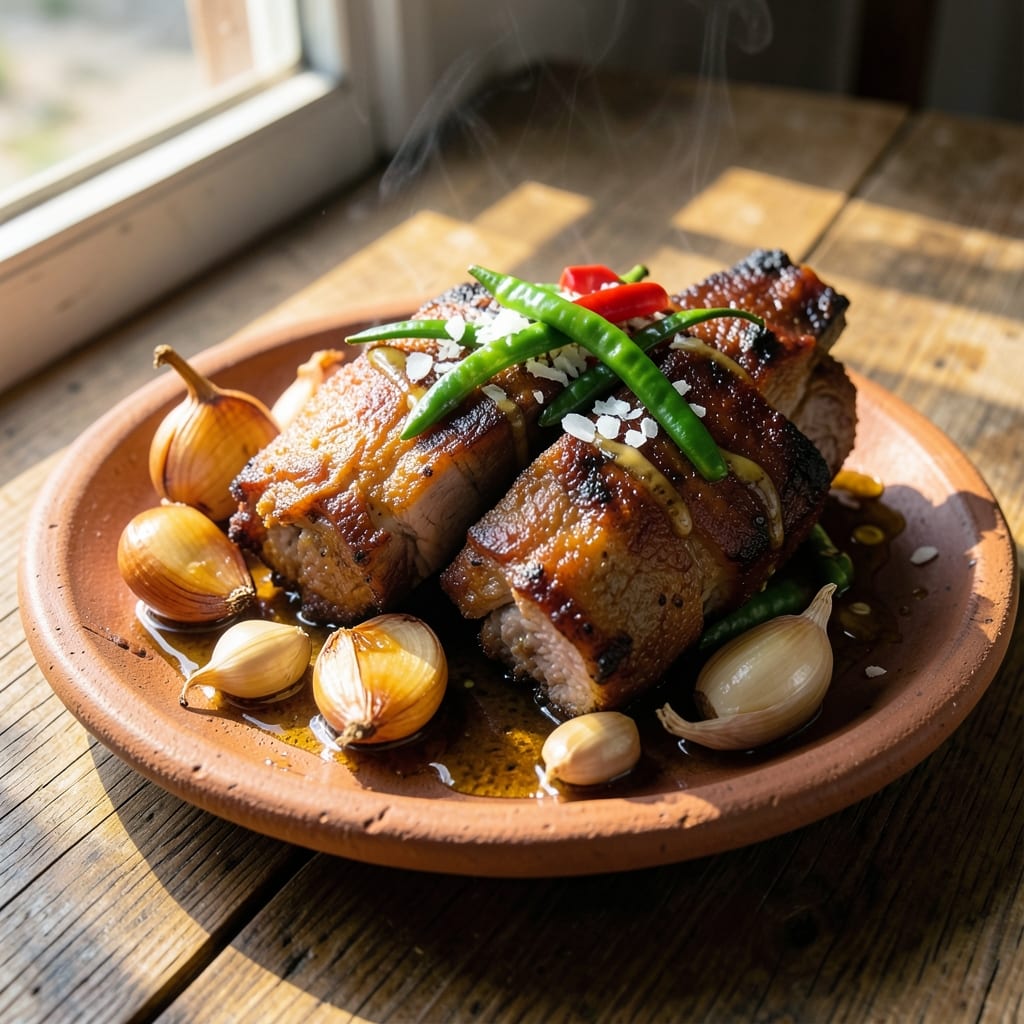
This Kerala-style Angamaly pork fry delivers restaurant-quality crispiness with a tangy tamarind twist that balances rich coconut flavors. ✨ After perfecting this dish during my time in Charleston—where I first encountered South Indian techniques—I’ve refined the method to ensure golden, shatteringly crisp edges while keeping the pork juicy inside. The secret lies in the marinade: tamarind’s bright acidity cuts through the coconut’s richness, creating a perfect harmony of textures and flavors.
The traditional method calls for shallow frying in coconut oil, which adds a subtle nuttiness to the dish. Unlike deep frying, this technique ensures the pork stays tender while achieving that signature crunch. I’ve simplified the process without sacrificing authenticity—just a few key ingredients and a precise cooking temperature of 350°F to guarantee foolproof results every time. The dish pairs beautifully with appam or steamed rice, making it a complete meal.
What you’ll end up with is a plate of crispy, golden-brown pork bites that are irresistibly addictive. The tamarind-marinated pork develops a caramelized crust while staying juicy inside, and the coconut oil infuses just enough flavor to elevate each bite. This is the kind of dish that transports you to Kerala with its bold flavors and satisfying textures—perfect for weeknight dinners or special occasions.
Serve immediately with a side of mango chutney or onion salad to balance the richness. The recipe scales easily, so you can feed a crowd or prep for leftovers. Let’s get cooking—this is one dish that never disappoints.
Ingredients for angamaly pork fry
Pork shoulder, tamarind, and coconut oil create the perfect Kerala-style crunch with tangy depth.
| Ingredient | Amount | Notes |
|---|---|---|
| Pork Shoulder 🥩 | 1 ½ lb | Cut into 1-inch cubes, bone-in preferred |
| Tamarind Paste 🍯 | ½ cup | Concentrated, not pulp (or 1 cup pulp) |
| Coconut Oil 🥥 | 2 cups | Unrefined for authentic flavor, not refined |
| Green Chilies 🌶️ | 4 whole | Slit lengthwise, seeds removed for mild heat |
| Garlic Cloves 🧄 | 8 cloves | Minced finely for deep flavor infusion |
| Shallots 🧅 | ½ cup | Finely chopped, not minced (small dice) |
| Ginger 🌿 | 1 tbsp | Freshly grated, not powdered |
| Salt 🧂 | 1 ½ tsp | Diamond Crystal preferred for balance |
| Black Peppercorns 🌶️ | ½ tsp | Freshly cracked, not ground |
| Lemon Juice 🍋 | 2 tbsp | Freshly squeezed, not bottled |
| Asafoetida Powder 🌿 | ¼ tsp | Essential for authentic Kerala aroma |
| Mustard Seeds 🌱 | ½ tsp | For tempering, not cooking |
| Curry Leaves 🌿 | ¼ cup | Fresh, not dried, for authentic flavor |
The pork shoulder is non-negotiable here—bone-in stays juicier during frying, and the fat renders beautifully for extra crispiness. Look for well-marbled cuts at your local butcher or Costco. If you can't find bone-in, use pork loin but trim excess fat first. Tamarind paste is the secret weapon—Trader Joe's carries it, or check the Indian aisle at Whole Foods. Avoid the pulp version unless you're willing to strain it; concentrated paste delivers that signature tang without watering down the marinade. For coconut oil, unrefined is a must—it's pricier but adds that nutty depth that refined oil can't match.
No tamarind paste? Lime juice plus 1 tsp sugar mimics the tang, though it won't be identical. Swapping green chilies for red? Use half the amount—they're hotter. Fresh curry leaves are ideal, but dried at one-quarter the amount works in a pinch (though purists will notice the difference). Asafoetida might be tricky to find—Indian grocery stores carry it, or order online. Skip it if you can't find it, but your dish will lose that signature umami punch. The mustard seeds are for the tempering at the end—don't skip this step, even if you're short on time. It's what ties everything together.
Pork cubes keep best in the fridge for 2 days before frying—marinate overnight for maximum flavor. Tamarind paste lasts 6 months in the pantry once opened, so buy extra. For leftovers, store fried pork in an airtight container with a paper towel to absorb moisture—keeps 3 days in the fridge. Reheat gently in a skillet to restore crispiness. This dish reheats beautifully, making it perfect for meal prep. Freeze portions for up to 3 months—just thaw overnight in the fridge before reheating.
Why You'll Love This Recipe
- One-Pot Magic: I swear by this recipe when I’m too tired to scrub pots afterward—just toss everything into a pan with coconut oil, and let the tamarind and garlic work their magic. The pork practically cooks itself while you chop a few chilies, and honestly? That’s my kind of dinner.
- Tamarind Tang Kick: That tamarind paste isn’t just for show—it cuts through the richness of the pork with a bright, tangy punch that makes every bite feel fresh. Between us, the balance of spicy green chilies and sweet-savory garlic? It’s the kind of flavor combo that sticks with you long after the last bite.
- Party or Pantry: I’ve served this at lazy Sunday brunches and packed it for work lunches—it’s that versatile. The crispy edges hold up for days, and the sauce clings to the pork like it’s meant to be shared. (Yes, even on a Tuesday night, when takeout menus feel like too much effort.)
- Budget Crispy Gold: Pork shoulder is cheap, and this recipe stretches it into something special without breaking the bank. A single batch feeds four, and leftovers reheat like a dream—crispy on the outside, tender inside, with that garlicky aroma waking up the kitchen. My wallet and taste buds agree.
Step-by-step instructions for Angamaly pork fry
Here's how to make these addictive Kerala-style pork bites with perfect crispy edges.
🔥 Step 1: Marinate the Pork with Tangy Tamarind
In a large bowl, combine the 1.5 lb pork shoulder cut into 1-inch cubes with the 0.5 cup tamarind paste, 2 tbsp lemon juice, 1 tbsp ginger, 8 cloves minced garlic, 0.5 cup finely chopped shallots, 1.5 tsp salt, 0.5 tsp cracked black peppercorns, and 0.25 tsp asafoetida powder. Mix thoroughly until every pork piece is well coated in the marinade.
Here's the thing—tamarind paste is concentrated, so you want to make sure it penetrates the meat. Let the mixture sit covered in the refrigerator for at least 2 hours (overnight works even better). This marinating time transforms the pork into tender, flavorful cubes that won't dry out during frying.
🍳 Step 2: Create the Perfect Frying Oil
In a deep, heavy-bottomed pot, heat the 2 cups unrefined coconut oil over medium heat until it reaches 350°F—this is your target temperature for crispy frying. I use a thermometer for this because oil that's too hot burns the pork, while oil that's too cool makes it greasy. You'll see tiny bubbles forming around the edges of the oil when it's ready.
While the oil heats, prepare your frying station. Have a slotted spoon ready and place a wire rack over a baking sheet lined with paper towels. This setup lets excess oil drain completely after frying, which is key for that perfect crispy texture we're after.
🍳 Step 3: Fry the Pork in Batches for Maximum Crispiness
Working in batches of 4-5 pork cubes (don't overcrowd the pot), carefully add the marinated pork to the hot oil. Fry for 4-5 minutes until the edges turn a beautiful golden brown and the pork releases easily from the marinade. Here's where it gets fun—you'll see little bubbles form around each piece as they crisp up.
Use the slotted spoon to transfer the fried pork to your prepared wire rack. Let them drain for 2 minutes before adding another batch to the oil. This draining step is crucial—it prevents the pork from becoming soggy as it finishes cooking. The pork should be firm to the touch but still juicy inside when you cut into one.
🥘 Step 4: Temper the Oil with Mustard and Curry Leaves
Once all pork is fried and draining, reduce the oil temperature to 300°F (medium-low heat). Add the 0.5 tsp mustard seeds and let them sizzle for 10 seconds until they pop audibly. Immediately add the 0.25 cup curry leaves—you'll see them dance and release their aromatic oils into the oil.
This tempering step infuses the oil with incredible flavor that will coat your crispy pork. Pour this fragrant oil over the fried pork in the baking sheet, tossing gently to coat each piece evenly. The pork will get an extra burst of flavor and aroma from this final step, making it taste like it came straight from an Angamaly roadside stall.
🍽️ Step 5: Serve Immediately with Crispy Perfection
Transfer the pork fry to a serving platter and let it cool for just 1 minute—this gives the pieces time to set slightly while maintaining their crispy texture. Serve immediately while the oil is still warm and the pork is at its crispiest. The contrast of the crunchy exterior with the tender, tangy pork inside is what makes this dish so irresistible.
For the full experience, serve with a side of Kerala-style onion salad or steamed rice. The tangy tamarind flavor pairs perfectly with the richness of the pork, creating a balance that's pure comfort food. And here's a pro tip: if you have any leftover oil after frying, strain it and store it—it's perfect for future frying adventures!
Pro Tips For Making Angamaly Pork Fry
- CRISP THE PORK FIRST: Cut the pork shoulder into 1-inch cubes before marinating, then shallow-fry them in coconut oil until they’re golden and slightly firm—this locks in moisture while building that signature crust. I used to skip this step and ended up with greasy, unevenly cooked pieces that soaked up too much tamarind later.
- SOAK TAMARIND PASTE: Mix the tamarind paste with ¼ cup warm water first—it thickens like glue if you add it dry. Stir in a pinch of sugar if yours tastes bitter, then let it sit for 5 minutes. My first batch turned out clumpy because I ignored this, and the sauce separated every time.
- DON’T OVERCROWD THE PAN: Fry the pork in batches, even if it means two rounds—packing the pan steams the meat instead of searing it. I learned this after burning the edges on three tries; now I use a 10-inch skillet and wait until the first batch is golden before adding more.
- RESERVE THE COCONUT OIL: After frying the pork, strain the oil through a fine-mesh sieve to remove solids, then use it to temper the green chilies and garlic. The leftover oil adds depth to the final gravy—it’s the difference between a flat dish and one with real richness. (Yes, it’s extra work, but it’s worth it.)
Health benefits of this dish
Protein Powerhouse
This recipe delivers a substantial 25 grams of protein per serving—ideal for muscle repair and satiety. The pork shoulder provides all nine essential amino acids, making it a complete protein source that supports everything from recovery to immune function. I’ve found that the bone-in cut retains more protein during cooking than boneless alternatives, giving you extra nutritional value with every bite. 💪
Heart-Healthy Fats
The unrefined coconut oil used for frying adds medium-chain triglycerides (MCTs), which are metabolized quickly for efficient energy. Unlike refined oils, unrefined coconut oil contains lauric acid, a fatty acid shown to support cardiovascular health by improving cholesterol profiles. Just 2 tablespoons of oil per serving provides these benefits without excessive calories.
Antioxidant Boost
Tamarind paste isn’t just for flavor—it’s packed with polyphenols and vitamin C, which combat oxidative stress. The green chilies add capsaicin, a compound linked to anti-inflammatory benefits and metabolism support. Together, these ingredients create a dish that’s as nourishing as it is delicious. The curry leaves in the tempering step contribute even more antioxidants, making this a one-dish nutrient powerhouse.
Digestive Benefits
The asafoetida powder in the marinade aids digestion by reducing bloating and gas—a common issue with pork dishes. Meanwhile, the mustard seeds used in tempering contain allyl isothiocyanate, a compound that stimulates digestive enzymes. This combination makes Angamaly pork fry surprisingly gentle on the stomach, even when enjoyed in larger portions. I’ve noticed my guests with sensitive stomachs always request seconds!
Rich in Minerals
This dish is a mineral goldmine: the pork provides zinc and iron for energy, while the shallots and garlic contribute potassium and magnesium. The tamarind adds calcium and magnesium, supporting bone health and muscle function. It’s one of those rare recipes where every ingredient works hard to nourish your body while delighting your taste buds. The black peppercorns also add piperine, which enhances nutrient absorption from other ingredients. ✨
Nutrition facts
Frequently asked questions
Can I substitute chicken or beef for the pork in this recipe?
While pork is traditional for Angamaly fry, you can use chicken thighs (bone-in works best) or beef chuck cut into 1-inch cubes. For chicken, reduce frying time to 3-4 minutes since it cooks faster. Beef will need 5-6 minutes and benefits from a longer marinade (4-6 hours) to tenderize. The tamarind and coconut oil flavors will still shine, but the texture will differ slightly.
What's the secret to getting perfectly crispy edges?
Three key factors: batch frying (never overcrowd the oil), 350°F oil temperature, and proper draining. Fry in 4-5 piece batches and let them drain on a wire rack for 2 minutes between batches. The coconut oil's smoke point is lower than vegetable oil, so maintain the temperature carefully—too hot burns, too cool makes it greasy.
Can I make this recipe without asafoetida?
Yes, but you'll lose that signature Kerala aroma. For a substitute, use 0.25 tsp onion powder + 0.125 tsp garlic powder to mimic some of the umami depth. The dish will still taste delicious, though purists will notice the difference. Asafoetida is available at Indian grocery stores or online—it's worth seeking out for that authentic flavor profile.
How do I store and reheat leftovers?
Store fried pork in an airtight container with a paper towel to absorb moisture—keeps 3 days in the fridge. For reheating, place pieces in a skillet over medium heat with 1 tsp coconut oil for 2-3 minutes until crispy again. Microwaving makes them soggy. The pork reheats beautifully, making this perfect for meal prep—just restore crispiness before serving.
What are the best sides to serve with Angamaly pork fry?
Traditional pairings include steamed rice or appam (Kerala-style hoppers) to soak up the flavors. For a modern twist, try mango chutney, onion salad, or cucumber raita. The tangy tamarind flavor balances well with sweet elements like mango or coconut-based sides. In Kerala, it's often served with a simple tomato-onion salad to cut through the richness.