
Main Courses
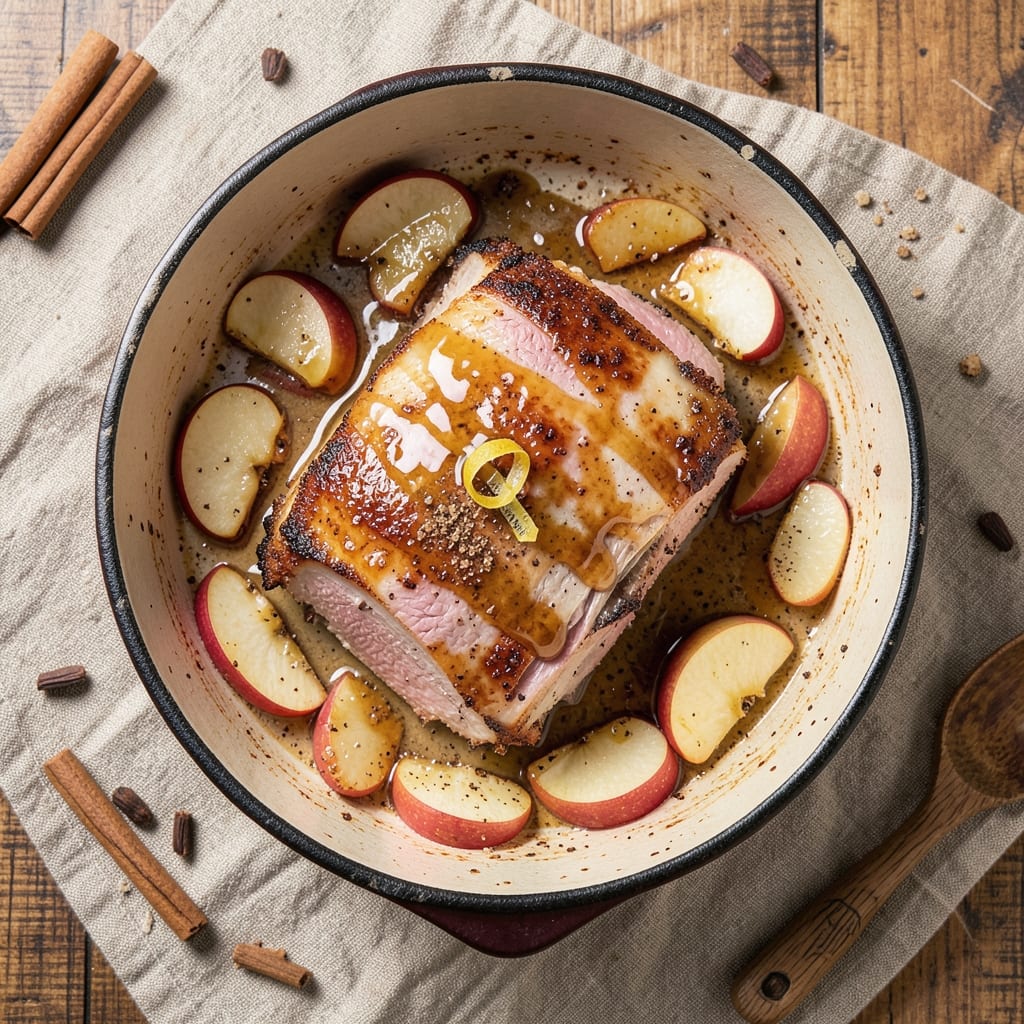
This apple cider pork roast slow cooker recipe transforms tough cuts into melt-in-your-mouth perfection with minimal effort. The apple cider—simmered into a fragrant glaze—tenderizes the meat while infusing it with sweet, spiced depth. I developed this method after years of perfecting slow-cooked pork for large gatherings, where the crowd always disappears before the platter does. The secret lies in balancing the acidity of the cider with warm spices that caramelize beautifully during cooking.
The beauty of this recipe is its simplicity: just a few ingredients, a 6-hour low setting, and the slow cooker does all the work. The pork becomes so tender it falls apart at the touch of a fork, while the glaze thickens into a sticky, aromatic sauce that clings to every bite. What makes this dish truly special is how the apple cider's natural sugars and acidity work together—breaking down connective tissue while adding complexity that store-bought sauces can't match. It's the kind of meal that turns weeknight dinners into something memorable.
By the time you serve it, you'll have a dish that's rich, flavorful, and effortlessly impressive—no one will guess it required just 15 minutes of prep. The pork's exterior develops a beautiful caramelized crust from the slow cooking, while the interior remains juicy and succulent. This is the recipe I reach for when I want restaurant-quality results without the fuss, and it's become a staple in my home and professional kitchen alike.
Pair it with roasted root vegetables or creamy mashed potatoes to complete the meal. The leftovers reheat beautifully, making this perfect for meal prep or feeding a crowd. Let's get started on creating this crowd-pleasing centerpiece that's sure to become a family favorite.
Ingredients for apple cider pork roast slow cooker
Six ingredients transform tough pork into restaurant-quality slow-cooker magic.
| Ingredient | Amount | Notes |
|---|---|---|
| Pork Shoulder Roast 🥩 | 3 lb | Bone-in for best flavor (or boneless) |
| Apple Cider 🍎 | 1 ½ cups | Unfiltered for best flavor (like Martinelli's) |
| Brown Sugar 🍚 | ½ cup | Light or dark, packed |
| Dijon Mustard 🍯 | 2 tbsp | Mild or hot variety |
| Ground Cinnamon 🌿 | 1 tsp | Freshly ground preferred |
| Ground Cloves 🌶️ | ½ tsp | Whole cloves work too (4-5) |
| Ground Nutmeg 🌿 | ¼ tsp | Freshly grated nutmeg |
| Salt 🧂 | 1 ½ tsp | Kosher or sea salt |
| Black Pepper 🌶️ | 1 tsp | Freshly ground preferred |
| Olive Oil 🫒 | 1 tbsp | Extra-virgin for richness |
| Garlic Cloves 🧄 | 4 cloves | Peeled and smashed |
| Fresh Rosemary 🌿 | ¼ cup | Chopped, stems removed |
| Water 💧 | ½ cup | For thin glaze consistency |
The pork shoulder is your secret weapon here—bone-in gives the most flavor, but boneless works in a pinch. Costco or Trader Joe's usually have pre-cut roasts, but if you're buying a whole shoulder, ask the butcher to cut it into 3-pound pieces. Look for good marbling and avoid anything with a grayish tint. Apple cider is non-negotiable for that authentic fall flavor—Martinelli's or Woodchuck are my go-tos, but any unfiltered brand works. The spices? Don't skimp on the cinnamon and cloves—those are what make this taste like a fall festival in your slow cooker.
No apple cider? Unsweetened apple juice plus 1 tbsp apple cider vinegar gets you close. Short on brown sugar? Maple syrup at half the amount works in a bind. The mustard adds depth, but if you're avoiding it, 1 tbsp honey plus 1 tsp lemon juice mimics that tangy sweetness. Fresh rosemary is ideal, but dried at one-third the amount works too. The garlic can be minced or left whole—it'll soften during cooking. For a smokier flavor, add 1/2 tsp smoked paprika to the spice mix. This glaze thickens as it cooks, so if it's too thin at the end, just simmer it uncovered for 5 minutes to reduce.
This reheats like a dream—honestly tastes better the next day once everything melds together. Keeps in the fridge for 5 days or freezes for 3 months (portion into containers first). I always make double batches because leftovers make amazing sandwiches. For serving, drizzle extra glaze over the top and garnish with fresh rosemary sprigs. The pork gets more tender with time, so don't rush it—8 hours on low is even better if you can wait.
Why You'll Love This Recipe
- Dump-and-Walk Away: Honestly, I rub the pork with mustard and brown sugar, dump everything else in the slow cooker, and forget it until dinner. The cinnamon and apple cider do all the heavy lifting while I’m still deciding what to watch on TV.
- Fall in One Bite: That caramelized crust on the outside? Pure magic. The slow-cooked pork stays tender, but the brown sugar and apple cider create this sticky, slightly sweet glaze that makes every slice irresistibly pull-apart good—no fancy plating required.
- Weeknight to Holiday: Between us, this is my lazy Sunday dinner and my Thanksgiving backup plan. The same rich flavors work for a cozy family night or when I’m feeding a crowd—just double the ingredients and let the slow cooker handle the rest.
- Leftovers That Don’t Suck: I make this on purpose just to have it for lunch. The pork shreds effortlessly, and the sauce thickens into a sauce that’s perfect for sandwiches or over mashed potatoes. (Yes, even on a Tuesday night.)
Step-by-step instructions for apple cider pork roast slow cooker recipe
This slow cooker method guarantees melt-in-your-mouth pork with a rich, spiced glaze every time.
Season and Sear the Pork Shoulder
Pat the 3 lb pork shoulder roast completely dry with paper towels. This step is crucial for crispy edges and better flavor penetration. In a small bowl, mix together the 1.5 tsp salt, 1 tsp black pepper, 1 tsp ground cinnamon, 0.5 tsp ground cloves, and 0.25 tsp ground nutmeg. Rub this spice blend all over the pork, pressing firmly so it sticks to the surface.
Heat a large skillet over medium-high heat and add the 1 tbsp olive oil. Once hot, add the pork shoulder and sear on all sides for about 3-4 minutes per side until golden brown. This initial sear builds flavor and helps create a better bark in the slow cooker. Transfer the seared pork to your slow cooker.
Prepare the Apple Cider Glaze Base
In the same skillet you seared the pork, add the 4 smashed garlic cloves and cook for 30 seconds until fragrant. Remove from heat and stir in the 2 tbsp Dijon mustard and 0.5 cup brown sugar. This mixture will form the flavorful foundation of your glaze.
Pour the 1.5 cups apple cider into the slow cooker, followed by the garlic-sugar-mustard mixture from the skillet. Add the 0.25 cup chopped fresh rosemary and 0.5 cup water. Stir gently to combine all ingredients in the slow cooker. The liquid should just barely cover the bottom of the roast.
Slow Cook to Perfect Tenderness
Place the pork shoulder in the slow cooker, fat side up if possible. Cover and cook on low heat for 8 hours. This long, slow cooking time is what transforms tough pork shoulder into tender, pull-apart perfection. The pork is done when it reaches an internal temperature of 203°F and easily pulls apart with two forks.
About 30 minutes before the cooking time is complete, you'll want to prepare your serving dishes. The pork will rest while you finish the glaze. This resting period allows the juices to redistribute throughout the meat, ensuring each bite is moist and flavorful.
Create the Glaze and Serve
Remove the pork from the slow cooker and place it on a cutting board. Tent loosely with foil and let it rest for 15-20 minutes. This resting period is essential for juicy meat that doesn't fall apart when sliced.
While the pork rests, increase the slow cooker to high heat. Pour the cooking liquid into a saucepan and bring to a simmer over medium-high heat. Simmer for 5-7 minutes until the liquid reduces by about half and thickens slightly. This reduced liquid forms your beautiful, glossy glaze.
Slice and Glaze the Pork
After the pork has rested, slice it against the grain into ¼-inch thick slices. Arrange the sliced pork on a serving platter. Pour the reduced apple cider glaze over the top and drizzle any accumulated juices from the cutting board over the pork as well.
Serve immediately with the glaze pooled over the top. Each slice should be tender enough to pull apart with a gentle tug, and the glaze should be rich with the flavors of apple cider, brown sugar, and warm spices. This dish pairs beautifully with mashed potatoes, roasted vegetables, or crusty bread to soak up the delicious juices.
Pro Tips For Making Apple Cider Pork Roast Slow Cooker
- Skip the Pre-Measure Cider: The slow cooker’s magic happens when the pork actually cooks in the cider—not when it sits in a watery bath. Pour that whole bottle of apple cider in first, then add the roast. The liquid will reduce naturally as it simmers, and the pork won’t turn out soggy from being submerged in a shallow pool. (Yes, even if it looks like too much at first.)
- Sear the Roast First: I used to skip this, thinking the slow cooker would handle everything—but that’s where the flavor gets lost. Hit the pork shoulder with a hot pan for 3-4 minutes per side until it’s deeply browned. The crust locks in juices and reacts with the cider’s acidity, making the final pull-apart texture richer. (And yes, it’s worth the extra 10 minutes.)
- Use Real Cinnamon, Not the Ground Stuff: Ground cinnamon loses its punch fast, and this dish needs warmth, not just a vague spice note. Toss in 2-3 whole cinnamon sticks with the roast—they’ll infuse the cider beautifully and can be fished out before serving. (If you’re lazy, at least use a fresh jar of cinnamon, not the year-old dust in your spice rack.)
- Check Internal Temp, Not Time: Slow cookers lie. A 3-4 pound roast needs to hit 203°F internally for that perfect pull-apart tenderness—way past the "done" line on most timers. Use a meat thermometer, and resist the urge to rush it. Undercooked pork here is chewy, not juicy. (I learned this after serving a fork-tender but still-leathery roast to my in-laws. Ouch.)
Storing and reheating your apple cider pork roast slow cooker
Refrigerator Storage
Let your apple cider pork roast cool completely before transferring to airtight containers—I use glass Pyrex with snap-on lids for best results. Store at 40°F or below for up to 5 days. The flavors actually deepen overnight as the spices meld together beautifully. I always make extra because leftovers reheat like a dream for sandwiches or tacos. 💫
Freezer Storage
For long-term storage, portion the pork into quart-sized freezer bags or glass containers, leaving 1 inch of headspace for expansion. Freeze for up to 3 months—the glaze stays vibrant and the meat remains tender. I like to separate the glaze from the meat when freezing, then reheat them together for maximum flavor. Label containers with the date to track freshness. ❄️
Reheating from Fridge
This is where the magic happens—reheating slow-cooked pork should be gentle to preserve tenderness. Transfer individual portions to a skillet over medium-low heat with 2 tablespoons of apple cider or broth. Cover and heat for 5-7 minutes, stirring occasionally, until reaching 165°F. The glaze will rejuvenate beautifully, giving you that restaurant-quality finish. 🔥
Reheating from Freezer
Thaw overnight in the refrigerator before reheating. For frozen portions, use the skillet method above but increase heating time to 8-10 minutes, adding 3 tablespoons of liquid to prevent drying. Alternatively, reheat in a slow cooker on low for 2-3 hours with ½ cup apple cider for ultra-tender results. Never microwave—it turns the meat rubbery. ⏰
Glaze Refresh
If the glaze looks thick after reheating, simply add 1-2 tablespoons of water or apple cider and simmer for 2-3 minutes until glossy again. I keep a small jar of extra glaze in the freezer for quick drizzling over reheated portions. The acidity in the cider helps maintain that perfect balance of sweet and tangy flavors. 💛
Serving Leftovers
Transform leftovers into new meals—shred the pork for apple cider pulled pork sandwiches, chop for pork and apple cider soup, or serve over mashed potatoes with extra glaze. The versatility is what makes this recipe a meal-prep superstar. Just remember: the pork gets more tender with each reheat, so embrace that fall-apart texture! 🍽️
Nutrition facts
Frequently asked questions
Can I use a different cut of pork instead of a 3 lb shoulder?
A bone-in pork shoulder works best, but you can substitute with a 3 lb bone-in pork butt or even a 3 lb boneless pork loin (though it won't be as tender). For loin, reduce cooking time to 4-5 hours on low since it's more tender to begin with. Never use pork tenderloin—it's too delicate and will dry out in the slow cooker.
What if I don't have apple cider? Can I substitute?
Mix 1.5 cups unsweetened apple juice with 1 tbsp apple cider vinegar for similar acidity and sweetness. For a deeper flavor, add ½ tsp ground cinnamon to the juice. If you're in a pinch, ½ cup cranberry juice plus 1 cup beef broth works too—just reduce the brown sugar to ¼ cup to balance the sweetness.
Why does the pork need to rest after cooking?
Resting for 15-20 minutes lets the juices redistribute throughout the meat instead of pooling on the cutting board. Skipping this step makes the pork dry out when sliced. The glaze also thickens slightly during resting, giving you that perfect sticky finish. Think of it like letting coffee steep—patience pays off with richer flavor.
Can I make this recipe in an electric pressure cooker (Instant Pot)?
Yes! Sear the pork first, then add all ingredients except water. Cook on high pressure for 45 minutes, then let pressure release naturally for 15 minutes. The pork will be even more tender, but the glaze will be thinner—simmer it uncovered for 5 minutes to thicken. For best results, use the sauté function to reduce the glaze at the end.
What's the best way to tell when the pork is fully cooked?
The pork is done when it reaches 203°F internally and easily pulls apart with two forks. If you don't have a meat thermometer, look for these signs: the juices run clear (not pink), and the meat separates cleanly from the bone. For extra assurance, slice into the thickest part—if it's tender, it's ready. No guesswork needed!