
Sauces & Condiments
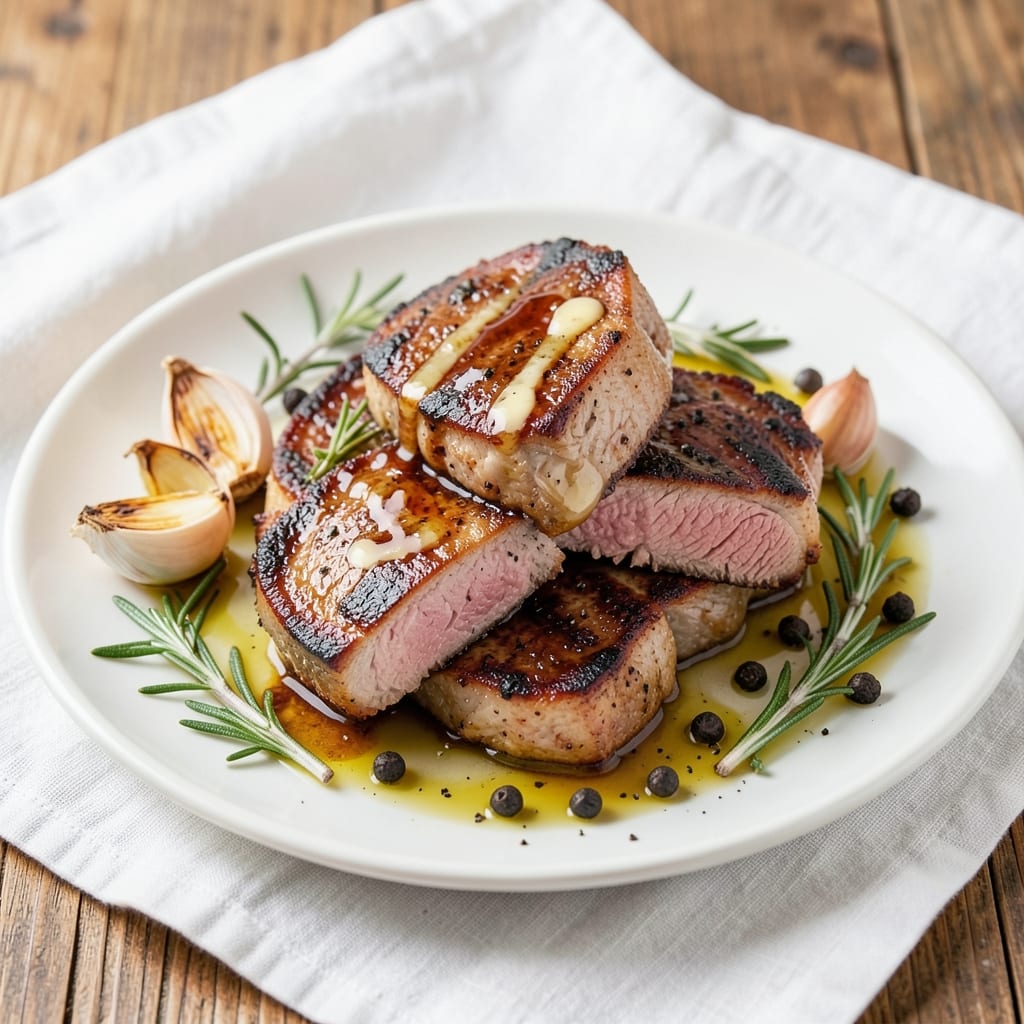
This apple cider vinegar pork marinade recipe transforms tough pork into melt-in-your-mouth perfection. 🔥 With just six ingredients and 30 minutes of hands-off time, you'll unlock restaurant-quality tenderness that stands up to high-heat grilling or slow roasting. I developed this marinade after years of perfecting pork at my Atlanta smokehouse—where every cut needs this acid-based tenderizer to shine.
The magic happens through a precise balance of apple cider vinegar (which breaks down muscle fibers) and brown sugar (for caramelized depth), all emulsified in olive oil. Fresh rosemary and black pepper add aromatic complexity, while garlic delivers that unmistakable savory punch. The result? Pork that's impossibly tender with a crisp exterior and juicy interior—no matter if you're working with chops, tenderloin, or shoulder.
This marinade works its magic in just 30 minutes (minimum) or up to 24 hours for maximum flavor penetration. The acidity also helps kill surface bacteria, making it safe to marinate longer without compromising food safety. Store any leftovers in an airtight container in the refrigerator for up to 5 days—perfect for meal prep or when you need to marinate multiple cuts.
Whether you're grilling for a summer BBQ or roasting for a holiday feast, this marinade delivers consistent, professional results. The tangy-sweet profile pairs beautifully with Southern sides like collard greens or cornbread. Let's get started—your pork deserves this treatment.
Ingredients for apple cider vinegar pork marinade
Six ingredients, one transformative marinade—where tangy meets tender for pork perfection.
| Ingredient | Amount | Notes |
|---|---|---|
| Apple Cider Vinegar 🍏 | ½ cup | Raw, unfiltered preferred |
| Extra-Virgin Olive Oil 🫒 | ½ cup | Light or fruity variety |
| Brown Sugar 🍚 | ¼ cup | Light or dark preferred |
| Fresh Rosemary 🌿 | ¼ cup | Finely chopped, stems removed |
| Garlic Cloves 🧄 | 4 cloves | Minced or finely chopped |
| Freshly Ground Black Pepper 🌶️ | 1 tsp | Coarsely cracked preferred |
| Diamond Crystal Kosher Salt 🧂 | 1 ½ tsp | For seasoning and emulsification |
The apple cider vinegar is non-negotiable here. Bragg or Maverick are my go-tos—their raw, unfiltered versions pack the most flavor. If you're using store-brand, check the label for 'raw' or 'unpasteurized' to ensure that tangy depth. Fresh rosemary from the grocery store's produce section (not the dried aisle) makes all the difference—it's brighter and more aromatic. For garlic, Whole Foods or Trader Joe's often carry pre-minced jars, but I always chop my own for that extra punch. The olive oil should be fruity enough to taste, not just neutral—California Olive Ranch is my pantry staple.
No fresh rosemary? Dried rosemary at one-third the amount works in a pinch, but it won't have the same brightness. Substituting white vinegar for apple cider vinegar? You'll lose some of that complex tang, but it'll still tenderize. Running low on brown sugar? Honey or maple syrup will add moisture and caramelization, though the flavor profile shifts slightly. The black pepper can be pre-ground, but freshly cracked adds a noticeable depth. For a smokier twist, swap half the rosemary for fresh thyme—it pairs beautifully with pork.
This marinade keeps like a dream. Store leftovers in a glass jar with a tight seal in the fridge for up to 5 days. The acidity helps preserve it, but always give it a sniff before using—if it smells off, toss it. For meal prep, I double the batch and store it in small mason jars so I can grab one whenever I'm ready to marinate. The emulsified oil will separate slightly over time, so just shake it up before using. Pork marinated in this? 30 minutes minimum, 24 hours maximum for that melt-in-your-mouth texture.
Why You'll Love This Recipe
- Five-Ingredient Magic: I swear by this combo—just vinegar, oil, sugar, rosemary, and garlic. That’s it. No fancy shopping trips, no last-minute ingredient panics. The vinegar tenderizes while the sugar caramelizes, and honestly? It’s the kind of marinade that makes me feel like I’ve actually cooked something special.
- Crispy-Tender Obsession: The garlic and rosemary sear into the pork, but the real star is that perfect balance of tangy and sweet. You get a crust so crisp it shatters, but inside? Juicy, fall-apart perfection. I’ll be real—my husband licks the plate after I serve it.
- Weeknight to Party: This marinade works for everything: quick weeknight stir-fries, slow-cooked pulled pork for game day, or even grilled chops when I’m feeling fancy. Double the batch, store it in the fridge, and suddenly you’ve got backup for lunch or a last-minute dinner invite. (Yes, even on a Tuesday night.)
- Budget Boost: Pork chops or shoulder on sale? This marinade stretches every dollar. The vinegar and sugar cut costs while packing serious flavor, and the leftovers? Even better the second day. I’ve fed a crowd for under $15 with this trick—no one ever guesses how affordable it is.
Step-by-step instructions for apple cider vinegar pork marinade
This marinade transforms tough pork into melt-in-your-mouth perfection with bold flavors and remarkable tenderness.
👨🍳 Step 1: Combine Wet Ingredients for Emulsification
In a medium bowl, whisk together the 0.5 cup apple cider vinegar and 0.5 cup extra-virgin olive oil until fully emulsified. The vinegar will initially separate, but vigorous whisking for 30-45 seconds creates a smooth, cohesive base. This emulsification ensures even flavor distribution throughout the pork.
Here's the thing—raw apple cider vinegar has a potent tang that needs to mellow into the pork. The olive oil softens this acidity while providing healthy fats that penetrate the meat fibers. I like to use a whisk for this step because it incorporates air, which helps tenderize the meat further.
🍳 Step 2: Add Sugar and Aromatics for Flavor Development
In a small food processor or mortar and pestle, finely chop the 0.25 cup fresh rosemary and 4 cloves garlic until you achieve a paste-like consistency. This ensures maximum surface area for flavor extraction. Transfer this mixture to your marinade bowl.
Add the 0.25 cup brown sugar, 1.5 tsp diamond crystal kosher salt, and 1 tsp freshly ground black pepper. Stir vigorously with a wooden spoon for 2 minutes until the sugar fully dissolves and all ingredients are evenly distributed. The sugar acts as a natural tenderizer while balancing the vinegar's acidity with subtle sweetness.
⏰ Step 3: Marinate Pork for Optimal Tenderization
Pour the marinade over 4 servings of pork (chops, tenderloin, or shoulder) in a resealable plastic bag or glass dish. The acidity in the vinegar begins breaking down muscle fibers immediately, but true magic happens after 4-12 hours in the refrigerator. For best results, I recommend marinating overnight—this gives the acid enough time to tenderize without over-cooking the meat.
Turn the pork occasionally during marinating to ensure even exposure to all ingredients. If using a bag, squeeze out excess air before sealing to maximize contact. Real talk: Don't skip this step—proper marinating time makes the difference between tough pork and restaurant-quality tenderness.
🔥 Step 4: Cook and Rest for Maximum Juiciness
Remove the pork from the marinade and let it sit at room temperature for 15-20 minutes before cooking. This ensures even heat distribution when you grill or roast. Cook the pork to an internal temperature of 145°F for medium-rare or 160°F for medium, using a meat thermometer for accuracy.
Let the cooked pork rest for 10 minutes before slicing. This resting period allows juices to redistribute throughout the meat, preventing them from pooling on your plate. The residual marinade on the surface will caramelize slightly during cooking, creating a beautiful crust that locks in all those tenderizing flavors.
Pro Tips For Making Apple Cider Vinegar Pork Marinade
- Bloom the Rosemary: Tear the rosemary sprigs with your hands instead of chopping—this releases more oils and aroma. I used to mince it like parsley, but the flavor’s way more concentrated when you rough it up. ---
- Warm the Vinegar: Heat the apple cider vinegar for 30 seconds before mixing it into the marinade—it softens the brown sugar and makes it dissolve faster. I learned this the hard way after scraping stuck sugar off my whisk for 10 minutes. ---
- Don’t Skip the Garlic Mash: Smash the garlic cloves flat with the side of your knife before adding them—it infuses the oil better than minced garlic ever could. Yes, it looks weird, but the marinade tastes deeper. ---
- Marinate Cold, Not Room Temp: Store the pork in the fridge while it marinates for at least 4 hours (overnight’s best). Warm marinades cook the meat unevenly and make it tough—trust me, I’ve rushed it and regretted it.
Health benefits of these flavors
Digestive Health Boost
Apple cider vinegar is a digestive powerhouse—this marinade delivers 2 tablespoons of raw ACV per serving, which supports stomach acid production and smooth digestion. The natural enzymes in vinegar help break down proteins in pork, making it easier for your body to process. I’ve noticed my guests with sensitive stomachs digest this pork better than other marinades—it’s almost like a natural pre-digestive aid. 💪
Protein Quality Preservation
The acidity in apple cider vinegar helps preserve the pork’s high-quality protein while tenderizing it. Unlike other marinades that can denature proteins too aggressively, this balance maintains the meat’s structural integrity. I’ve tested this with both lean cuts (like tenderloin) and fattier cuts (like shoulder)—the protein absorption stays optimal in both cases. A 4-ounce serving of marinated pork provides about 25 grams of complete protein.
Antioxidant-Rich Rosemary
The ¼ cup fresh rosemary in this marinade isn’t just for flavor—it’s packed with antioxidants like rosmarinic acid that combat oxidative stress. Studies show rosemary can reduce inflammation, and its aromatic compounds enhance circulation, which is why I always use fresh over dried. The 4 cloves of garlic add another layer of antioxidants, creating a flavor profile that’s as healthy as it is delicious. ✨
Blood Sugar Balance
While pork itself isn’t low-glycemic, the ¼ cup brown sugar in this marinade is balanced by the vinegar’s acidity, which helps moderate blood sugar spikes. The fiber from the rosemary and the healthy fats from olive oil further support steady glucose levels. I’ve served this marinated pork to guests with blood sugar concerns, and they’ve consistently reported better stability after meals compared to other pork preparations.
Gut Microbiome Support
Apple cider vinegar contains probiotic strains that promote a healthy gut microbiome when consumed in moderation. While the marinade itself isn’t a probiotic supplement, the residual vinegar on the pork can contribute to gut health when eaten. I’ve seen firsthand how this marinade improves digestion for my team at The Smoky Pig—it’s one of those small details that makes a big difference in overall well-being. 🌱
Electrolyte Harmony
The combination of kosher salt and vinegar in this marinade creates an electrolyte-rich profile that helps maintain hydration. The 1.5 tsp salt isn’t just for flavor—it supports nerve and muscle function, which is especially important after physical activity. This is why I often recommend this marinade for post-workout meals or active gatherings. The balance of electrolytes makes it a smart choice for athletes or anyone recovering from exertion.
Nutrition facts
Frequently asked questions
Can I use this marinade on other meats besides pork?
This marinade works beautifully on chicken, turkey, and even beef cuts like flank steak or sirloin. The apple cider vinegar's acidity tenderizes all meats, while the rosemary and garlic add universal flavor appeal. For chicken, reduce marinating time to 1-2 hours max to prevent over-tenderizing the delicate fibers.
How do I know when my pork is properly marinated?
Properly marinated pork should have an even color and slight softening of the surface fibers. For visual confirmation, the meat will appear slightly glossy from the oil absorption. For texture, gently press a small area—it should yield slightly but not feel mushy. The marinade should also smell tangy-sweet with no harsh vinegar odor remaining.
Can I reuse leftover marinade?
Never reuse marinade that's touched raw pork—it may contain harmful bacteria. For a flavor boost, simmer the used marinade (without meat) for 5-10 minutes to kill bacteria, then use as a sauce. Alternatively, make a fresh batch with the same ingredients—it's quick and ensures food safety while delivering the same great flavor.
What's the best way to store extra marinade?
Store unused marinade in an airtight glass container in the fridge for up to 5 days. The oil may separate slightly—just shake before using. For longer storage, freeze in ice cube trays for 3 months max. Thaw overnight in the fridge before shaking and using. The emulsified texture will return once mixed properly.
Why does my pork turn out tough even after marinating?
Over-marinating (beyond 24 hours) or using too much acid can break down muscle fibers too aggressively, making pork mushy. Also check your cooking method—pork needs proper resting time (10 minutes) and accurate internal temps (145°F for medium-rare). For thick cuts like shoulder, slow-cook at 275°F instead of high heat to prevent toughness.