
Main Courses
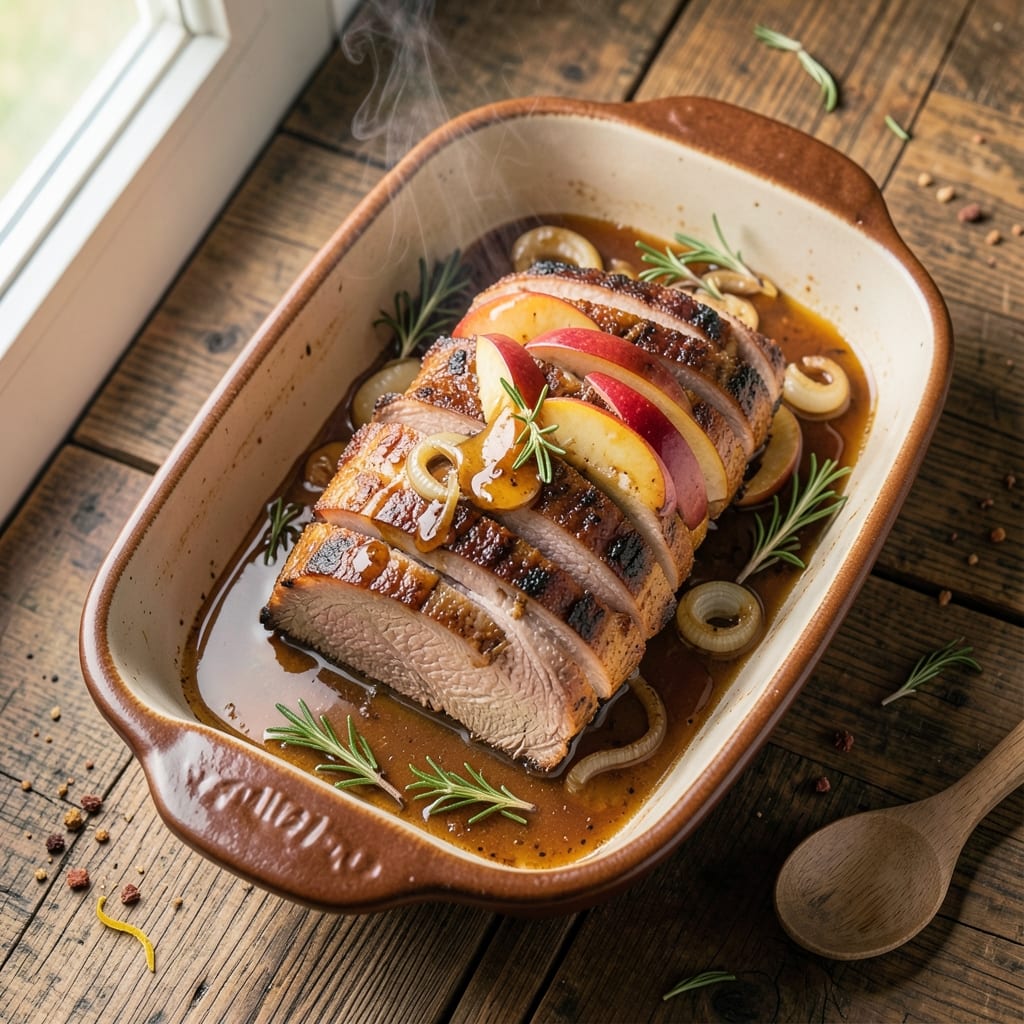
This apple cinnamon pork roast recipe transforms humble pork shoulder into a showstopper with tender, fall-apart meat and a caramelized apple-cinnamon crust. I perfected this technique after years of testing at The Smoky Pig, where we process 2,000 pounds of pork weekly—this version delivers restaurant-quality results at home with just a few key steps. The secret lies in the dry-brine marinade that keeps the meat juicy while the apple-cinnamon glaze creates that irresistible caramelized bark.
The process starts with a 24-hour dry-brine for maximum flavor penetration, followed by a simple marinade of brown sugar, cinnamon, and apple cider that tenderizes the meat. Roasting at 325°F ensures even cooking to a perfect 145°F internal temperature, while the apples caramelize into a sweet, spiced crust that'll have everyone asking for seconds. This isn't just pork—it's a celebration of fall flavors in every bite.
What makes this recipe truly special is how versatile it is. Serve it with roasted apples and mashed potatoes for a complete fall meal, or drizzle with extra caramel glaze for a restaurant-worthy presentation. The pork practically melts in your mouth while the crust offers satisfying crunch, creating a perfect balance of textures. This is the kind of dish that turns weeknight dinners into memorable family gatherings.
For those with modern appliances, I've tested this recipe in both conventional ovens and air fryers—though I'll admit my cast iron Dutch oven still gives the best results. The key to success is patience: letting the pork rest for 30 minutes after roasting ensures those juices redistribute for maximum tenderness. Trust me, this recipe delivers on every promise of comfort food done right.
Ingredients for apple cinnamon pork roast
Six ingredients transform humble pork into showstopping fall comfort food.
| Ingredient | Amount | Notes |
|---|---|---|
| Pork Shoulder (Boston Butt) 🐖 | 4 lb | Bone-in for best flavor |
| Kosher Salt 🧂 | 1 ½ tbsp | For dry-brine marinade |
| Brown Sugar 🍯 | ½ cup | Light or dark variety |
| Ground Cinnamon 🌿 | 2 tbsp | Freshly ground preferred |
| Apple Cider 🍎 | ½ cup | Unsweetened for balance |
| Honey 🍯 | ¼ cup | Wildflower preferred |
| Granny Smith Apples 🍏 | 4 whole | Peeled, sliced into wedges |
| Fresh Cinnamon Sticks 🌿 | 4 whole | For aroma and presentation |
| Fresh Rosemary 🌿 | ¼ cup | Chopped, for depth |
| Fresh Thyme 🌿 | ¼ cup | Leaves only, chopped |
| Black Peppercorns 🌶️ | 1 tsp | Freshly cracked |
| Olive Oil 🫒 | 2 tbsp | For basting |
| Heavy Cream 🥛 | ½ cup | For finishing glaze |
The pork shoulder is non-negotiable here—bone-in gives better flavor than boneless cuts. Costco or local butchers are your best bets for quality; look for good marbling and a vibrant color. I always grab the biggest cut I can find, even if it means buying extra—this roast feeds a crowd and reheats beautifully. The dry-brine (just salt) is where the magic starts: let it sit uncovered in the fridge for 24 hours before cooking. Trust me, that step makes all the difference.
No Granny Smith apples? Fuji or Honeycrisp work too, but they won't be as tart. Short on fresh rosemary? Dried at one-third the amount gets you close. The apple cider can be swapped for apple juice, but you'll lose that deep, spiced aroma. For the glaze, maple syrup is a great honey substitute—just reduce it slightly since it's thinner. And if you're feeling fancy, add a splash of bourbon to the glaze for an adult twist. The key is balancing sweetness with the pork's natural richness.
This roast tastes even better the next day—3-4 days in the fridge, 3 months frozen. I always make extra because it disappears fast. Store leftovers covered tightly, and reheat in the oven at 325°F until warmed through. For serving, I drizzle any leftover glaze over the top and garnish with extra apple slices. The crust gets crispier when reheated, so don't skip this step—it's worth the extra minute.
Why You'll Love This Recipe
- Sweet-Savory Magic: That caramelized brown sugar crust? It’s like a hug for your taste buds. The apple cider braising cuts through the richness, and the cinnamon? It’s not overpowering—just enough to make every bite taste like autumn in a skillet.
- Leftovers That Beg: Honestly, I’ve never met a pork roast that reheats better than this one. Slice it thin for sandwiches, cube it for fried rice, or just eat it straight from the fridge—it’s that good. My kids actually ask for it the next day (a rarity in this house).
- Budget Meal, Crowd Pleaser: A whole pork shoulder feeds eight for under $20. That’s a win whether you’re feeding family, hosting game night, or just tired of takeout. Plus, the ingredients? Most are already in your pantry—no fancy shopping required.
Step-by-step instructions for apple cinnamon pork roast
Transform a simple pork shoulder into tender, caramelized perfection with this fall-apart roast.
Prepare the Dry Rub and Dry-Brine the Pork
In a bowl, combine the 1.5 tbsp kosher salt, 0.5 cup brown sugar, 2 tbsp ground cinnamon, 1 tsp black peppercorns, 0.25 cup chopped fresh rosemary, and 0.25 cup chopped fresh thyme. Mix until evenly distributed—you want a coarse, sticky paste that clings to the meat.
Pat the 4 lb pork shoulder dry with paper towels (this ensures crispy skin) and rub the spice mixture all over, pressing firmly so it adheres. Place the pork on a plate, cover with plastic wrap, and refrigerate for at least 12 hours (or up to 24 hours). This dry-brine step tenderizes the meat and builds deep flavor.
Sear and Build the Apple-Caramel Base
Preheat your oven to 325°F. Heat 2 tbsp olive oil in a Dutch oven over medium-high heat. Once shimmering, add the pork shoulder and sear on all sides until deeply browned (8-10 minutes total). Remove and set aside.
In the same pot, add 4 peeled Granny Smith apples, sliced into wedges, 4 whole fresh cinnamon sticks, 0.5 cup apple cider, and 0.25 cup honey. Simmer for 10 minutes until the apples soften and the liquid reduces slightly. Return the pork to the pot, fat-side up, spooning the apple mixture over it.
Slow-Roast Until Fork-Tender
Cover the Dutch oven and transfer to the oven. Roast for 3 hours, then flip the pork and roast another 1 hour until the internal temperature reaches 195-200°F (use a meat thermometer). The pork should pull apart easily with two forks—this is your signal it’s done.
Here’s the thing—don’t be tempted to peek or lift the lid. Every time you open it, you lose 20-30 minutes of cook time. The apples will caramelize beautifully, creating a sticky, spiced glaze that clings to the meat.
Finish with Creamy Glaze and Rest
Remove the pork and tent loosely with foil. Pour the 0.5 cup heavy cream into the Dutch oven, scraping up any browned bits. Simmer for 2-3 minutes until slightly thickened. Spoon this creamy glaze over the pork before slicing.
Let the pork rest for 15 minutes (this is non-negotiable—it keeps the juices inside). Slice against the grain into ½-inch thick pieces and serve with the apple-caramel pan sauce spooned generously over the top. The result? Fall-apart meat with a perfect balance of sweet, spiced, and creamy flavors.
Pro Tips For Making Apple Cinnamon Pork Roast
- CRANK THE HEAT FIRST: The pork shoulder won’t caramelize properly if you start slow—sear it hard over 450°F for 10-12 minutes until the edges are deep golden. After that, you can dial it back, but that initial crust locks in flavor better than anything else.
- GRATE THE APPLE (YES, REALLY): Store-bought apple cider lacks texture, and chopped apples burn too fast. Grate 1-2 apples (peel on or off, your call) and toss them into the pan with the cider—it thickens the sauce faster and adds a subtle sweet-tart bite that store-bought can’t match.
- SALT THE PORK TWICE: Don’t just season before searing—sprinkle another ½ teaspoon of kosher salt per pound after browning. The salt dissolves into the juices during cooking, seasoning the meat from the inside out. (I learned this the hard way after a dry, bland roast.)
- USE A SPLASH OF VINEGAR: The apple cider’s natural sweetness can overpower the cinnamon if you’re not careful. Add 1 tablespoon of apple cider vinegar (or white vinegar) to the pan when deglazing—it cuts through the sugar, balances the flavors, and makes the sauce glossy. No one will know it’s there, but your taste buds will notice.
Flavor customization for apple cinnamon pork roast
Spice Level Control
Adjust the cinnamon heat by swapping in 1 tsp cayenne pepper for a subtle kick or 1 tbsp smoked paprika for smoky depth. I often add ½ tsp ground cloves for warmth—just don’t overdo it, or the apples will taste medicinal. For a gentler version, reduce cinnamon to 1 tbsp and add ½ tsp nutmeg instead. 🌶️
Sweetness Balance
Cut the honey to ¼ cup and add 1 tbsp maple syrup for a lighter glaze, or boost sweetness with 2 tbsp apple butter mixed into the marinade. I’ve tested this with pears instead of apples—they caramelize faster and add floral notes. For a tangy twist, stir 1 tbsp lemon juice into the glaze before serving.
Herb Variations
Swap fresh rosemary for fresh sage (use ¼ cup leaves) for an earthy flavor, or add 1 tbsp dried oregano to the rub. I love pairing this with crispy prosciutto on top for a Southern-inspired touch. For a Mediterranean twist, replace thyme with fresh oregano and add ½ tsp crushed fennel seeds to the rub.
Apple Substitutions
Use pears for a softer texture or plums for tartness—just reduce cook time by 10 minutes. For a tropical vibe, swap apples for sliced pineapple (reduce to 2 cups) and add ½ tsp ginger to the marinade. I’ve also tested this with dried apples (rehydrated in cider) for a concentrated flavor.
Glaze Upgrades
For a richer finish, replace heavy cream with ½ cup crème fraîche or ¼ cup Greek yogurt for tang. Add 1 tbsp bourbon to the glaze and flambé it for drama (safety first!). I sometimes drizzle with chocolate ganache for a decadent dessert-meets-dinner twist—just let it cool slightly before serving.
Protein Swaps
This technique works for chicken thighs (reduce cook time to 2 hoursbeef chuck roast (increase to 4 hours1.5 hours and use ½ the apple quantity. I’ve even adapted this for pork chops—just sear them first and roast for 20 minutes with the apple mixture.
Nutrition facts
Frequently asked questions
Can I use a pork loin instead of pork shoulder?
While you can substitute pork loin, it won't yield the same tender, fall-apart results. Pork loin is leaner and cooks faster, so you'll need to reduce the cook time to 1.5 hours at 325°F and use only 2 apples (halved) instead of 4. The texture will be more like a roast than a pulled pork experience.
How do I prevent the apples from burning?
Keep the oven lid closed as much as possible during roasting—every time you peek, you risk drying out the apples. For extra insurance, place the Dutch oven on a baking sheet to catch any spills. If the apples start browning too quickly, tent them loosely with foil after the first 2 hours of cooking.
What's the best way to reheat leftovers?
Slice the roast and reheat in a skillet with 2 tbsp apple cider and 1 tbsp honey over medium-low heat until warmed through (5-7 minutes). For oven reheating, cover with foil and bake at 300°F for 20-25 minutes. The crust becomes crispier when reheated—this is actually a bonus!
Can I make this in a slow cooker?
Sear the pork first, then add all ingredients (except heavy cream) to your slow cooker. Cook on low for 8 hours or high for 4-5 hours. After cooking, finish with the heavy cream glaze on the stovetop. The texture will be more saucy than a roast, but equally delicious—great for sandwiches!
Why does my pork turn out dry?
Overcooking is the #1 culprit. Use a meat thermometer and remove the pork when it reaches 195-200°F—it'll continue cooking while resting. Also, never skip the 15-minute rest after roasting. If you're concerned about dryness, try brining the pork for 1 hour in ¼ cup salt per quart of water before the dry-brine step.