
Sauces & Condiments
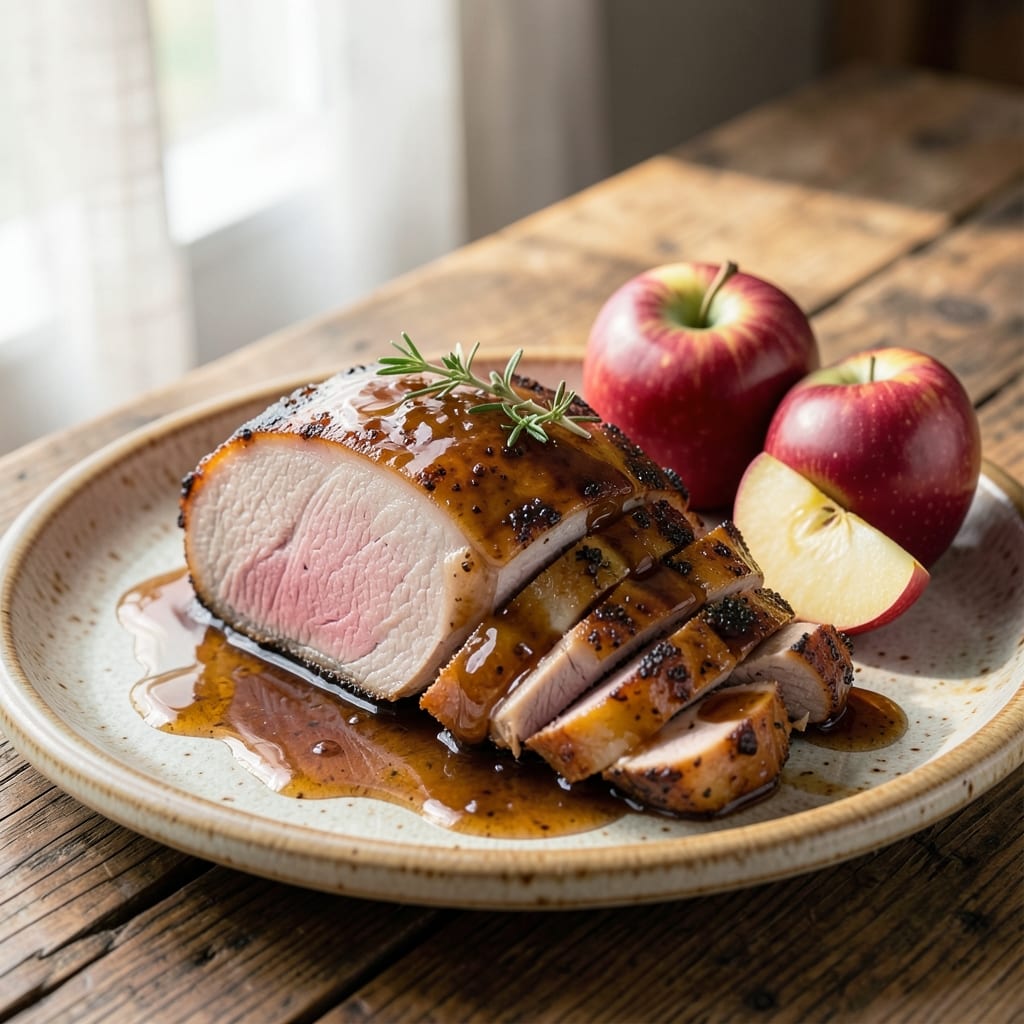
This apple glazed pork loin recipe transforms simple ingredients into a showstopping centerpiece that balances sweet, tangy, and savory flavors. The secret lies in a caramelized apple glaze that clings to every bite, creating a perfect harmony of textures and tastes. I've perfected this technique over years of working with pork—whether it's for Sunday dinner or a special occasion, this dish never fails to impress.
The process begins with a simple glaze made from apples, cider, and spices, which gets reduced to a thick, glossy consistency that caramelizes beautifully. While the glaze simmers, the pork loin roasts to an internal temperature of 145°F, ensuring it stays juicy and tender. The glaze is then brushed on during the final minutes, creating that signature caramelized crust that adds depth and richness.
What you'll end up with is a perfectly cooked pork loin that's moist and flavorful on the inside, with a glossy, caramelized glaze on the outside. The apples add a subtle sweetness that pairs beautifully with the savory pork, while the spices bring warmth and complexity. This dish is elegant enough for a dinner party but simple enough for a weeknight meal.
Serve with roasted sweet potatoes or a fresh green salad to balance the richness, and pair with a crisp white wine or apple cider for the full experience. The glaze can also be made ahead, allowing you to focus on cooking the pork when the time comes. Let's get started on this crowd-pleasing recipe!
Ingredients for apple glazed pork loin
Twelve simple ingredients transform into a restaurant-worthy apple glazed pork loin with caramelized sweetness.
| Ingredient | Amount | Notes |
|---|---|---|
| Boneless Pork Loin 🥓 | 1 ½ lb | Center-cut for juiciness |
| Honeycrisp Apples 🍎 | 2 medium | Peeled, cored, sliced thin |
| Apple Cider 🍏 | ½ cup | Unfiltered for best flavor |
| Brown Sugar 🍚 | ¼ cup | Packed, light variety |
| Dijon Mustard 🥫 | 1 tbsp | For depth of flavor |
| Balsamic Vinegar 🍷 | 1 tbsp | Aged for tanginess |
| Fresh Thyme Leaves 🌿 | ¼ cup | Or 1 tbsp dried thyme |
| Fresh Rosemary 🌿 | 1 tbsp | Chopped, for aroma |
| Salt 🧂 | 1 tsp | Kosher or sea salt |
| Black Pepper 🌶️ | ½ tsp | Freshly ground preferred |
| Unsalted Butter 🧈 | 2 tbsp | For basting |
| Granulated Garlic 🧄 | 1 tsp | Or 1 fresh clove minced |
The pork loin should be center-cut for juiciness—Costco or Whole Foods carry excellent options. Honeycrisp apples are ideal for their balance of sweetness and tartness, but Granny Smith or Fuji work too. Look for apples with vibrant color and firm texture. The apple cider should be unfiltered for deeper flavor—Woodchuck or Angry Orchard are great choices. Fresh thyme and rosemary elevate the dish, but dried will work in a pinch if you're short on time.
No Honeycrisp apples? Any crisp apple variety works—just adjust sweetness with extra brown sugar. Substitute balsamic vinegar with red wine vinegar at half the amount if needed. For a richer glaze, add 1 tbsp apple butter to the mix. The Dijon mustard adds depth, but whole-grain mustard works too. If you're prepping ahead, make the glaze first and refrigerate it for up to 3 days—just reheat gently before using.
The pork loin keeps best in the fridge for 2 days before cooking. Fresh herbs should be stored in a sealed container with a damp paper towel to maintain freshness. The glaze can be made 1 day ahead and reheated before brushing on the pork. Leftover pork reheats beautifully—simply warm in the oven at 350°F for 15 minutes with a splash of apple cider to revive the moisture.
Why You'll Love This Recipe
- Same recipe, different vibes: toss it together for a lazy Tuesday or dress it up with fresh thyme for a holiday table. The glaze thickens beautifully, so it’s just as impressive sliced thin for charcuterie as it is served whole.
- One-Pan Magic: I swear by this recipe when I’m too tired to scrub a million dishes. The pork and apples caramelize right on the sheet pan—no extra bowls, no fuss—just sticky, golden perfection that makes cleanup feel like a victory.
- Sweet-Savory Balance: That Dijon mustard cut through the sweetness like a knife, while the Honeycrisp apples add a tangy crunch. Honestly, the first time I tasted it, I nearly licked the plate—it’s that good.
- Weeknight to Dinner Party: Same recipe, different vibes: toss it together for a lazy Tuesday or dress it up with fresh thyme for a holiday table. The glaze thickens beautifully, so it’s just as impressive sliced thin for charcuterie as it is served whole.
Step-by-step instructions for apple glazed pork loin
This method delivers perfectly juicy pork loin with a caramelized apple glaze that balances sweetness and tang.
Prepare the Pork Loin for Even Cooking
Remove the pork loin from the refrigerator and let it sit at room temperature for 30 minutes. This ensures even cooking throughout. Pat the surface completely dry with paper towels—moisture prevents proper browning. Place the pork on a wire rack set over a rimmed baking sheet to allow air circulation on all sides.
In a small bowl, combine the 1 tsp granulated garlic, 1 tbsp Dijon mustard, 1 tbsp balsamic vinegar, 1 tsp salt, and 0.5 tsp black pepper. Rub this mixture evenly over the entire surface of the pork, pressing gently to help it adhere. The mustard adds depth while the garlic and spices create a flavorful crust.
Create the Apple Glaze Base
In a medium saucepan, combine the 2 medium Honeycrisp apples (sliced thin), 0.5 cup apple cider, and 0.25 cup brown sugar. Bring to a simmer over medium heat and cook for 8-10 minutes until the apples soften and the liquid reduces by half. You'll know it's ready when the mixture thickens slightly and the apples become tender but still hold their shape.
Remove the pan from heat and stir in the 0.25 cup fresh thyme leaves and 1 tbsp fresh rosemary. Let the mixture steep for 5 minutes to infuse the flavors. This herb blend adds aromatic complexity that complements the sweet-tangy glaze. Strain out the herbs if you prefer a smoother texture, but I like the subtle herbal notes.
Roast the Pork Loin to Juicy Perfection
Preheat your oven to 375°F. Place the seasoned pork loin on the wire rack and roast for 40-45 minutes for a 1.5 lb cut, or until the internal temperature reaches 145°F when measured with a meat thermometer. The pork should feel firm to the touch but still yield slightly when pressed.
About 15 minutes before the pork is done, brush it with the apple glaze mixture. This timing ensures the glaze caramelizes properly while the pork finishes cooking. For extra richness, add the 2 tbsp unsalted butter to the glaze pan and whisk until melted, then brush this buttery mixture over the pork in the last 5 minutes of cooking.
Rest and Serve with Caramelized Glaze
Transfer the pork to a cutting board and tent loosely with aluminum foil. Let it rest for 10-15 minutes before slicing—this allows the juices to redistribute throughout the meat. The resting time is crucial for maintaining juiciness in each slice.
While the pork rests, return the glaze pan to medium heat and simmer for 2-3 minutes until it thickens to a syrupy consistency. The glaze should coat the back of a spoon and have a glossy appearance. Slice the pork against the grain into ½-inch thick pieces and drizzle generously with the caramelized apple glaze. The contrast of tender pork with the sweet-tart glaze creates a memorable dining experience.
Pro Tips For Making Apple Glazed Pork Loin
- USE A THICK CUT: Boneless pork loin can dry out fast, so if yours is thin (under 1.5 inches), ask the butcher to slice it thicker or stack two thinner pieces with a slice of apple between them. Thin slices mean tough meat—no one wants that with a sweet glaze.
- PEEL AND GRATE APPLES: Honeycrisp skin stays tough even when cooked, so peel and grate them first. Toss the grated apple into the glaze while it simmers—it’ll melt into the sauce instead of sitting as chunks. (Yes, it’s extra work, but the texture makes a real difference.)
- STOP THE GLAZE BEFORE IT BOILS DRY: I learned this the hard way—when the apple cider and sugar reduce too much, the glaze turns bitter. Keep an eye on it and remove it from heat when it’s thick enough to coat the back of a spoon but still shiny, not sticky. Let it cool slightly before brushing.
- SALT THE PORK TWICE: Season the pork loin generously before searing, but don’t stop there. After it rests, sprinkle another pinch of salt over the surface before glazing. The second layer ensures the sweet glaze doesn’t mask the meat’s flavor—trust me, it matters.
Dietary considerations for this recipe
Gluten-Free Adaptation
This recipe is naturally gluten-free, but I always double-check my ingredients to ensure no cross-contamination. The apple cider, brown sugar, and spices used in the glaze are typically gluten-free, but always verify labels—some brands add gluten as a thickener. For extra safety, I use certified gluten-free apple cider like Angry Orchard or Woodchuck. The pork loin itself is gluten-free, but avoid pre-marinated versions that may contain gluten additives.
If you're serving this to someone with celiac disease, I recommend cooking the pork on a clean surface or using separate utensils to avoid gluten cross-contamination from other ingredients. The glaze can be thickened with cornstarch or arrowroot powder if needed, but the natural reduction usually provides enough body. 🌱
Dairy-Free Options
The glaze in this recipe is dairy-free by default, but the butter used for basting can be easily substituted. I keep Earth Balance vegan butter on hand for these occasions—it melts beautifully and adds richness without dairy. For a richer flavor, you can also use olive oil instead of butter when basting the pork in the final minutes.
If you're avoiding dairy for dietary reasons, check that your brown sugar isn't processed with bone char (some brands do), though this is rare. The Dijon mustard in the pork rub is typically dairy-free, but always check the label—some varieties contain milk powder. The apple cider and other ingredients remain dairy-free in their natural forms.
Low-Sugar Adjustments
For those watching their sugar intake, I reduce the brown sugar to 2 tablespoons instead of ¼ cup while keeping the same cooking time. The natural sweetness of the apples and cider will still shine through. You can also use monk fruit sweetener or erythritol in a 1:1 ratio for the sugar—just be aware these may caramelize differently.
If you're using a sugar substitute, reduce the cooking time by 2-3 minutes since these alternatives don't caramelize as readily. The glaze will still develop flavor, but the texture will be slightly less glossy. I find that adding 1 teaspoon lemon juice helps balance any artificial aftertaste from sugar substitutes.
Allergen Awareness
This recipe contains apples, which are a common allergen for some people. If you're serving guests with apple allergies, consider using pears or peaches instead—just reduce the cooking time by 1-2 minutes since these fruits soften faster. The same glaze technique works beautifully with these alternatives, maintaining that sweet-tangy balance.
For nut allergies, be mindful of where your ingredients are processed. While the recipe itself doesn't contain nuts, some brown sugars or spices may be processed in facilities that handle tree nuts. Always check labels or opt for certified nut-free brands. The glaze can be made safely in a nut-free kitchen environment with proper cross-contamination precautions.
Keto-Friendly Modifications
To make this keto-friendly, I eliminate the brown sugar entirely and use 2 tablespoons of erythritol instead. The apple cider provides natural sweetness, and the reduced cooking time prevents the glaze from becoming overly syrupy. For extra richness, I add 1 tablespoon of coconut aminos to the pork rub for umami depth without sugar.
When basting, I use ghee instead of butter to keep it dairy-free and low-carb. The pork loin remains the same, as it's naturally keto-friendly. Just be sure to check that your apple cider is sugar-free and contains no added sweeteners. This version maintains all the flavor while fitting into a low-carb lifestyle. 💪
Nutrition facts
Frequently asked questions
Can I use frozen apples for the glaze?
Yes, but thaw and drain them first! Frozen apples work fine, but they release more moisture when cooking. After thawing, pat them dry with a paper towel before slicing to prevent a watery glaze. The cooking time will be slightly longer—watch closely to avoid over-reducing the liquid.
How do I keep the pork loin from drying out?
Never skip the 30-minute room temp rest before cooking, and always use a meat thermometer—145°F is perfect. Brushing with butter during the last 5 minutes adds moisture, and resting 10-15 minutes after roasting locks in juices. For extra insurance, score the fat cap lightly before seasoning.
What's the best way to reheat leftovers?
Slice the pork and reheat in a skillet with 1 tablespoon apple cider over medium-low heat for 3-4 minutes. Avoid the microwave—it makes the glaze rubbery. For the glaze itself, warm it in a small saucepan until syrupy, then drizzle over reheated pork. Store leftovers in an airtight container for up to 3 days.
Can I make this in a slow cooker?
Sear the pork first in a skillet, then transfer to the slow cooker with the glaze ingredients. Cook on low for 6-7 hours or high for 3-4 hours. The low-and-slow method keeps the pork incredibly tender. Finish by brushing with extra glaze and broiling for 3-4 minutes to caramelize the top.
Why did my glaze turn out too thin?
Most likely, the apples weren't cooked long enough or the heat was too high. Next time, simmer uncovered over medium-low heat until it coats the back of a spoon. If it's still too thin, remove from heat and stir in 1 teaspoon cornstarch mixed with 1 teaspoon water to thicken.