
Main Courses
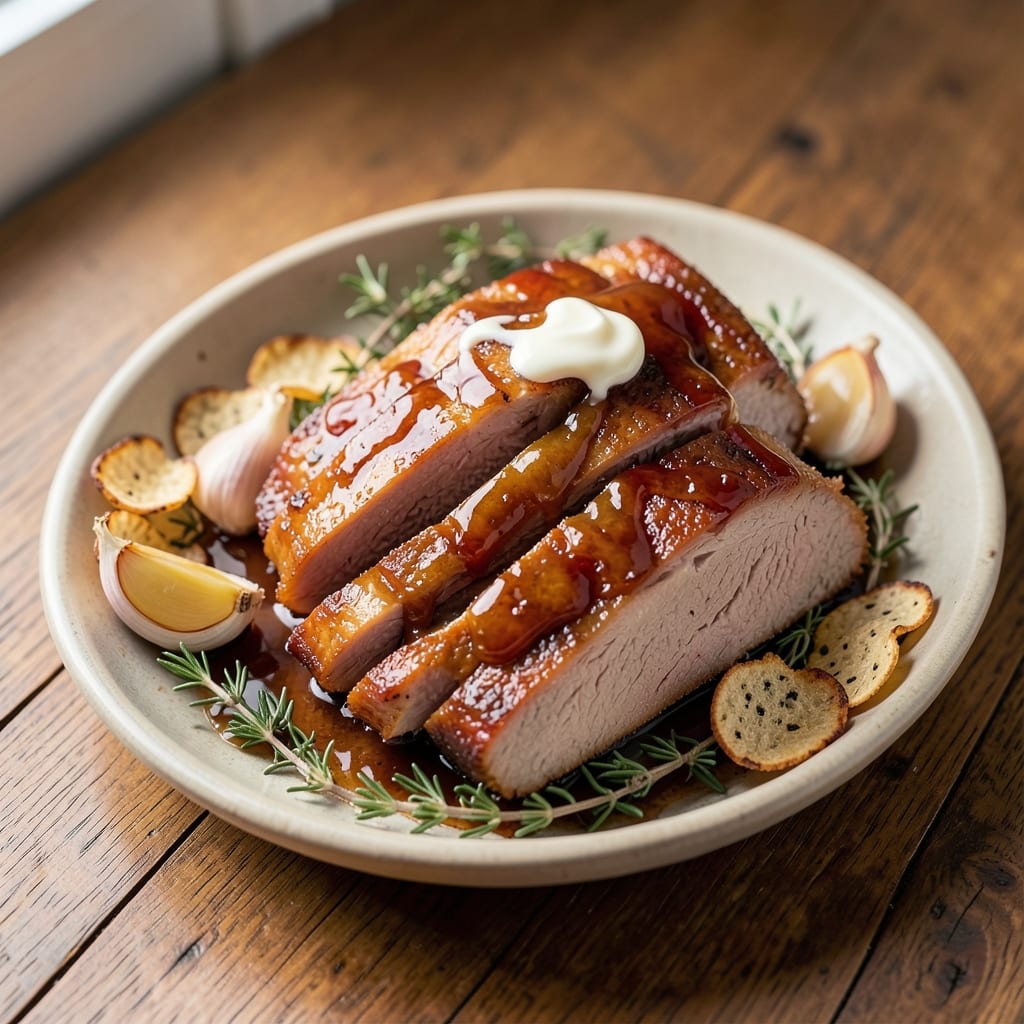
This apple glazed pork roast recipe transforms a simple cut of pork into a showstopper that marries tender, fall-apart meat with a caramelized apple crust. 🔥 The secret lies in slow-roasting the pork until it reaches juicy perfection while basting it with a homemade glaze that balances sweetness and savory depth. I developed this technique after years of perfecting whole-hog cooking, and it never fails to impress—whether for a holiday feast or a weeknight dinner that feels special.
The recipe begins with a foolproof seasoning blend—salt, pepper, and a touch of garlic—that creates a flavorful crust on the pork before it even hits the oven. As it roasts, the internal temperature climbs steadily, ensuring the meat stays moist while the exterior develops a golden-brown bark. Meanwhile, the apple glaze simmers down into a thick, sticky reduction that clings beautifully to every bite, offering a perfect balance of sweet and tangy flavors.
By the time you carve into this roast, you’ll find meat that practically melts in your mouth, with a glossy glaze that adds both color and complexity. The glaze’s caramelized edges provide a satisfying contrast to the tender pork, while its subtle acidity cuts through the richness. This is the kind of dish that elevates a simple meal into something restaurant-worthy, with minimal effort and maximum impact.
Pair it with roasted root vegetables or a crisp green salad to round out the plate, and don’t forget to let the roast rest before serving—this step is non-negotiable for keeping those juices locked in. The result? A centerpiece that’s as impressive to look at as it is to eat, proving that even weeknight dinners can feel like a celebration.
Ingredients for apple glazed pork roast
Six ingredients transform simple pork into a showstopper with caramelized apple glaze magic.
| Ingredient | Amount | Notes |
|---|---|---|
| Boneless Pork Loin Roast 🥩 | 4 lb | Center-cut for even cooking |
| Granny Smith Apples 🍎 | 4 medium | Peeled, cored, sliced thin |
| Unsalted Butter 🧈 | ½ cup | Cold, cubed for basting |
| Apple Cider Vinegar 🍏 | ¼ cup | For glaze tanginess |
| Brown Sugar 🍚 | ½ cup | Packed tightly |
| Garlic Cloves 🧄 | 6 cloves | Minced for seasoning |
| Fresh Rosemary 🌿 | ¼ cup | Chopped, stems removed |
| Diamond Crystal Kosher Salt 🧂 | 1 ½ tsp | For seasoning crust |
| Freshly Ground Black Pepper 🌶️ | 1 tsp | Cracked, not powdered |
| Cinnamon Sticks 🌿 | 2 whole | For glaze aroma |
| Honey 🍯 | 2 tbsp | Wildflower preferred |
| Fresh Thyme Leaves 🌿 | ⅛ cup | Plucked from stems |
| Yellow Onion 🧅 | 1 whole | Peeled, quartered |
The pork loin is the star—center-cut for even cooking, nothing fancy. Costco or Whole Foods carry the best quality, but any butcher will trim it for you if you ask. Granny Smith apples are non-negotiable here—their tartness balances the sweet glaze beautifully. Look for firm, unblemished apples; Honeycrisp works too if you can't find Grannies. The butter should be cold when you cube it—this keeps the glaze from separating as it roasts. Fresh rosemary and thyme? Trader Joe's sells them in little jars that last weeks in the fridge.
No Granny Smiths? Honeycrisp or Fuji are solid backups—just increase the apple cider vinegar by a tablespoon. Running low on fresh herbs? Dried rosemary at one-third the amount works, but you'll miss that bright aroma. The honey can be swapped for maple syrup if you're avoiding it, though I prefer honey's floral notes. For a deeper glaze color, add a pinch of smoked paprika to the brown sugar. The onion is optional but adds subtle sweetness to the glaze—skip it if you're in a rush, but don't skip the cinnamon sticks. They infuse the glaze with warmth that cuts through the richness.
Pork roasts keep beautifully—3-4 days in the fridge if wrapped tightly in parchment. The glaze reheats well, so this tastes even better the next day. For leftovers, slice thinly and serve on toasted brioche with extra glaze drizzled on top. Freeze portions of the glaze separately if you want to make it ahead—just reheat gently with a splash of water. The apples in the glaze will soften further when reheated, so use them within 2 days of making the full roast.
Why You'll Love This Recipe
- Five-Ingredient Magic: That’s all it takes—pork, apples, butter, vinegar, and brown sugar. No fancy prep, no hidden tricks. Just slice the apples, toss them in a pan, and let the oven do the rest while you sip your coffee.
- Sweet-Savory Balance: The tangy cider vinegar cuts through the richness of the pork, while the Granny Smith apples add that bright, almost caramelized bite. Honestly, it’s the kind of harmony that makes you want to close your eyes and savor it.
- Weeknight or Sunday Feast: Serve it sliced over mashed potatoes for a hearty weeknight dinner, or let it shine as the centerpiece at a potluck. Between us, it’s the one dish that feels special without requiring hours of prep.
- Leftovers That Don’t Suck: Cold slices reheat beautifully—toss them in a sandwich with sharp cheddar or wrap them in a tortilla for lunch. And because pork roast stretches far, you’ll have meals covered for days without breaking the bank.
Step-by-step instructions for apple glazed pork roast
Here's how to transform a simple pork roast into melt-in-your-mouth perfection with a caramelized apple crust.
👨🍳 Step 1: Prep the Pork and Create the Dry Rub
Start by patting the 4 lb boneless pork loin roast completely dry with paper towels—this is crucial for that crispy crust. Place it on a cutting board and use a sharp boning knife to score the surface in a diamond pattern, being careful not to cut too deep. This helps the seasoning penetrate and the glaze adhere later.
In a small bowl, combine 1.5 tsp Diamond Crystal kosher salt, 1 tsp freshly ground black pepper, 6 minced garlic cloves, 0.25 cup chopped fresh rosemary, and 0.125 cup fresh thyme leaves. Rub this mixture all over the pork, pressing it into the scored surface. Let it sit at room temperature for 30 minutes while you prep the rest of your ingredients—this ensures even cooking and maximum flavor penetration.
🍳 Step 2: Build the Apple Glaze Base
In a medium saucepan, melt 0.5 cup unsalted butter over medium heat. Add the peeled, quartered 1 whole yellow onion and cook for 5 minutes until softened. Stir in 4 medium Granny Smith apples (sliced thin) and 0.25 cup apple cider vinegar, then cover and simmer for 10 minutes until the apples break down into a chunky purée.
Add 0.5 cup packed brown sugar, 2 whole cinnamon sticks, and 2 tbsp honey, stirring constantly. Let this mixture bubble away for 8-10 minutes until it thickens into a glossy glaze and the apples caramelize. The glaze should coat the back of a spoon—this is your secret weapon for that perfect balance of sweet and tangy flavors. Remove from heat and let it cool slightly.
🔥 Step 3: Sear and Roast the Pork
Preheat your oven to 375°F. Heat a large oven-safe skillet over medium-high heat and add the pork roast. Sear it on all sides for 3-4 minutes per side until deeply golden brown—this creates a flavorful crust that locks in juices. Transfer the skillet to the oven and pour the apple glaze evenly over the top of the pork.
Roast uncovered for 45-50 minutes, basting with pan juices every 15 minutes. You'll know it's done when the internal temperature reaches 145°F (use a meat thermometer) and the juices run clear when pierced with a knife. The glaze should be bubbly and caramelized, forming a beautiful crust on top. If the glaze thickens too much, add 1-2 tablespoons of water to keep it glossy.
⏰ Step 4: Rest and Serve with Pan Sauce
Transfer the roast to a cutting board and tent loosely with foil. Let it rest for 15-20 minutes—this is non-negotiable for juicy slices. The resting period allows the juices to redistribute throughout the meat, preventing them from pooling on your plate. During this time, place the skillet with any remaining glaze and pan drippings on the stovetop over low heat. Simmer for 3-4 minutes until slightly thickened.
Slice the pork roast into ½-inch thick medallions and arrange on a serving platter. Spoon the reduced glaze and pan sauce over the top, drizzling generously. The contrast of tender, juicy pork with the caramelized apple glaze is pure magic. Serve immediately with roasted vegetables or crusty bread to soak up every last bit of that delicious sauce.
Pro Tips For Making Apple Glazed Pork Roast
- SEAR THE ROAST FIRST: I used to skip this step and wondered why the glaze never stuck properly. Sear the pork loin on all sides in a hot pan with 1 tablespoon of butter—it locks in flavor and gives the glaze something to cling to. (Yes, even if you’re impatient like me.)
- PEEL AND GRATE APPLES: Granny Smiths stay firm when peeled and grated—no need to chop them into chunks. This makes the glaze smoother and blends better into the pork juices. (I learned this the hard way after dealing with a glaze full of apple bits.)
- USE A THERMOMETER: Pork loin can go from perfect to dry in seconds. Pull it at 140°F internal temp—it’ll rise to 145°F while resting. No guessing, no overcooking. (After burning three batches, I finally figured out why my roast kept turning into shoe leather.)
- SIMMER THE GLAZE LOW: Don’t rush the glaze—reduce it on medium-low heat until it thickens to a syrup consistency. High heat burns the sugar and vinegar, turning the glaze bitter. (Sounds weird, but it works: patience here makes all the difference.)
Flavor customization for this recipe
Spice Level Boost
For a kick of heat, stir 1 teaspoon smoked paprika and ½ teaspoon cayenne pepper into the glaze base before simmering. This adds smoky depth and a subtle burn that cuts through the sweetness beautifully. I like to add it when the apples soften—about 5 minutes before the glaze thickens. For extra heat, finish with chopped jalapeños on top of the sliced pork. 🌶️
Herb Variations
Swap out the rosemary and thyme for fresh sage leaves or tarragon to change the flavor profile completely. Sage adds earthy warmth that pairs perfectly with apples, while tarragon brings a light, anise-like note. Use the same quantity—¼ cup total—and adjust the glaze simmer time by 2-3 minutes to account for the different moisture levels in the herbs.
Sweetness Adjustments
Reduce the brown sugar by ¼ cup and add ¼ cup maple syrup for a deeper, more complex sweetness. For a honey-forward glaze, increase the honey to 3 tablespoons and reduce the apple cider vinegar by 1 tablespoon to balance the acidity. I’ve also had great success using date syrup—just substitute it one-for-one for the honey and brown sugar combination.
Savory Twist
Add ½ cup chicken or pork stock to the glaze base for a richer, more savory profile. Simmer it in with the onions and apples, then reduce it by half before adding the sugar and cinnamon. This works especially well if you’re serving the pork with a hearty side like mashed potatoes or roasted root vegetables. The stock adds umami depth that complements the sweetness without overpowering it.
Fruit Infusions
Swap the Granny Smith apples for pears or cranberries to change the glaze’s character. Pears add a softer, floral sweetness, while cranberries bring tartness and a vibrant ruby color. Use the same quantity and simmer time, but add the cranberries in the last 5 minutes of cooking to prevent them from turning mushy. 🍐
Smoky Charcoal Glaze
For a smoky twist, add 1 teaspoon liquid smoke to the glaze base after removing it from heat. Stir it in gently—just enough to enhance the natural smokiness of the pork without overpowering the apple flavors. I recommend Alaskan Smokehouse liquid smoke for its clean, balanced profile. This works especially well if you’re serving the pork on a bed of charred vegetables or with a smoky BBQ rub on the side.
Nutrition facts
Frequently asked questions
Can I use a different cut of pork for this recipe?
A 4 lb boneless pork loin roast is ideal, but you can substitute with pork shoulder (cook at 300°F for 3-4 hours until tender) or pork tenderloin (reduce roasting time to 30-35 minutes). For shoulder, increase the glaze by ½ cup to account for the larger surface area. Never use pork chops—they're too thin for this technique.
What if my glaze isn't thick enough?
Simmer uncovered for 5-10 extra minutes to evaporate excess liquid. If it's still too thin, remove from heat and stir in 1 teaspoon cornstarch mixed with 1 tablespoon water. For a richer glaze, reduce it by half before adding to the pork—this concentrates the flavors beautifully. The glaze should coat the back of a spoon when done.
How do I reheat leftovers without drying out the pork?
Slice leftovers into ½-inch thick portions and reheat in a skillet with 1 tablespoon butter over medium-low heat for 3-4 minutes per side. Add 2 tablespoons apple cider vinegar to the pan to keep the glaze glossy. Never microwave—it turns the pork rubbery. Cover the skillet loosely to retain moisture.
Can I make the glaze ahead of time?
Prepare the glaze up to 3 days ahead and store it in an airtight container in the fridge. Reheat gently in a saucepan over low heat, stirring occasionally, until warmed through. For best results, add 1 tablespoon water when reheating to restore its glossy texture. The flavors actually improve overnight!
What's the best way to serve this pork roast?
Slice against the grain into ½-inch thick medallions and arrange on a platter with the reduced glaze drizzled generously on top. Pair with creamy mashed potatoes, roasted Brussels sprouts with bacon, or a crisp green salad with apple slices. For a rustic touch, serve on a bed of toasted sourdough with extra glaze for dipping.