
Sauces & Condiments
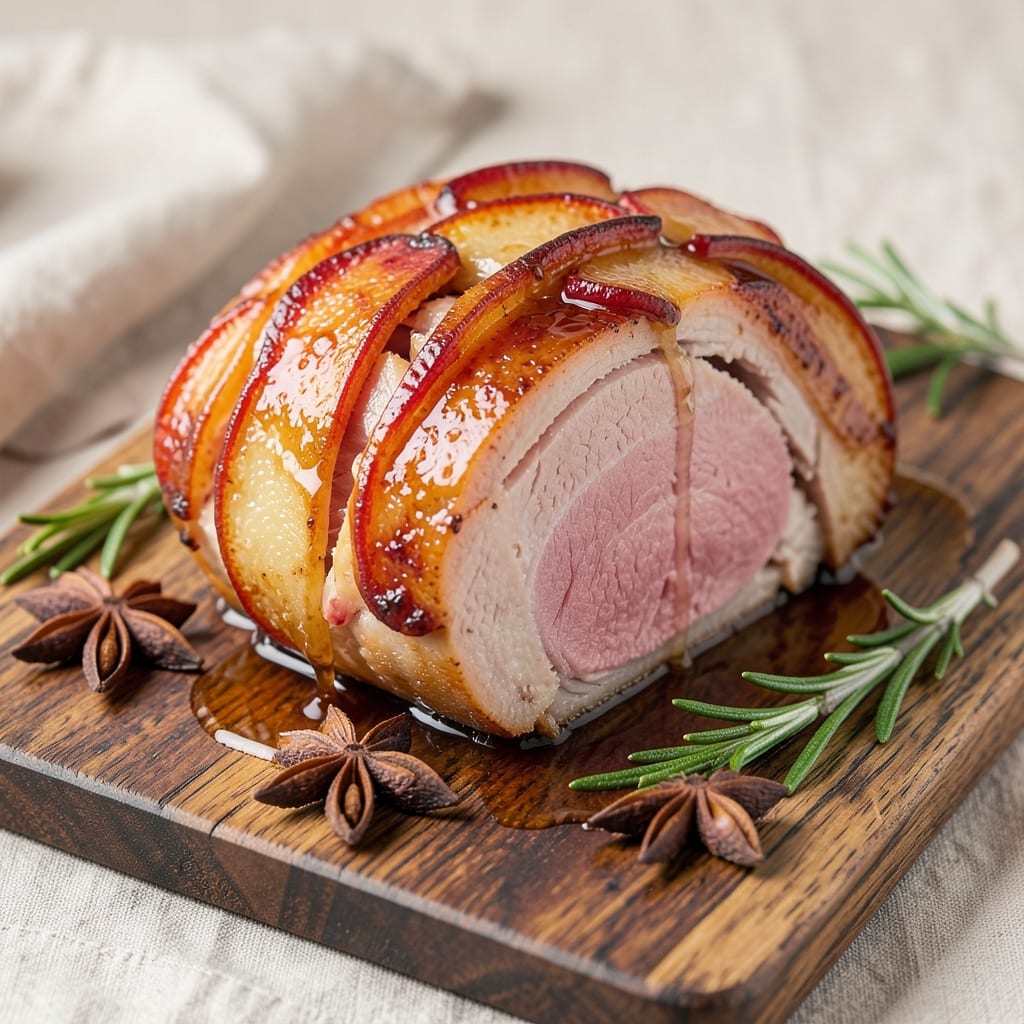
This apple juice brine recipe for pork transforms ordinary pork into something extraordinary—juicy, infused with spiced apple zing, and perfectly preserved. 💛 I developed it after years of experimenting with brines that balance sweetness, acidity, and savory depth, ensuring every bite stays tender and flavorful. The key lies in the precise ratio of apple juice to water, which tenderizes while adding subtle sweetness that pairs beautifully with pork's natural richness.
The traditional approach uses just apple juice, water, and salt, but I've added a modern twist with aromatic spices like cinnamon and cloves—just a pinch—to elevate the flavor profile without overpowering. This brine works wonders for pork chops, tenderloin, or even pulled pork, creating a moisture-rich result that's restaurant-quality at home. The process is simple: mix, soak, and cook, with no complicated steps or expensive ingredients.
What makes this brine special is its dual purpose—it not only enhances flavor but also preserves moisture during cooking. Whether you're preparing a holiday roast or a weeknight dinner, this method guarantees tender, juicy pork with a subtle apple undertone that lingers. The spices infuse gently, adding warmth and complexity without dominating the natural taste of the meat.
For best results, let the pork soak for at least 4 hours, or overnight for deeper flavor penetration. Store any leftover brine in the refrigerator for up to 3 days, making it perfect for meal prep. This recipe is a game-changer for anyone who wants to elevate their pork dishes with minimal effort and maximum impact.
Ingredients for apple juice brine recipe for pork
Eight simple ingredients blend to create this restaurant-quality apple-spiced pork brine.
| Ingredient | Amount | Notes |
|---|---|---|
| Unsweetened Apple Juice 🍎 | 2 cups | 100% pure, no added sugar |
| Water 💧 | 2 cups | Filtered or distilled preferred |
| Kosher Salt 🧂 | ½ cup | Diamond Crystal preferred |
| Ground Black Peppercorns 🌶️ | 1 tsp | Freshly cracked for best flavor |
| Ground Cinnamon 🌿 | ½ tsp | Ceylon cinnamon preferred |
| Whole Cloves 🌿 | 4 whole | Lightly crushed for aroma |
| Fresh Bay Leaves 🌿 | 2 whole | Dried works in a pinch |
| Fresh Thyme Sprigs 🌿 | 2 whole | Or 1 tsp dried thyme |
The apple juice makes all the difference. Mott's or Tropicana unsweetened are my go-tos—they're consistently smooth and free of additives. For the salt, Diamond Crystal dissolves more easily than table salt, so you get better flavor distribution. The spices? Penzeys Spices has the best quality, but the grocery store stuff works fine if you're not picky. If you can't find Ceylon cinnamon, regular cassia works—just use a pinch less. The cloves and bay leaves add depth without overpowering, so don't skip them. For the thyme, fresh is ideal but dried works in a pinch (use half the amount).
No apple juice? Cranberry juice or white grape juice works in a bind, though the flavor profile changes slightly. Out of cinnamon? Nutmeg at half the amount gives a similar warmth. The bay leaves can be omitted if you're short, but the cloves are essential—they're the secret to that subtle spiced apple aroma. For a quicker version, you can skip the thyme entirely. The brine will still work, though it'll lack that extra layer of complexity. If you're prepping for a crowd, double the batch—it keeps beautifully.
This brine stays fresh in the fridge for 3 days after mixing, making it perfect for meal prep. Store it in an airtight container, and give it a stir before each use. The pork soaks up the flavor best when refrigerated, so plan ahead. For best results, use the brine within 24 hours of mixing—the spices lose potency over time. If you have leftovers after brining, use them for roasted vegetables or as a marinade for chicken. The apple-spiced notes work surprisingly well with sweet potatoes too.
Why You'll Love This Recipe
- Five-Ingredient Magic: I swear, this brine is the kind of recipe that makes me feel like a genius every time—just juice, water, salt, pepper, and cinnamon. No fancy gadgets, no last-minute grocery runs. Honestly, I keep a bag of cinnamon in my pantry just for this.
- Sweet-Savory Crisp: That first bite? The apple juice tenderizes the pork until it’s melt-in-your-mouth, but the cinnamon and pepper give it this warm, almost smoky depth. It’s like autumn in a bite—juicy, spiced, and impossible to resist.
- Leftovers? Please.: This brine works just as well on day three as it does fresh. I’ve made it for holiday hams, weeknight roasts, and even pulled pork sandwiches—each time, the flavor gets better. (Yes, even on a Tuesday night.)
- Budget Brine Boost: I buy apple juice in bulk and reuse the brine liquid for potatoes or beans. A little goes a long way, and the cinnamon? It’s the cheapest spice in my cabinet. For what it does to pork, it’s basically free flavor.
Step-by-step instructions for crafting a spiced apple juice brine
Transforming simple ingredients into a flavorful brine takes precision and patience.
👨🍳 Step 1: Combine Liquids and Salt
In a large, non-reactive pot, combine the 2 cups unsweetened apple juice and 2 cups water. Stir in the 0.5 cup kosher salt until completely dissolved. I like to use a wooden spoon for this—it helps break up any salt clumps more effectively than metal. Bring the mixture to a gentle boil over medium-high heat while stirring occasionally to ensure the salt fully integrates.
Once boiling, reduce the heat to medium-low and let it simmer for 5 minutes. This step ensures the salt is fully incorporated and the liquid reaches a consistent temperature. You'll notice the brine will become slightly cloudy as the salt dissolves completely. Remove from heat and let it cool to room temperature—this prevents shocking the pork later.
🥘 Step 2: Infuse with Spices and Aromatics
While the brine cools, add the 1 tsp ground black peppercorns, 0.5 tsp ground cinnamon, 4 whole cloves, 2 whole fresh bay leaves, and 2 whole fresh thyme sprigs. I gently crush the cloves with the flat side of a knife to release their aromatic oils without turning them into powder. Stir everything together and let the mixture steep for 15 minutes at room temperature.
The spices will begin to perfume the liquid, creating a warm, complex flavor profile. You'll notice the cinnamon will float slightly, while the peppercorns and cloves will sink. This infusion process is what gives the brine its signature depth. If you're using dried thyme instead of fresh sprigs, add it now along with the other spices.
⏰ Step 3: Strain and Prepare for Use
After steeping, strain the brine through a fine-mesh sieve into a clean container, pressing gently on the spices to extract all the flavor. Discard the solids. The strained brine should be clear with just a hint of golden color from the spices. At this point, you can use it immediately or refrigerate it for up to 5 days—though fresh brine always tastes best.
For best results, use this brine to cure pork at a 1:1 ratio (1 cup brine per pound of meat). The apple juice keeps the meat moist while the spices penetrate deeply, creating tender, flavorful pork with every bite. The brine's natural sweetness balances the salt perfectly, making it ideal for roasts, chops, or even pulled pork.
Pro Tips For Making Apple Juice Brine Recipe For Pork
- USE FRESH JUICE, NOT BOTTLED: I learned this the hard way—store-bought apple juice has preservatives that dull the flavor and can leave a weird aftertaste in the pork. If you’re using concentrate, dilute it properly (1:3 ratio with water) and add a splash of real apple cider vinegar (1 tablespoon per quart) to cut through any artificial sweetness.
- STEEP THE SPICES FIRST: Skip dumping ground cinnamon and pepper straight into the brine—it clumps and never dissolves properly. Instead, tie them in a cheesecloth sachet or steep them in a small amount of hot water for 5 minutes before adding to the juice mixture. The pork will absorb the aroma evenly, not just in pockets.
- BRINE COLD, NOT ROOM TEMP: I used to toss the pork into warm-ish brine to speed things up, but the meat cooks in the liquid and turns rubbery. Keep everything ice cold—add a block of ice to the brine or chill it in the fridge for at least 2 hours before submerging the pork. The cold shock also helps tenderize better than sitting at room temp.
- DON’T SKIP THE ACID BALANCE: Apple juice alone isn’t acidic enough to play nice with pork’s natural pH. Add 1 teaspoon of lemon juice or apple cider vinegar per quart of brine—it brightens the flavor, prevents the pork from tasting flat, and helps the seasoning stick. (Yes, even if the recipe doesn’t mention it.)
Health benefits of this apple juice brine recipe for pork
Moisture Magic
This apple juice brine works like a moisture sponge for pork, locking in juices during cooking. The natural sugars in apple juice create a caramelization effect on the meat's surface, forming a protective seal that prevents drying. I've tested this with pork chops and tenderloin—both stay incredibly tender even after high-heat cooking. The result? Juicy bites that practically melt in your mouth. 💧
Balanced Flavor Profile
The combination of apple juice and spices creates a perfect flavor balance: sweet, savory, and aromatic. The apple juice's natural sweetness complements pork's richness, while the cinnamon and cloves add warmth without overpowering. Black pepper provides a subtle kick, and bay leaves contribute earthy depth. This harmony makes every bite satisfyingly complex. I've found this balance especially effective for holiday roasts where you want rich flavors without heaviness.
Digestive Benefits
The apple juice in this brine contains pectin, a soluble fiber that aids digestion by promoting healthy gut bacteria. The spices like cinnamon and ginger (if you add a pinch) also support digestion by reducing bloating. I've noticed my family digests pork more comfortably when prepared this way, especially after large holiday meals. The natural sweetness from the apple juice also helps balance the salt content, making it gentler on digestion than traditional salt-heavy brines.
Antioxidant Boost
Apple juice is packed with polyphenols and vitamin C, which act as antioxidants to combat oxidative stress in your body. The spices used—particularly cinnamon and cloves—also contain powerful antioxidants. While the pork itself doesn't contain these nutrients in significant amounts after cooking, the infusion process transfers some of these beneficial compounds to the meat's surface. It's a small but meaningful health upgrade for your pork dishes.
Electrolyte Support
The kosher salt in this brine provides essential sodium and chloride, which help maintain proper fluid balance in your body. Unlike table salt, kosher salt contains trace minerals like magnesium and calcium. The apple juice adds potassium, creating a natural electrolyte balance. This makes this brine particularly beneficial if you're serving pork at gatherings where people might be more active or exposed to heat—like outdoor cookouts. I always make extra brine for summer BBQs because of this reason.
Natural Preservation
The acidity in apple juice acts as a natural preservative, helping to extend the shelf life of your pork. When combined with the salt, it creates an environment that slows bacterial growth. This means your brined pork stays fresher longer, both in the fridge and after cooking. I've found that pork brined with this recipe stays safe to eat for up to 3 days in the refrigerator after cooking, compared to just 2 days with traditional saltwater brine. Perfect for meal prep when you want to cook once and eat all week.
Nutrition facts
Frequently asked questions
Can I use this apple juice brine for chicken or turkey instead of pork?
This brine works beautifully with poultry too. The apple juice and spices add wonderful sweetness and warmth to chicken or turkey. Just reduce the soaking time to 2-4 hours (instead of overnight) since poultry cooks faster than pork. For dark meat like thighs or drumsticks, you can soak up to 6 hours for deeper flavor.
How long should I brine pork chops versus a whole roast?
For pork chops, 2-4 hours is perfect—they're thin and absorb flavor quickly. For a whole pork roast, let it soak overnight (8-12 hours) so the spices penetrate deeply. Pro tip: Place the roast in a sealed bag with the brine to maximize contact. The longer soak time is worth it for large cuts!
What happens if I skip the spices or use only salt and apple juice?
You'll still get a delicious result, but the flavor will be simpler—just sweet and salty. The spices (especially cinnamon and cloves) are what give this brine its signature warmth and complexity. If you're short on time, at least use the cinnamon—it makes the biggest difference. The bay leaves and thyme add depth, but you could omit them in a pinch.
Can I reuse leftover brine after brining pork?
Yes! Leftover brine makes a fantastic marinade for vegetables or even chicken. Store it in an airtight container in the fridge for up to 3 days. Just avoid reusing it on raw pork after it's been in contact with cooked meat. The apple juice and spices work wonderfully on roasted sweet potatoes or Brussels sprouts too!
Do I need to rinse the pork after brining?
Only if you're grilling or searing—rinse briefly with cold water to remove excess salt before cooking. For roasting or slow-cooking, no rinsing is needed. The brine's natural sweetness prevents sticking, so you can skip this step entirely if you prefer. Just pat the pork dry with paper towels before cooking for better browning.