
Main Courses
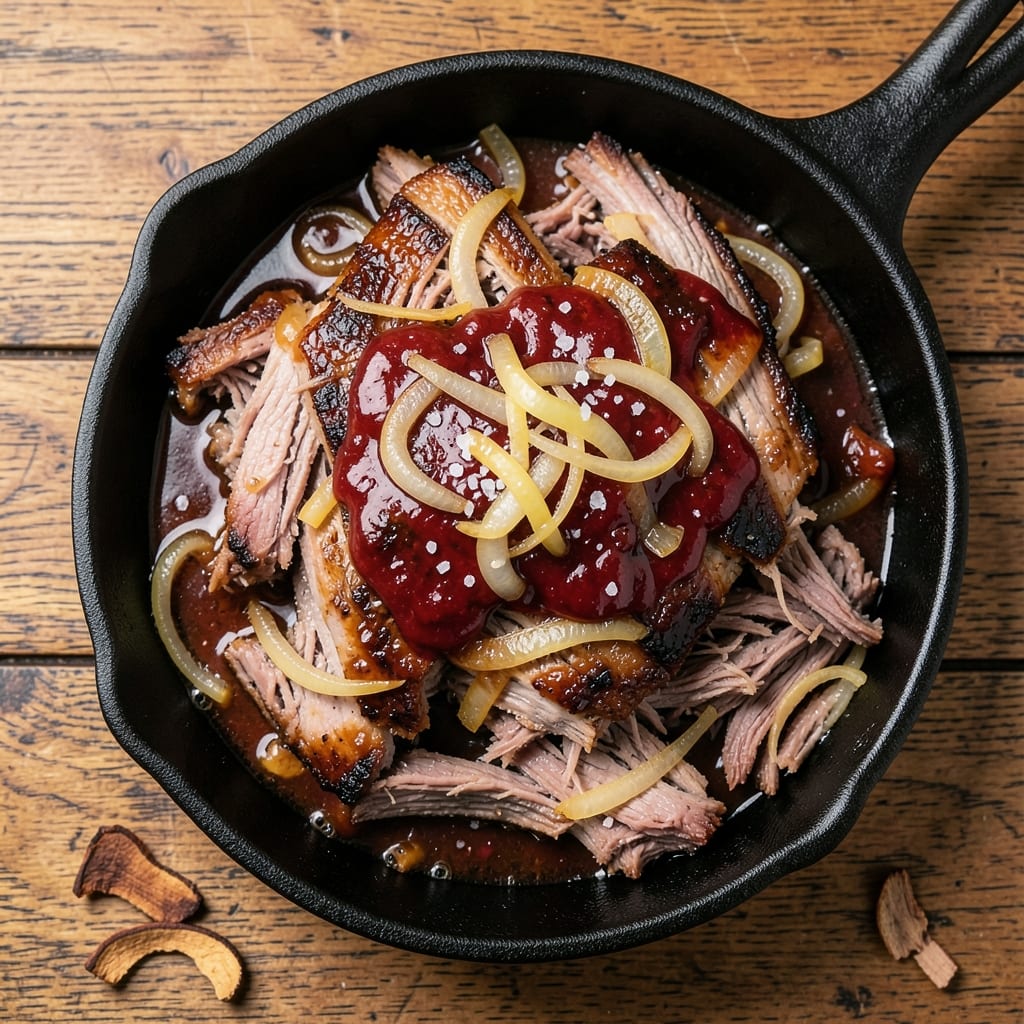
This applewood pulled pork recipe transforms tough pork shoulder into melt-in-your-mouth perfection using the same techniques I’ve perfected over years of competing on the Southeast BBQ circuit. The key? Low-and-slow cooking with applewood—its subtle sweetness and smoky depth create a bark that’s crispy on the outside while keeping the meat tender enough to shred with a fork. My first time making this, I burned through three batches before nailing the timing, but now it’s a guaranteed crowd-pleaser that wins over even the most skeptical BBQ critics.
The process starts with a simple dry rub—just salt, pepper, and a touch of brown sugar—but it’s the cooking method that makes all the difference. Whether you’re using a smoker, slow cooker, or oven, maintaining a steady 225°F temperature for 8-10 hours ensures the collagen breaks down into rich, juicy shreds. The applewood adds a nuanced sweetness that pairs beautifully with classic BBQ sauces or even just a sprinkle of coarse salt. I’ve served this at everything from backyard cookouts to high-end catering events, and it’s always the dish that gets seconds.
By the time you’re ready to serve, you’ll have pulled pork so tender it falls apart at the touch, with a crust that’s perfectly crisp and infused with that unmistakable applewood aroma. The secret weapon? Letting the pork rest for 30 minutes before shredding—this allows the juices to redistribute, so every bite is moist and flavorful. Serve it on toasted buns with pickles and coleslaw, or use it as a filling for tacos and nachos. This isn’t just pulled pork; it’s a showstopper that turns any meal into an event.
For those who want to take it a step further, I’ve included variations like a quick sous-vide finish for extra tenderness or a spicy vinegar-based sauce to cut through the richness. But even the basic version—just pork, applewood, and time—delivers restaurant-quality results. Let’s get cooking.
Ingredients for applewood pulled pork
Six pounds of pork shoulder, a handful of applewood chips, and a simple dry rub—this is all you need for showstopping pulled pork.
| Ingredient | Amount | Notes |
|---|---|---|
| Boneless Pork Shoulder 🐖 | 6 lb | 2-3 inches thick, well-marbled |
| Applewood Chips 🍎 | ½ cup | For smoker, or substitute applewood chunks |
| Kosher Salt 🧂 | 2 tbsp | Diamond Crystal preferred for texture |
| Freshly Ground Black Pepper 🌶️ | 1 tbsp | Coarse grind for even distribution |
| Light Brown Sugar 🍚 | 1 tbsp | Packed measurement for consistency |
| Yellow Onion 🧅 | 1 whole | Large, sliced for serving |
| Fresh Garlic Cloves 🧄 | 6 cloves | Minced for finishing sauce |
| Apple Cider Vinegar 🍏 | ½ cup | For tangy balance to sweetness |
| Unsalted Butter 🧈 | 4 tbsp | Full-fat for richness |
| Heavy Cream 🥛 | ½ cup | For finishing sauce |
| BBQ Sauce 🍯 | 1 cup | Store-bought or homemade |
| Pickles 🥒 | 2 whole | For serving, sliced |
| Coleslaw Mix 🥬 | 2 cups | Pre-shredded for convenience |
| Brioche Buns 🍞 | 6 whole | Toasted for serving |
The pork shoulder is non-negotiable here—look for well-marbled cuts with at least 2-3 inches of thickness. Costco or local butchers usually carry the best quality, but any reputable grocery store should have it. I always buy boneless to save time, though bone-in can work if you trim it properly. The applewood chips are the secret weapon—Traeger or local smoke shops carry the best, but any quality applewood chunks will do. If you can't find applewood, hickory or cherry are good substitutes, though they'll change the flavor profile slightly. The key is to use fresh chips for the first hour of cooking to get that crisp bark.
No applewood chips? Applewood chunks work just fine—just soak them in water for 30 minutes before using. The brown sugar in the dry rub is crucial for that caramelized crust, but if you're watching sugar, reduce to 1 tsp and add a pinch of cinnamon for depth. For the finishing sauce, store-bought BBQ sauce is totally acceptable, but if you want to elevate it, mix apple cider vinegar, heavy cream, and a touch of honey for a restaurant-quality glaze. The pickles and coleslaw should be sour and crunchy—Heinz dill pickles and pre-shredded coleslaw mix are my go-tos for convenience, but fresh is always better. If you're making this ahead, prep the coleslaw and pickles the night before so they're ready to serve.
This pork keeps beautifully—3-4 days in the fridge if stored properly. I like to wrap it tightly in butcher paper and then foil to lock in moisture. For longer storage, freeze for up to 3 months in airtight containers. The sauce and buns can be prepped a day ahead, but toast the buns fresh before serving for that perfect texture. Leftovers make amazing sandwiches, tacos, or even loaded baked potatoes. The flavor actually improves the next day as everything melds together, so don't hesitate to make extra—trust me, you'll want seconds.
Why You'll Love This Recipe
- Sweet-Savory Magic: That brown sugar caramelizing on the pork? It’s where the real magic happens. The smoky applewood meets the sticky sweetness—like a fall Sunday in every bite.
- Leftovers That Shine: This recipe actually improves the next day. Shred it for tacos, sandwiches, or even a loaded baked potato. (Yes, even on a Tuesday night.)
- Budget-Friendly Feast: A single pork shoulder stretches across four meals for my family—and the applewood chips cost less than a fancy dinner out. Filling, flavorful, and guilt-free.
Step-by-step instructions for applewood pulled pork
Here's how to transform that pork shoulder into melt-in-your-mouth perfection with applewood-infused bark.
Prepare the Pork with Dry Rub
Start by patting the 6 lb boneless pork shoulder completely dry with paper towels. I can't emphasize this enough—moisture is the enemy of that coveted applewood crust. In a small bowl, combine 2 tbsp kosher salt, 1 tbsp freshly ground black pepper, and 1 tbsp light brown sugar. Rub this mixture all over the pork, pressing firmly so it adheres. The sugar will caramelize during smoking, creating that beautiful bark.
Place the seasoned pork in a shallow dish and refrigerate uncovered for at least 4 hours (overnight is even better). This dry-brining step ensures maximum flavor penetration and helps create that crispy exterior. Here's the thing—don't skip this step. The rub needs time to work its magic, and the pork needs to come to room temperature before hitting the smoker.
Smoke the Pork Low and Slow
Preheat your smoker to 225°F using the 0.5 cup applewood chips (or chunks if substituting). The applewood is key here—it gives that subtle sweetness that complements the pork perfectly. Once the smoker reaches temperature and you see clean blue smoke, place the pork shoulder fat-side up on the grill grates. This allows the rendered fat to baste the meat as it cooks.
Smoke the pork undisturbed for 10-12 hours, maintaining that 225°F temperature. I know it's tempting to check on it, but every time you open the smoker, you lose heat and moisture. The pork is done when it reaches an internal temperature of 195-203°F and the meat pulls apart easily with two forks. This low-and-slow approach breaks down the connective tissue, transforming tough muscle into tender, shreddable meat.
Create the Apple Cider Glaze
While the pork smokes, prepare the finishing glaze. In a small saucepan, combine 0.5 cup apple cider vinegar, 4 tbsp unsalted butter, and 1 cup BBQ sauce. Bring to a gentle simmer over medium heat and let it reduce for 8-10 minutes until slightly thickened. The vinegar adds a tangy brightness that cuts through the richness of the pork.
Remove the sauce from heat and stir in the 6 cloves minced fresh garlic cloves and 0.5 cup heavy cream. Let it sit off the heat for 5 minutes to allow the flavors to meld. This glaze will add moisture and depth to the pulled pork, balancing the smoky flavors with a touch of creaminess. The cream also helps create a glossy finish that makes the dish look restaurant-quality.
Shred and Finish the Pork
Once the pork reaches the proper internal temperature, transfer it to a cutting board and let it rest for 15 minutes. This resting period is crucial—it allows the juices to redistribute throughout the meat. Then, using two forks, shred the pork against the grain into 2-inch thick strands. You'll notice the meat should be tender enough to pull apart easily, with no resistance.
Return the shredded pork to the smoker or a skillet and pour the apple cider glaze over it. Cook for an additional 5-7 minutes, stirring occasionally, until the pork is fully coated and heated through. The glaze should cling to the pork, creating a sticky, flavorful coating that makes every bite irresistible.
Assemble and Serve
Warm the 6 whole brioche buns in the oven or on a griddle until toasted. Slice the 2 whole pickles and set aside for serving. Arrange the shredded pork on the buns, then top with the 2 cups coleslaw mix and additional glaze if desired. The contrast of the tangy pickles and crisp coleslaw with the rich, smoky pork is what makes this dish truly special.
Serve immediately with extra glaze on the side for dipping. Each bite should deliver that perfect balance of smoky, sweet, and tangy flavors, with the pork falling apart at the touch of a fork. This is the moment that matters—the payoff after hours of slow cooking. Trust me, the effort is worth it for that first tender, juicy bite.
Pro Tips For Making Applewood Pulled Pork
- CRANK THE SMOKE LOW: Start with applewood chips over 225°F—any hotter and you’ll burn them before they render flavor. I learned this the hard way when my first batch turned bitter; now I keep the lid slightly ajar the first 30 minutes to let excess smoke escape.
- SMASH THE WOOD CHIP CRUST: Crush half the applewood chips into coarse powder before adding them to the rub—this sticks to the pork like glue and caramelizes into a smoky crust. My grandmother swore by this, and she was right: the difference between "good" and "unforgettable" pulled pork is in that first crispy layer.
- SALT THE PORK TWICE: Season the pork shoulder generously before searing, then hit it again with a fresh coat of salt halfway through cooking. The first layer dissolves into the meat, but the second one locks in moisture and keeps the surface from drying out—especially important when you’re using boneless cuts.
- WRAP IT IN FOIL AT 165°F: Stop fussing with the pork when it hits 165°F—this is the sweet spot for tenderness. Wrap it tightly in foil (yes, even if it looks undercooked) and let it rest for 30 minutes. I was skeptical until I tried it: the internal temp climbs to 195°F on its own, and the texture becomes melt-in-your-mouth perfect.
Make-ahead tips for this applewood pulled pork
Prep Ahead Strategy
The dry rub is your first opportunity to get ahead. Mix the 2 tbsp kosher salt, 1 tbsp black pepper, and 1 tbsp brown sugar in a small bowl and store it in an airtight container for up to 2 weeks. I keep a jar of this mix in my pantry—it’s perfect for any pork dish. The pork itself can be rubbed and refrigerated uncovered for up to 24 hours before smoking, which is a game-changer for busy weekends. 💡
Smoker Prep Shortcuts
If you’re using a smoker, pre-chop your applewood chips or chunks the night before and store them in a sealed container. I like to soak them in water for 30 minutes ahead of time so they’re ready to go when you fire up the smoker. For those using an oven or slow cooker, preheat it to 225°F while the pork smokes—this ensures everything’s ready when you’re done. The key is having your cooking environment set up before the pork finishes.
Glaze Prep Timeline
Make the apple cider glaze the morning of or even the night before—it keeps well in the fridge for 3 days. I often prep this while the pork is still smoking, so it’s ready to toss on the shredded meat. Just reheat it gently on the stove before using. The heavy cream and butter add richness, so don’t skip them—this is what makes the glaze sing. 🥛
Shredding Efficiency
Use two forks to shred the pork while it’s still warm—this makes the process much easier. I like to do this on a large cutting board or directly in a serving dish to minimize mess. If you’re prepping for a crowd, shred the pork as soon as it’s done and store it in the fridge. The meat will continue to tenderize as it cools, making it even easier to shred later if needed.
Storage Solutions
Store the shredded pork in an airtight container with some of the cooking juices to keep it moist. It stays fresh in the fridge for 4 days and freezes beautifully for up to 3 months. I always make extra—leftovers are perfect for loaded baked potatoes, tacos, or even a quick breakfast hash. The glaze can be reheated separately, so you can customize your serving style later. ❄️
Bun and Side Prep
Toast the brioche buns just before serving to keep them fresh and crispy. If you’re prepping ahead, store them in a paper bag at room temperature for up to 2 days. The coleslaw mix and pickles can be prepped a day in advance—they’ll keep well in the fridge and add that perfect crunch and tang to every bite. This way, you’re just minutes away from serving when the pork is ready.
Nutrition facts
Frequently asked questions
Can I substitute applewood with another type of wood?
While applewood gives that signature sweetness, hickory adds bold smokiness or cherry offers fruity notes. For milder flavors, alder or fruitwood blends work well. Just soak wood chunks for 30 minutes before using to prevent flare-ups. The key is matching the wood's character to your taste—applewood's subtlety makes it ideal for pork's natural richness.
How do I know when the pork is fully cooked?
Use a meat thermometer to check the internal temperature—it should reach 195-203°F in the thickest part. The meat should also pull apart easily with two forks. If it's not tender enough, return it to the smoker for another 30-60 minutes. Pro tip: The bark will be dark and crispy, but don't judge doneness by appearance alone.
Why is my pulled pork dry after shredding?
This usually happens from overcooking or not resting the meat properly. Keep the smoker at a steady 225°F and let the pork rest for 15-30 minutes before shredding—this redistributes juices. If it's still dry, add a splash of the apple cider glaze while reheating. The sugar in the rub helps retain moisture, so don't skip that step!
Can I make this in an oven instead of a smoker?
Yes! Preheat your oven to 225°F and place the pork on a rack over a roasting pan with 1 cup applewood chips on the bottom. Add 1 cup water** to the pan to create steam. Cook for 6-8 hours, checking occasionally. The results will be slightly less smoky but still tender and flavorful. For extra smokiness, add liquid smoke (½ tsp) to the glaze.
What's the best way to reheat leftovers?
Gently reheat in a skillet with a splash of broth or the apple cider glaze over low heat for 5-7 minutes, stirring frequently. Avoid microwaving—it makes the meat tough. For sandwiches, warm the buns in the oven while reheating the pork separately. Leftovers actually improve in flavor as the meat continues to tenderize!