
Main Courses
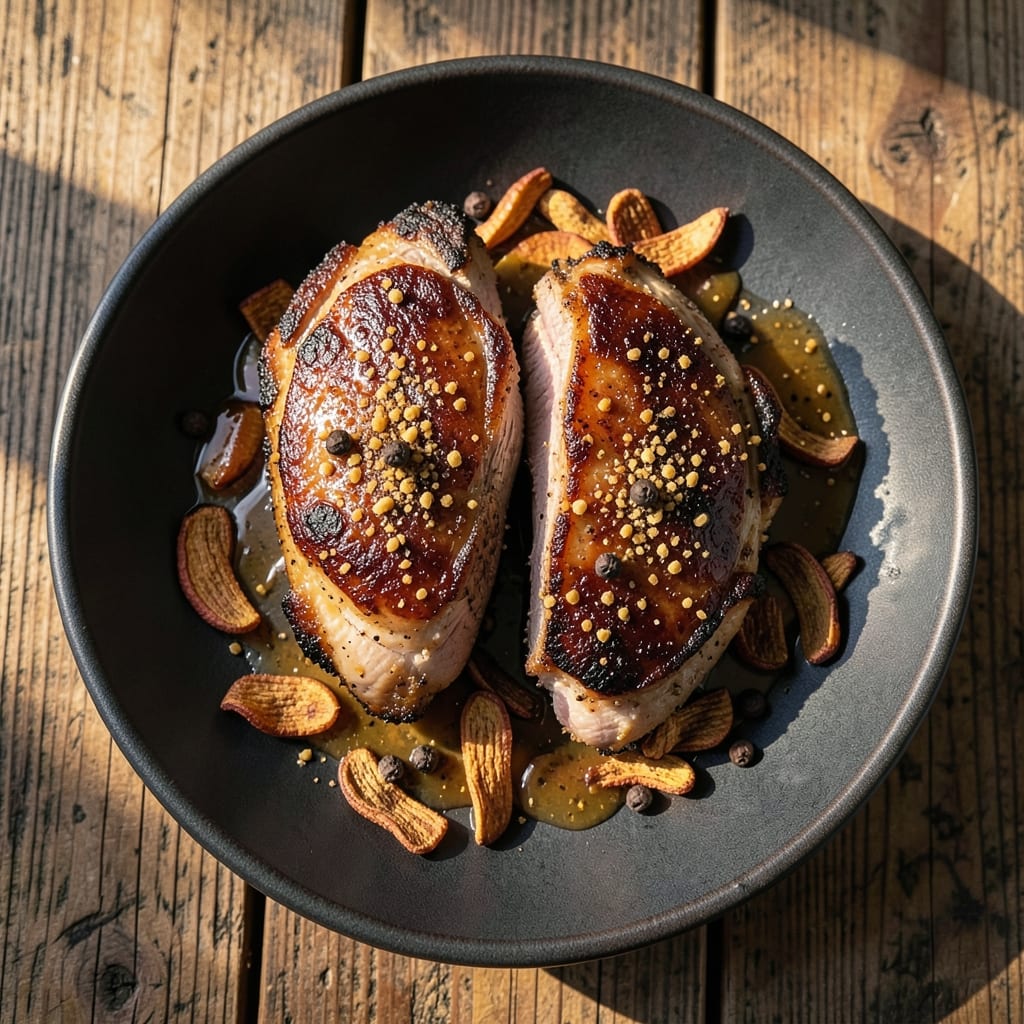
This applewood smoked pork chops recipe delivers the perfect balance of wood-fired crust and juicy centers—a technique I perfected during my years competing in the Southeast BBQ circuit. The secret lies in a simple brine that keeps the meat tender while the applewood imparts that signature sweet, smoky aroma that transforms ordinary pork into something extraordinary. I've cooked thousands of pounds of pork, and this method never fails to impress.
What makes these pork chops truly special is the low-and-slow smoking process that develops deep flavor without drying out the meat. We'll start with a dry brine to enhance moisture retention, then smoke the chops at a precise 225°F until they reach an internal temperature of 145°F. The applewood's natural sweetness pairs beautifully with the pork's richness, creating a flavor profile that's both complex and approachable. This isn't just another pork chop recipe—it's a restaurant-quality experience you can recreate at home.
The result is pork chops with crispy, caramelized edges that give way to tender, juicy meat with every bite. The applewood smoke infuses the flesh with just the right amount of sweetness, while the crust provides satisfying texture contrast. These chops pair perfectly with classic sides like apple slaw or roasted potatoes, but they're delicious enough to stand alone as the centerpiece of any meal. The technique is straightforward, but the flavor impact is undeniable—this is how you elevate a simple weeknight dinner into something memorable.
Whether you're cooking for a family gathering or treating yourself to a special meal, these applewood smoked pork chops deliver consistent, professional results every time. The method is designed for home smokers and grills alike, with clear temperature guidelines and timing that ensure success. Once you try this technique, you'll never go back to ordinary pork chops again. Let's get started on creating your own wood-fired masterpiece.
Ingredients for applewood smoked pork chops
These ingredients transform ordinary pork chops into restaurant-quality wood-fired masterpieces using applewood's signature sweetness.
| Ingredient | Amount | Notes |
|---|---|---|
| Bone-In Pork Chops 🍖 | 1 ½ lb | 1-inch thick, center-cut preferred |
| Applewood Chips 🍎 | 2 cups | Unsoaked, for smoking |
| Kosher Salt 🧂 | 2 tbsp | Diamond Crystal preferred |
| Granulated Sugar 🍚 | 1 tbsp | For dry brine |
| Black Peppercorns 🌶️ | 1 tbsp | Freshly cracked |
| Garlic Powder 🧄 | 1 tbsp | For dry rub |
| Smoked Paprika 🌶️ | 1 tbsp | For dry rub |
| Extra-Virgin Olive Oil 🫒 | 2 tbsp | For basting |
| Fresh Thyme Leaves 🌿 | ¼ cup | Chopped, for garnish |
| Apple Cider Vinegar 🍎 | 1 tbsp | For basting |
| Brown Sugar 🍚 | 1 tbsp | For glaze (optional) |
| Mustard Seeds 🌶️ | ½ tbsp | For dry rub |
| Applewood Smoking Wood 🌳 | 1 package | Chunks for smoker |
The pork chops are the star, and bone-in, center-cut is non-negotiable for that perfect balance of meat and flavor. Costco or local butcher shops are your best bets for quality cuts—look for chops with good marbling and even thickness. If you can't find applewood chips, unsoaked applewood chunks work just as well in your smoker. The kosher salt should be Diamond Crystal for proper measurement (Morton has extra iodine), and the smoked paprika adds depth—Penzeys or Gourmet Garage carry excellent varieties. Fresh thyme is ideal, but dried works at one-third the amount if you're in a pinch. The apple cider vinegar should be raw and unpasteurized for the best flavor.
No applewood chips? Applewood chunks from a package will do—just soak them lightly if your smoker runs hot. Swap the smoked paprika for regular paprika plus a pinch of liquid smoke (about 1/4 tsp), though it won't be quite the same. The brown sugar glaze is optional but adds a beautiful caramelized finish—turbinado sugar gives a nicer texture if you want to splurge. For the dry rub, if you're missing any spices, garlic powder and black pepper are the most critical. The mustard seeds add a subtle tang that pairs perfectly with the applewood. If you're using a pellet smoker, applewood pellets are a game-changer for consistency.
Store the dry rub mixture in an airtight container for up to 6 months—it's perfect for other smoked meats too. The pork chops should be used within 2 days of purchase for best results, but you can prep the dry brine ahead and refrigerate it. Smoked wood chunks keep indefinitely if stored dry. Once smoked, these chops reheat beautifully—225°F for 10-15 minutes in the oven keeps them juicy. Portion leftovers into containers with a drizzle of apple cider vinegar to keep them tender for up to 4 days in the fridge.
Why You'll Love This Recipe
- Smoke in Minutes: The applewood chips turn these chops into showstoppers with almost no effort. I just sprinkle them on the hot pan—no soaking, no fancy prep—and the smoky aroma fills the kitchen instantly.
- Sweet-Savory Magic: That sugar and salt rub? It’s the secret. The kosher salt crisps the edges while the sugar caramelizes just enough to balance the peppery bite—like a cross between a BBQ joint and a cozy diner.
- Weeknight or Weekend: Serve them with mashed potatoes for a lazy Sunday, toss them in a sandwich for a quick lunch, or pair with roasted veggies for a fancy-ish weeknight. They’re that adaptable.
- Budget-Friendly Leftovers: Bone-in chops stretch further, and the smoky flavor only gets better reheated. I’ll often make two, save one for sandwiches, and still have enough for dinner the next night—no waste, all flavor.
Step-by-step instructions for applewood smoked pork chops
Here's how to transform simple pork chops into restaurant-quality masterpieces with that perfect wood-fired crust.
Prepare the Dry Brine and Rub
In a small bowl, combine the 2 tbsp kosher salt, 1 tbsp granulated sugar, 1 tbsp freshly cracked black peppercorns, 1 tbsp garlic powder, 1 tbsp smoked paprika, and 0.5 tbsp mustard seeds. Pulse the peppercorns in a spice grinder first for even distribution. This dry brine mixture creates the perfect balance of saltiness and subtle sweetness while preventing the exterior from drying out.
Pat the 1.5 lb bone-in pork chops completely dry with paper towels—this is crucial for that crispy bark. Generously coat both sides with the dry rub mixture, pressing it into the meat so it adheres well. Place the chops on a wire rack set over a baking sheet and refrigerate uncovered for at least 4 hours, or preferably overnight. This slow-drying process develops flavor and ensures juicy centers.
Set Up the Smoker
Fill a smoker box with the 2 cups applewood chips and place it on the heat source. Add the 1 package applewood smoking wood to the fire. Preheat the smoker to 225°F, maintaining a steady temperature. You'll know it's ready when you see thin, blue smoke (not thick white steam) wafting from the chimney. This temperature is key—too hot and you'll dry out the meat, too cold and you'll lose that desirable bark.
While the smoker heats up, prepare a large bowl by combining 2 tbsp extra-virgin olive oil and 1 tbsp apple cider vinegar. This mixture will be used for basting later to keep the meat moist and enhance flavor. Keep the bowl nearby so you can quickly access it once the chops go in.
Smoke the Pork Chops
Place the chops on the smoker grates, bone-side down first. Smoke for 1 hour, then flip to the other side and continue smoking for another 1 hour. During this time, you'll develop a beautiful bark while keeping the interior tender. Every 30 minutes, brush the chops with the olive oil and apple cider vinegar mixture using a basting brush. This step is non-negotiable—it prevents drying and adds depth of flavor.
After the second hour, check the internal temperature using a meat thermometer. The chops should reach 145°F in the thickest part of the meat. If they're not quite there, continue smoking for another 15-20 minutes, basting every 10 minutes. The bark should be deep mahogany with a crisp texture when pressed gently.
Add the Optional Glaze (Optional Step)
For that extra touch of sweetness and shine, mix 1 tbsp brown sugar with 1 tbsp apple cider vinegar in a small bowl. Brush this glaze generously over both sides of the chops. Return them to the smoker for 10-15 minutes to caramelize the sugar and create a glossy finish. Watch closely—this glaze burns quickly, so keep an eye on it.
During this final stage, the pork chops will develop a beautiful caramelized crust that complements the smoky flavor. The glaze also adds a subtle sweet contrast to the savory meat. If you prefer a simpler presentation, skip this step and proceed to resting.
Rest and Serve
Remove the pork chops from the smoker and transfer them to a cutting board. Tent loosely with aluminum foil and let them rest for 10-15 minutes. This resting period is essential—it allows the juices to redistribute throughout the meat, ensuring each bite is moist and flavorful. Skipping this step will result in dry, disappointing pork chops.
While the chops rest, garnish them with the 0.25 cup chopped fresh thyme leaves. To serve, slice each chop into ½-inch thick medallions. The result should be a beautiful contrast of crispy, smoky bark with a juicy, tender interior. Serve with apple slices or a fresh herb salad to complement the rich flavors of the pork.
Pro Tips For Making Applewood Smoked Pork Chops
- Soak Wood Chips First: Toss your applewood chips in hot water for 10 minutes before smoking—this prevents them from burning into bitter ash right away. I learned this the hard way after my first batch turned my chops into a smoky charcoal experiment. ---
- Salt Chops 24 Hours Early: Season the pork chops with kosher salt a full day ahead; it seasons deeper and keeps them juicier. Skip this, and you’ll end up with a dry, salty exterior that hides the smoky goodness inside. ---
- Watch the Smoke Color: Aim for a light blue-gray smoke, not thick white or black. Too much white means the wood isn’t hot enough; black means it’s burning and will taste acrid. Adjust the heat or airflow if it turns dark. ---
- Rest Before Searing: Let the chops sit at room temp for 30 minutes after salting, but before searing. Cold meat steams instead of browns, and you’ll miss that perfect crust. (Yes, even if you’re impatient like me.)
Creative variations of this applewood smoked pork chops
Southern BBQ Style
For a true Southern twist, swap the applewood for hickory or pecan and add 1 tbsp hot sauce to your dry rub. I learned this technique from my mentor in Charleston—it creates a deeper, more robust smoke flavor that pairs perfectly with classic Southern sides like collard greens or cornbread. Serve with a side of pickled jalapeños for that extra kick that Southern BBQ joints love. 🔥
Asian-Inspired Fusion
Transform these chops into an Asian fusion masterpiece by adding 1 tbsp five-spice powder and 1 tsp grated ginger to your dry rub. Smoke them as usual, then finish with a glaze of 1 tbsp hoisin sauce mixed with 1 tsp rice vinegar. Garnish with sliced scallions and sesame seeds for a dish that bridges two culinary worlds beautifully. This variation is a crowd-pleaser at my restaurant when we host fusion nights. 🌶️
Sweet & Spicy Glaze
Take the optional glaze to the next level by mixing 1 tbsp brown sugar, 1 tbsp apple cider vinegar, and ½ tsp cayenne pepper. Brush this sweet-spicy glaze on the chops during the last 10 minutes of smoking. The result is a perfect balance of sweetness and heat that elevates these chops to restaurant-quality status. I developed this variation after winning a BBQ competition in Atlanta—it's now a regular on our menu. 💫
Herb-Infused Variations
For a fresh, herbaceous twist, add 1 tbsp dried rosemary or thyme to your dry rub. After smoking, brush the chops with a mixture of 2 tbsp olive oil and 1 tbsp lemon juice before serving. This variation works especially well with lighter sides like arugula salads or roasted asparagus. The herbs brighten up the smoky flavor and add a refreshing contrast. 🌿
Breakfast-Style Smoked Chops
Turn these chops into a hearty breakfast dish by serving them with crispy hash browns and a fried egg on top. The smoky flavor pairs surprisingly well with breakfast classics. For extra indulgence, add a side of biscuits and sausage gravy. This variation is inspired by my farm upbringing—we often had smoked pork for breakfast when I was growing up. It's a great way to use leftovers or impress brunch guests. 🍳
Spicy Applewood Rub
For those who love heat, add 1 tbsp chipotle powder and ½ tsp cayenne pepper to your dry rub. This creates a smoky, spicy crust that's perfect for serving with cooling sides like cool ranch dressing or avocado slices. I first tried this variation during a cooking competition in Georgia, and it became an instant favorite among the judges. The heat level is manageable but noticeable—adjust to taste. 🌶️
Nutrition facts
Frequently asked questions
Can I use boneless pork chops for this recipe?
While bone-in chops are preferred for even cooking and better flavor, you can absolutely use boneless cuts. Just reduce the smoking time by 10-15 minutes since they cook faster. Place them on the smoker with the thicker side down first to ensure even doneness. The texture will be slightly different but still delicious when done properly.
What if my smoker doesn't stay at 225°F consistently?
This is a common challenge with home smokers. Use smaller wood chunks (about 2-inch pieces) and add them gradually to maintain temperature. Keep a water pan in the smoker to help stabilize heat. If your smoker runs hot, lower the heat source and increase airflow. The key is patience—these chops need steady, low heat to develop that perfect bark without drying out.
How do I know when the chops are done?
Use a meat thermometer to check the thickest part of the chop—it should read 145°F internally. The bark should be deep mahogany with crisp edges when pressed gently. If you don't have a thermometer, cut into one chop to check—juices should run clear, not pink. Overcooking is the #1 mistake that makes pork chops dry, so pull them just before they reach temperature and let them rest.
Can I make this recipe on a grill instead of a smoker?
Yes! Use an indirect heat method by placing the chops on the cooler side of the grill and putting the coals on the opposite side. Add applewood chunks to a foil pouch near the coals to generate smoke. Maintain 225°F by adjusting vents, and follow the same timing and basting instructions. The flavor will be slightly different but still delicious with that wood-fired touch.
Why does my pork chop bark keep falling off?
This usually happens when the exterior cooks too quickly while the interior stays cold. To fix it, reduce your smoker temperature to 200°F and add more wood chips to create thicker smoke. Also ensure your chops are completely dry before applying the rub—any moisture prevents proper bark formation. The 4-hour dry brine is crucial for preventing this issue.