
Main Courses
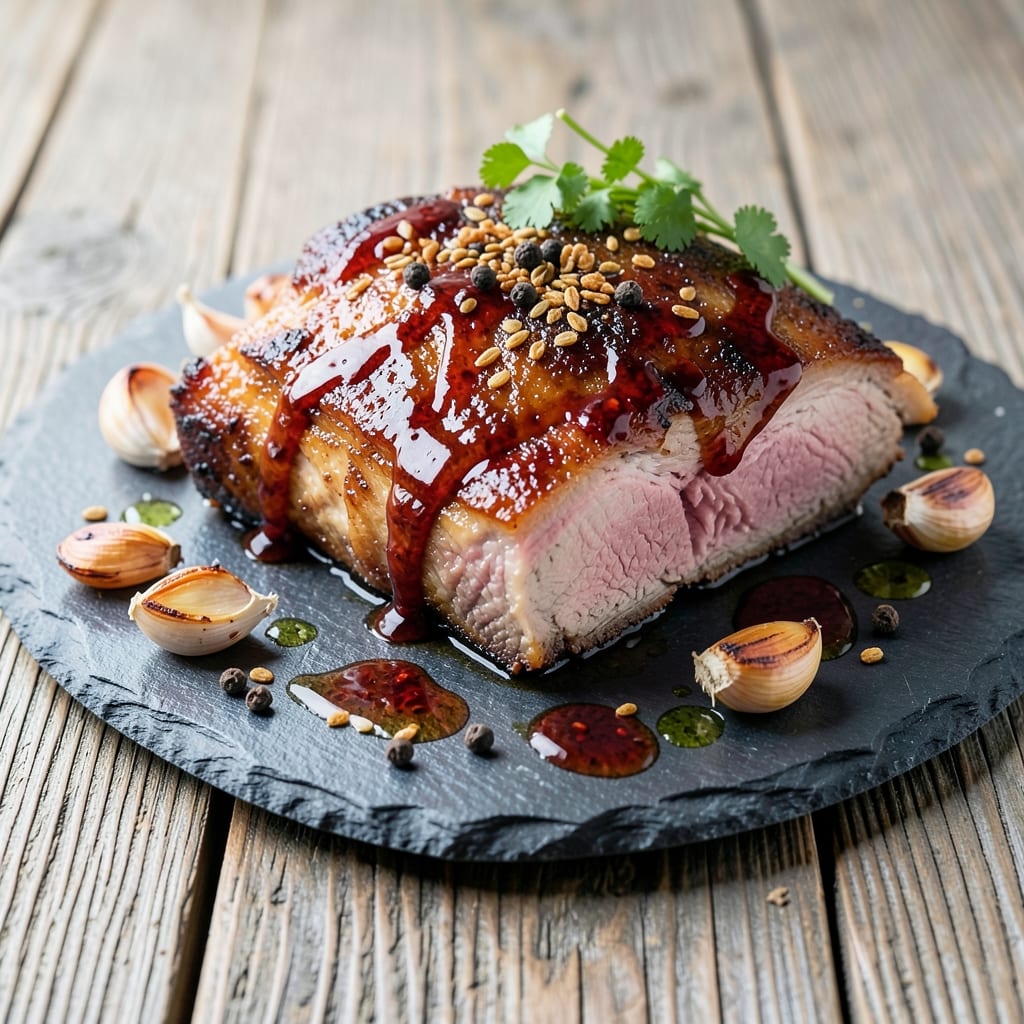
This Armenian pork BBQ recipe transforms simple pork into a masterpiece with crispy edges and layers of smoky garlic flavor that’ll have your guests begging for seconds. 🔥 The secret lies in a time-honored technique: slow-cooked pork shoulder rubbed with a blend of garlic, coriander, and pomegranate molasses, then finished with a sear that locks in juices while creating that coveted crust. I first tasted this dish at a family gathering in Yerevan, where the sizzle of the grill mixed with the aroma of fresh herbs—it’s a memory I’ve spent years perfecting at home.
The magic happens in three stages: marinating overnight to tenderize the meat, slow-smoking over indirect heat until the pork falls apart, and finally searing over direct flame for that crispy exterior. This method ensures every bite delivers melt-in-your-mouth tenderness with a flavor profile that’s both bold and balanced—smoky from the charcoal, bright from the garlic, and tangy from the molasses. The result? A dish that feels like a celebration, whether you’re grilling for a crowd or treating yourself to a Sunday feast.
Pair your pork with traditional Armenian sides like lavash bread, a fresh cucumber-yogurt salad, and a sprinkle of chopped mint for brightness. The contrast of textures and temperatures—warm, smoky pork against cool, creamy salad—makes each bite unforgettable. This isn’t just a recipe; it’s a taste of Armenia’s culinary soul, adapted for your backyard grill. Let’s get cooking—your taste buds will thank you.
Pro tip: For extra depth, baste the pork with its marinade during the last 15 minutes of cooking. The caramelized crust? That’s where the real magic happens. Trust me, this is the kind of dish that turns weeknight dinners into special occasions—no fuss, just flavor.
Ingredients for armenian pork bbq
Six pounds of pork shoulder and twelve garlic cloves—this is where smoky magic begins.
| Ingredient | Amount | Notes |
|---|---|---|
| Boneless Pork Shoulder 🥩 | 4 lb | Well-marbled for juiciness |
| Garlic Cloves 🧄 | 12 cloves | Freshly smashed for intense flavor |
| Ground Coriander 🌿 | 2 tbsp | Freshly ground preferred |
| Pomegranate Molasses 🍇 | ½ cup | For tangy depth |
| Olive Oil 🫒 | ¼ cup | Extra-virgin for richness |
| Smoked Paprika 🌶️ | 1 tbsp | For smoky aroma |
| Fresh Cilantro 🌱 | ½ cup | Chopped, stems removed |
| Fresh Mint 🍃 | ¼ cup | Chopped for brightness |
| Salt 🧂 | 1 ½ tsp | Diamond Crystal preferred |
| Black Pepper 🌶️ | 1 tsp | Freshly cracked |
| Charcoal Chunks 🔥 | 2 lbs | For smoky flavor |
| Wood Chips 🌳 | 1 cup | Hickory or fruitwood |
| Lemon Juice 🍋 | 2 tbsp | Freshly squeezed |
The pork shoulder is non-negotiable here—look for well-marbled cuts at your local butcher shop or the meat department at Whole Foods. I always ask for the bone-in version if available, as it adds extra flavor, but boneless works perfectly fine. For the garlic, fresh is a must—those jarred minced garlic cloves just won't cut it. Smash the cloves with the flat side of your knife for maximum flavor release. The pomegranate molasses? Trader Joe's has the best price, and it's worth hunting down for that authentic tang. If you can't find it, sub with a mix of balsamic vinegar and a pinch of cinnamon, but trust me, the real deal makes all the difference.
No smoked paprika? Regular paprika plus a pinch of liquid smoke works in a pinch, though it won't be quite the same. Fresh coriander is ideal, but if you're using dried, reduce to one teaspoon—it's way more potent. The wood chips can be any fruitwood—apple or cherry pairs beautifully with pork. For extra crispiness on the crust, pat the pork dry with paper towels before searing. And if you're feeling fancy, add a sprinkle of crushed red pepper flakes to the marinade for a subtle kick. The lemon juice is key for balancing all the richness, so don't skip it—freshly squeezed is best, but bottled works if you're in a hurry.
This pork tastes even better the next day, so make extra if you can. Store leftovers in an airtight container in the fridge for up to 5 days or freeze for 3 months. For reheating, I like to wrap portions in foil and warm them in a 350°F oven until heated through—about 15 minutes. The crust will soften slightly, but the meat stays juicy. Pro tip: Save any leftover marinade and use it as a dipping sauce for your lavash bread—trust me, it's delicious.
Why You'll Love This Recipe
- One-Pan Magic: I swear by this—just toss the pork shoulder in a single pan, rub it with garlic and coriander, and let the molasses caramelize. No fancy equipment, no stress, and that sticky-sweet crust? Worth every second.
- Tangy-Sweet Obsession: That pomegranate molasses is the star—it cuts through the richness of the pork with a bright, fruity punch. Honestly, I’ve tried other BBQs, but this one lingers like a good memory.
- Weeknight & Party Star: Slap this on the grill for summer dinners or shred it for tacos when friends drop by. (Yes, even on a Tuesday night.) The same flavors work hot or cold, dressed up or kept simple.
- Budget-Buster Leftovers: Pork shoulder stretches forever, and the spices cost next to nothing. I make a double batch, save half for sandwiches, and still have enough for lunch the next day—no waste, all flavor.
Step-by-step instructions for Armenian pork BBQ
Let's build that signature crispy crust with smoky depth—this is where the magic happens.
🔥 Step 1: Create the Signature Rub and Prep the Pork
In a small bowl, combine the 2 tbsp ground coriander, 1 tbsp smoked paprika, 1.5 tsp salt, and 1 tsp black pepper. This blend is the foundation of that unmistakable Armenian flavor profile. I like to crush the coriander seeds first between my palms before grinding—it releases more aroma and makes the rub even more potent.
Pat the 4 lb boneless pork shoulder completely dry with paper towels. You want it bone-dry for that crispy crust to form. Rub the spice mixture all over the pork, pressing it into the surface so it sticks. Then, in a separate bowl, mix the 0.5 cup pomegranate molasses with the 2 tbsp lemon juice—this tangy combo is what gives Armenian BBQ its bright, complex flavor. Brush half of this mixture over the pork, reserving the rest for later. Let the pork sit at room temperature for 30 minutes before cooking.
🔥 Step 2: Set Up Your Smoker for Perfect Crust and Smoke
Fill your smoker with 2 lbs charcoal chunks and add the 1 cup wood chips (hickory or fruitwood works best). Light the charcoal and let it burn until you see clean blue smoke—this is your signal that it's ready. I aim for a temperature of 250°F, which gives us that perfect balance of smoke penetration without drying out the meat.
Here's the thing—Armenian BBQ isn't just about smoke flavor. The crust is everything. Place the pork shoulder fat-side up on the smoker grates. The fat will render slowly and baste the meat as it cooks, creating that irresistible crispy exterior. Don't be tempted to flip it early—let that fat work its magic for at least 1 hour before you even think about turning it.
🍳 Step 3: Build the Crust and Smoke the Pork Low and Slow
After that initial 1 hour, flip the pork shoulder and brush it with the remaining pomegranate molasses-lemon juice mixture. This is when you'll start to see that beautiful mahogany bark forming—this is your crispy crust in the making. Smoke the pork for a total of 6-8 hours, maintaining that 250°F temperature. I know it seems like forever, but patience is key here.
About 2 hours into cooking, you'll hit "the stall"—the temperature will plateau around 165°F as moisture evaporates. This is normal! When it happens, wrap the pork tightly in butcher paper (not foil—it needs to breathe). This technique, called the "Armenian wrap," helps push through the stall while keeping that crust intact. Return it to the smoker and continue cooking until the internal temperature reaches 200°F.
⏰ Step 4: Rest and Finish with Fresh Herbs
Once the pork hits 200°F and a probe slides in like butter, it's done. Transfer it to a cutting board and let it rest for at least 1 hour (I prefer 2 hours wrapped in a towel). This resting period is crucial—it lets those juices redistribute so every bite is moist and flavorful. Real talk: Skipping this step means dry, tough meat.
While the pork rests, make the herb garnish. In a small bowl, combine the 0.5 cup chopped fresh cilantro and 0.25 cup chopped fresh mint with 2 tbsp olive oil. Toss gently to coat. When you're ready to serve, slice the pork against the grain into ½-inch thick slices. Drizzle with the herb oil and serve immediately with warm flatbread or crusty bread.
🍽️ Step 5: Serve with Confidence
The final touch is what makes this Armenian BBQ special. Each slice should have that perfect balance of crispy, smoky crust with tender, juicy meat inside. The pomegranate molasses adds a tangy sweetness that cuts through the richness, while the fresh herbs bring a bright finish. Serve with a side of pickled vegetables or a simple cucumber salad to balance the richness.
Here's my pro tip: If you're serving a crowd, keep the pork warm in a 170°F oven while you finish the sides. The residual heat keeps it warm without drying it out. And trust me—your guests will be asking for seconds before they're even done with their first plate.
Pro Tips For Making Armenian Pork Bbq
- SEAR FIRST, THEN MARINATE: Slap that pork shoulder in a screaming-hot pan with olive oil for 3-4 minutes per side before adding anything else. The crust locks in flavor when the molasses and garlic hit later—I learned this after my first batch turned out bland because I rushed the sear. ---
- GRIND YOUR CORIANDER FRESH: Store-bought ground coriander loses punch fast. Toast whole seeds in a dry pan for 30 seconds, then grind them yourself—it’s more work, but the aroma and depth in your rub will make the difference between "good" and "wow." ---
- DON’T DROWN THE MEAT: Pomegranate molasses is sticky gold, but too much turns your BBQ into a sauce. Use 2 tablespoons for every pound of pork, then brush it on in thin layers. Thick globs steam the meat instead of caramelizing it. ---
- REST IT UNDER FOIL: After cooking, tent the pork with foil and let it sit for 15 minutes. Skipping this step means dry, stringy slices—no matter how juicy it looks inside. The residual heat keeps it tender while you prep the rest of the meal.
Troubleshooting this recipe
Smoke Stuck?
If your smoker isn’t producing enough smoke, try soaking your wood chips in water for 30 minutes before using them. This creates more steam and smoke initially. I also recommend using hickory or fruitwood chips—they burn cleaner than pine. If your charcoal isn’t lighting properly, use a chimney starter for consistent heat. 🔥
Crust Not Forming?
For that signature crispy crust, ensure your pork is completely dry before smoking. Pat it with paper towels until it’s bone-dry. If the crust still isn’t forming, try increasing the heat slightly to 275°F during the last 30 minutes of cooking. The fat-side-up position is key—let it render naturally for the first 1 hour.
Meat Too Dry?
If your pork turns out dry, you likely cooked it too fast or didn’t rest it long enough. Slow and low is the name of the game—250°F is ideal. Wrap the pork in butcher paper (not foil) when you hit the stall to retain moisture. Always rest for at least 1 hour before slicing. I’ve seen this happen when people rush the process!
Uneven Cooking?
Uneven cooking often happens if your smoker isn’t maintaining temperature. Use a dual-probe thermometer to monitor both the smoker and the meat. If one side cooks faster, rotate the pork 90 degrees every 2 hours. A well-insulated smoker helps, but even a simple charcoal grill can work if you’re patient. 🌡️
Herb Garnish Too Mild?
If your fresh herbs aren’t adding enough flavor, try infusing the olive oil with a few garlic cloves and a pinch of salt for 10 minutes before mixing with the herbs. Also, use more cilantro—0.75 cup instead of 0.5 cup—for a bolder taste. Freshness is key here, so buy herbs the day of cooking if possible.
Molasses Too Sweet?
If the pomegranate molasses overpowers the dish, balance it with an extra 1 tbsp lemon juice in the marinade. You can also reduce the molasses to 0.375 cup and add 1 tsp apple cider vinegar for tang. The goal is harmony—taste as you go! The molasses should enhance, not dominate, the smoky flavors. 💫
Nutrition facts
Frequently asked questions
Can I substitute pomegranate molasses in this recipe?
If you can't find pomegranate molasses, mix 0.375 cup balsamic vinegar with 1 tsp cinnamon for a similar tangy depth. For extra richness, add 1 tbsp honey to balance the acidity. The key is maintaining that bright, slightly sweet contrast to the smoky flavors.
What's the best way to cook this if I don't have a smoker?
Use your grill with indirect heat! Place charcoal on one side and the pork on the other. Maintain 250°F by adjusting vents, and use a meat probe to monitor temperature. For a stovetop option, sear the pork in a Dutch oven, then finish in a 275°F oven until it reaches 200°F. The butcher paper wrap technique works in the oven too!
How do I know when the pork is done without a meat thermometer?
Look for three key signs: the internal color should be light gray (not pink), the juices should run clear when pierced, and the pork should feel firm but still slightly springy. For a foolproof test, cut into a small section—it should separate easily with a fork. The 200°F internal temp is ideal, but these visual cues work well too.
Can I make this recipe with chicken or lamb instead of pork?
Yes, but adjust cooking times! Chicken thighs take 4-5 hours at 250°F (until 175°F internal), while lamb shoulder needs 5-6 hours (until 195°F). Reduce the marinade time to 4 hours for poultry to prevent overcooking. The same rub works beautifully—just watch those temps closely!
What are the best Armenian sides to serve with this?
Pair it with lavash bread (warm, not crispy), a cucumber-yogurt salad with dill and mint, and pickled vegetables for acidity. For extra authenticity, serve with dolma (stuffed grape leaves) or a simple tomato and onion salad. The contrast of cool, creamy sides balances the smoky richness perfectly.