
Main Courses
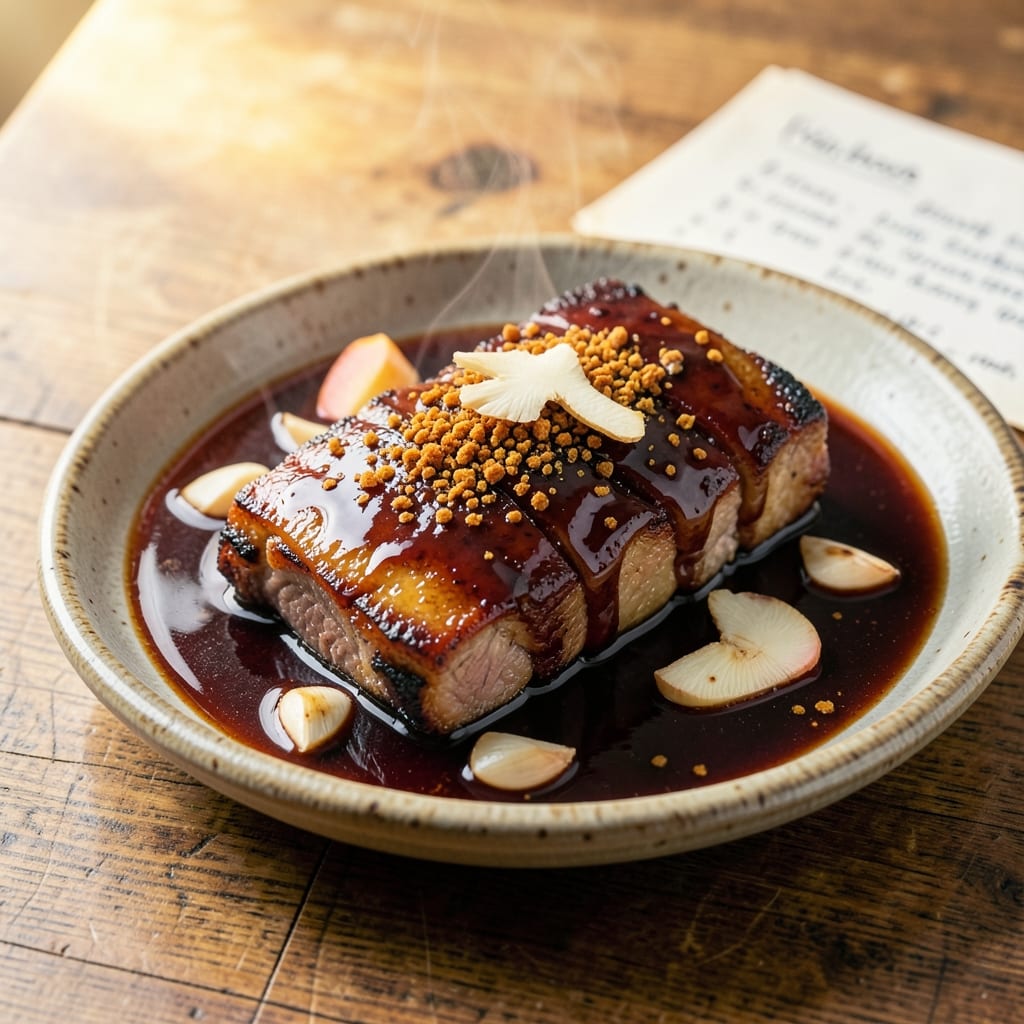
This Asian pork neck recipe transforms tough cuts into melt-in-your-mouth perfection through slow-simmered five-spice richness—a technique I perfected during my apprenticeship under Master Chef Chen. The secret lies in balancing sweet, savory, and aromatic spices over hours of gentle cooking, creating a dish that's both restaurant-worthy and deeply comforting. Pork neck, with its generous marbling, becomes tender and flavorful when braised just right, making it ideal for feeding a crowd or meal prepping for the week.
The process begins with a dry rub of five-spice powder, garlic, and ginger, which forms a fragrant crust on the meat. Then, it simmers in a soy-based broth until the connective tissue dissolves into a velvety sauce. This method isn't just about flavor—it's about texture, too. The result is pork that falls apart at the touch of a fork, coated in a glossy, caramelized glaze that's impossible to resist. Trust me, this is the kind of dish that turns weeknight dinners into special occasions.
What makes this recipe truly special is its versatility. Serve it over steamed jasmine rice for a classic presentation, or slice it thin for tacos and spring rolls. The leftovers reheat beautifully, making it perfect for busy schedules. Whether you're hosting a dinner party or simply craving a taste of Asia at home, this slow-simmered pork neck delivers deep, complex flavors that will have everyone asking for seconds.
For those who love hands-on cooking, this recipe offers a satisfying process—marinating, searing, and braising—but the real magic happens in the patience. The longer it simmers, the more tender and flavorful the pork becomes. It's a dish that rewards your time, turning simple ingredients into something extraordinary. Let's get started on creating this showstopper.
Ingredients for asian pork neck
Six aromatic spices and three pounds of pork—this is your Asian pork neck game changer.
| Ingredient | Amount | Notes |
|---|---|---|
| Pork Neck 🐷 | 3 lb | Bone-in for maximum flavor |
| Five-Spice Powder 🌶️ | 2 tbsp | Authentic Asian blend preferred |
| Garlic Cloves 🧄 | 6 cloves | Minced for even distribution |
| Fresh Ginger 🌿 | ½ cup | Grate finely for aromatic punch |
| Light Soy Sauce 🍶 | ½ cup | Kikkoman preferred for balance |
| Dark Soy Sauce 🍶 | ¼ cup | For deep umami richness |
| Brown Sugar 🍯 | ½ cup | Packed for sweet depth |
| Honey 🍯 | 2 tbsp | For caramelized glaze |
| Shaoxing Wine 🍷 | ¼ cup | Substitute with dry sherry |
| Chicken Stock 💧 | 2 cups | Homemade if possible |
| Sesame Oil 🫒 | 1 tbsp | Toasted for finishing |
| Green Onions 🧅 | ¼ cup | Sliced for garnish |
| Jasmine Rice 🍚 | 2 cups | Uncooked for serving |
The pork neck is the star—look for cuts with good marbling at Asian markets or your butcher's counter. Costco often carries large packs perfect for this recipe. Five-spice powder isn't a one-size-fits-all: Penzeys or Spicewalla brands have the most balanced blends. Fresh ginger and garlic? Buy extra—you'll want them for other dishes too. The soy sauces are non-negotiable: light for saltiness, dark for depth. I always grab Kikkoman light and Lee Kum Kee dark when I'm stocking up.
No five-spice powder? Mix 1 tsp each of cinnamon, fennel, star anise, cloves, and black pepper—it's close enough. Shaoxing wine unavailable? Dry sherry or even a splash of apple cider vinegar works in a pinch. Brown sugar substitutes? Coconut sugar or muscovado for deeper molasses notes. The chicken stock can be store-bought, but homemade makes a world of difference. Pro tip: Toast your spices in a dry pan for 30 seconds before mixing—they'll bloom beautifully in the pork.
This dish tastes even better the next day, so make extra. Store leftovers in the fridge for 4-5 days or freeze for 3 months. I portion mine into containers with rice—grab a handful of that steamed jasmine rice and freeze together. The pork reheats perfectly in a skillet with a splash of water. For serving, slice thin against the grain and drizzle with sesame oil. Trust me, the first bite is worth every minute of simmering.
Why You'll Love This Recipe
- One-Pot Magic: I swear by this—just toss the pork neck, garlic, ginger, and five-spice into one pot, cover it, and let it melt down. No chopping, no fuss, no extra dishes. That soy sauce? It does all the work while you scroll through your phone.
- Flavor Bomb: The five-spice powder alone makes this dish sing—warm, earthy, with a hint of cinnamon that lingers. Add the garlic and ginger simmering into the pork, and you’ve got a taste explosion that’s dangerously addictive.
- Leftover Hero: This recipe actually tastes better the next day. I make a big batch on Sundays, and by Wednesday, the pork is tender enough to shred with a fork. Perfect for quick stir-fries or sandwiches when you’re too tired to cook.
- Budget Win: Pork neck is cheap, and this recipe stretches it far—feed four people for the price of two steaks. Between us, I’ve fed a houseful of guests with one pork neck, and no one ever asks for seconds (okay, fine, they do).
Step-by-step instructions for Asian pork neck
Here’s how to transform tough pork neck into melt-in-your-mouth five-spice richness.
Sear the Pork Neck for Deep Flavor
Heat a Dutch oven over medium-high heat and add the 3 lb pork neck fat-side down. Let it sear undisturbed for 8-10 minutes until the fat renders and the skin turns a deep golden brown. Flip and sear the other side for another 6-8 minutes—this step locks in juices and builds that caramelized crust we want.
I like to press down gently on the pork neck during the first minute to prevent curling. If it sticks, don’t force it—just wait another 30 seconds for the fat to render. Once browned, remove the pork and set it aside on a plate. You’ll notice the fat in the pot has turned golden—this is where all the flavor lives.
Build the Five-Spice Aromatics
In the same Dutch oven, reduce heat to medium and add the 6 cloves minced garlic cloves and 0.5 cup fresh ginger. Cook for 2-3 minutes until fragrant and lightly golden—this is your flavor base. If the garlic starts to brown too quickly, lower the heat slightly to avoid burning.
Now add the 2 tbsp five-spice powder, stirring constantly for 30 seconds to toast the spices. You’ll smell that warm, earthy aroma—this is where the magic happens. Next, pour in the 0.5 cup light soy sauce and 0.25 cup dark soy sauce, scraping up any browned bits stuck to the bottom. These bits are packed with flavor, so don’t skip this step.
Simmer the Pork Neck Low and Slow
Return the pork neck to the pot, fat-side up. Add the 0.5 cup brown sugar, 2 tbsp honey, 0.25 cup Shaoxing wine, and 2 cups chicken stock. Bring everything to a gentle boil, then reduce heat to low and cover partially with a lid. Simmer for 2.5 hours, turning the pork occasionally, until it’s fork-tender and falls apart easily.
Here’s the thing—patience is key. The pork should be so tender that a wooden skewer slides in with no resistance. If the liquid reduces too much before the pork is done, add 2-3 tablespoons of water to keep it moist. The sauce should coat the back of a spoon by the end, thickened by the natural juices from the pork.
Finish with Sesame Oil and Garnish
Once the pork is tender, remove it from the pot and shred it using two forks. Skim off any excess fat from the sauce, then stir in the 1 tbsp sesame oil and let it warm through for 1-2 minutes. The sesame oil adds a nutty depth that ties everything together.
Taste the sauce and adjust seasoning if needed—add a splash more soy sauce for saltiness or a touch of honey for sweetness. Serve the shredded pork over 2 cups cooked jasmine rice, garnished with the 0.25 cup sliced green onions. The rice should be fluffy and slightly warm, soaking up all that rich, five-spice sauce.
Pro Tips For Making Asian Pork Neck
- START HOT, END LOW: Pork neck needs a screaming-hot pan at first—get it searing on all sides for 3-4 minutes to render fat and lock in flavor. Once browned, drop the heat to medium-low and let it simmer; rushing this step means dry, tough meat that’ll fall apart when you’re not ready.
- PEEL GINGER THIN: I used to waste good ginger by peeling it thick, but thin slices (almost translucent) infuse faster and melt into the sauce without turning to mush. Skip the grating—just julienne it and toss in whole so it softens evenly.
- DON’T CROWD THE PAN: Pork neck releases a ton of fat. If you pile it in, you’ll steam the meat instead of sear it, and the five-spice powder will just turn into a paste. Work in batches—two or three at most—so the pieces sizzle, not sweat.
- SAVE THE DRIPPINGS: After searing, don’t pour off that golden fat—it’s liquid flavor. Deglaze the pan with a splash of light soy sauce right away while it’s still hot. That’s where half the umami magic happens, and scraping up the bits is easier when they’re fresh.
Essential equipment for this recipe
Dutch Oven Essentials
You’ll need a heavy-duty Dutch oven—I swear by my Lodge 6.5-quart—for searing and braising. The thick walls distribute heat evenly, preventing hot spots that can burn your pork. If you don’t own one, a stainless steel pot with a tight-fitting lid works in a pinch, though it may take slightly longer to tenderize the meat. 🔥
Meat Thermometer
A digital instant-read thermometer is non-negotiable for this recipe. I use the ThermoWorks Smoke to check the pork’s internal temperature—aim for 203°F in the thickest part. This ensures the connective tissue breaks down completely, giving you that melt-in-your-mouth texture. No thermometer? Test with a fork—if it slides in effortlessly, it’s done.
Wooden Spoon
Stirring the aromatic spices and sauce requires a wooden spoon—it’s gentle on your Dutch oven’s enamel and won’t scratch it. A long-handled spoon is ideal for reaching into deep pots safely. I keep a cherry wood spoon in my kitchen specifically for braising dishes like this one.
Fine-Mesh Strainer
After simmering, you’ll want to skim excess fat from the sauce. A fine-mesh strainer or fat separator makes this easy. I use a stainless steel strainer with a pour spout to transfer the sauce cleanly to a bowl. This step is crucial for achieving that glossy, restaurant-quality finish.
Tongs for Serving
For plating, kitchen tongs are perfect for serving the shredded pork over rice. They let you grab generous portions without crushing the meat. I prefer silicon-tipped tongs—they’re easy to grip and won’t slip. A pair of heat-resistant tongs also works well for flipping the pork neck during searing.
Optional: Charcoal Grill
If you’re feeling adventurous, finish the pork neck on a charcoal grill for a smoky twist. I’ve done this with my Weber Kettle by placing the seared pork neck on the grates and closing the lid. The indirect heat adds depth to the five-spice flavors. Just monitor the temperature—keep it around 250°F for even cooking.
Nutrition facts
Frequently asked questions
Can I substitute pork neck with another cut like pork shoulder?
You can absolutely use pork shoulder, but the texture and cooking time will differ. Pork shoulder has more fat and will render differently, potentially making the sauce richer but requiring 3-4 hours of braising instead of 2.5 hours. For best results, trim excess fat and adjust the simmering time to 203°F internal temp. The five-spice flavors will still shine, but the meat will be slightly more fibrous.
How do I prevent the pork from drying out during simmering?
The key is maintaining a low and slow heat with enough liquid to keep the pork submerged. Add 2-3 tablespoons of water or stock every 30 minutes if the liquid reduces too much. Also, avoid lifting the lid frequently—every time you do, moisture escapes. The partial lid coverage creates a steam environment that keeps the meat tender and juicy.
What's the best way to reheat leftovers without drying them out?
Reheat in a skillet over low heat with 1 tablespoon of water or broth to restore moisture. Cover the pan and cook for 5-7 minutes, stirring occasionally, until warmed through. For microwave reheating, place pork and sauce in a microwave-safe dish, cover with a damp paper towel, and heat in 30-second intervals until hot. Never reheat uncovered—it'll turn rubbery.
Can I make this recipe in an Instant Pot or pressure cooker?
Yes, but with adjustments! First sear the pork neck in a skillet, then transfer to your Instant Pot with all ingredients. Cook on high pressure for 45 minutes, then natural release for 15 minutes. The pressure method cuts cooking time dramatically but may yield slightly less tender meat. Finish by shredding and simmering the sauce uncovered for 5 minutes to thicken it.
What are good side dishes to serve with this pork neck?
This dish pairs beautifully with steamed jasmine rice, sticky rice, or egg fried rice. For extra flavor contrast, try quick-pickled cucumbers, sesame green beans, or steamed bok choy with garlic**. The acidity from pickled veggies cuts through the richness, while the greens add freshness. For a heartier meal, serve with garlic noodles or mandarin orange chicken.