
Sauces & Condiments
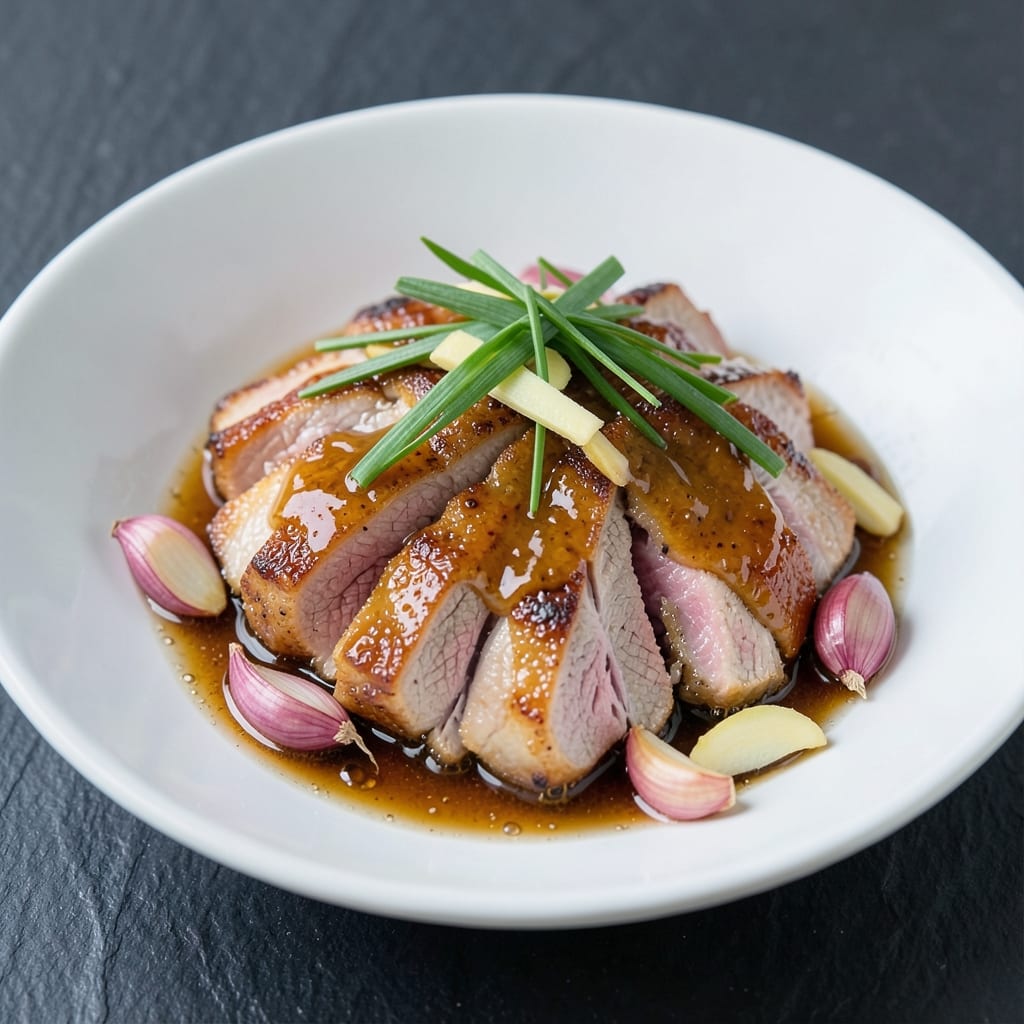
This Asian pork sauce recipe transforms simple pantry staples into a rich, umami-packed condiment that elevates any dish—no fancy ingredients required. The secret lies in balancing sweet, salty, and tangy flavors through a 15-minute simmer, creating a sauce so versatile it works on stir-fries, dumplings, or even grilled meats. I developed this after craving that deep, savory depth of restaurant-quality sauces without the complexity.
What makes this recipe stand out is its 5-ingredient simplicity—soy sauce, vinegar, sugar, garlic, and ginger form the backbone, while optional pork broth adds an extra layer of richness. The sauce thickens beautifully as it simmers, developing a glossy sheen and concentrated flavor that clings perfectly to noodles or proteins. Unlike store-bought versions, this one stays fresh for up to 2 weeks in the fridge, making it a pantry essential.
The result is a sauce that’s sweet yet tangy, with a subtle heat from ginger and a deep umami punch from the soy. It’s the kind of condiment that turns a simple meal into something extraordinary—think crispy pork stir-fries, glistening dumpling wrappers, or even as a dipping sauce for spring rolls. The best part? It’s foolproof, requiring no special techniques beyond basic simmering and taste adjustments.
Once you make this, you’ll never go back to bottled sauces again. Let’s get started—your taste buds (and leftovers) will thank you.
Ingredients for asian pork sauce
Five pantry staples create this restaurant-worthy sauce with umami depth and tangy balance.
| Ingredient | Amount | Notes |
|---|---|---|
| Light Soy Sauce 🥢 | ¾ cup | High-quality, not reduced |
| Rice Vinegar 🍶 | ⅓ cup | White or seasoned variety |
| Granulated Sugar 🍚 | ⅓ cup | White or brown sugar |
| Fresh Garlic Cloves 🧄 | 4 cloves | Minced for aromatic depth |
| Fresh Ginger Root 🌿 | 2 tbsp | Finely grated, not powdered |
| Pork Broth (optional) 🍲 | ½ cup | Homemade or store-bought |
| Sesame Oil (optional) 🫒 | 1 tbsp | Toasted for nutty aroma |
The soy sauce is non-negotiable—Kikkoman or Pearl River Bridge deliver that authentic salty depth. Rice vinegar should be white or seasoned for a clean, bright acidity that cuts through the richness. Sugar can be white or brown, but organic cane sugar dissolves more smoothly. For the aromatics, fresh garlic and ginger are essential—Trader Joe's or Asian markets often have pre-minced ginger if you're short on time, but freshly grated always wins. The pork broth, if using, should be homemade or high-quality store-bought—none of that bouillon cube stuff.
No rice vinegar? Apple cider vinegar or white wine vinegar works in a pinch, though the flavor will be slightly different. Brown sugar instead of white adds subtle molasses notes. For the optional sesame oil, toasted sesame oil is key—regular won't have that nutty punch. If you're avoiding pork, vegetable broth with a splash of soy sauce mimics the umami. The sauce thickens as it simmers, so if it's too thin, simmer uncovered for another 2-3 minutes. Taste as you go—adjust sweetness with more sugar or saltiness with an extra splash of soy.
This sauce keeps beautifully in the fridge for 2 weeks in an airtight jar. The flavors actually deepen over time, so it's perfect for making ahead. For longer storage, freeze in ice cube trays—just thaw overnight in the fridge. I always double the batch because it disappears fast. The sesame oil, if added, should go in last to preserve its aroma. Store it in a cool, dark place if you're not using it all at once.
Why You'll Love This Recipe
- Pantry Magic: I swear by this sauce when I forget to shop for fresh herbs—just those five ingredients transform plain pork into something ridiculously good. The ginger and garlic simmer down into this fragrant, sticky base that’s basically flavor insurance.
- Umami Bomb: That first spoonful of light soy and rice vinegar? It’s the kind of balance you didn’t know you needed—salty, tangy, with just enough sweetness to make your taste buds do a happy dance. Honestly, I’ve made this sauce blindfolded and still nailed it.
- Weeknight Swiss Army: Drizzle it over stir-fried pork, toss it with noodles, or even slather it on grilled chicken—this stuff works everywhere. My lazy nights just got a major upgrade, and the best part? It takes 10 minutes to make, so you’re not sacrificing dinner for prep time.
- Budget Hero: Between us, this sauce costs pennies per serving and stretches for days. I make a big batch on Sundays, and by Wednesday, it’s still saving me from takeout. Plus, the sugar and vinegar are the only splurges—everything else is basic pantry staples.
Step-by-step instructions for Asian pork sauce
This sauce comes together faster than you can say "umami" - let's build flavor layer by layer.
Prepare the Aromatic Base
In a medium saucepan, combine the 0.75 cup light soy sauce, 0.33 cup rice vinegar, and 0.33 cup granulated sugar. I like to use a saucepan with sloped sides so the sauce doesn't spill when we stir vigorously. Place this over medium-low heat and bring to a gentle simmer - you'll see small bubbles forming along the edges but not a full rolling boil.
While waiting for the mixture to warm, finely mince the 4 cloves fresh garlic and grate the 2 tablespoons fresh ginger root. The ginger should be finely grated - think more like a paste than coarse shreds. This ensures even distribution of flavor throughout the sauce. Keep these aromatics ready in a small bowl until needed.
Build the Flavor Foundation
Once the soy-vinegar-sugar mixture reaches a gentle simmer, add the minced garlic and grated ginger. Stir constantly for 3-4 minutes until the garlic becomes fragrant and the ginger loses its raw bite. You'll notice the sauce starting to thicken slightly as the starches in the sugar begin to activate.
This is where the magic happens - the garlic should be completely incorporated but not browned. If you see any brown spots forming, immediately reduce the heat to low. The sauce should smell like a warm Asian street market - sweet, tangy, and deeply aromatic. Here's the thing - don't walk away during this step. The garlic burns faster than you think, and burnt garlic makes the whole sauce bitter.
Simmer to Perfect Consistency
After the aromatics are fully incorporated, add the 0.5 cup pork broth (if using) and the 1 tablespoon sesame oil (if using). The broth adds depth while keeping the sauce from becoming too concentrated. The sesame oil, when toasted, contributes that nutty aroma that elevates everything.
Now we'll simmer the sauce for 10-12 minutes until it reduces by about one-third and reaches your desired consistency. You want it thick enough to coat the back of a spoon but still pourable. The sauce should coat your finger when you dip it in - that's the perfect texture. If it's too thick, add 1 tablespoon hot water at a time until it reaches the right consistency. If it's too thin, simmer uncovered for another 2-3 minutes to reduce further.
Finish and Test for Balance
Remove the sauce from heat and let it cool slightly for 5 minutes. This resting period allows the flavors to meld completely. Taste and adjust the balance - you might want to add a touch more sugar if it's too tangy, or a splash more rice vinegar if it needs more brightness.
The sauce should have layers of flavor: the deep umami from the soy sauce, the bright acidity from the vinegar, the sweetness from the sugar, and the aromatic punch from the garlic and ginger. If you used the optional ingredients, you'll also taste the savory depth of pork broth and the nutty aroma of sesame oil. This is your umami bomb - simple ingredients working together to create something extraordinary.
Pro Tips For Making Asian Pork Sauce
- Bloom the Garlic: Toss minced garlic in a splash of cold water for 5 minutes before cooking—it mellows that sharp bite and keeps it from burning into bitterness. I learned this the hard way after turning my sauce into a charred, inedible sludge. ---
- Sweat, Don’t Burn: Cook ginger and garlic on low heat until fragrant but still pale—no browning, no caramelizing. High heat turns them bitter fast, and you’ll taste it in every spoonful. (Yes, even if you’re impatient like me.) ---
- Balance the Vinegar: Add rice vinegar last and taste as you go—it’s easy to overdo it and end up with something sour instead of tangy. Start with half the recipe’s amount, then adjust. Your taste buds will thank you. ---
- Sugar First, Then Salt: Stir in the sugar before the soy sauce to dissolve it fully—lumpy sugar ruins the texture. Then add soy sauce, but wait 30 seconds to let the flavors meld. (Your grandmother was right: order matters.)
Essential equipment for asian pork sauce
Saucepan Essentials
Start with a medium saucepan that has sloped sides—I recommend the All-Clad Stainless Steel for even heating and easy cleanup. The sloped sides prevent spills when stirring vigorously, which is crucial when combining soy sauce, vinegar, and sugar. A 2-quart capacity is ideal for this recipe, giving you room to work without overcrowding. If you don’t have stainless steel, a heavy-bottomed enamel pan also works well for consistent heat distribution. 🔥
Measuring Tools
Precision matters for balancing flavors, so invest in a stainless steel measuring spoons set—I love the OXO Good Grips for their ergonomic design. For the garlic and ginger, a microplane or fine grater ensures even texture and maximum surface area for flavor infusion. A digital kitchen scale (like the Escali Primo) helps measure ingredients accurately, especially when adjusting sweetness or acidity. Never eyeball the sugar or vinegar—this sauce relies on perfect balance! ✨
Heat Control Tools
A kitchen thermometer (such as the Thermoworks Thermapen) ensures you maintain the gentle simmer required—between 180-190°F. This prevents burning the garlic or over-reducing the sauce. If you don’t have a thermometer, watch for small bubbles at the edges (not a full boil). A wooden spoon is essential for stirring—it won’t scratch your pan like metal utensils. I also keep a small bowl nearby to hold the minced garlic and grated ginger while the sauce heats up. 🌡️
Storage Containers
For fridge storage, use glass mason jars with airtight lids—I prefer Ball Mason jars for their durability and seal. Label them with the date to track freshness (up to 2 weeks). For freezing, silicone ice cube trays work perfectly—just pop out cubes and store in a freezer bag. If you’re making a large batch, a vacuum sealer (like the FoodSaver) extends shelf life to 3 months while preserving flavor. Always cool the sauce completely before storing to prevent condensation. ❄️
Optional Upgrades
For extra depth, a high-quality pork broth (like Kettle & Fire) elevates the sauce’s umami. If you’re adding sesame oil, use toasted sesame oil (not regular)—brands like La Tourangelle deliver that nutty aroma. A fine-mesh strainer helps remove any lingering ginger bits if you prefer a silky texture. For presentation, a small squeeze bottle lets you drizzle the sauce artistically over dishes. These upgrades aren’t mandatory, but they take your sauce from good to restaurant-quality. 💫
Nutrition facts
Frequently asked questions
Can I make this sauce without pork broth?
The pork broth adds depth but isn't essential. Simply reduce the soy sauce to 0.6 cup and replace the broth with 0.5 cup water or vegetable broth for a vegetarian version. The sauce will still have that signature umami from the soy and garlic, just with a slightly lighter body.
How do I adjust the sweetness or saltiness?
Taste as you go! For more sweetness, add 1 tablespoon sugar at a time while warm. Need saltier? Stir in 1 teaspoon soy sauce. Too tangy? Balance with ½ teaspoon sugar. Remember: flavors meld as it cools, so adjustments are easier when warm.
What's the best way to use leftover sauce?
This sauce is a game-changer for leftovers! Drizzle over stir-fried noodles, use as a dipping sauce for spring rolls, or toss with grilled pork skewers. For extra richness, stir in 1 teaspoon sesame oil when reheating. Store in an airtight jar for up to 2 weeks in the fridge.
Why did my sauce turn cloudy?
Cloudiness usually means the sugar didn't fully dissolve. Stir more vigorously over low heat for 2-3 minutes until clear. If it's already set, strain through a fine-mesh sieve to remove any undissolved particles. For next time, dissolve the sugar in 2 tablespoons hot water first before adding to the pan.
Can I make this sauce spicier?
Yes! Add ½ teaspoon chili flakes or 1 teaspoon sriracha at the end for heat. For deeper spice, infuse the sauce with 1 sliced chili (like Thai bird's eye) while simmering, then remove before serving. Start with small amounts—this sauce is already bold!