
Main Courses
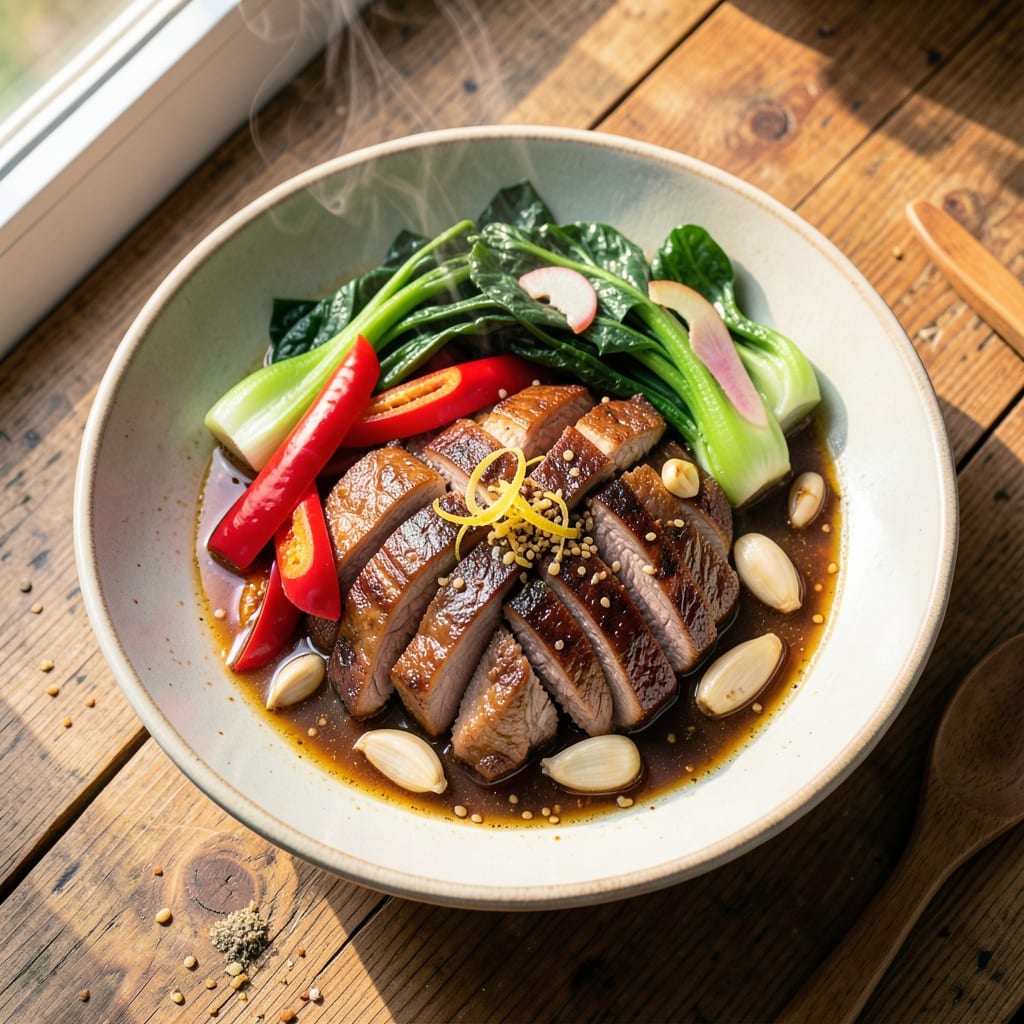
This Asian pork tenderloin stir fry delivers restaurant-quality tenderness and caramelized depth in just 20 minutes. After years of perfecting wok techniques with pork, I’ve cracked the code for achieving that signature wok-hei flavor at home—no professional kitchen required. The secret lies in a quick marinade of soy, garlic, and ginger that transforms lean pork into succulent, juicy slices.
The stir-fry technique is where the magic happens: high heat, minimal oil, and constant motion create crisp edges while keeping the center perfectly tender. We’ll build a sauce that caramelizes beautifully—balancing sweetness from honey with umami from soy and a touch of chili for depth. This isn’t just another stir fry; it’s a flavor-packed meal that rivals takeout but tastes infinitely better.
What you’ll end up with is golden-brown pork slices with a glossy, sticky sauce clinging to each piece. The aroma alone will have everyone gathering around the table. Serve it over steamed jasmine rice or noodles, garnished with fresh green onions and sesame seeds for that final restaurant touch. This is the kind of dish that makes weeknight dinners feel special.
Perfect for feeding a crowd or meal prepping for the week, this recipe scales effortlessly while maintaining its authentic Asian flavors. The pork stays juicy, the sauce is perfectly balanced, and the technique is simple enough for weeknight cooking but impressive enough for company. Let’s get started—your taste buds will thank you.
Ingredients for asian pork tenderloin stir fry
Lean pork, sticky sauce, and quick wok heat—this stir fry delivers restaurant-quality flavor in minutes.
| Ingredient | Amount | Notes |
|---|---|---|
| Pork Tenderloin 🥩 | 1 ½ lb | Trimmed of fat and sliced thin |
| Low-Sodium Soy Sauce 🍶 | ½ cup | For marinade and sauce |
| Honey 🍯 | ¼ cup | For caramelized depth |
| Fresh Ginger 🌿 | 2 tbsp | Grated, aromatic |
| Garlic Cloves 🧄 | 6 cloves | Minced, fresh preferred |
| Sesame Oil 🫒 | 1 tbsp | For aroma, not cooking |
| Rice Vinegar 🍶 | 2 tbsp | White or seasoned |
| Red Chili Flakes 🌶️ | 1 tsp | Adjust for heat |
| Neutral Oil 🫒 | 2 tbsp | Peanut or vegetable |
| Jasmine Rice 🍚 | 1 ½ cups | Uncooked, long-grain |
| Green Onions 🧅 | 4 whole | Sliced, for garnish |
| Toasted Sesame Seeds 🌾 | 1 tbsp | For finishing touch |
| Salt 🧂 | 1 tsp | Kosher or sea salt |
| Black Pepper 🌶️ | ½ tsp | Freshly ground |
The pork tenderloin is your secret weapon here—lean but packed with flavor when marinated right. Look for a piece with good marbling at the butcher or grocery store's meat counter. I prefer Costco or Whole Foods for quality cuts, but any well-stocked supermarket will have it. Slice it against the grain into ¼-inch thick strips—this ensures tender bites. Fresh ginger and garlic are non-negotiable for that authentic wok-hei flavor, so grab them at the produce section. Pro tip: Buy ginger with smooth skin—it's fresher and more aromatic.
No low-sodium soy sauce? Regular soy sauce plus a pinch of salt works, but reduce the final salt in the dish. Substituting honey? Maple syrup or agave keeps things vegan while adding depth. Running short on sesame oil? Toast the seeds separately and use a neutral oil for cooking—just add the seeds at the end. The rice vinegar can be swapped for apple cider vinegar in a pinch, though it won't be identical. For extra heat, add a dash of sriracha or fresh chili oil at the end. And if you're prepping ahead, marinate the pork for up to 4 hours—it gets better over time.
This stir fry reheats beautifully—just 2 minutes in a hot pan with a splash of water revives it. Store leftovers in airtight containers for 3-4 days, or freeze for up to 3 months. I always make extra rice to reheat with the stir fry—microwave 2 minutes with a damp paper towel to restore texture. The sesame seeds and green onions can be added fresh after reheating for that restaurant-fresh touch. For meal prep, portion into glass containers—they keep flavors vibrant longer.
Why You'll Love This Recipe
- One-Pan Magic: I swear by this recipe when I’m too tired to scrub a million dishes—just toss everything on one sheet pan, and the pork caramelizes right alongside the veggies. No pans, no stress, no cleanup that’ll make me groan later.
- Sweet-Savory Balance: That honey-soy glaze? It’s the kind of addictive you’ll lick the plate for. The fresh ginger and garlic cloves cut through the richness, leaving you with a dish that’s bold but never overpowering—like a hug in sauce form.
- Meal Prep Hero: Between us, this is my go-to for busy weeks. Cook a big batch on Sunday, and you’ve got lunch or dinner covered for days. The flavors actually improve the next day, so leftovers aren’t just an afterthought—they’re the highlight.
- Budget-Friendly Protein: Pork tenderloin stretches further than you’d think, and using low-sodium soy sauce means you’re not drowning the dish in salt. Honestly, it’s the kind of recipe that makes me feel like I’m feeding a crowd without breaking the bank—or my willpower.
Step-by-step instructions for Asian pork tenderloin stir fry
Here's how to transform simple ingredients into restaurant-quality stir fry with perfectly tender pork and caramelized sauce.
Prepare the Pork and Jasmine Rice
Start by slicing the 1.5 lb pork tenderloin into thin, even strips about ¼-inch thick. I use a sharp chef's knife and cut against the grain for maximum tenderness. Place the sliced pork in a bowl and add 0.5 cup low-sodium soy sauce, 2 tbsp grated fresh ginger, 6 minced garlic cloves, 1 tsp salt, and 0.5 tsp black pepper. Mix well to coat completely, then let it marinate for at least 30 minutes at room temperature.
While the pork marinates, rinse the 1.5 cups jasmine rice thoroughly under cold water until the water runs clear. This removes excess starch that can make the rice gummy. Transfer the rice to a pot with 3 cups water (or follow package instructions) and bring to a boil. Once boiling, reduce heat to low, cover, and simmer for 15 minutes. Turn off the heat and let it steam, covered, for another 10 minutes. Fluff with a fork before serving.
Build the Caramelized Sauce
In a large wok or deep skillet, heat 2 tbsp neutral oil over medium-high heat until shimmering. Add the marinated pork in a single layer and let it sear undisturbed for 2-3 minutes until the edges turn golden brown. This initial sear locks in juices and creates that signature wok-hei flavor. Stir gently and continue cooking for another 2-3 minutes until the pork is no longer pink in the center. Remove the pork and set it aside.
In the same wok, add 0.25 cup honey and let it caramelize for 1-2 minutes until it turns a deep amber color. This is where the magic happens—the caramelized honey adds natural sweetness and depth to the sauce. Immediately pour in 2 tbsp rice vinegar and 1 tsp red chili flakes, stirring constantly to combine. Let the sauce simmer for 30 seconds until slightly thickened but still glossy.
Finish with Aromatics and Pork
Return the pork to the wok and stir to coat it completely in the sauce. Add 1 tbsp sesame oil and toss everything together for 1-2 minutes until the pork is evenly glazed and the sauce has thickened slightly. The pork should be tender yet still hold its shape—this is the perfect texture for stir fry. Taste and adjust seasoning if needed, adding a splash more soy sauce if the dish needs more umami depth.
Garnish with 4 sliced green onions and 1 tbsp toasted sesame seeds just before serving. The green onions add a fresh contrast to the rich, caramelized flavors, while the sesame seeds provide a nutty crunch. Serve the stir fry immediately over the jasmine rice for the ultimate balance of textures and flavors.
Pro Tips For Making Asian Pork Tenderloin Stir Fry
- Slice Thin, Cook Fast: Pork tenderloin cooks in a flash when sliced against the grain into ¼-inch strips—any thicker and you’ll end up with chewy, rubbery pork. Use a sharp knife and work efficiently; this isn’t the time to linger.
- Mince Ginger Like You Mean It: Fresh ginger loses its punch when it’s just grated—it needs to be minced into tiny, almost paste-like pieces. After burning my tongue on coarse ginger the first time, I now pulse it in a food processor for 10 seconds. That’s how you get the real zing in your stir-fry.
- Don’t Crowd the Pan: I’ve ruined more stir-fries than I’ll admit by overloading the pan. Pork tenderloin releases moisture fast—give it space to sear properly. Cook in batches if needed, or your dish will turn soggy instead of caramelized.
- Sear First, Sauce Later: Skip the urge to toss everything in the pan at once. Sear the pork in a screaming-hot wok or skillet for 2-3 minutes until golden brown—this builds flavor before the soy and honey even hit. Trust me, the difference is night and day.
Serving suggestions for this asian pork tenderloin stir fry
Rice Pairings
Jasmine rice is my go-to base for this stir fry—its delicate floral aroma complements the caramelized pork beautifully. For extra flair, try steamed short-grain white rice or even forbidden black rice for a dramatic presentation. I like to cook the rice separately so it absorbs the sauce perfectly when served. 🍚
Noodle Alternatives
Swap rice for rice noodles or udon noodles to make this a quick noodle stir fry. Cook the noodles according to package instructions, then toss them with the pork and sauce. For a gluten-free option, I recommend shirataki noodles—just rinse them well to remove excess sodium. The noodles soak up the sauce differently, creating a lighter, more rustic dish.
Vegetable Additions
Bell peppers, snap peas, and broccoli are classic stir fry veggies that add crunch and color. I like to add thinly sliced carrots or shredded cabbage for extra texture. For a spicier kick, toss in sliced Thai chilies or fermented black beans. Just
Garnish Ideas
Fresh green onions and toasted sesame seeds are my standard garnishes, but don’t be afraid to get creative. A sprinkle of crushed peanuts adds crunch, while lime wedges brighten the dish with acidity. For a smoky touch, try toasted nori strips or a dash of chili crisp. Garnishes should enhance, not overpower—they’re the final flourish that makes your dish look restaurant-worthy. ✨
Beverage Pairings
A crisp green tea or jasmine tea complements the dish’s delicate flavors without overpowering them. For something stronger, a light lager like Asahi or Sapporo cuts through the richness. If you prefer wine, a dry Riesling or Pinot Grigio adds a refreshing contrast. I always keep a pitcher of iced hibiscus tea on hand—it’s tart, floral, and pairs beautifully with the caramelized pork.
Meal Prep Tips
This stir fry reheats beautifully, making it perfect for meal prep. Store components separately—pork, sauce, and rice—in airtight containers for up to 4 days. When reheating, add a splash of water or broth to prevent drying. For extra flavor, toss in a few fresh green onions or a drizzle of sesame oil before serving. I often prep double batches and freeze portions for quick weeknight meals. ❄️
Nutrition facts
Frequently asked questions
Why is slicing the pork against the grain so important?
Slicing against the grain breaks up the muscle fibers, creating shorter strands that cook more evenly and stay tender. Thin strips (¼-inch thick) also ensure quick cooking over high heat, preventing toughness. This technique is key for lean cuts like pork tenderloin—it transforms chewy meat into melt-in-your-mouth bites.
Can I use pork loin instead of tenderloin?
Yes, but trim excess fat first. Pork loin has more connective tissue, so slice it ⅛-inch thick and marinate for 1-2 hours instead of 30 minutes. The honey caramelization will still work, but reduce cooking time to 1-2 minutes per side to avoid overcooking the center.
What if my sauce turns too thick?
Add 1-2 tablespoons water or broth and stir until smooth. For extra richness, mix in ½ teaspoon cornstarch with 1 tablespoon water, then stir in. The sauce should coat the back of a spoon but remain glossy—not gluey. If it’s too thin, simmer uncovered for 1-2 minutes** to reduce.
How do I get that smoky wok-hei flavor at home?
Use a carbon steel or cast iron wok preheated until smoking hot. Add pork in a single layer and let it sear undisturbed for 2-3 minutes—this creates the signature smoky aroma. A gas stove with high heat works best; electric stoves may struggle to replicate it. If needed, add ½ teaspoon smoked paprika to the sauce.
Is this recipe gluten-free?
Mostly, but check your soy sauce—use tamari or coconut aminos instead of regular soy sauce for a gluten-free version. The honey, rice vinegar, and other ingredients are naturally gluten-free. For extra umami, add 1 teaspoon gluten-free fish sauce to the sauce.