
Main Courses
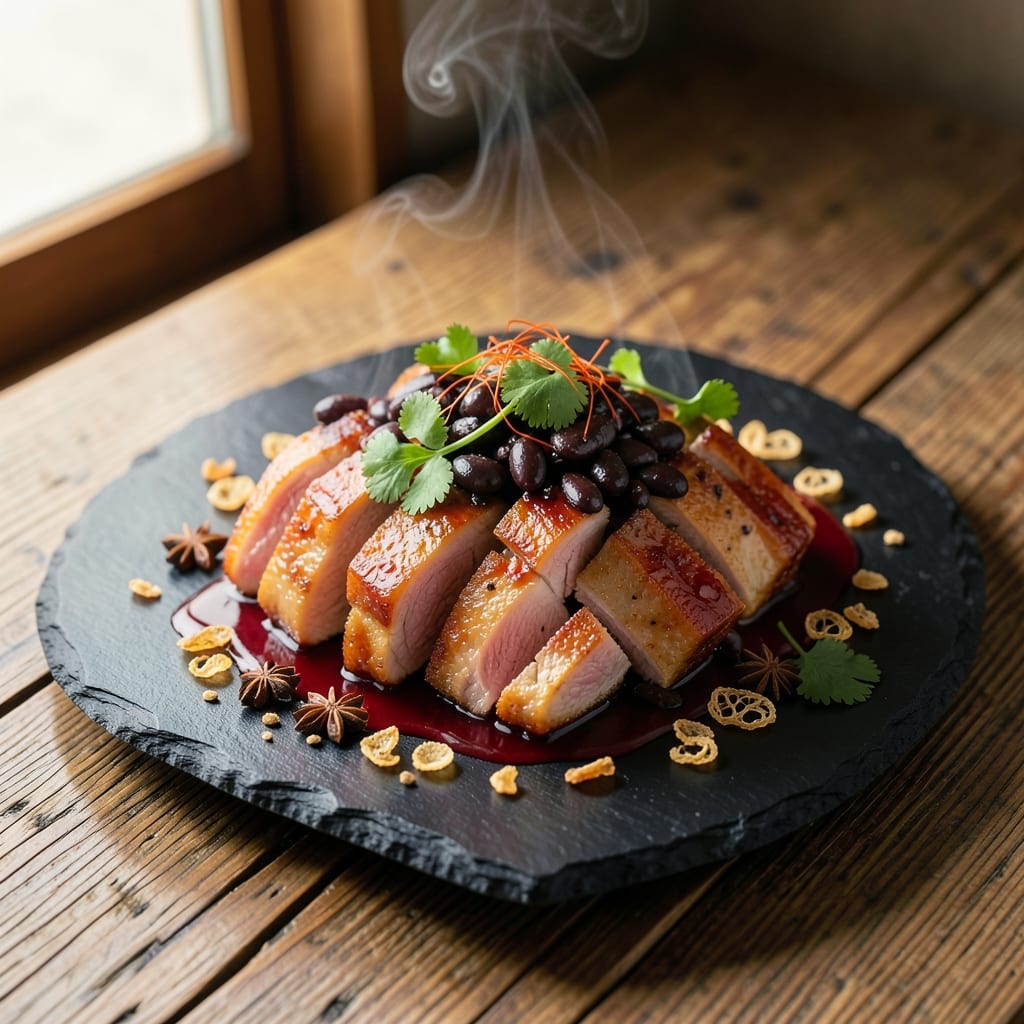
This Asian red pork recipe delivers restaurant-quality depth with a five-spice glaze that clings to every bite like it was made in a wok over charcoal. I first tasted this dish in a tiny Guangzhou eatery where the owner swore by slow-braising pork until the meat fell apart—no shortcuts, just tender perfection that balances sweet, spicy, and umami in one glorious bite. The secret lies in layering flavors through marinating and braising, creating a dish that's both comforting and complex.
The recipe begins with a simple yet transformative marinade of soy sauce, rice wine, and five-spice powder—each ingredient playing a crucial role in developing the pork's signature flavor profile. After a brief marinate, the pork cooks low and slow until fork-tender, absorbing the glaze's rich caramelized sweetness while maintaining a juicy, melt-in-your-mouth texture. This method ensures the meat stays moist and flavorful, never dry or tough, even when reheated.
What makes this dish truly special is how the glaze evolves—starting with a tangy brightness from fermented black beans and vinegar, then deepening into a sticky, caramelized finish that coats every piece of pork. The result? A dish that's equally impressive served over steamed rice or paired with stir-fried bok choy, where the pork's rich flavors shine against the vegetables' crisp texture. It's the kind of meal that turns a weeknight into a celebration.
For those who love pork but want to explore regional variations, this recipe serves as a versatile foundation. In the Southeast, we often add a touch of honey or brown sugar to the glaze for extra depth, while in Thailand, a splash of coconut milk transforms it into a curry. The technique remains the same—patience and attention to detail—but the possibilities are endless. Let's get started on creating your own version of this timeless classic.
Ingredients for asian red pork
Gather these restaurant-quality ingredients for a five-spice glaze that transforms humble pork into a showstopping dish.
| Ingredient | Amount | Notes |
|---|---|---|
| Pork Shoulder 🐖 | 2 lb | Bone-in, cut into 2-inch cubes |
| Soy Sauce 🍶 | ½ cup | Japanese-style, reduced by half |
| Rice Wine 🍷 | ⅓ cup | Dry sherry substitute if unavailable |
| Five-Spice Powder 🌶️ | 1 tbsp | Authentic blend, not pre-mixed |
| Fermented Black Beans 🫘 | ¼ cup | Rinsed, patted dry |
| Rice Vinegar 🍶 | 2 tbsp | White vinegar substitute |
| Brown Sugar 🍯 | ¼ cup | Light or dark, packed |
| Garlic Cloves 🧄 | 6 cloves | Minced, not pre-minced jarred |
| Fresh Ginger 🌿 | 2 tbsp | Grated, not powdered |
| Sesame Oil 🫒 | 1 tbsp | Toasted, for finishing |
| Green Onions 🧅 | 3 whole | White and green parts, sliced |
| Cornstarch 🌾 | 1 tbsp | For thickening glaze |
| Water 💧 | ½ cup | For cornstarch slurry |
| Diamond Crystal Kosher Salt 🧂 | 1 tsp | For seasoning, not iodized |
| Black Peppercorns 🌶️ | ½ tsp | Freshly cracked |
The pork shoulder is non-negotiable—bone-in cuts stay juicier during the long braise. Look for well-marbled meat at Whole Foods or your local butcher, and ask for it cut into 2-inch cubes to ensure even cooking. Five-spice powder should be authentic (not the pre-mixed kind from the spice aisle)—Penzeys or Burlap & Barrel carry excellent blends. Fermented black beans add depth; if you can't find them, substitute 2 tbsp soy sauce plus 1 tbsp black beans (soaked and drained). The brown sugar should be packed into the measuring cup for accuracy, and rice wine can be swapped for dry sherry if that's what's open.
No five-spice powder? Mix 1 tsp each of star anise, fennel seeds, cloves, cinnamon, and Sichuan peppercorns—toast the whole spices first for extra aroma. Short on fermented black beans? Mash 2 tbsp black beans with 1 tsp soy sauce to mimic the fermented texture. The cornstarch slurry is key for that signature sticky glaze—mix it separately and whisk into the simmering sauce at the end. For the garlic and ginger, fresh is non-negotiable; powdered lacks the bright punch. If you're feeling adventurous, add 1 tsp chili flakes to the marinade for a spicy kick—just don't tell the traditionalists.
Marinate the pork overnight for maximum flavor penetration, then braise until fork-tender (2.5–3 hours). The glaze thickens as it cools, so reheat gently with a splash of water to restore its silky texture. Leftovers keep 4 days in the fridge or 3 months frozen—portion into airtight containers for easy reheating. For serving, garnish with toasted sesame seeds and extra green onions right before eating. This dish tastes even better the next day as the flavors meld further, making it perfect for meal prep.
Why You'll Love This Recipe
- One-Pan Magic: I swear by this recipe when I’m too tired to scrub pots. The pork shoulder goes in raw, the sauce simmers right on the same sheet pan—no extra dishes, no fuss. Just slice and serve.
- Umami Bomb: That combo of fermented black beans and soy sauce? It’s like a flavor grenade in the best way. The five-spice powder adds warmth, but it’s the deep, salty-sweet tang that makes you go back for seconds.
- Potluck Hero: Bring this to a gathering, and you’ll be the star. It’s hearty enough for a buffet but still light enough for a summer picnic. (Pro tip: Serve it over rice or in lettuce wraps—your crowd won’t care either way.)
- Budget Stretch: Pork shoulder is cheap, and this recipe turns a small cut into a mountain of leftovers. I make double batches, and it lasts me through work lunches for days—no sad, dried-out meat here.
Step-by-step instructions for five-spice glazed Asian red pork
Master this technique and you'll achieve that signature sticky-sweet glaze that clings perfectly to every bite.
Prepare the Pork Shoulder for Maximum Flavor
Cut the 2 lb pork shoulder into 2-inch cubes, leaving some fat attached to keep the meat moist during cooking. Arrange the cubes in a single layer on a baking sheet and refrigerate uncovered for 30 minutes—this drying step is crucial for developing crispy edges later.
In a small bowl, combine the 1 tbsp five-spice powder, 1 tsp diamond crystal kosher salt, and 0.5 tsp freshly cracked black peppercorns. Rub this aromatic blend evenly over all surfaces of the pork cubes, pressing it into the meat so it adheres well. The five-spice powder's complex flavors—star anise, cinnamon, fennel, clove, and Sichuan peppercorn—will infuse the pork throughout the cooking process.
Build the Glaze Base with Fermented Black Beans
Heat a large Dutch oven over medium-high heat and add the pork cubes in a single layer. Let them sear undisturbed for 3-4 minutes until deep golden brown on all sides. This initial searing locks in juices and builds flavor depth. Remove the pork and set aside temporarily.
In the same Dutch oven, add the 0.25 cup fermented black beans and cook for 2 minutes until they begin to crisp slightly. Add the 6 cloves minced garlic and 2 tbsp grated fresh ginger, cooking for another 30 seconds until fragrant. Pour in the 0.5 cup soy sauce and 0.33 cup rice wine, scraping up any browned bits from the bottom of the pot. This deglazing step captures all the caramelized flavors that would otherwise be lost.
Simmer the Pork in the Glaze Mixture
Return the pork to the Dutch oven and add 0.25 cup brown sugar, 2 tbsp rice vinegar, and 0.5 cup water. Bring the mixture to a simmer over medium heat, then reduce to low heat and cover partially. Let it cook for 1 hour, turning the pork occasionally to ensure even exposure to the glaze. The pork should develop a rich, caramelized crust while remaining tender inside.
After 1 hour, check the pork's doneness by inserting a meat thermometer into the thickest piece. It should read 195-200°F—this low internal temperature ensures the pork remains fork-tender while developing that signature sticky glaze. If the liquid reduces too quickly, add 1-2 tablespoons of water to maintain moisture.
Thicken the Glaze for Perfect Adherence
In a small bowl, whisk together the 1 tbsp cornstarch and 0.25 cup water to create a smooth slurry. Carefully ladle ½ cup of the pork cooking liquid into the slurry bowl and whisk vigorously to prevent lumps. Return this mixture to the Dutch oven and simmer for 3-5 minutes until the glaze thickens to a syrupy consistency that coats the back of a spoon.
Taste the glaze and adjust seasoning if needed—add a splash more soy sauce for saltiness or rice vinegar for acidity. The glaze should balance sweet, salty, and umami flavors perfectly. Once thickened, return all the pork to the pot and coat thoroughly with the glaze, letting it sit for 2 minutes to fully absorb.
Finish and Serve with Fresh Garnishes
Transfer the pork and glaze to a serving platter. Drizzle with 1 tbsp toasted sesame oil and garnish with 3 whole sliced green onions (white and green parts). The sesame oil adds a nutty aroma that complements the five-spice blend beautifully, while the green onions provide a fresh contrast to the rich, caramelized pork.
Serve immediately while the glaze remains sticky and glossy. Each bite should deliver perfectly tender pork with a glossy, caramelized glaze that clings to every strand of meat. The five-spice powder's aromatic complexity shines through, creating a dish that's both comforting and sophisticated.
Pro Tips For Making Asian Red Pork
- CUT PORK INTO EVEN SLICES: I learned this the hard way—uneven slices cook at different rates, leaving some rubbery while others turn to mush. Use a sharp knife and slice against the grain into 1/2-inch thick pieces, then separate them so they brown evenly in the wok.
- SOAK FERMENTED BLACK BEANS: Skip this, and they’ll just sit like little flavorless rocks. Rinse them under cold water, then soak for 10 minutes to soften—this lets their umami really bloom when they hit the hot pan.
- LOW AND SLOW FOR FIVE-SPICE: After burning three batches, I finally figured out: five-spice powder burns faster than you think. Once the pork starts sizzling, turn the heat to medium-low and let the spices toast for 30 seconds—just enough to wake up the flavors without turning them bitter.
- DEGLAZE WITH RICE WINE FIRST: Sounds weird, but it works: splash in the rice wine before adding soy sauce. The alcohol evaporates first, cutting the sharpness and letting the soy sauce caramelize into a glossy, sticky glaze instead of a dull sludge.
Regional styles of this dish
Guangdong Classic
This dish originates from Guangdong province, where it's traditionally made with pork belly instead of shoulder—though I've adapted it for easier home cooking. The original version uses yellow bean sauce (a fermented soybean product) for depth, but fermented black beans work beautifully as a substitute. In Guangzhou, it's served with steamed jasmine rice and stir-fried bok choy to balance the richness. 🌶️
Cantonese Home Style
For a more approachable home version, many Cantonese families simplify the process by using less sugar and more soy sauce in the glaze. They also add a splash of Shaoxing wine (instead of rice wine) for extra complexity. The key difference? Home-style versions often include dried shiitake mushrooms in the braising liquid for an earthy depth that elevates the dish without extra effort. I've found this works especially well when serving to picky eaters.
Hong Kong Street Food
In Hong Kong, this dish takes on a street food identity—sold in small portions from carts with a thicker, stickier glaze achieved by adding more cornstarch to the slurry. Vendors often finish the dish with a drizzle of chili oil for heat lovers. The pork is cut into smaller pieces for quick service, and it's typically wrapped in steamed buns or served over congee for breakfast crowds. This version is all about bold flavors and convenience—perfect for weeknight dinners.
Taiwanese Five-Spice Twist
Taiwanese chefs often incorporate Sichuan peppercorns into the five-spice blend for a subtle tingling sensation that pairs perfectly with the sweet glaze. They also use less vinegar to keep the dish sweeter, balancing the flavors with pickled vegetables on the side. The Taiwanese version is slightly lighter in texture, achieved by poaching the pork in the glaze rather than braising it. This method keeps the meat extra tender while maintaining a glossy finish. 💫
Modern Fusion Adaptations
For a contemporary take, I like adding a splash of coconut milk to the glaze for a Thai-inspired twist—it creates a creamy, tropical version that works beautifully with jasmine rice and mango salsa. Another fusion favorite is swapping brown sugar for honey and adding a pinch of smoked paprika for depth. These adaptations keep the dish exciting while staying true to the braising technique that makes it special. The possibilities are endless once you master the base recipe!
Nutrition facts
Frequently asked questions
What's the secret to getting that perfect sticky glaze?
The magic happens in two steps: first, searing the pork until deeply browned to build flavor, then using a cornstarch slurry at the end to thicken the sauce. The glaze needs to simmer until it coats the back of a spoon—this ensures it clings beautifully to every bite. Don't rush this part, or the sauce will be too thin!
Can I make this recipe with pork tenderloin instead of shoulder?
While you can use tenderloin, it won't give the same results. Pork shoulder stays juicy during the long braise, while tenderloin can dry out. If you must use it, cut it into 1-inch cubes and reduce cooking time to 45-60 minutes, checking for doneness at 145°F internal temperature.
How do I store and reheat leftovers?
Store in an airtight container for up to 4 days in the fridge or 3 months frozen. To reheat, cover with a splash of water and warm on low heat—never microwave directly, or the glaze will separate. For best texture, reheat until steaming hot (165°F) and serve immediately.
What's the best way to adjust the spice level?
Start with the recipe as written for balanced flavors. For more heat, add ½ tsp chili flakes to the marinade or 1 tsp chili oil when serving. If you prefer milder flavors, reduce the five-spice powder to ½ tbsp and omit the Sichuan peppercorns from the blend.
Why did my glaze turn out too thin?
This usually happens when the sauce reduces too quickly or the cornstarch slurry isn't properly incorporated. Next time, simmer uncovered for the last 5 minutes to thicken naturally, or whisk in 1 extra tsp cornstarch mixed with water. Also ensure you're using the full ½ cup of cooking liquid for the slurry.