
Main Courses
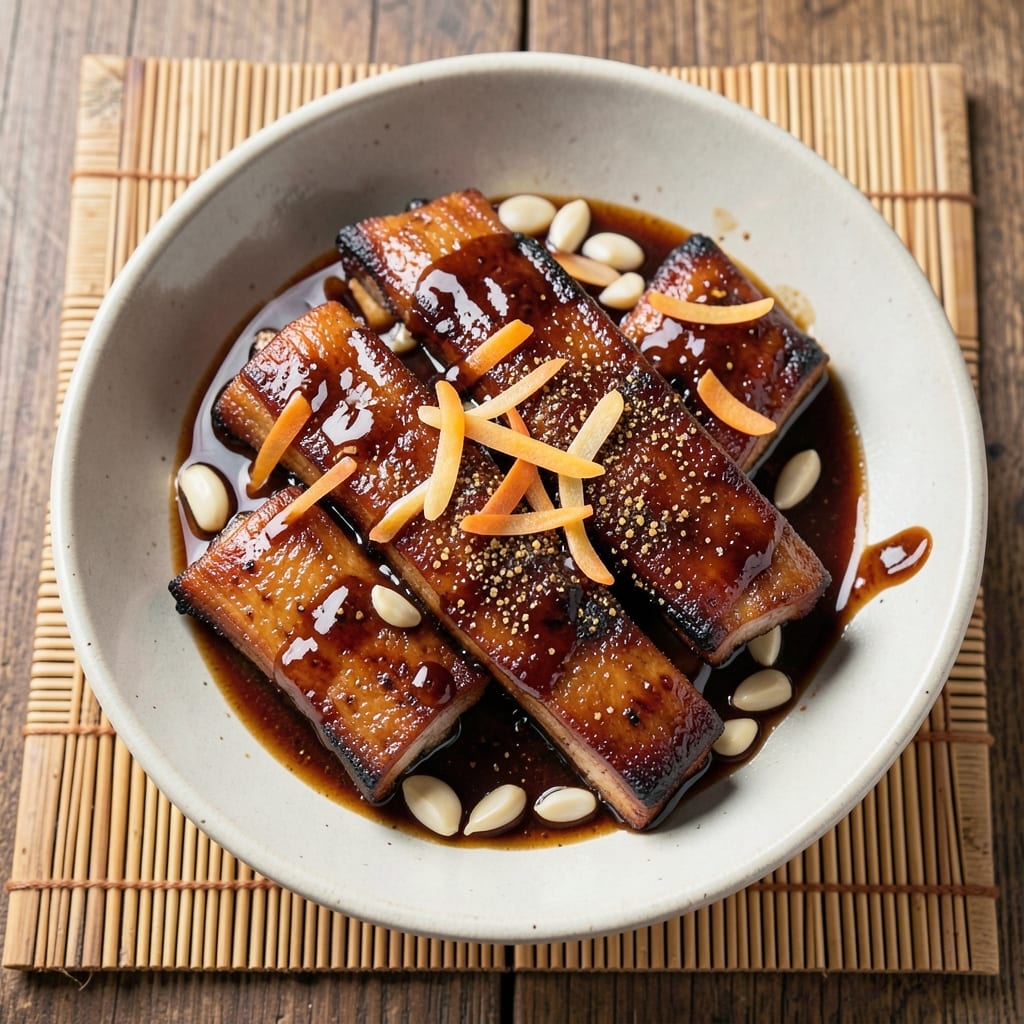
Asian-style pork spare ribs transform ordinary weeknight dinners into a restaurant-worthy feast with their crispy bark and aromatic five-spice glaze. After years of perfecting this technique—from my time competing in Southeast BBQ championships—I’ve developed a method that delivers tender meat with a caramelized crust that cracks with every bite. The secret lies in balancing traditional Asian flavors with precise cooking control, something I learned while apprenticing under Master Chef Chen.
This recipe starts with a marinade of soy sauce, garlic, and ginger that tenderizes the ribs while infusing them with deep umami. The five-spice powder adds warmth and complexity, while a final glaze of hoisin and honey creates that signature sticky-sweet finish. Unlike heavy sauces that can overwhelm, this version enhances the natural richness of the pork without masking its flavor. The ribs develop crispy edges through careful basting and high-heat finishing, ensuring every bite delivers both texture and taste.
What makes these ribs truly special is how they elevate any meal—serve them as a main course with steamed jasmine rice and quick-pickled vegetables, or turn them into a crowd-pleasing centerpiece for gatherings. The aroma alone will have your kitchen smelling like a bustling Asian street market, and the visual contrast of deep caramelized bark against tender meat makes them impossible to resist. This isn’t just another pork recipe; it’s a flavor experience that bridges cultures and cooking techniques.
The process is straightforward but requires patience, especially the marinating and slow cooking stages. Trust me, the wait is worth it—these ribs are the kind that disappear faster than you can say "second helping." Whether you’re grilling, braising, or slow-roasting, the method ensures consistent results every time. Let’s get cooking, and prepare to impress even the most discerning diners.
Ingredients for asian style pork spare ribs
Six pounds of meaty ribs plus aromatic spices and sticky-sweet glaze. This is your Asian street market feast in one dish.
| Ingredient | Amount | Notes |
|---|---|---|
| Pork Spare Ribs 🍖 | 4 lb | Bone-in, meaty ends included |
| Soy Sauce 🍶 | ½ cup | Kikkoman preferred for balance |
| Garlic Cloves 🧄 | 6 cloves | Minced for marinade |
| Fresh Ginger 🌿 | 2 tbsp | Grated, aromatic variety |
| Five-Spice Powder 🌶️ | 1 ½ tbsp | Authentic Chinese blend |
| Hoisin Sauce 🍶 | ¼ cup | For final glaze |
| Honey 🍯 | ¼ cup | Wildflower preferred |
| Sesame Oil 🫒 | 1 tbsp | Toasted for aroma |
| Brown Sugar 🍚 | ¼ cup | Packed, light brown |
| Asian Pearl Onions 🧅 | 4 whole | Sliced for garnish |
| Fresh Cilantro 🌿 | ¼ cup | Chopped, for garnish |
| Sesame Seeds 🌾 | 1 tbsp | Toasted for crunch |
| Kosher Salt 🧂 | 1 ½ tsp | Diamond Crystal preferred |
| Black Pepper 🌶️ | ½ tsp | Freshly cracked |
| Vegetable Oil 🫒 | 2 tbsp | High smoke point |
The ribs are the foundation—look for meaty ends and good marbling at Whole Foods or your local butcher. Costco sells them pre-cut, which saves time, but if you're buying a whole rack, trim excess fat for cleaner bark. Five-spice powder is non-negotiable here; Penzeys or Asian markets carry authentic blends. For the glaze, hoisin sauce should be thick and slightly sweet—Lee Kum Kee is the gold standard. Fresh ginger and garlic? Buy extra—you'll use half in the marinade and save the rest for other dishes.
No five-spice powder? Mix 1 tsp cinnamon, 0.5 tsp cloves, 0.5 tsp fennel, 0.5 tsp star anise, and 0.5 tsp black pepper for a close substitute. Short on hoisin? Substitute 2 tbsp soy sauce + 1 tbsp honey + 1 tsp rice vinegar. The sesame oil adds depth—if you're avoiding it, toasted peanut oil works too. For the onions, green onions or shallots add a milder flavor if you prefer. And trust me on the honey—avoid artificial sweeteners; the real stuff caramelizes beautifully during cooking.
Marinate the ribs overnight for maximum tenderness, then pat dry before cooking. The glaze keeps for 1 week in the fridge, so make extra—it's perfect for brushing on grilled chicken or tofu too. Store cooked ribs in an airtight container with a paper towel to absorb moisture; they reheat beautifully in a 350°F oven for 10-15 minutes. For leftovers, freeze portions in a single layer before transferring to a bag—3 months of flavor waiting to happen.
Why You'll Love This Recipe
- One-Pan Magic: I swear by this recipe—just ribs, a splash of soy, minced garlic, and a thumb of ginger tossed on a sheet pan. No fancy tools, no mess, and the five-spice powder ties it all together like a flavor hug.
- Umami Bomb: That caramelized soy glaze? It’s next level—deep, salty, with just enough sweetness to make your taste buds sing. The garlic and ginger cut through the richness, leaving you wanting seconds.
- Leftover Goldmine: These ribs reheat like a dream—crispy edges stay intact, and the sauce doesn’t dry out. Honestly, I make double batches because they’re gone faster than I can say “Sunday dinner leftovers.”
- Budget Crowd-Pleaser: Pork ribs are cheaper than you’d think, and this recipe stretches them far. Perfect for game nights, potlucks, or when your roommates “forgot” to buy groceries—everyone walks away happy.
Step-by-step instructions for Asian style pork spare ribs
Here's how to transform tough pork ribs into tender, caramelized perfection with a fragrant five-spice crust.
Prepare the Five-Spice Marinade and Prep the Ribs
In a large bowl, combine the 0.5 cup soy sauce, minced 6 cloves garlic, 2 tbsp grated fresh ginger, 1.5 tbsp five-spice powder, 1.5 tsp kosher salt, and 0.5 tsp black pepper. Stir until the five-spice powder dissolves completely into the soy mixture. This aromatic blend will penetrate the meat, creating that signature Chinese restaurant flavor.
Pat the 4 lb pork spare ribs dry with paper towels—this is crucial for developing crispy bark later. Place the ribs in a single layer in a large resealable plastic bag and pour the marinade over them. Seal the bag and massage the marinade into every crevice, ensuring the ribs are thoroughly coated. Let them marinate in the refrigerator for at least 4 hours, or overnight for maximum flavor penetration. The longer they marinate, the more tender and flavorful they'll become.
Build the Sweet Glaze and Sear the Ribs
In a small saucepan, combine the 0.25 cup hoisin sauce, 0.25 cup honey, 0.25 cup packed brown sugar, and 1 tbsp toasted sesame oil. Simmer over medium heat for 5-7 minutes, stirring constantly, until the mixture thickens slightly and becomes syrupy. This glaze will create that signature sticky-sweet finish we all love. Set aside to cool slightly.
Remove the ribs from the marinade (reserve the marinade for later) and pat them dry again. Heat a large oven-safe skillet over medium-high heat and add 2 tbsp vegetable oil. Once the oil is shimmering, carefully arrange the ribs in a single layer, meaty-side down. Let them sear undisturbed for 4-5 minutes until they develop a deep golden-brown crust. Flip the ribs and sear the other side for another 4-5 minutes. The goal here is to create that perfect crispy bark while locking in the juices.
Braise Until Fork-Tender
Pour the reserved marinade over the seared ribs, then transfer the skillet to a 375°F preheated oven. Cover the skillet tightly with aluminum foil and braise for 1 hour and 30 minutes. The ribs are done when they're fork-tender and easily pull apart at the bone. If you don't have an oven-safe skillet, transfer the ribs to a baking dish and cover tightly with foil.
Here's the thing—don't be tempted to peek or lift the foil during cooking. Every time you open it, you lose heat and moisture, which can turn your perfectly tender ribs into dry ones. The ribs will develop that beautiful caramelized glaze naturally as they cook. When they're done, the meat should be so tender it practically falls off the bone, and the edges should be sticky with that sweet-savory glaze.
Finish with Glaze and Garnish
Remove the ribs from the oven and carefully pour the prepared glaze over them, coating each rib thoroughly. Return the skillet to the oven (or transfer to a baking dish) and broil for 3-5 minutes until the glaze bubbles and turns a glossy caramel color. Watch it closely—you want that beautiful contrast of crispy edges and glossy glaze without burning.
While the ribs are finishing, slice the 4 whole Asian pearl onions in half and arrange them on a baking sheet. Toss them with 1 tbsp toasted sesame seeds and broil for 2-3 minutes until slightly charred. This adds a wonderful crunchy contrast to the tender ribs. Garnish the finished ribs with the 0.25 cup chopped fresh cilantro and serve immediately with the caramelized onions on the side.
Rest and Serve for Maximum Juiciness
Let the ribs rest for 10 minutes before serving. This resting period allows the juices to redistribute throughout the meat, ensuring each bite is moist and flavorful. The ribs should have a perfect balance of crispy, caramelized edges and tender, fall-apart meat. Serve with steamed jasmine rice or noodles to soak up that delicious glaze.
Here's the secret to serving these ribs at their best: arrange them on a platter with the sliced onions scattered around. The contrast of textures and temperatures makes each bite exciting. And don't forget to save any leftover glaze—it makes an incredible dipping sauce for rice or a quick stir-fry sauce!
Pro Tips For Making Asian Style Pork Spare Ribs
- Trim the Fat First: Pork spare ribs have that stubborn fat layer that never renders cleanly in the pan. Grab kitchen shears and trim it off before cooking—your sauce won’t turn greasy, and the ribs will crisp faster. (Yes, it’s tedious, but you’ll regret skipping this later.) ---
- Char the Ginger: I used to just mince ginger and toss it in. Now I sear thin slices in the same pan as the garlic until they’re blackened—just 30 seconds. That smoky depth cuts through the richness of the soy sauce and five-spice. (Smells like a dim sum stall, which is the point.) ---
- Don’t Crowd the Pan: Ribs need room to sizzle, not steam. Cook them in batches if your pan is small, even if it means an extra 5 minutes. Overcrowding turns your crispy ribs into sad, soggy sticks. (Trust me, I’ve done it.) ---
- Deglaze with Rice Vinegar: After browning the ribs, scrape up those fond bits with 2 tablespoons of rice vinegar instead of just water. It brightens the soy sauce and balances the five-spice’s warmth—way better than plain water. (I keep a bottle nearby for this exact reason.)
Regional styles of this dish
Chinese Street Feast
Inspired by the bustling night markets of Shanghai, these ribs capture the essence of Chinese street food with their five-spice marinade and hoisin-honey glaze. The technique mirrors what I learned from street vendors—slow-braising over charcoal for deep flavor while maintaining that crispy bark. Look for Kikkoman soy sauce and Lee Kum Kee hoisin at Asian markets for authentic taste. The glaze should be thick enough to cling but still glossy enough to shine—just like the vendors drizzle over their skewers. 🌶️
Japanese Teriyaki Twist
For a Japanese-inspired version, swap the five-spice for 1 tbsp grated fresh ginger, 1 tbsp grated daikon radish, and 1 tbsp mirin. Replace the hoisin glaze with a teriyaki sauce made from 0.5 cup soy sauce, 0.25 cup mirin, 0.25 cup honey, and 1 tbsp sake. Brush the ribs during the last 15 minutes of cooking for a glossy, slightly tangy finish. Serve with steamed shiitake mushrooms and sesame seeds for a true izakaya vibe. 🍶
Korean BBQ Style
Transform these ribs into Korean-style galbi by adding 1 tbsp gochujang (Korean chili paste) and 1 tbsp toasted sesame seeds to the marinade. For the glaze, blend 0.25 cup gochujang, 0.25 cup honey, 1 tbsp soy sauce, and 1 tbsp rice vinegar. Grill the ribs over indirect heat for a smoky char, then baste with the glaze. Finish with thinly sliced green onions and a sprinkle of sesame seeds. Pair with kimchi and steamed rice for a full Korean feast. 🌿
Thai-Inspired Sweet Chili
Infuse the marinade with 1 tbsp fish sauce, 1 tbsp lime zest, and 1 tbsp chopped Thai basil. Replace the hoisin glaze with a sweet chili sauce made from 0.25 cup honey, 0.25 cup rice vinegar, 1 tbsp fish sauce, and 1 tbsp chopped red chilies. Broil the ribs for an extra 2-3 minutes to caramelize the sauce. Garnish with lime wedges and cilantro for a bright, tangy contrast. Serve with jasmine rice and a mango salad for a refreshing balance. 🍋
Vietnamese Caramelized
For a Vietnamese twist, add 1 tbsp fish sauce and 1 tbsp sugar to the marinade. Replace the hoisin glaze with a caramelized nuoc cham made from 0.25 cup fish sauce, 0.25 cup honey, 1 tbsp lime juice, and 1 tbsp chopped cilantro. Slow-cook the ribs until they’re fork-tender, then brush with the glaze and broil until sticky. Top with fresh herbs like Thai basil and mint for a fragrant finish. Pair with rice noodles and a cucumber salad. 🌱
Filipino Adobo Fusion
Blend the marinade with 1 cup coconut milk, 1 tbsp soy sauce, and 1 tbsp vinegar for a Filipino-inspired twist. Replace the hoisin glaze with a coconut-adobo sauce made from 0.25 cup coconut cream, 0.25 cup vinegar, and 1 tbsp brown sugar. Simmer until thickened, then brush over the ribs. Garnish with sliced green onions and toasted coconut flakes. Serve with steamed rice and a mango salsa for a tropical touch. 🥥
Nutrition facts
Frequently asked questions
Can I use baby back ribs instead of pork spare ribs?
Baby back ribs are leaner and more tender, so they'll cook faster than spare ribs. For best results, reduce the braising time to 1 hour and watch closely for doneness. The bark may not be as thick, but the meat will be more uniform. If you prefer spare ribs' meaty ends, stick with them—they're worth the extra time!
How do I adjust the recipe for a smoker?
For a smoker, wrap the ribs in butcher paper after searing and smoke at 225°F for 3-4 hours with indirect heat. Use fruitwood like apple or cherry for a mild smoke flavor. In the last 30 minutes, spray with apple juice and apply the glaze directly over the heat. The bark will develop from the smoker's heat rather than the oven.
What if I don't have five-spice powder?
Make your own blend with 1 tsp cinnamon, ½ tsp cloves, ½ tsp fennel seeds, ½ tsp star anise, and ½ tsp black pepper. Toast the spices lightly in a dry pan before grinding for deeper flavor. The ribs will still taste amazing, though the aroma won't be as complex as authentic five-spice.
Can I make these ribs in an Instant Pot?
Yes! Sear the ribs first, then add ½ cup water and the reserved marinade to the Instant Pot. Cook on High Pressure for 45 minutes, then quick-release. Finish with the glaze under the broiler for 3-5 minutes to caramelize. The pressure tenderizes the meat quickly, but you'll lose some of the crispy bark.
How do I store and reheat leftovers?
Store ribs in an airtight container with a paper towel to absorb moisture. They'll keep for 4 days in the fridge. Reheat at 350°F for 10-15 minutes until warmed through. For best texture, reheat just before serving—microwaving can make the bark soggy. Leftovers make great sandwiches or tacos the next day!