
Main Courses
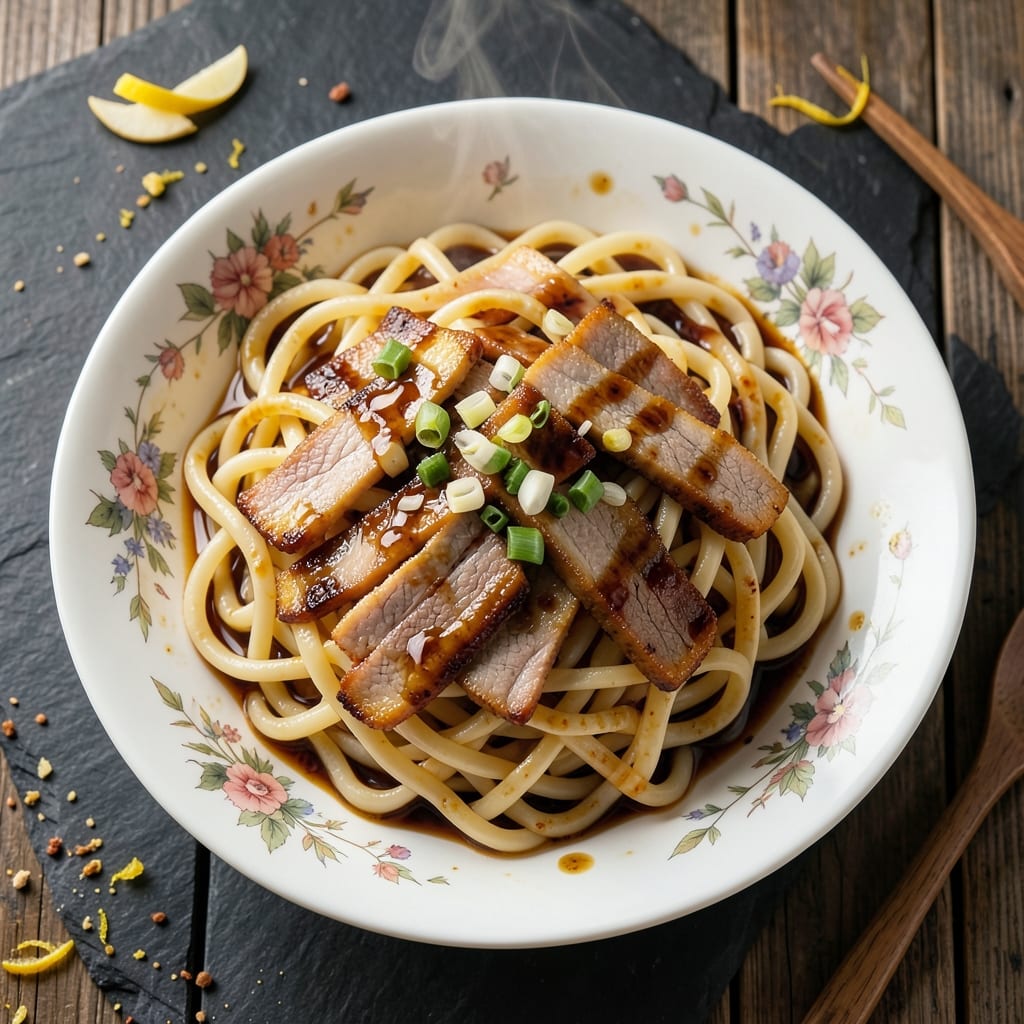
This authentic Chinese pork chow mein delivers the smoky wok hei and silky sauce that define street-side flavor. After years of perfecting stir-fry techniques—from high-heat pork searing to noodle tossing—I’ve cracked the code for restaurant-quality results at home. The secret lies in proper wok temperature and sauce balance, where crispy pork meets tender noodles in a glossy, savory embrace.
The foundation starts with properly cooked noodles—al dente and slightly chewy—paired with marinated pork that develops a caramelized crust from stir-frying. A traditional soy-based sauce ties everything together, blending sweet, salty, and umami notes without overpowering the natural flavors. This isn’t just another stir-fry; it’s a dish that captures the essence of Chinese street food, where every bite should sing with texture and depth.
What sets this recipe apart is the attention to technique: quick-cooking pork to maintain tenderness, high-heat wok action for that signature smoky aroma, and a sauce that clings to the noodles without turning gloppy. The result? A dish that’s crispy on the edges, tender in the center, and bursting with authentic flavor—exactly what you’d find in a bustling Shanghai noodle shop, but made in your own kitchen.
Whether you’re cooking for a weeknight dinner or a weekend gathering, this chow mein comes together in under 30 minutes with just a few key ingredients. The method is straightforward, but the details—like proper wok heating and sauce reduction—make all the difference. Let’s get started on creating a dish that feels like a trip to China, one wok-fried bite at a time.
Ingredients for authentic chinese pork chow mein
Authentic chow mein starts with these 14 ingredients—no shortcuts for that signature wok hei flavor.
| Ingredient | Amount | Notes |
|---|---|---|
| Fresh Egg Noodles 🍜 | 8 oz | Dried or fresh, al dente texture |
| Boneless Pork Shoulder 🥩 | 1 ½ lb | Thinly sliced, marinated preferred |
| Fresh Garlic Cloves 🧄 | 6 cloves | Minced for marinade and stir-fry |
| Fresh Ginger Root 🌿 | 1 ½ tbsp | Finely grated, aromatic |
| Light Soy Sauce 🥄 | ½ cup | High-quality, low-sodium preferred |
| Dark Soy Sauce 🥄 | 1 tbsp | For depth and color |
| Oyster Sauce 🍲 | 2 tbsp | Traditional, umami-rich |
| Sesame Oil 🫒 | 1 tbsp | Toasted, for aroma |
| Granulated Sugar 🍚 | 1 ½ tbsp | Balances flavors |
| Neutral Oil 🫒 | ½ cup | Peanut or vegetable for frying |
| Green Onions 🧅 | 4 whole | Sliced, for garnish |
| Sesame Seeds 🌾 | 1 tbsp | Toasted, for garnish |
| White Peppercorns 🌶️ | ½ tsp | Ground, for finishing |
| Cornstarch 🌾 | 1 tbsp | For pork coating |
The pork shoulder is non-negotiable for authentic texture—thinly sliced and marinated overnight, it develops that signature crispy edge while staying tender inside. Look for well-marbled cuts at Asian markets or the butcher counter, where they’ll slice it paper-thin for you. Fresh egg noodles are ideal (like King Noodle or Lotus Foods brands), but dried noodles work if soaked properly. Ginger and garlic? Fresh only—the dried versions won’t deliver that bright, aromatic punch. For soy sauce, Lee Kum Kee light and dark soy sauces are the gold standard, but any high-quality brands will work.
No oyster sauce? Substitute with 1 tbsp hoisin plus 1 tsp fish sauce—it won’t be identical, but close. Running out of sesame oil? Toast sesame seeds separately and sprinkle them on top. The cornstarch coating on the pork is crucial—don’t skip it. It creates that perfect crispy crust. For the noodles, if you can’t find fresh, dried egg noodles work in a pinch, but they’ll be slightly chewier. The sugar in the sauce might seem odd, but it’s essential for balancing the soy’s saltiness—use white granulated sugar, not brown or honey.
Pork marinade keeps 3 days in the fridge, but the sauce can be prepped 2 days ahead. Store both in airtight containers. The cooked noodles? Use within 2 hours for best texture—they go limp fast. For leftovers, reheat in a wok or skillet with a splash of water to revive crispiness. Freeze portions for up to 1 month, but expect slightly softer noodles after thawing. Garnishes like green onions and sesame seeds can be added fresh at serving for maximum brightness.
Why You'll Love This Recipe
- One-Pan Magic: I swear by this recipe because it’s actually one-pan—no messy wok flips or extra bowls. The pork shoulder gets tender right in the same skillet where the garlic and ginger sizzle, and those egg noodles soak up all the flavor like sponges.
- Umami Bomb: That light soy sauce? It’s the secret weapon here. When it caramelizes with the pork and garlic, the whole dish takes on this deep, savory richness that makes every bite feel like a little hug. (Yes, even on a Tuesday night.)
- Lunchbox Hero: Between us, this is my go-to for meal prep. The noodles stay chewy even after reheating, and the pork holds up perfectly—so I can toss a container in my bag and eat it cold or hot. My kids fight over who gets the leftovers.
- Budget Stretch: Pork shoulder is cheap but so flavorful when braised right, and egg noodles? A dollar’s worth goes a long way. I’ve fed four people for under $10, and honestly, the taste makes up for the fact that it’s not the prettiest dish on the table.
Step-by-step instructions for authentic Chinese pork chow mein
Master this wok technique for restaurant-quality chow mein with perfectly crisp pork and silky sauce.
Prepare the Pork for Maximum Crispiness
Slice the 1.5 lb boneless pork shoulder thinly against the grain into ¼-inch thick strips. Place them in a bowl and toss with 1 tbsp cornstarch until evenly coated. This creates a crispy exterior while keeping the interior tender. Let the pork sit for 10 minutes while you prepare the other components.
Real talk: Thin, even slices are critical here. If your strips vary in thickness, they'll cook unevenly. For best results, use a sharp knife and work quickly to maintain the integrity of the meat. The cornstarch coating should adhere completely—this is what gives chow mein its signature crunch.
Create the Flavorful Marinade and Sauce Base
In a small bowl, combine ½ cup light soy sauce, 1 tbsp dark soy sauce, 2 tbsp oyster sauce, 1.5 tbsp granulated sugar, 1 tbsp sesame oil, 6 minced garlic cloves, and 1.5 tbsp finely grated ginger root. Mix thoroughly until the sugar dissolves completely. This marinade will infuse the pork with authentic umami depth.
The dark soy sauce is non-negotiable here—it provides both color and a maltier flavor profile that light soy sauce can't match. Let this mixture sit for 5 minutes while you prepare the noodles, allowing the aromatics to meld. The sugar might seem excessive, but it balances the saltiness and caramelizes slightly during cooking, adding complexity.
Cook the Pork to Crispy Perfection
Heat 2 tablespoons neutral oil in a wok over high heat until shimmering. Working in batches, add the cornstarch-coated pork and cook undisturbed for 1-2 minutes per side until deep golden brown and crispy. Remove and set aside on a wire rack. The pork should release easily from the wok—if it sticks, your oil isn't hot enough.
Don't overcrowd the wok—this drops the temperature and steams the pork instead of searing it. You want that signature chow mein crunch that holds up even after tossing with noodles. If you don't have a wok, use a heavy skillet with high sides, but maintain that same high heat. The pork should be fully cooked through but still juicy inside.
Stir-Fry the Noodles with Confidence
Bring a pot of water to a boil and cook the 8 oz fresh egg noodles according to package instructions until al dente—they should have a slight bite. Drain immediately and rinse briefly with cold water to stop cooking. Toss the noodles with 1 tbsp sesame oil to prevent sticking.
Heat the remaining 3 tablespoons neutral oil in the same wok over high heat. Add the noodles and stir-fry vigorously for 1-2 minutes until they're evenly coated and begin to crisp slightly at the edges. This step is about creating texture contrast—you want the noodles to be tender but with just enough resistance to complement the crispy pork.
Combine and Finish with Restaurant-Quality Technique
Return the crispy pork to the wok with the noodles. Pour in the marinade mixture and toss everything together for 1-2 minutes until the noodles are fully coated and the sauce has thickened slightly. The residual heat will finish cooking the pork while infusing it with the sauce's flavors.
Garnish immediately with sliced green onions and toasted sesame seeds. Sprinkle with ½ tsp ground white peppercorns for a subtle, aromatic finish. Serve family-style in a large wok or platter, letting everyone scoop their portion. The dish should be vibrant, with crispy pork pieces peeking through the silky sauce and al dente noodles providing texture contrast.
Pro Tips For Making Authentic Chinese Pork Chow Mein
- Freeze Pork First: I learned this the hard way—slicing boneless pork shoulder cold makes it tender and easier to cut into thin strips. Pop it in the freezer for 20 minutes before slicing against the grain. The meat stays firmer and doesn’t turn to mush when stir-frying. ---
- Dry Noodles Thoroughly: Fresh egg noodles clump like a nightmare if they’re damp. After boiling, drain them and toss with a dry kitchen towel or paper towels—no water left, even if it means extra rubbing. Wet noodles steam instead of crisp up in the wok. ---
- Stir-Fry in Two Batches: Crowding the wok lowers the temperature and steams the pork instead of searing it. Cook half the meat first, push it to the side, then add the rest. The second batch gets that perfect char while the first stays juicy. ---
- Bloom Garlic-Ginger First: Toss minced garlic and ginger in a tiny bit of oil (1 tsp) and let it sizzle for 10 seconds before adding pork. This wakes up their flavors without burning them—no more tasting raw or bitter in your sauce. (Yes, even if you’re impatient like me.)
Essential equipment for perfect results
Wok Essentials
Your wok is the heart of this dish—carbon steel is ideal for authentic wok hei, but a heavy-bottomed stainless steel wok works too. I swear by the Mauviel M'Cook carbon steel wok for its heat retention and responsiveness. For beginners, a 14-inch diameter is perfect for this recipe. Preheat your wok over high heat for 5 minutes until it's smoking—this creates that signature smoky aroma. 🔥
Heat Control Tools
A long-handled wok spatula (like KitchenAid's stainless steel version) gives you the control to toss noodles and pork without burning yourself. For temperature management, I use a laser thermometer (my ThermoWorks IR Thermometer) to monitor wok heat—aim for 500-600°F during cooking. A heat-resistant glove is non-negotiable when handling the hot wok.
Noodle Prep Gear
Fresh egg noodles cook faster than dried, so have a fine-mesh strainer ready for quick draining. I use a OXO Good Grips colander—it handles hot noodles without warping. For rinsing, a spray bottle with cold water works better than running water to stop cooking instantly. A sharp chef's knife (like Wüsthof's 8-inch) is essential for slicing pork against the grain—thin, even slices are critical for even cooking. 🍜
Sauce Thickening
The sauce needs to cling to noodles without being gloppy, so keep a small saucepan handy for reducing. I use a Calphalon stainless steel saucepan for its even heat distribution. A whisk (like Cuisipro's bamboo whisk) helps emulsify the sauce components before adding to the wok. For measuring small quantities, a digital kitchen scale ensures precision with ingredients like sesame oil and cornstarch.
Garnish Tools
Fresh garnishes elevate the dish, so keep a mandoline slicer (like OXO's 5-in-1) for perfect green onion slices. Toast sesame seeds in a small dry skillet over medium heat for 1-2 minutes until fragrant. A fine-mesh sieve helps sift ground white peppercorns evenly over the finished dish. I also recommend a wire cooling rack to keep crispy pork pieces from steaming when resting.
Nutrition facts
Frequently asked questions
Can I use regular dried noodles instead of fresh egg noodles?
You can substitute dried egg noodles, but they won’t have the same silky texture. Soak them in warm water for 10-15 minutes until pliable, then drain and rinse with cold water. For extra authenticity, use Chinese wheat noodles like lamian, which hold up better to stir-frying. The key is to cook them al dente—they should have a slight bite.
Why does my pork turn out chewy instead of tender?
Overcooking is the #1 culprit! Stir-fry pork in 1-2 minutes per side over high heat—any longer and it’ll dry out. Always slice against the grain and use cornstarch-coated strips for crispiness. If your pork is still tough, try pork tenderloin instead of shoulder, as it’s more forgiving.
How do I achieve that signature "wok hei" smoky aroma at home?
Wok hei comes from high, dry heat and proper wok technique. Preheat your wok until it’s smoking hot before adding oil, then work quickly to avoid steam. A carbon steel wok conducts heat best, but even stainless steel works if you crank the heat. Keep the wok moving—don’t let ingredients sit too long. The aroma develops from the residual heat after cooking.
Can I make this recipe without a wok?
Use a 12-inch cast iron skillet or heavy stainless steel pan with high sides. The key is high heat—get it as hot as possible before adding oil. A griddle works too, but stir constantly to mimic wok action. The texture won’t be identical, but you’ll still get crispy pork and flavorful noodles.
What’s the best way to store leftovers?
Let chow mein cool completely, then store in an airtight container for up to 3 days in the fridge. For reheating, use a skillet or wok over medium heat with a splash of water to revive crispiness. Freeze portions for up to 1 month, but expect slightly softer noodles after thawing. Never microwave—it kills the texture!