
Main Courses
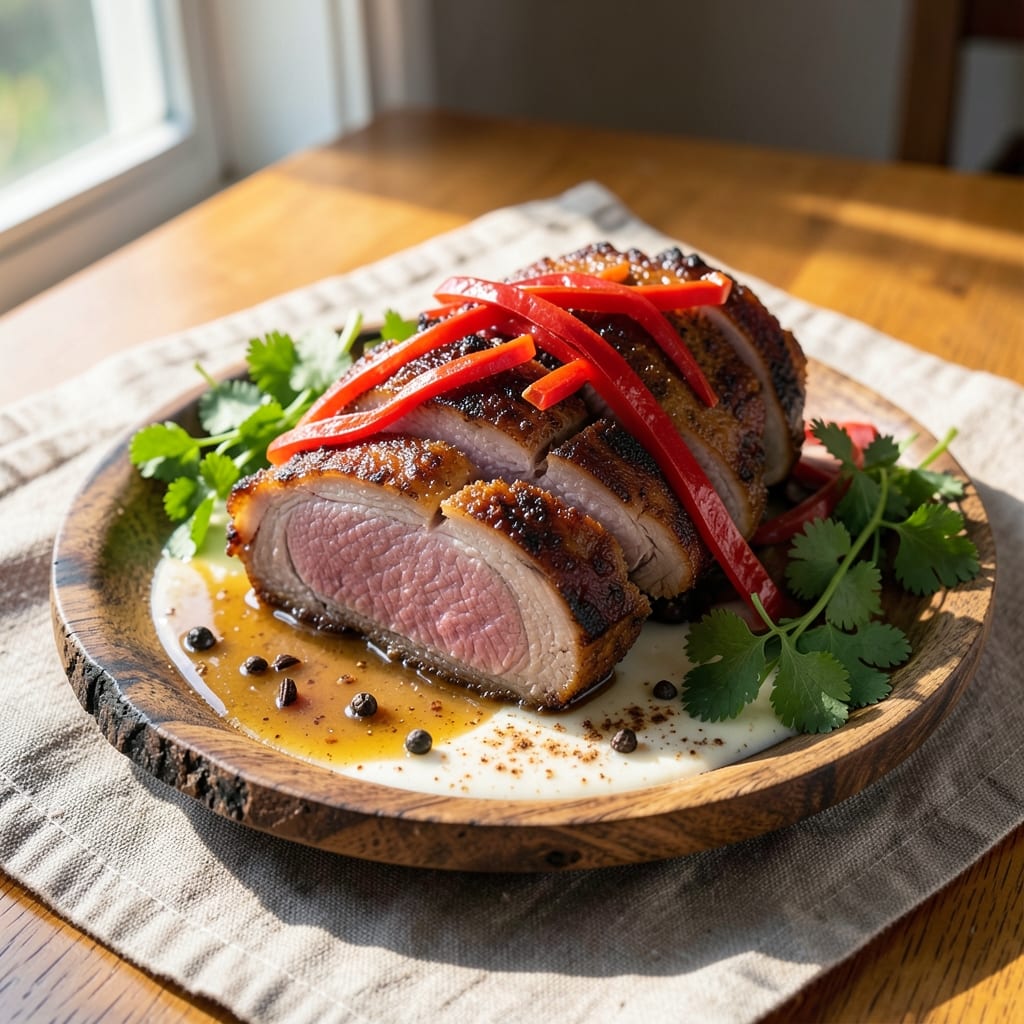
This authentic Goan pork roast recipe brings the rich flavors of Goa’s Portuguese-influenced cuisine to your table—where tender pork meets the bright tang of vinegar and the creamy depth of coconut. 🌟 I first encountered this dish during my travels in India, where the blend of spices and slow-cooked richness left an indelible mark. The secret lies in the marinade: a harmonious balance of cinnamon, cloves, and black pepper that infuses the meat with warmth and complexity.
What sets this recipe apart is the traditional method of slow-roasting, which transforms tough cuts into melt-in-your-mouth perfection. The vinegar tenderizes the pork while building a glossy, caramelized crust, and the coconut milk adds a velvety richness that’s unmistakably Goan. This dish is a celebration of fusion—where Portuguese techniques meet Indian spices, creating something truly special.
By the time it’s done, you’ll have a dish that’s fragrant, deeply flavorful, and impossible to resist. The pork will be so tender it nearly falls apart, coated in a glossy, spiced sauce that’s both tangy and sweet. Serve it with steamed rice or crusty bread to soak up every last bit of that irresistible sauce.
The beauty of this recipe is its versatility—it’s perfect for a family dinner, a festive gathering, or even a cozy weeknight meal. The flavors only deepen as it sits, making it ideal for leftovers. Let’s get cooking!
Ingredients for authentic goan pork roast
Six spices, one pork shoulder, and a vinegar-coconut marriage that's pure Goan magic.
| Ingredient | Amount | Notes |
|---|---|---|
| Pork Shoulder 🐷 | 3 lb | Bone-in for flavor, cut into 2-inch chunks |
| White Vinegar 🍶 | 1 cup | Distilled or apple cider vinegar preferred |
| Coconut Milk 🥥 | 1 can (13.5 oz) | Full-fat for creaminess, not light |
| Ground Cinnamon 🌿 | 1 tbsp | Freshly ground for best aroma |
| Whole Cloves 🌶️ | 4 whole | Lightly crushed for subtle flavor |
| Black Peppercorns 🌶️ | 1 tsp | Freshly cracked, not ground |
| Fresh Ginger 🧅 | ½ cup | Finely grated, skin left on |
| Garlic Cloves 🧄 | 6 cloves | Peeled, smashed but not minced |
| Onion 🧅 | 1 whole | Yellow, roughly chopped |
| Olive Oil 🫒 | ¼ cup | Extra-virgin for richness |
| Salt 🧂 | 1 ½ tbsp | Diamond Crystal preferred |
| Brown Sugar 🍚 | 2 tbsp | Light or dark, packed |
The pork shoulder is non-negotiable here—bone-in gives that deep, meaty flavor you can't get with boneless cuts. Trader Joe's or Costco usually have it pre-cut into 2-inch chunks, which saves time. If you're buying a whole shoulder, ask the butcher to cube it for you. The vinegar is your secret weapon—apple cider vinegar adds subtle fruitiness, but distilled works too. Look for a bottle labeled 'distilled' if you want the classic tang. Fresh ginger and garlic are essential—they're the backbone of the marinade's complexity. Whole Foods or Indian grocery stores often have the freshest ginger, but the regular supermarket stuff works if it's firm and aromatic.
No whole cloves? Ground cinnamon plus a pinch of nutmeg gets you close, but the whole spices give that authentic Goan warmth. Running short on coconut milk? Light coconut milk plus 1 tbsp cream mimics the richness. The brown sugar caramelizes beautifully during cooking—don't skip it. For the olive oil, Californian extra-virgin has that fruity depth that stands up to the vinegar. If you're using pre-grated ginger, pack it tightly to get the same amount. The onions? Yellow for sweetness, but red works too if you prefer a milder flavor. And trust me on the salt—Diamond Crystal dissolves better than table salt, so you get that perfect balance.
This marinade keeps for 5 days in the fridge, but the pork tastes best when marinated overnight. The roast reheats beautifully—350°F for 20 minutes brings it back to life. Leftovers? Freeze for 3 months in portions. I always make double—one for dinner, one for lunch the next day. The sauce thickens as it sits, so add a splash of water or coconut milk when reheating if it gets too stiff. Store the marinade separately if you're not using it all—it's perfect for grilling shrimp or tofu later.
Why You'll Love This Recipe
- One-Pot Magic: I swear by this—just toss the pork shoulder into a Dutch oven with vinegar, cloves, and cinnamon, then walk away. The slow simmer does all the work while you handle the rest of dinner (or binge your favorite show).
- Taste Like Home: That tangy vinegar cut through the richness of the pork, while the coconut milk wraps everything in velvety warmth. Honestly, the first bite always makes me think of Goan Sunday lunches—no shortcuts, just pure comfort.
- Leftovers That Shine: This roast actually improves the next day. Cold slices in rice? Yes. Wrapped in paratha? Even better. I meal prep it all the time because reheating it turns it into something new—like a hearty curry or a quick stir-fry.
- Budget-Friendly Feast: Pork shoulder stretches for miles, and the spices cost pennies. Between us, this is how I feed my whole family for under $15. The cloves and cinnamon might seem fancy, but they’re the secret to making it taste like a restaurant dish without the price tag.
Step-by-step instructions for authentic Goan pork roast
Here's how to capture Goan flavors in your kitchen—tangy, aromatic, and perfectly balanced.
🍳 Step 1: Marinate the Pork for Maximum Flavor
In a large bowl, combine the 3 lb pork shoulder with the 1 cup white vinegar, 1 tbsp ground cinnamon, 4 whole cloves, 1 tsp black peppercorns, 0.5 cup fresh ginger, 6 cloves garlic, and 1 whole onion. Use your hands to massage the marinade into every crevice of the meat—this ensures the spices penetrate deeply. Let it sit at room temperature for 15 minutes before refrigerating for at least 4 hours (overnight is best).
The vinegar works its magic here, tenderizing the meat while building complex flavors. Here's the thing—don't skip the room temperature step. Cold meat marinates unevenly, and you'll miss out on that signature tangy bite that defines Goan cuisine. After refrigerating, the pork will develop a beautiful pinkish hue and absorb all those aromatic spices.
🔥 Step 2: Sear the Pork for Deep Color and Crispy Edges
Remove the pork from the fridge and let it sit for 30 minutes to come to room temperature. Heat a Dutch oven over medium-high heat and add the 0.25 cup olive oil. Once shimmering, add the marinated pork in a single layer, working in batches if needed. Sear for 5-6 minutes per side until deep golden brown with crispy edges. This isn't just about looks—those caramelized surfaces lock in moisture during the long cook.
Don't rush this step. You'll know it's ready when the pork releases easily from the pan and the bottom develops a rich, sticky glaze. If it sticks, don't panic—just add a splash of the marinade to deglaze. Transfer the seared pork to a plate and set aside. This sear is your flavor foundation, so take your time getting it right.
🥘 Step 3: Build the Spiced Coconut Gravy
In the same Dutch oven, reduce heat to medium and add 1.5 tbsp salt and 2 tbsp brown sugar. Stir to combine with the fond at the bottom, letting it caramelize for 1-2 minutes. Pour in 1 can (13.5 oz) coconut milk and bring to a gentle simmer. Let it cook uncovered for 10 minutes to reduce slightly and develop depth of flavor. Here's where the magic happens—the coconut milk should be thick but still silky, not dry or separated.
Real talk: If you see the coconut milk starting to curdle, immediately reduce heat to low and stir constantly. I've found that using full-fat coconut milk prevents this, but if it happens, just keep stirring—it'll come together. The sugar and salt here balance the acidity from the vinegar, creating that perfect Goan harmony of sweet, sour, and spice.
⏰ Step 4: Slow Cook Until Fork-Tender
Return the seared pork to the Dutch oven and pour the gravy over it completely. Bring to a simmer, then reduce heat to low and cover. Cook for 3-4 hours until the pork is fork-tender and the meat pulls away from the bone easily. Here's the crucial part: maintain a gentle simmer—you want steam but not a rolling boil, which would toughen the meat.
Check the pork after 2 hours—if it's not quite tender, add ½ cup water to the pot and continue cooking. The pork should have a rich, caramelized surface and the meat should practically fall apart at the touch. This slow cook transforms tough pork shoulder into melt-in-your-mouth perfection. Don't peek too often—the steam is what keeps it tender.
🍽️ Step 5: Rest and Serve with Confidence
Transfer the pork to a serving platter and tent loosely with foil. Let it rest for 15-20 minutes before serving. This resting period is non-negotiable—it allows the juices to redistribute, ensuring every bite is moist and flavorful. Skim any excess fat from the gravy and adjust seasoning if needed. Serve the pork with the rich coconut gravy spooned generously over each portion.
Authentic Goan pork roast should have layers of flavor: the initial tang from the vinegar, the warm spices from the marinade, the creamy richness of the coconut, and the caramelized depth from the slow cook. Each bite should deliver that perfect balance—sweet, sour, spicy, and savory all at once. Pair it with steamed rice and a simple cucumber salad to let the pork shine.
Pro Tips For Making Authentic Goan Pork Roast
- Sear the Pork Hard: I used to rush this step, but a deep, dark crust from a screaming-hot pan (cast iron if you have it) locks in flavors—especially with pork shoulder’s fat. Five minutes per side, no crowding the pan, or you’ll steam the meat instead of sear it.
- Bloom the Spices First: Whole cloves and cinnamon need a head start. Toast them in a dry pan for 30 seconds until fragrant—this releases their oils before they hit the vinegar and coconut milk. Skipping this means your dish will taste like spices instead of cooked spices.
- Vinegar in Stages: Don’t dump all the white vinegar at once—it’ll turn your pork rubbery. Add half during the initial sear, then the rest after the meat’s cooked through but before the coconut milk. This keeps the meat tender while cutting through the richness.
- Rest Before Slicing: I learned this the hard way—cutting into pork shoulder too soon sends juices everywhere. Tent it with foil for 10 minutes after the oven (or pot) pulls away. The meat will hold together, and every slice stays moist, not stringy. (Yes, even if you’re impatient like me.)
Pro cooking tips for this recipe
Vinegar Magic
The white vinegar is your secret weapon for tenderizing the pork and building depth of flavor. I always use 1 cup of apple cider vinegar because it adds subtle fruitiness that complements the spices beautifully. Let the pork marinate for at least 4 hours—overnight is ideal—but never skip the 15-minute room temperature step before refrigerating. This ensures even penetration of the marinade and develops that signature tangy bite. 🌶️
Pro tip: If you're short on time, you can speed up the process by using ½ cup vinegar and ½ cup orange juice. The acidity works the same magic, and the citrus adds a bright contrast to the warm spices. Just be sure to marinate for at least 2 hours in this case.
Spice Balance
The cinnamon, cloves, and black peppercorns are the heart of this dish, but getting the balance right is key. I recommend 1 tbsp ground cinnamon, 4 whole cloves (lightly crushed), and 1 tsp freshly cracked black peppercorns. The whole spices add warmth and complexity that ground spices can't match. If you're using pre-ground spices, toast them lightly in a dry pan for 30 seconds to wake up their flavors before adding to the marinade.
Real talk: Don't overdo the spices. Too much cinnamon can make the dish taste like dessert, and too many cloves will overpower the pork. Start with these amounts and adjust to taste—you can always add more, but you can't take it out once it's in the marinade.
Slow Cooking Precision
Slow cooking is where this dish truly shines, but timing and temperature control are everything. Maintain a gentle simmer at low heat for 3-4 hours, not a rolling boil. I use a Dutch oven because it retains heat well and allows for even cooking. Check the pork after 2 hours—if it's not fork-tender, add ½ cup water and continue cooking. The meat should pull away from the bone easily and have a rich, caramelized surface.
Here's a trick I learned from Master Chef Chen: If the pork starts to dry out before it's tender, add another ½ cup of coconut milk to the pot. This keeps it moist while maintaining that creamy texture. The key is patience—rushing will result in tough meat, and that's a crime in Goan cuisine. 💪
Gravy Perfection
The coconut gravy is what ties everything together, and getting it right makes all the difference. After searing the pork, reduce the heat to medium and let the salt and sugar caramelize for 1-2 minutes before adding the coconut milk. This step develops a rich, complex flavor that balances the acidity of the vinegar. Let the gravy reduce uncovered for 10 minutes to thicken slightly—it should coat the back of a spoon but still be silky.
If the gravy starts to curdle, immediately reduce the heat to low and stir constantly. Full-fat coconut milk is less likely to separate, but if it does, just keep stirring—it'll come together. The gravy should be thick enough to coat the pork but still pourable. Skim any excess fat before serving to keep it clean and elegant.
Resting and Serving
Resting the pork for 15-20 minutes before serving is non-negotiable. This allows the juices to redistribute, ensuring every bite is moist and flavorful. Tent the pork loosely with foil to keep it warm without steaming it. Skim any excess fat from the gravy and adjust the seasoning if needed—sometimes the flavors mellow out during the rest, so a pinch of salt can bring it back to balance.
Serve the pork with the rich coconut gravy spooned generously over each portion. The gravy should be glossy and cling to the meat, adding layers of flavor with every bite. Pair it with steamed rice or crusty bread to soak up every last bit of that irresistible sauce. Trust me, the first time you serve this dish, you'll understand why it's a Goan classic. 🍽️
Nutrition facts
Frequently asked questions
Can I substitute pork shoulder with another cut?
While pork shoulder is ideal for its fat content and tenderness when slow-cooked, you can use pork loin or pork ribs. For loin, reduce cooking time to 2 hours and avoid overcooking. Ribs will need 4-5 hours but yield incredible flavor. The key is to choose a cut with good fat marbling for that authentic Goan richness.
Why does my pork turn out dry?
Overcooking is the most common cause. Maintain a gentle simmer—not a rolling boil—and never peek too often (steam is your friend!). If using a leaner cut, add ½ cup coconut milk during cooking. The vinegar marinade helps tenderize, but slow cooking is essential. Always rest the meat for 15-20 minutes before serving to retain juices.
How do I make this vegetarian?
Swap pork for firm tofu or mushrooms (like king oyster). Marinate the tofu in the same spice blend for 1 hour, then pan-fry until crispy. For mushrooms, slice thickly and sear before slow-cooking in the coconut gravy. The vinegar and spices work beautifully with both! The texture will differ but the flavors remain authentic.
Can I make this in an Instant Pot?
Sear the pork first, then add all ingredients and cook on high pressure for 45 minutes, followed by a 10-minute natural release. The Instant Pot speeds up cooking but may require adding ¼ cup water to prevent drying. The flavors will be just as rich—just watch the pressure closely!
What's the best way to reheat leftovers?
Gently reheat in a skillet with 2 tbsp coconut milk over low heat for 5-7 minutes. Never microwave—it makes the pork rubbery. For extra flavor, add a splash of vinegar or a pinch of cinnamon. Leftovers taste even better the next day as flavors meld! Store in airtight containers for up to 3 days.