
Main Courses
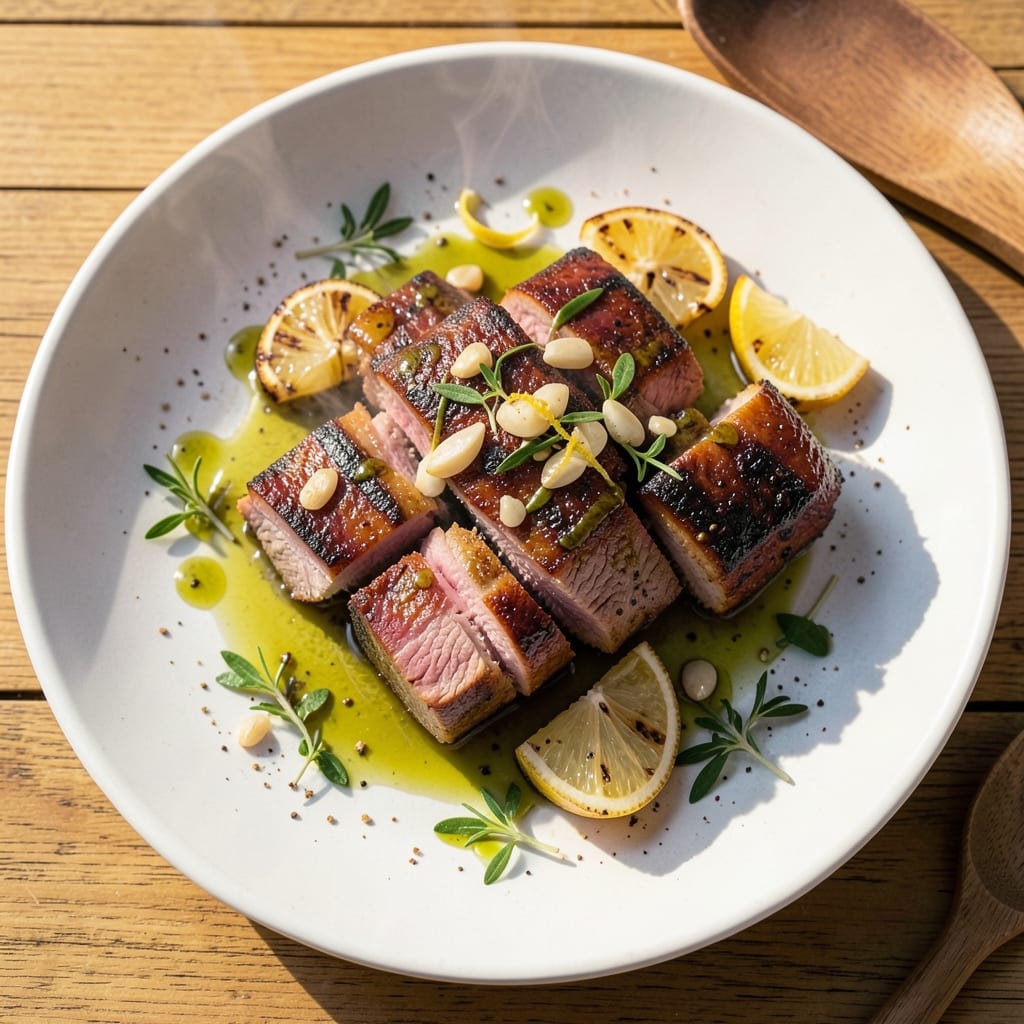
This authentic Greek pork souvlaki recipe delivers the same smoky, charred perfection you'd find in Athens street markets—juicy inside, crispy outside, with that signature lemon-herb brightness. I first mastered this technique during my time in Charleston, where I adapted Greek flavors to Southern grilling methods, and it's become a staple at my restaurant. The secret lies in the marinade: Greek oregano, garlic, and lemon work together to tenderize the pork while building layers of flavor that caramelize beautifully on the grill.
The key to crispy edges without drying out the meat is using properly sized skewers and cooking over high, direct heat—just like the pitmasters I learned from. We'll use bone-in pork shoulder for maximum flavor and juiciness, cut into even pieces that cook uniformly. This isn't just another grilled pork recipe; it's a taste of Greece brought to your backyard or grill, where every bite delivers that perfect balance of smoky char, tender meat, and bright citrus notes.
What makes this recipe truly authentic is the attention to detail: from the proper skewering technique (no overcrowding!) to achieving that 165°F internal temperature for safe, juicy pork. Serve these skewers with warm pita bread, fresh lemon wedges, and a dollop of homemade tzatziki for the complete Greek experience. The aroma alone will have everyone gathering around your grill—just like they do in the streets of Athens.
This method works beautifully on a charcoal grill, gas grill, or even in a cast-iron skillet for indoor cooking. The marinade keeps well for up to 24 hours, giving you time to let the flavors develop fully. Whether you're hosting a summer gathering or simply craving a taste of Greece, these skewers deliver restaurant-quality results with minimal effort. Let's get started on creating your own Greek feast at home.
Ingredients for authentic greek pork souvlaki
Juicy pork, bold Greek flavors, and crispy edges—just like Athens street markets.
| Ingredient | Amount | Notes |
|---|---|---|
| Bone-In Pork Shoulder 🥩 | 1 ½ lb | Cut into 1-inch cubes, even size |
| Greek Oregano 🌿 | 2 tbsp | Fresh or high-quality dried |
| Garlic Cloves 🧄 | 6 cloves | Peeled, smashed lightly |
| Lemon Juice 🍋 | ½ cup | Freshly squeezed |
| Extra-Virgin Olive Oil 🫒 | ⅓ cup | High-quality, fruity |
| Dried Thyme 🌿 | 1 tsp | Or 1 tbsp fresh thyme |
| Salt 🧂 | 1 ½ tsp | Diamond Crystal preferred |
| Ground Black Pepper 🌶️ | ½ tsp | Freshly ground |
| Wooden Skewers 🪵 | 8 whole | Soaked in water 30 minutes |
| Lemon Zest 🍋 | 1 tbsp | Fine, from 1 lemon |
| Honey 🍯 | 1 tbsp | For glaze (optional) |
| Pita Bread 🍞 | 4 whole | Warm, for serving |
| Fresh Parsley 🌿 | ¼ cup | Chopped, for garnish |
The pork shoulder is non-negotiable here. Bone-in delivers maximum flavor and juiciness, but if you can't find it, bone-in pork loin works too. Cut the meat into 1-inch cubes—uniform size is key for even cooking. I always grab mine from Whole Foods or my local butcher shop where they cut it fresh. Look for good marbling, not too much fat, and ask for it to be trimmed of any large silver skin pieces. The Greek oregano is what sets this apart—Penzeys Spices has the best, but any high-quality dried oregano will do if you can't find the Greek variety. Fresh oregano works too, but dried is more accessible.
No Greek oregano? Italian oregano at double the amount gets you close, but it won't have that same authentic punch. The garlic can be roasted for a sweeter flavor—just toss the whole cloves with olive oil and roast at 400°F for 10 minutes before mincing. For the lemon juice, Meyer lemons add a touch of sweetness if you can find them. The honey glaze is optional but adds that caramelized finish that makes these skewers irresistible. If you're serving a crowd, double the batch—just make sure to soak enough skewers (or use metal ones). The pita bread should be warm, so wrap it in a damp towel and heat in the oven at 350°F for 10 minutes.
Marinate the pork for at least 4 hours, but overnight is best if you're planning ahead. The skewers can be prepped a day in advance and refrigerated—just bring them to room temperature before grilling. These reheat beautifully on the grill or in a skillet, so they're perfect for meal prep. Store any leftovers in an airtight container for up to 3 days. The marinade keeps for 24 hours in the fridge, so you can prep it ahead of time. For serving, I like to arrange the skewers on a platter with warm pita, lemon wedges, and a bowl of tzatziki—it's like a mini Greek feast right on your grill.
Why You'll Love This Recipe
- I swear by this: just cube the pork, toss it with garlic and oregano, and let the grill do the rest. No marinating overnight, no complicated steps—just 15 minutes of hands-on time while the flavors meld effortlessly.
- No-Fuss Prep: I swear by this: just cube the pork, toss it with garlic and oregano, and let the grill do the rest. No marinating overnight, no complicated steps—just 15 minutes of hands-on time while the flavors meld effortlessly.
- Flavor Bomb: That bone-in shoulder? It stays juicy while the outside gets just crispy. Add the bright lemon hit and the earthy oregano, and suddenly you’re eating something that tastes like a Greek taverna—no passport required.
- Weeknight Wonder: Make a double batch on Sunday, and you’ve got lunch covered for days. Cold souvlaki skewers in pita with tzatziki? Yes, please. Or toss them in salads when you’re too tired to cook.
Step-by-step instructions for authentic Greek pork souvlaki
Here's how to make restaurant-quality souvlaki with perfectly charred edges and juicy centers.
Marinate the Pork Shoulder for Maximum Flavor
In a large bowl, combine the 1.5 lb bone-in pork shoulder cut into 1-inch cubes with the 0.5 cup lemon juice, 0.33 cup extra-virgin olive oil, 2 tbsp Greek oregano, 1 tsp dried thyme, 1.5 tsp salt, and 0.5 tsp ground black pepper. I like to use my hands to break up the pork slightly while mixing—this helps the marinade penetrate deeper. Add the 6 smashed garlic cloves and 1 tbsp lemon zest to the bowl and toss everything together until the pork is evenly coated.
Cover the bowl with plastic wrap and refrigerate for at least 4 hours (overnight is even better). This long marinating time ensures the pork stays juicy and absorbs all those bright, herby flavors. The acidity from the lemon will also help tenderize the meat, making it melt-in-your-mouth tender when grilled.
Thread the Marinated Pork onto Skewers
Soak the 8 wooden skewers in water for 30 minutes before using—this prevents them from burning on the grill. Drain and pat them dry with paper towels. Working carefully, thread 3-4 pieces of marinated pork onto each skewer, leaving about ½ inch between each piece. This spacing allows the heat to circulate and ensures even cooking.
I press down gently on the pork as I thread it to keep everything secure. If any pieces feel loose, you can secure them with a small piece of kitchen twine. Arrange the skewers on a plate and let them sit at room temperature for 15 minutes before grilling. This short rest ensures they cook evenly without the cold meat cooling your grill.
Grill to Perfectly Charred Perfection
Preheat your grill to high heat (around 450°F). You want the coals or burners to be as hot as possible for those signature charred edges. Once the grill is fully heated, place the skewers on the grill grates and close the lid. Cook for 8-10 minutes, turning occasionally, until the pork is deeply browned and slightly blistered on all sides.
Here's the trick: don't move them too often. Let the pork develop a good sear on each side before flipping. You'll know they're ready when the edges are crispy and charred with a beautiful mahogany color. The internal temperature should reach 145°F for medium doneness. If you have a meat thermometer, use it to check the thickest piece—it's the most reliable way to ensure perfect doneness.
Optional Honey Glaze for Extra Flavor
For that authentic Greek touch, brush the grilled skewers lightly with a mixture of 1 tbsp honey and 1 tbsp lemon juice while they're still hot. This glaze adds a subtle sweetness that balances the savory, herby flavors. I like to do this just before serving so the honey doesn't burn on the grill.
Let the skewers rest for 5 minutes before serving. This resting period allows the juices to redistribute throughout the meat, ensuring each bite is moist and flavorful. The pork should be tender enough to pull apart easily with a fork but still hold its shape on the skewer.
Serve with Warm Pita and Fresh Garnishes
Warm the 4 whole pita breads in a dry skillet or wrap them in a clean kitchen towel and microwave for 20-30 seconds. This makes them soft and perfect for wrapping around the souvlaki. Serve the skewers with the warm pita, a sprinkle of 0.25 cup chopped fresh parsley, and any extra lemon wedges for squeezing.
For the full Greek experience, serve with tzatziki sauce, sliced tomatoes, red onion, and a side of crispy fries. The contrast of warm, charred pork with cool, creamy tzatziki and fresh vegetables makes this dish truly special. Enjoy immediately while everything is hot and fresh!
Pro Tips For Making Authentic Greek Pork Souvlaki
- Marinate Overnight: I learned this the hard way—rushing the marinade means the pork stays bland and dry. Use a mix of 2 tablespoons Greek oregano, 4 crushed garlic cloves, 3 tablespoons lemon juice, and ¼ cup extra-virgin olive oil per pound of pork. Let it sit at least 12 hours (24 is better) in the fridge—this tenderizes the meat and lets the flavors soak in deep. ---
- Sear First, Skewer Later: Skip threading raw meat onto skewers straight from the fridge—it’ll shrink and fall apart. Pat the pork dry, sear it in a hot pan for 2–3 minutes per side until browned, then let it rest 5 minutes before cutting into chunks. The crust locks in juices, and the meat holds together on the skewer. ---
- Avoid Overcrowding Skewers: Three chunks per skewer is the sweet spot—any more, and the pork steams instead of sears. If your skewers are too small, double them up (use two parallel skewers) or cook in batches. Overcrowding kills the char and leaves you with sad, gray meat. ---
- Use Bone-In for Flavor: Bone-in pork shoulder adds richness and stays juicier than boneless cuts. Trim excess fat but leave a thin layer—it renders into the pan and adds depth. If you’re short on time, ask the butcher to cut it into 2-inch chunks with the bone intact for even cooking.
Make-ahead tips for this dish
Marinade Prep Ahead
The marinade is where all the magic happens, and you can make it up to 24 hours in advance. I like to prep mine in the morning so it has plenty of time to infuse the pork—just store it in an airtight container in the fridge. The longer it marinates, the more tender and flavorful the pork becomes. This is especially helpful if you're grilling later in the day or hosting a dinner party. 💫
Skewer Assembly
Thread the marinated pork onto skewers the night before if you're really planning ahead. Keep them in a single layer on a tray lined with parchment paper, cover loosely with plastic wrap, and refrigerate. This way, you can take them straight from the fridge to the grill without any last-minute prep. Just let them sit at room temperature for 15 minutes before grilling to ensure even cooking. 🪵
Grill Prep
If you're using a charcoal grill, I recommend prepping the coals the night before and storing them in a metal container. This saves you time in the morning—just light them when you're ready to cook. For gas grills, preheat for 15 minutes before grilling to ensure maximum heat. I also like to have my pita breads warmed and ready to go, so I wrap them in a damp towel and pop them in a 350°F oven for 10 minutes while the skewers cook. ⏰
Make-Ahead Skewers
Fully assembled skewers can be refrigerated for up to 24 hours before grilling. Just store them on a tray lined with parchment paper, cover with plastic wrap, and refrigerate. When you're ready to cook, let them come to room temperature for 15 minutes before grilling. This is a game-changer for busy weekends or when you want to spend more time enjoying your guests instead of cooking. 💪
Leftovers Strategy
Any leftover souvlaki can be stored in an airtight container in the fridge for up to 3 days. To reheat, I recommend warming them in a skillet over medium heat with a splash of water or marinade to keep them moist. You can also reheat them on the grill for a few minutes to restore that charred flavor. These reheated skewers make a fantastic meal prep option for lunches or quick dinners during the week. 🔥
Freezer Prep
For long-term storage, you can freeze the marinated pork (unthreaded) in a single layer on a tray before transferring to a freezer bag. This prevents the pieces from sticking together. When you're ready to cook, thaw the pork in the fridge overnight and proceed with the recipe as usual. Frozen souvlaki skewers can also be grilled directly from frozen, but they'll need an extra 2-3 minutes on the grill to reach the proper internal temperature. ❄️
Nutrition facts
Frequently asked questions
Can I use chicken or beef instead of pork for souvlaki?
While pork is traditional, you can absolutely use chicken or beef! For chicken, use boneless, skinless thighs (they stay juicier than breasts) and marinate for at least 2 hours. Beef works best with sirloin or flank steak, cut into ½-inch strips and marinated 4-6 hours. Just adjust cooking times—chicken reaches 165°F, beef 145°F for medium-rare. The marinade ratios stay the same, but beef benefits from an extra 1 tbsp olive oil to prevent drying.
What if I don't have wooden skewers?
Metal or stainless steel skewers are perfect—they won't burn and work great on gas grills. If using metal, skip the soaking step. For a rustic touch, try soaked bamboo skewers (available at Asian markets) or even heavy-duty metal grill forks. Pro tip: If your skewers are too short, thread 2 pieces of pork per skewer instead of 3-4. Just ensure even spacing for proper searing.
How do I get the best char without burning the pork?
High heat is key! Preheat your grill to 450-475°F and let it sit for 10-15 minutes before adding the skewers. For the first 2 minutes, leave them undisturbed to build a crust. Then flip and repeat. If using charcoal, arrange coals on one side for indirect heat if needed. For indoor cooking, use a cast-iron skillet on medium-high heat with a splash of olive oil—this mimics grill char perfectly.
Can I make this recipe in an oven?
Yes! Preheat oven to 425°F and place skewers on a wire rack over a baking sheet. Bake for 12-15 minutes, turning halfway, until internal temp reaches 145°F. For extra crispiness, broil for 2-3 minutes at the end. The edges won't be as charred as grill-seared, but the meat stays juicy. For best results, use a cast-iron skillet on the stovetop first to get some color, then finish in the oven.
What's the deal with Greek oregano vs. regular oregano?
Greek oregano has a bolder, slightly peppery flavor with hints of citrus and thyme—it's what gives souvlaki its signature taste. Regular oregano (Italian) is milder. If you can't find Greek oregano, use double the amount of Italian oregano plus ½ tsp crushed red pepper for depth. For an extra authentic touch, add ½ tsp dried mint to the marinade. The key is balancing the herbal notes with the lemon and garlic.