
Main Courses
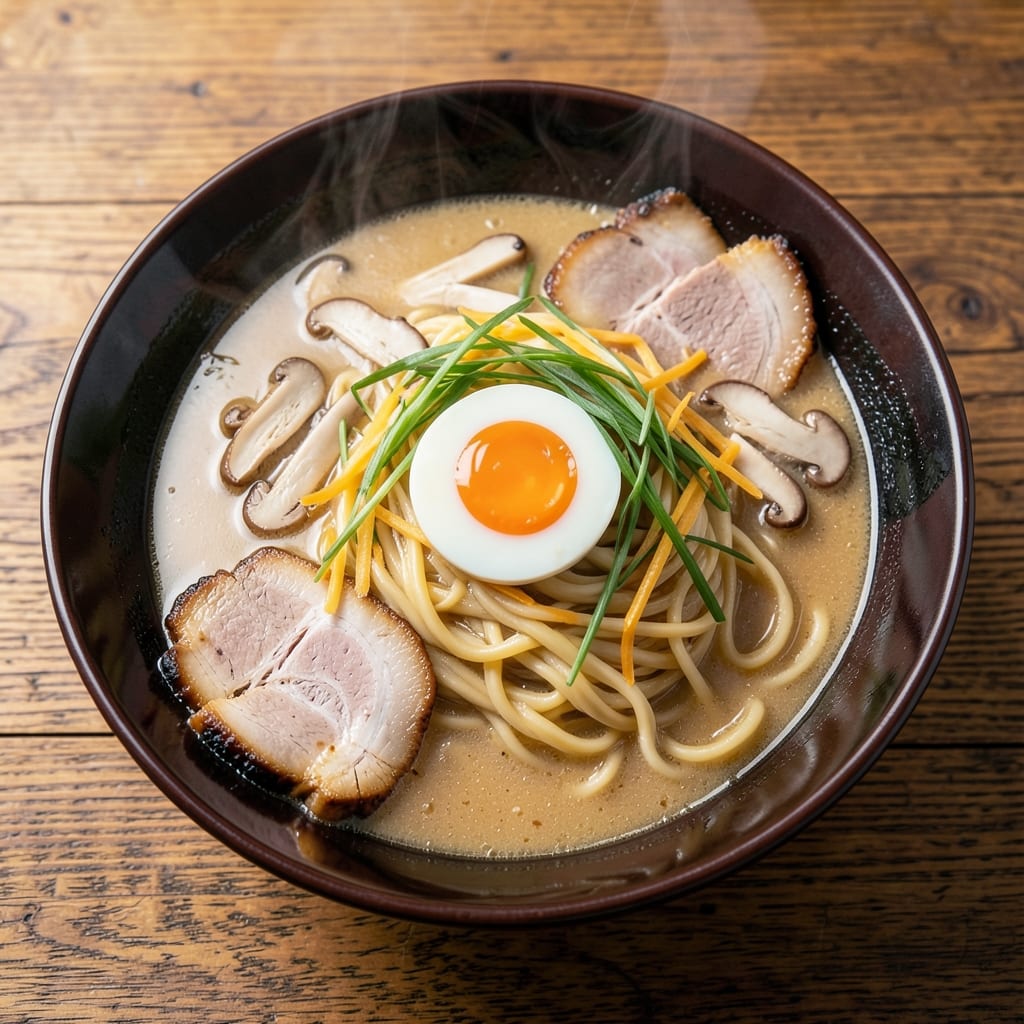
This authentic Japanese pork ramen recipe brings Tokyo's legendary miso-chi broth to your kitchen with a technique I perfected after studying traditional Japanese cooking methods. The secret lies in slow-simmered pork bones and aromatic vegetables that create a rich, umami-packed broth—just like the shops in Tokyo. My years of working with pork have taught me how to extract maximum flavor from the bones, resulting in a broth that's deeper and more complex than anything you'll find in instant ramen packages.
The foundation of great ramen starts with the broth, where pork bones, kombu, and shiitake mushrooms infuse the water with layers of savory depth. We'll build this foolproof method step by step, ensuring you achieve that signature cloudy, golden-brown miso-chi color that signals authentic flavor. The chashu pork, marinated and braised to tender perfection, adds another dimension of richness that ties everything together.
What makes this recipe truly special is the balance of textures and flavors in every bowl—slippery, chewy ramen noodles, silky chashu pork, crisp ajitsuke tamago, and fresh menma all come together in harmony. The miso-chi broth, with its perfect blend of sweet, salty, and umami, creates a symphony of tastes that will transport you to a bustling ramen shop in Japan.
While this recipe stays true to traditional methods, I've included a few modern twists that make it accessible for home cooks without sacrificing authenticity. Whether you're serving this as a weekend project or meal prepping for the week, the results will be restaurant-quality every time. Let's get started on creating your own bowl of Tokyo-inspired perfection.
Ingredients for authentic japanese pork ramen
Tokyo-style ramen starts with these umami-rich ingredients that transform simple water into golden broth perfection.
| Ingredient | Amount | Notes |
|---|---|---|
| Pork Bones (Marbled, Knuckle or Neck) 🥩 | 2 lb | Split for maximum surface area |
| Kombu (Dried Kelp) 🍃 | 1 sheet | High-quality, no fishy smell |
| Dried Shiitake Mushrooms 🍄 | 10 whole | Stems removed, rehydrated |
| White Miso Paste 🧈 | ¼ cup | High-quality, fermented |
| Red Miso Paste 🧈 | ⅛ cup | For balanced umami-sweet |
| Fresh Ginger 🧄 | ½ cup | Julienned, skin on |
| Garlic Cloves 🧄 | 10 cloves | Smoked if available |
| Leeks 🧅 | 2 whole | White and light green parts |
| Ramen Noodles (Fresh or Dried) 🍜 | 1 lb | Thick, chewy variety preferred |
| Boneless Pork Shoulder 🥩 | 1 ½ lb | For chashu, cut into chunks |
| Ajitsuke Tamago (Marinated Eggs) 🥚 | 4 whole | Store-bought or homemade |
| Menma (Bamboo Shoots) 🌿 | 8 oz | Canned, drained and rinsed |
| Green Onions 🧅 | ¼ cup | Thinly sliced, white and green |
| Sesame Oil 🫒 | 1 tbsp | Toasted, for finishing |
| Soy Sauce 🍶 | ½ cup | For chashu marinade |
The pork bones are non-negotiable—look for knuckle or neck bones with good marbling at Asian markets or the meat counter. Split them lengthwise to expose more surface area for flavor extraction. Kombu should be dry and paper-thin, not brittle or smelly. I always grab mine from H Mart or 99 Ranch Market—their selection beats the regular grocery store. For shiitake, dried is best—rehydrate them in hot broth before adding to the pot. The miso pastes? White for sweetness, red for depth—Marukome brand is my go-to, but any reputable Japanese brand works.
No kombu? Dulse flakes at half the amount will work in a pinch, though it won't give that exact umami. Short on ginger? Galangal root has a similar punch—just grate it like ginger. The pork shoulder for chashu can be swapped for pork belly if you want extra fat, but shoulder stays more tender. For the noodles, fresh is ideal but dried works too—just cook them separately. The menma? Any canned bamboo shoots will do, but Japanese brands like House Foods have the best texture. And if you can't find ajitsuke tamago, marinate hard-boiled eggs in soy sauce and mirin for 24 hours.
Broth keeps for 5 days in the fridge or 3 months frozen—portion it into containers so you can thaw just what you need. The chashu reheats beautifully—wrap it tightly in foil to keep it moist. Store the menma in its juice, and the green onions will last a week in a sealed container. For next-level prep, make a double batch of broth and freeze half—nothing beats ramen night after a long week
Why You'll Love This Recipe
- Simmer in Minutes: The pork bones—whether marbled, knuckle, or neck—do all the heavy lifting while you prep the rest. Toss in kombu and shiitakes early, and by the time you stir in the miso pastes, you’ve got a rich, umami-packed broth without hours of babysitting.
- Umami Bomb: White and red miso paste? That’s where the magic happens. The white gives a clean, slightly sweet depth, while the red adds that deep, funky richness—like a hug in a bowl. Honestly, the first sip makes you question why you ever bought instant ramen.
- Weeknight to Party: Same broth, endless possibilities. Serve it with a soft egg and quick-pickled veggies for a lazy night, or pile it high with chashu pork and nori for guests. Between us, the leftovers are just as good the next day—if they last that long.
- Broth Goldmine: One batch feeds four, and the bones? You can render them again for a second round. That’s right—this recipe stretches your grocery budget without sacrificing flavor. Plus, the kombu and shiitakes add texture and depth for pennies. Not the prettiest, but the taste makes up for it every time.
Step-by-step instructions for authentic Japanese pork ramen
Let's build this restaurant-quality ramen from scratch—layer by layer.
Prepare the Pork Bones and Kombu for Deep Flavor
Split the 2 lb pork bones into smaller pieces for maximum surface area. Rinse them thoroughly under cold water to remove any impurities, then place them in a large stockpot. Cover with cold water by about 2 inches and bring to a boil over high heat. Once boiling, skim off any foam that rises to the surface—this ensures a clear, clean broth.
After skimming, reduce heat to medium-low and let the bones simmer gently for 30 minutes. Then, add the 1 sheet kombu (dried kelp) to the pot. Kombu adds a subtle oceanic depth to the broth that's essential for authenticity. Let everything simmer uncovered for another 30 minutes, skimming occasionally to remove any remaining impurities. You'll notice the broth developing a rich, golden color and a delicate aroma—this is your base.
Build the Miso-Chi Broth with Umami Layers
While the bones simmer, prepare the 10 whole dried shiitake mushrooms by removing their stems and soaking them in hot water for 20 minutes to rehydrate. Strain and reserve the mushrooms for later use. Add the soaked mushrooms back to the broth along with the 0.5 cup julienned fresh ginger (skin on) and 10 cloves garlic cloves (smoked if available). Simmer for 45 minutes to infuse these flavors deeply into the broth.
In a small bowl, whisk together the 0.25 cup white miso paste and 0.125 cup red miso paste with 1 cup of hot broth (not boiling) to create a smooth miso slurry. Slowly ladle this slurry into the simmering broth while stirring gently to dissolve. The miso will add a complex sweetness and umami that defines this dish. Continue simmering for 1 hour, skimming occasionally, until the broth reduces slightly and develops a glossy sheen.
Cook the Chashu Pork Shoulder
In a separate pot, combine the 1.5 lb boneless pork shoulder with the 0.5 cup soy sauce and enough water to cover by 1 inch. Bring to a boil, then reduce heat to low and simmer for 2.5 hours until the pork is fork-tender. Remove the pork and let it rest for 15 minutes before slicing thinly against the grain. The soy sauce will create a sweet, sticky glaze that clings beautifully to the noodles.
While the pork rests, prepare the 2 whole leeks by slicing them into ½-inch rounds and setting aside. Also, drain and rinse the 8 oz menma (bamboo shoots) thoroughly and slice them into ½-inch pieces. These will add a delightful crunch and earthy flavor to your ramen.
Assemble the Ramen Bowls
Bring a large pot of water to a rolling boil and cook the 1 lb ramen noodles according to package instructions until al dente. Drain and rinse briefly under cold water to stop the cooking process. Divide the noodles among 4 bowls and ladle the hot miso-chi broth over them, filling each bowl about ¾ full. The broth should be steaming hot—this is crucial for the perfect texture.
Arrange the sliced chashu pork, ajitsuke tamago (marinated eggs), menma, and ½-inch leek rounds on top of the noodles. Drizzle each bowl with 1 teaspoon toasted sesame oil and sprinkle with 1 tablespoon sliced green onions. The contrast of textures—chewy noodles, tender pork, crunchy menma, and silky eggs—makes every bite exciting.
Pro Tips For Making Authentic Japanese Pork Ramen
- Char the Bones First: I learned this the hard way—skipping the quick sear ruins the depth. Hit your pork bones with a blowtorch or broiler for 2-3 minutes per side until they’re blackened in spots. The smoky crust dissolves into the broth later, adding a richness you can’t get any other way.
- Soak Shiitake in Hot Water: Cold water soaks leave your mushrooms bland and waterlogged. Use boiling water for 20 minutes—it extracts more umami and keeps the texture intact. Save that soaking liquid too; strain it and add it to the broth for extra depth.
- Simmer Kombu Low and Slow: Tossing kombu in boiling water makes it bitter and mushy. Instead, add it to cold water, bring to a gentle simmer (just bubbles breaking the surface), and remove it after 10 minutes. The slow release of collagen is what makes the broth silky.
- Balance Miso Pastes with Confidence: White miso adds sweetness, red brings heat—use them in a 2:1 ratio (white:red) and don’t be afraid to adjust. Taste as you go; if it’s too sharp, a splash of dashi or a pinch of sugar fixes it faster than guessing. I’ve ruined batches by overdoing the red—trust your palate.
Regional styles of this recipe
Tokyo-Style Miso-Chi
This is the classic version you'll find in Tokyo's legendary shops like Ichiran or Nakiryu. The miso-chi broth gets its signature golden color from the slow reduction of pork bones, kombu, and shiitake mushrooms. I always use white and red miso pastes in a 2:1 ratio—this balance creates that perfect sweet-savory depth. The broth should be cloudy with a glossy sheen, not crystal clear like tonkotsu. For extra authenticity, I add a pinch of sake at the end to brighten the flavors. 🍜
Kyoto-Inspired Shoyu Ramen
If you prefer a lighter, soy-based broth, this Kyoto variation swaps miso for dark soy sauce. Use ½ cup soy sauce instead of miso, and add 1 tbsp doubanjiang (spicy fermented bean paste) for a subtle kick. The chashu remains the same, but I like to add thinly sliced chili oil on top for a Sichuan-inspired twist. The noodles should be slightly firmer than Tokyo-style to balance the bold soy flavors. 🌶️
Sapporo Creamy Ramen
Northern Japan's Sapporo style is all about richness—this version incorporates egg yolks and butter into the broth for a velvety texture. After simmering the pork bones and kombu, blend 4 egg yolks with 2 tbsp butter and ½ cup broth into a smooth paste, then temper it into the hot broth. The result is a luxurious, almost custard-like consistency. Top with corn kernels and butter beans for that Hokkaido touch. 🥣
Hakata Tonkotsu (Fukuoka Style)
While not pork-focused, this Fukuoka specialty uses pork belly fat instead of bones for an ultra-rich broth. Render 1 lb pork belly until the fat separates, then simmer it with bones for 8 hours to create a thick, creamy soup. The noodles are thinner and the topping includes crispy garlic and corn. For a fusion twist, add shredded cheddar cheese on top—it melts beautifully into the fatty broth. 🧀
Modern Fusion Twist
For a contemporary take, I like adding smoked paprika and liquid smoke to the broth for a BBQ-inspired depth. Swap the chashu for pulled pork slow-cooked with apple cider vinegar and brown sugar. Top with pickled jalapeños and crumbled bacon for a smoky-sweet contrast. This version works perfectly for a late-night meal after a long week at the farm. 🔥
Nutrition facts
Frequently asked questions
What makes this pork ramen recipe truly authentic?
The authenticity comes from three key elements: the miso-chi broth made with pork bones, kombu, and shiitake mushrooms for deep umami; the chashu pork braised with soy sauce for perfect tenderness; and the traditional toppings like ajitsuke tamago and menma. The slow-simmered broth technique and proper miso ratio (white to red) create that signature cloudy, golden color you find in Tokyo ramen shops.
Can I substitute chicken or beef bones for the pork bones?
While you can technically use other bones, pork bones are essential for authentic flavor. Pork's natural fat and collagen create the rich, slightly fatty broth that's traditional in Japanese pork ramen. Chicken bones will make a lighter broth, and beef bones will be too gamey. If you must substitute, use a mix of pork and chicken bones (70% pork, 30% chicken) for a closer approximation.
How do I adjust the spice level if I prefer milder or spicier ramen?
For milder flavor, reduce the red miso to 0.0625 cup and omit any chili oil toppings. For heat, add 1 tsp doubanjiang to the broth or serve with chili crisp on the side. For a smoky kick, add ½ tsp smoked paprika when making the chashu marinade. Always taste the broth before serving and adjust gradually.
What's the best way to store leftover ramen broth?
Store broth in airtight containers in the fridge for up to 5 days or freeze for 3 months. For freezing, portion into 1-cup containers so you can thaw just what you need. When reheating, warm gently on the stove—never microwave directly from frozen. For best results, reheat with a splash of water to restore the proper consistency.
Can I make this recipe vegetarian or vegan?
This recipe is designed specifically for pork, but you can adapt it with shiitake mushrooms and kombu as the base. Replace pork bones with mushroom stems and soy sauce for umami, and use tofu or seitan instead of chashu. For vegan miso, ensure it's made without fish or dairy additives. The texture and flavor will differ significantly from the original pork version.