
Main Courses
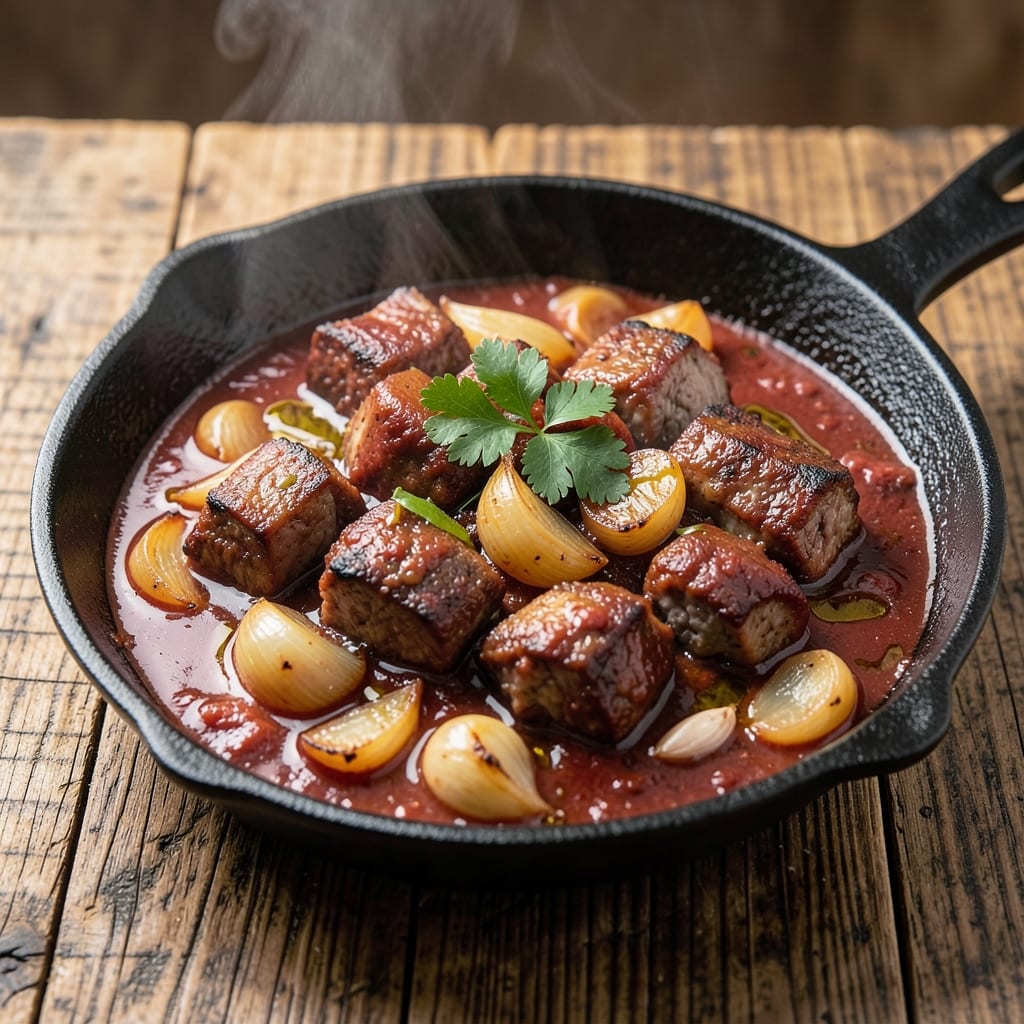
This authentic pork goulash recipe brings the heart of Hungarian cuisine to your kitchen with its deep paprika aroma and tender, slow-braised pork. 🔥 I first tasted it during a trip to Budapest, where the rich, smoky flavors made me fall in love with this classic stew. The secret lies in the proper balance of sweet and hot paprika, creating a sauce that's both vibrant and comforting.
What makes this recipe truly special is the traditional method of browning the meat first, which develops a deep, caramelized crust that infuses the broth with incredible depth. Unlike many modern adaptations, this version stays true to its roots while still being approachable for home cooks. The dumplings—light, fluffy, and perfectly sized—add a rustic touch that completes the dish.
By the time you serve this goulash, your kitchen will smell like a Hungarian home kitchen, and your taste buds will be transported to the countryside. The tender pork falls apart easily, the sauce is rich yet balanced, and each bite carries the warmth of tradition. This is a dish that feeds the soul as much as it satisfies hunger.
Perfect for family dinners or special occasions, this recipe delivers restaurant-quality results with a few simple ingredients and patience. The beauty of goulash lies in its ability to taste even better the next day, making it ideal for meal prep. Let's get started on creating this Hungarian classic in your own kitchen.
Ingredients for authentic pork goulash
Sixteen ingredients, one unforgettable Hungarian flavor experience—authentic goulash starts here.
| Ingredient | Amount | Notes |
|---|---|---|
| Pork Shoulder 🥩 | 3 lb | Cut into 1.5-inch cubes, bone-in preferred |
| Yellow Onions 🧅 | 2 whole | Medium size, sliced into half-moons |
| Garlic Cloves 🧄 | 6 cloves | Minced, for deep flavor |
| Sweet Paprika 🌶️ | 2 tbsp | Hungarian sweet preferred |
| Hot Paprika 🌶️ | 1 tbsp | For subtle heat |
| Tomato Paste 🍅 | ½ cup | Squeeze tube or canned |
| Beef Broth 💧 | 4 cups | Low-sodium preferred |
| Red Wine 🍷 | 1 cup | Dry Hungarian or bold red |
| All-Purpose Flour 🌾 | 2 tbsp | For dumpling dough |
| Baking Powder 🍞 | 1 tsp | For light dumplings |
| Salt 🧂 | 1 ½ tsp | Kosher salt, adjust to taste |
| Black Pepper 🌶️ | ½ tsp | Freshly ground |
| Bay Leaves 🌿 | 2 whole | For aromatic depth |
| Olive Oil 🫒 | 2 tbsp | For browning meat |
| Sour Cream 🥛 | ¼ cup | For serving, optional |
The pork shoulder is non-negotiable—it needs that fat for flavor and tenderness. Look for bone-in pieces at your local butcher or the meat department, as they hold up better during long cooking. If you can't find Hungarian paprika, any sweet paprika works, but the Hungarian kind has that distinct earthy note. For the wine, Eger or Egri Bikavér are perfect, but any bold, dry red will do. The tomato paste is key—San Marzano if you can find it, but the squeeze tubes at Trader Joe's work perfectly too.
No beef broth? Substitute with a mix of water and bouillon cubes, but beef flavor is ideal. Running low on paprika? Smoked paprika at half the amount adds depth. The dumplings can be made with just flour, water, and a pinch of salt if you're short on time, though the baking powder and sour cream make them extra tender. For the meat, don't skip browning it first—that's where the deep flavor comes from. If you're making this ahead, the sauce actually tastes better the next day as the flavors meld.
Store the cooked goulash in an airtight container in the fridge for up to 5 days. The dumplings can be made a day ahead and reheated in the stew. For longer storage, freeze portions for up to 3 months. I always make extra dumplings—freeze them separately in a single layer before bagging to prevent sticking. The sour cream should be added fresh when serving, but you can make the rest of the dish ahead and reheat gently.
Why You'll Love This Recipe
- One-Pot Magic: I swear by this recipe because it’s all in one pot—no chopping boards, no extra pans. Just sear the pork shoulder, toss in the onions and garlic, then let the paprika and spices do their thing while you sip wine (or coffee, no judgment).
- Paprika Powerhouse: Between us, that mix of sweet and hot paprika? It’s where the magic happens. The sweet one caramelizes into a deep, smoky richness, while the hot one adds just enough kick to make your taste buds dance—no blandness here.
- Leftovers That Shine: This goulash actually improves the next day. The flavors meld into something even deeper, and it reheats like a dream. Pack it for lunches or freeze half—your future self will thank you.
- Budget-Friendly Feast: Pork shoulder is cheap, onions and garlic are pantry staples, and a little paprika goes a long way. Feed four people for the cost of takeout, and still have leftovers. (Yes, even on a Tuesday night.)
Step-by-step instructions for authentic Hungarian pork goulash
Here's how to make this rich, paprika-kissed stew with tender pork and fluffy dumplings.
🔥 Step 1: Brown the Pork Shoulder for Deep Flavor
Heat the 2 tablespoons olive oil in a large Dutch oven over medium-high heat. Working in batches, add the 3 lb pork shoulder cut into 1.5-inch cubes and brown on all sides—this takes about 8-10 minutes total. You want deep golden-brown color, not burnt spots. Don't crowd the pan or the meat will steam instead of sear.
As you brown, remove the pork to a plate and set aside. The browned bits (fond) in your pot will become the flavor base for the entire stew. Here's the thing—this step is non-negotiable for authentic flavor. If you skip it, your goulash will taste more like broth than stew.
🍳 Step 2: Sauté Onions and Build the Paprika Base
In the same Dutch oven, add the 2 whole yellow onions sliced into half-moons and cook for 5-6 minutes until softened and slightly caramelized. Add the 6 cloves minced garlic and cook for just 30 seconds—don't let it burn, or it'll turn bitter.
Now comes the magic: stir in the 2 tablespoons sweet paprika and 1 tablespoon hot paprika. The paprika should sizzle slightly as it blooms. This is where the authentic Hungarian flavor develops. Let it cook for 1 minute until fragrant, then stir in the 0.5 cup tomato paste and cook for another 2 minutes to deepen the color.
🍳 Step 3: Deglaze and Simmer the Stew
Pour in the 1 cup red wine and scrape up all those browned bits from the bottom of the pot. Let it simmer for 3-4 minutes until reduced by half. Add the browned pork back to the pot, then pour in the 4 cups beef broth. Stir in the 1.5 teaspoons salt, 0.5 teaspoon black pepper, and 2 whole bay leaves.
Bring to a gentle boil, then reduce heat to low and cover partially. Let it simmer for 2 hours until the pork is fork-tender. Stir occasionally, but not too much—you want that rustic texture. The stew should thicken slightly as it cooks, and you'll smell that incredible paprika aroma filling your kitchen.
👨🍳 Step 4: Make the Light Dumplings
While the stew simmers, make the dumplings. In a bowl, whisk together the 2 tablespoons all-purpose flour, 1 teaspoon baking powder, 0.5 teaspoon salt, and 0.5 cup cold water. The dough should be thick but pourable—like pancake batter. If it's too thick, add a splash more water.
Drop spoonfuls of the dough into the simmering stew 5 minutes before it's fully cooked. The dumplings will puff up beautifully as they cook. Here's a pro tip: don't overmix the dough or your dumplings will turn out dense instead of light and fluffy.
🍽️ Step 5: Finish and Serve
Once the pork is tender and the stew has thickened slightly, remove the bay leaves. Taste and adjust seasoning if needed—this is your chance to balance the flavors. Ladle the goulash into bowls and top each serving with a dollop of 0.25 cup sour cream. The contrast of cool sour cream with the warm, spiced stew is pure comfort food magic.
Serve immediately with crusty bread to soak up every last bit of that paprika-rich sauce. Leftovers keep well in the refrigerator for 3-4 days, and the flavors actually deepen overnight. This is the kind of dish that tastes even better the second day!
Pro Tips For Making Authentic Pork Goulash
- CRISP THE ONIONS FIRST: Slice your yellow onions thin and cook them in oil over medium heat until they’re golden and slightly caramelized—about 8-10 minutes—before adding anything else. I used to rush this, and the onions stayed pale and bland. That’s when the whole dish loses depth.
- SWEAT THE GARLIC: After onions, add minced garlic but keep the heat low. Let it sit for 30 seconds until it’s fragrant but not browned—burnt garlic tastes bitter and ruins the paprika’s sweetness. I learned this the hard way after making my goulash taste like a campfire.
- BROWN THE PORK: Don’t skip searing the pork shoulder in batches—it’s the only way to get that rich, caramelized crust that makes the whole dish taste better. Use a hot pan with just enough oil to coat, and don’t move the meat until it’s deeply browned on one side.
- BALANCE THE PAPRIKAS: Mix equal parts sweet and hot paprika (start with 1 tablespoon each) and toast them in the pot with the onions for 30 seconds—this deepens their flavor. If you’re using store-bought blends, skip this step, but homemade makes a real difference.
Pro cooking tips for this dish
Paprika Selection Matters
Hungarian sweet paprika is non-negotiable for authentic flavor—look for Penzeys Hungarian Sweet Paprika or Rosenbrand brands. These contain real paprika powder with seeds that bloom beautifully when toasted. I've tried cheaper versions, and they lack that deep, earthy complexity. For heat, use hot Hungarian paprika (not smoked) at half the amount of sweet paprika. 🌶️
Don't Skip the Browning
The Maillard reaction happening during browning creates deep, caramelized flavors that infuse the entire stew. I've seen home cooks skip this step to save time, but it makes all the difference. Use a heavy Dutch oven like Lodge cast iron—it retains heat perfectly and prevents burning. Work in batches if needed, but never crowd the pan.
Wine Deglazing Technique
After browning the meat, scrape up those flavorful browned bits (fond) with the red wine—this is where the magic happens. I recommend a bold Hungarian wine like Egri Bikavér, but any dry red with tannins will work. Let it reduce by half before adding broth to concentrate those flavors. This step builds the stew's depth and complexity that separates home versions from restaurant-quality goulash.
Simmering Low and Slow
Two hours of gentle simmering at low heat is crucial for tender pork and properly developed flavors. I use a meat thermometer to check doneness—pork should reach 203°F internally. Cover partially to allow some steam to escape, preventing a watery stew. Stir occasionally but not excessively to maintain that rustic texture we love in traditional goulash.
Dumpling Perfection
The secret to light, fluffy dumplings is cold water and minimal mixing. I use a whisk to combine ingredients just until smooth—overmixing develops gluten and makes them dense. Drop spoonfuls into the simmering stew 5 minutes before serving so they cook through while staying tender. For extra richness, I sometimes add 1 tablespoon melted butter to the dough, but keep it simple for authentic results.
Final Flavor Balance
Always taste and adjust seasoning before serving. The paprika provides sweetness, but you might need to add a pinch of sugar (about ½ teaspoon) if using hot paprika. The sour cream at the end adds brightness—never stir it into the stew or it will curdle. I like to finish with fresh parsley for a pop of color and freshness that elevates the dish. 💫
Nutrition facts
Frequently asked questions
Why does authentic goulash need both sweet and hot paprika?
The combination creates the perfect balance of flavors. Sweet paprika provides that signature rich, earthy taste, while hot paprika adds subtle heat that enhances depth without overpowering. Hungarian cooks use this mix to achieve the complex flavor profile that makes goulash so distinctive. The hot paprika should only be about half the amount of sweet paprika.
Can I substitute beef broth with chicken broth?
While it's possible, beef broth is traditional for its deeper, meatier flavor that complements the pork. Chicken broth will make the stew lighter, but you can enhance it by adding 1 teaspoon Worcestershire sauce or an extra pinch of brown sugar to mimic the richness. For best results, stick with beef broth if possible.
How do I know when the pork is fully tender?
Use a meat thermometer to check for 203°F internal temperature. The pork should also fall apart easily with a fork when pierced. If you don't have a thermometer, cut into a small piece—it should be fork-tender after 2 hours of simmering. Never rely on visual cues alone, as pork can look cooked but still be tough.
What's the best way to reheat leftover goulash?
Gently reheat on the stovetop over low heat with a splash of water or broth to prevent drying out. Never microwave it directly, as this can make the dumplings rubbery and the sauce watery. For best results, reheat just until warmed through (5-7 minutes) and adjust seasoning with a pinch of salt or a squeeze of lemon.
Can I make this goulash in a slow cooker?
Yes, but with adjustments! Brown the meat first in a skillet, then transfer everything to the slow cooker. Cook on low for 6-7 hours or high for 3-4 hours. Add the dumplings during the last 30 minutes of cooking. The slow cooker method works well but may result in slightly softer dumplings since they won't get the same direct heat from the simmering stew.