
Main Courses
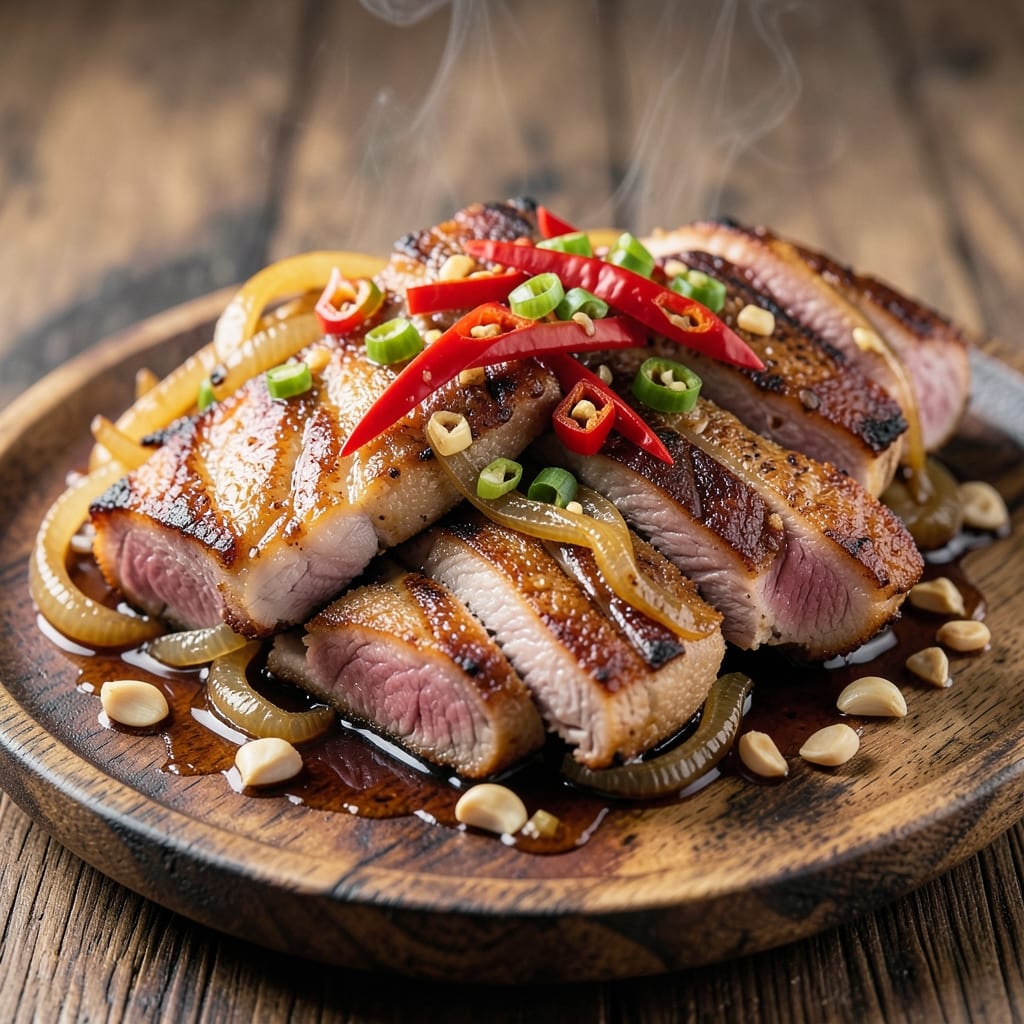
This authentic pork sisig recipe brings the bold flavors of Filipino street food to your kitchen, where crispy pork belly meets silky textures and tangy citrus. I first tasted this dish in Manila's bustling markets, where vendors flipped sizzling platters of pork over open flames—now you can recreate that magic at home with just a cast iron skillet and a few key ingredients.
The secret lies in the pork belly, which we fry until the edges are crispy and golden, then chop into tender, juicy pieces that stay moist despite the high heat. Fresh calamansi (or lime) and fiery siling labuyo peppers cut through the richness, while sweet onions caramelize into sticky, savory strands. This dish is all about balance—smoky, sweet, spicy, and tangy all in one bite.
What makes this recipe truly special is the technique: frying the pork belly whole until crispy, then dicing it while still hot so the fat renders perfectly into the onions. The result? A dish that's restaurant-quality but simple enough for weeknight dinners. Serve it with steamed rice and pickled vegetables for the full Filipino experience.
Between you and me, I've perfected this recipe over years of cooking for crowds—it's the kind of dish that disappears faster than you can say "sisig." The crispy edges give way to tender pork with every bite, and the citrusy, spicy sauce ties everything together. Trust me, once you try this, you'll never go back to the frozen version.
Ingredients for authentic pork sisig
Pork belly, crispy onions, and fiery peppers—this is your shortcut to restaurant-quality sisig.
| Ingredient | Amount | Notes |
|---|---|---|
| Pork Belly 🥓 | 1 ½ lb | Skin-on, fatty cuts preferred |
| Yellow Onions 🧅 | 2 whole | Sweet or yellow preferred |
| Siling Labuyo Peppers 🌶️ | 3 whole | Or substitute jalapeños |
| Calamansi Juice 🍋 | ¼ cup | Or lime juice in a pinch |
| Garlic Cloves 🧄 | 6 cloves | Minced for depth of flavor |
| Soy Sauce 🥢 | ¼ cup | Dark soy preferred |
| Fish Sauce 🐟 | 1 tbsp | Red Boat brand recommended |
| Brown Sugar 🍚 | 2 tbsp | Lightly packed |
| Vegetable Oil 🫒 | ½ cup | For frying pork belly |
| Salt 🧂 | 1 ½ tsp | Kosher salt preferred |
| Black Pepper 🌶️ | ½ tsp | Freshly ground |
| Green Onions 🧅 | 4 whole | Sliced for garnish |
| Steamed White Rice 🍚 | 2 cups | For serving |
The pork belly is non-negotiable. Look for thick-cut, fatty pieces—the more marbling, the better. Costco or your local butcher shop usually has the best cuts. If you can't find siling labuyo peppers, jalapeños work in a pinch, but they won't have that same bright, tangy kick. I always grab extra pork belly—it's worth the splurge for this dish. For the onions, yellow or sweet onions caramelize best, giving that sweet, sticky base the dish needs.
No calamansi? Lime juice is your best substitute, but add a pinch of salt to mimic the tartness. The fish sauce is essential—Red Boat brand is my go-to, but any good-quality fish sauce will do. If you're avoiding fish sauce, soy sauce plus a splash of vinegar can work, though it won't be exactly the same. For the brown sugar, lightly packed means no scooping—use a spoon to measure. The green onions are for garnish, but don't skip them—they add a fresh pop of color and brightness that ties everything together.
Pork belly keeps for 3-4 days in the fridge, but it's best used fresh. Once cooked, this dish reheats beautifully—just warm it in a skillet over medium heat. If you're making this ahead, cook the pork belly and onions, then store them separately. Assemble everything just before serving so the onions stay crispy. The rice? Steamed and kept warm is ideal—it soaks up all the delicious juices.
Why You'll Love This Recipe
- Five-Ingredient Powerhouse: I swear by this recipe because it’s that simple—pork belly, onions, peppers, garlic, and calamansi juice. That’s it. No fancy prep, no hidden steps, just chop, sear, and sizzle until it’s crispy-perfect.
- Crispy-Creamy Magic: The moment the pork belly hits the pan, it transforms—crispy edges hugging a tender, almost melty center, all brightened by the tangy calamansi. Honestly, the first bite makes me forget I’m cooking.
- Party in a Bowl: This dish doesn’t just feed a crowd—it wins one. Serve it with rice for a casual lunch, pile it high on a platter for a fiesta spread, or let everyone dig in with their hands. My in-laws still ask for seconds every time.
- Leftovers? Never: Between us, sisig reheats like a dream—crispy again in seconds if you broil it. And because pork belly stretches far, it’s my wallet’s best friend. Three meals out of one cut? That’s how you stretch a budget without skimping.
Step-by-step instructions for authentic pork sisig
Here's how to create that perfect balance of crispy edges and tender pork—just like the best sisig you've ever tasted.
Prepare the Pork Belly for Crispy Perfection
First, score the skin of the 1.5 lb pork belly in a diamond pattern using a sharp knife. This creates little pockets that render fat and crisp up beautifully. Cut the belly into ½-inch thick slices, keeping the skin on each piece. I like to press down gently on each slice with my palm—this helps flatten them slightly and ensures even cooking.
In a large bowl, combine the 6 cloves minced garlic cloves, 0.25 cup soy sauce, 1 tbsp fish sauce, 2 tbsp brown sugar, 1.5 tsp salt, and 0.5 tsp black pepper. Mix well to create the marinade. Add the pork slices and toss until fully coated. Let them marinate for at least 30 minutes at room temperature—this ensures maximum flavor penetration and helps the pork stay juicy during frying.
Fry the Pork Until Golden and Crispy
Heat 0.5 cup vegetable oil in a large skillet over medium-high heat until it shimmers but doesn't smoke. Add the marinated pork slices in a single layer, being careful not to overcrowd the pan. Fry for 4-5 minutes per side until the edges turn deep golden brown and the pork reaches an internal temperature of 145°F. You'll know it's ready when the skin is crispy and the meat is just cooked through.
Transfer the fried pork to a paper towel-lined plate to drain excess oil. Don't skip this step—the oil can make your sisig greasy if not drained properly. While the pork rests, keep it warm in a 200°F oven to maintain crispiness while you prepare the rest of the dish.
Sauté the Onions and Peppers for Sweet and Spicy Base
In the same skillet (no need to clean it—the fond adds flavor), add 2 whole yellow onions sliced into thin half-moons and 3 whole siling labuyo peppers sliced into rings. Cook over medium heat for 5-6 minutes, stirring occasionally, until the onions turn translucent and slightly caramelized. The peppers should soften but still retain a bit of their bite—this adds that authentic kick.
Push the onions and peppers to one side of the pan and add 2 tablespoons of the rendered pork fat from the skillet. When the fat is hot, add the fried pork slices back to the pan, skin-side down. Let them crisp up for another 1-2 minutes to absorb all those delicious flavors.
Finish with Calamansi and Garnish
Pour in the 0.25 cup calamansi juice and stir gently to combine. The acidity brightens all the flavors and balances the richness of the pork. Taste and adjust seasoning if needed—you might want to add a splash more soy sauce or a pinch of salt to deepen the umami.
Remove the sisig from heat and garnish with 4 whole green onions sliced into ½-inch pieces. Serve immediately over 2 cups steamed white rice while everything is still warm and crispy. The contrast of the hot, crispy pork with the cool rice is what makes this dish truly special.
Pro Tips For Making Authentic Pork Sisig
- CRISP THE BELLY FIRST: Pork belly needs that fat rendered before chopping—otherwise, you’re left with greasy mush. Sear the skin-side down in a cold pan, then turn heat to medium-low and let it cook undisturbed for 10-12 minutes until the fat pools golden and the meat pulls away easily. (Yes, even if you’re impatient like me.)
- MINCE GARLIC FINE: I used to crush whole cloves, thinking it’d be enough. Wrong. For real depth, mince the garlic as finely as you can—almost like a paste—so it blends into the pork instead of sitting as chunks. A knife works, but a mortar and pestle (or food processor) guarantees even distribution.
- DON’T OVERMIX THE ONIONS: The moment you start stirring the onions into the pork, they’ll turn mushy if you’re not careful. Slice them thin (almost translucent) and cook them separately in a dry pan until just softened—about 3 minutes. Then fold them in last, right before serving, so they stay crisp and bright.
- USE FRESH CALAMANSI: Bottled juice lacks the bright, tangy punch that fresh calamansi brings. If you can’t find it, squeeze the juice immediately after cutting—don’t let the fruit sit. And for extra zing, add a tiny pinch of salt to the juice before mixing; it balances the acidity without overpowering. (Your future self will notice the difference.)
Creative variations of this recipe
Filipino Street Style
For the most authentic experience, serve this sisig like they do in Manila's street stalls—straight from a sizzling cast iron skillet over a bed of steamed rice. I like to use a 12-inch Lodge skillet for maximum crispiness. The key is to keep everything hot until the last possible moment—this dish is all about that smoky, sizzling energy. 🔥
Pro tip: Add a few siling labuyo peppers whole to the skillet during the final minute of cooking. When they blister and turn bright red, remove them and serve on the side for those who want extra heat. This is how vendors keep the spice level customizable for every guest.
Spicy Variations
If you can't find siling labuyo peppers, jalapeños work but won't have that same bright, tangy kick. For extra heat, add 1 tsp chopped bird's eye chilies at the end. I've also seen versions with diced banana blossom for a unique texture—it adds a subtle sweetness that balances the spice beautifully.
For a smoky twist, try adding ½ tsp smoked paprika to the marinade or sprinkling it over the finished dish. This works especially well if you're serving it with grilled corn or pickled vegetables on the side.
Sweet Variations
Sweet sisig is a thing—and it's delicious! Replace the siling labuyo peppers with 1 cup sliced pineapple and add 1 tbsp honey to the marinade. The caramelized onions will create a sweet-savory base that pairs perfectly with the crispy pork. Garnish with extra pineapple slices for a tropical twist.
Another sweet option is to add ½ cup diced mango at the end of cooking. The natural sweetness of the mango cuts through the richness of the pork, creating a perfect balance. This version is especially popular with kids and those who prefer milder flavors.
Savory Add-Ins
For extra umami depth, add 2 tbsp chopped calamansi leaves (if available) or 1 tbsp chopped cilantro) to the marinade. These herbs add a bright, citrusy note that complements the pork beautifully. I also like to include 2 slices of bacon in the frying process—they add a smoky, salty crunch that elevates the dish.
For a more substantial version, mix in ½ cup cooked shrimp during the final minute of cooking. The shrimp absorb the flavors of the pork and onions while adding a delicate seafood element. This variation is perfect for seafood lovers who want to keep the dish light but flavorful.
Regional Twists
In Cebu, they often add lechon kawali (crispy pork belly) to their sisig, creating a double-layered crispiness. For this version, fry an extra ½-inch thick slice of pork belly until extra crispy, then chop it into small pieces and mix it into the dish at the end.
In Pampanga, sisig is sometimes served with bagoong (shrimp paste)—add 1 tbsp bagoong alamang to the marinade for a funky, savory depth. This version is bolder and more complex, perfect for adventurous eaters who love umami-rich flavors.
Nutrition facts
Frequently asked questions about authentic pork sisig
Can I substitute pork belly with another cut?
While pork belly is traditional, you can use pork shoulder or pork ribs in a pinch. Just cut them into ½-inch cubes and fry until crispy—though belly's fat content gives that signature texture. For ribs, remove the meat from the bone and chop finely for the best results. The flavor will be slightly leaner but still delicious.
Why does my sisig turn out greasy?
Greasy sisig usually means excess fat wasn't drained properly. After frying, transfer pork to a paper towel-lined plate and let it rest for 5 minutes to render excess fat. Also, use medium-high heat when frying—too low heat keeps the fat in the pork. For extra crispiness, pat slices dry before marinating.
What if I don't have calamansi?
Lime juice works best as a substitute—use 0.3 cup lime juice plus ½ tsp salt to mimic calamansi's tartness. For extra brightness, add 1 tsp sugar to balance the acidity. Avoid lemon, as it's more bitter. The key is to keep the citrus punch vibrant to cut through the pork's richness.
How do I make it less spicy?
Reduce the number of siling labuyo peppers to 1-2 instead of 3, or use jalapeños with seeds removed. For milder heat, add peppers only at the very end and remove them immediately. If it's already too spicy, stir in 1 tbsp sugar or honey to balance the flavors. Sweet onions also help mellow the spice.
Can I make sisig ahead of time?
Cook the pork and onions separately, then store them in airtight containers in the fridge for up to 3 days. Reheat everything in a skillet over medium heat until crispy, then combine with fresh calamansi juice. For best texture, assemble and serve immediately—this keeps the onions crispy and pork juicy.