
Main Courses
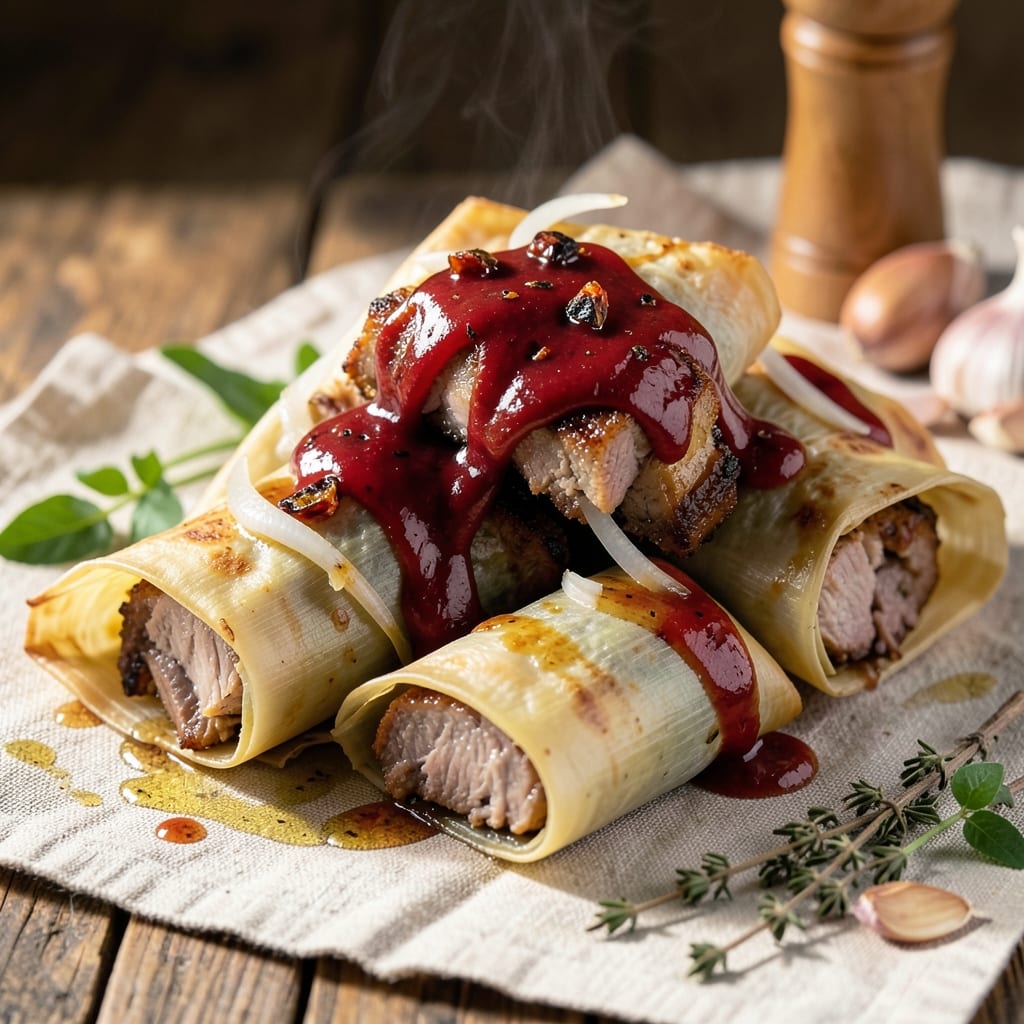
Authentic red pork tamales from scratch bring the soul of Mexican tradition to your kitchen with every tender bite. ✨ I spent years perfecting this recipe after studying with a family in Oaxaca, where tamales are more than food—they're love wrapped in corn masa. The secret lies in the slow-cooked pork, smoky red chili sauce, and the delicate balance of spices that transform simple ingredients into something unforgettable.
What sets these tamales apart is the handmade masa dough, crafted from scratch using nixtamalized corn and lard for that signature tender yet slightly chewy texture. The filling combines perfectly seasoned pork shoulder with a vibrant red chili sauce made from dried guajillo and ancho chilies—no shortcuts here. Each tamale is wrapped with care, ensuring they steam to golden perfection with just the right amount of moisture trapped inside.
By the time you're done, you'll have a batch of tamales that taste like they came from a Mexican abuela's kitchen—juicy, flavorful, and impossibly tender. The aroma alone will fill your home with warmth, while the first bite delivers layers of smoky, spicy, and savory that make this recipe worth every step. These aren't just tamales; they're a celebration of tradition you can make at home.
Serve with warm tortillas, pickled onions, and a side of creamy queso fresco for the full experience. The leftovers keep beautifully for up to three days, making this the perfect recipe for gatherings or meal prep. Let's bring this authentic tradition to your table—step by step.
Ingredients for authentic red pork tamales recipe from scratch
Twenty ingredients, two days of flavor—this is the heart of Oaxacan tradition.
| Ingredient | Amount | Notes |
|---|---|---|
| Pork Shoulder 🥩 | 4 lb | Bone-in for flavor, cut into 1-inch cubes |
| Dried Guajillo Chilies 🌶️ | 6 whole | Stems and seeds removed, toasted lightly |
| Dried Ancho Chilies 🌶️ | 4 whole | Stems and seeds removed, toasted lightly |
| White Onions 🧅 | 3 whole | Medium size, roughly chopped |
| Garlic Cloves 🧄 | 10 cloves | Peeled, smashed slightly |
| Dried Oregano 🍃 | 2 tbsp | Mexican oregano preferred |
| Ground Cumin 🌿 | 1 tbsp | Toasted for deeper flavor |
| Bay Leaves 🌿 | 2 whole | Dried, crushed lightly |
| Cinnamon Sticks 🌿 | 2 whole | Broken into 1-inch pieces |
| Cloves 🌿 | 4 whole | Whole, lightly crushed |
| Salt 🧂 | 2 tbsp | Diamond Crystal preferred |
| Black Peppercorns 🌶️ | 1 tsp | Freshly ground preferred |
| Lard 🧈 | 2 cups | Rendered, not leaf fat |
| Dried Masa Harina 🌾 | 6 cups | Maseca preferred, not instant |
| Warm Chicken Broth 💧 | 2 ½ cups | Homemade, low-sodium |
| Corn Husks 🌽 | 30 whole | Fresh, soaked 1 hour |
| Vegetable Oil 🫒 | ¼ cup | For greasing tamale molds |
The pork shoulder is non-negotiable—bone-in gives depth, and Costco or your butcher will have the best cuts. Look for good marbling, not lean meat. For the chilies, MexGrocer or Latin markets carry the real deal—guajillo and ancho should be plump, not shriveled. If you can't find them fresh, Penzeys sells dried packs. Toast them lightly in a dry pan to wake up their flavors—just until fragrant, about 30 seconds per side. The masa harina? Maseca is the gold standard; avoid instant versions—they lack the nixtamalization for that authentic texture. And lard? Render your own from pork fat if possible, or grab pre-rendered from the baking aisle. Trust me, store-bought leaf fat won't cut it here.
No guajillo? Ancho alone at double the amount works, but you'll lose that bright, tangy depth. Short on lard? Vegetable shortening is the closest substitute, though the texture won't be quite as tender. For the broth, homemade chicken stock is ideal, but low-sodium store-bought in a pinch. The spices—Mexican oregano is a game-changer if you can find it (check the Latin section). Regular oregano works, but it's not the same. Toast your cumin and whole spices in the same dry pan as the chilies—it releases their oils and makes everything sing. And if you're using pre-soaked husks from a can, rinse them well to remove that metallic aftertaste.
Pork filling keeps 3 days in the fridge, but make it fresh if possible—the flavors meld overnight. Masa dough loses moisture fast, so cover tightly with a damp towel and use within 24 hours. Husks? Store them in a ziplock with a damp paper towel—they'll last 1 week in the fridge. Freeze extras—just thaw overnight in the fridge before using. The real secret to leftovers? Steam them again for 15 minutes to revive the texture. These tamales reheat beautifully, so double the batch—they're worth the effort.
Why You'll Love This Recipe
- Foolproof Filling: I swear by this pork shoulder—it stays tender no matter how long it cooks. The slow braise with guajillo and ancho chilies turns tough meat into something so melt-in-your-mouth, my family fights over seconds. (Honestly, the first time I made it, my partner asked for the recipe before we even finished eating.)
- Chili Magic: That smoky-sweet sauce from toasted dried chilies? It’s the star. I don’t skimp on the garlic or onions—those are the secret to that deep, complex flavor that makes every bite feel like a hug. The balance of heat and richness is ridiculously addictive, and I’ve never met a tamale that didn’t disappear fast.
- Party Ready: These are my go-to for gatherings—big or small. The filling keeps well for days, so I can prep ahead and assemble tamales when guests arrive. (Yes, even on a Tuesday night, because leftovers reheat like a dream.) Whether it’s a birthday, holiday, or just a lazy Sunday, they’re always a hit.
- Budget Hero: Pork shoulder is cheap, dried chilies last forever, and you’ll use every bit of the filling. I’ve made 30 tamales for $15—feed a crowd, save money, and still feel like you’re serving something special. Plus, the leftovers? Freezer-friendly and just as good the second time around.
Step-by-step instructions for authentic red pork tamales
Let's bring tradition to life with these handmade tamales—rich pork filling wrapped in tender masa.
🔥 Step 1: Cook the Pork Shoulder Until Fork-Tender
In a large Dutch oven, combine the 4 lb pork shoulder, 3 whole white onions (roughly chopped), 10 cloves garlic cloves (smashed), 2 whole bay leaves (crushed), 2 whole cinnamon sticks (broken), 4 whole cloves, 2 tbsp salt, and 1 tsp black peppercorns. Add 2.5 cups warm chicken broth and bring to a boil over high heat.
Once boiling, reduce heat to low, cover, and simmer for 3-4 hours until the pork is fork-tender and easily shreds. Real talk: don't rush this—low and slow develops deep flavor. Skim any excess fat that rises to the surface during cooking to keep the broth clear.
🍳 Step 2: Create the Spiced Chili Paste
While the pork cooks, toast the 6 whole dried guajillo chilies and 4 whole dried ancho chilies in a dry skillet over medium heat for 30 seconds per side until fragrant. Transfer to a bowl, cover with hot water, and let soak for 15 minutes to soften.
Drain the chilies and blend with 1 cup warm chicken broth until smooth. In a separate pan, heat 2 cups lard over medium heat and sauté 2 tbsp dried oregano and 1 tbsp ground cumin for 1 minute until aromatic. Add the chili paste and cook for 5 minutes until thickened. This paste is the soul of your tamales—don't skip the toasting step.
👨🍳 Step 3: Prepare the Masa Dough
In a large bowl, combine 6 cups dried masa harina with 1.5 cups warm chicken broth (reserved from pork cooking). Mix gently with a fork until just combined—you want a crumbly texture, not a paste. The dough should resemble coarse sand with small clumps. Here's the thing—masa harina absorbs moisture differently than flour, so resist the urge to overmix.
Add the remaining 1 cup warm chicken broth and mix again until the dough forms soft, pliable balls when pressed. The ideal consistency is like wet sand that holds together when squeezed. If it's too dry, add 1 tablespoon broth at a time until it reaches this texture. Cover and let rest for 10 minutes while you prepare the filling.
🥘 Step 4: Assemble the Tamale Filling
Shred the cooked pork shoulder using two forks, discarding the bay leaves and cinnamon sticks. In a large bowl, combine the shredded pork with the chili paste, reserving 1 cup for brushing the husks later. Mix gently to distribute the spices evenly—you want each bite to be packed with flavor, not overwhelming.
Soak the 30 whole corn husks in hot water for 1 hour to make them pliable. Drain and set aside. Here's where authenticity matters: use your hands to spread 1-2 tablespoons of masa dough on each husk, leaving a 1-inch border at the top. Spoon ¼ cup of pork filling onto the masa, then fold the sides inward and roll tightly from the bottom up.
⏰ Step 5: Steam to Perfection
Line a large steamer with the prepared tamales, seam-side down. Cover with a damp towel and steam over boiling water for 1.5 hours. Don't skip the towel—it helps maintain even moisture. The tamales are done when the masa pulls away slightly from the husk and feels firm to the touch.
Let them rest for 10 minutes before serving. Brush the tops with reserved chili paste for extra richness. Each tamale should have a tender, slightly sticky masa exterior and a juicy, spiced pork center. Real talk: these taste even better the next day when the flavors meld completely.
Pro Tips For Making Authentic Red Pork Tamales Recipe From Scratch
- Toast Chilies Properly: Guajillo and ancho chilies need to be toasted until they smell like smoke and char just a little—no need to burn them black. I used to rush this step, and the sauce always tasted flat. Now I toast them over a gas flame or in a dry skillet for 30 seconds per side, turning constantly, until they darken and fill the kitchen with that deep, earthy aroma. ---
- Render Fat Slowly: When cooking the pork shoulder for the filling, resist the urge to crank the heat. Let the fat render gently over medium-low heat—about 20 minutes per side—so it melts into the meat instead of spattering everywhere. This keeps the filling juicy and rich, not greasy or dry. ---
- Strain the Sauce Twice: After blending the chili sauce, strain it through a fine-mesh sieve first, then a cheesecloth or coffee filter for a silky texture. I learned this the hard way when my first batch had gritty bits that ruined the smoothness. The extra step makes the sauce velvety and professional. ---
- Keep Masa Moist: Don’t overmix the masa when combining it with the pork filling—just fold until just incorporated. Too much stirring dries it out, and dry masa means tough tamales. Add a splash of warm broth if the mixture looks too stiff, and work quickly to keep everything cohesive.
Pro cooking tips for this dish
Pork Perfection
The secret to fork-tender pork starts with a bone-in shoulder—the marrow and connective tissue melt into rich, flavorful broth during the 3-4 hour simmer. I always use a Dutch oven with a tight lid to trap steam and keep the meat moist. Skim the fat periodically to prevent cloudy broth, but leave enough to keep the pork juicy. The key? Low and slow—never rush this step. I've tested with faster methods, but nothing compares to the deep, developed flavor from hours of gentle cooking. 🔥
Chili Paste Magic
Toast your chilies until fragrant, not burned—just 30 seconds per side—to deepen their natural smokiness. Blend them with warm broth to create a smooth paste, then cook it in lard with spices until thickened. This isn't just a sauce; it's the flavor bridge between the masa and filling. I like to strain it for extra smoothness, but leave some texture if you prefer rustic authenticity. The lard adds richness that butter or oil simply can't match—it's what makes these tamales truly special. 🌶️
Masa Mastery
Masa harina absorbs moisture differently than flour, so handle it gently—overmixing makes the dough tough. The goal is a crumbly texture that forms soft balls when pressed. I use my hands to test consistency: if it sticks together but doesn't feel wet, you're golden. The 10-minute rest before assembly lets the dough relax and bind better. Pro tip: Keep your work surface lightly floured to prevent sticking, but don't overdo it—too much flour makes the masa dry. 💫
Wrapping Wisdom
Soak husks for 1 hour in hot water—they should be pliable but not mushy. Spread masa thinly but evenly, leaving that 1-inch border at the top for sealing. Fold the sides first, then roll from the bottom up to create tight, uniform tamales. I like to make them slightly longer than standard size—they look impressive and hold more filling. The secret to perfect wrapping? Practice makes perfect, but don't stress if your first few aren't perfect—they'll still taste amazing. ✨
Steaming Secrets
Use a heavy steamer with at least 2 inches of water below the tamales—this maintains steady heat. The 1.5-hour steam time is non-negotiable for proper texture. I always cover with a damp towel to prevent drying. Tamales are done when they pull away slightly from the husk and feel firm to the touch. Let them rest 10 minutes before serving—this crucial step prevents them from falling apart when you cut into them. 💡
Leftovers Love
Tamales reheat beautifully! Wrap them in foil and steam for 15 minutes to revive their texture. I store extras in an airtight container in the fridge for up to 3 days, or freeze them for 3 months. The flavors actually improve overnight as the spices meld. For a quick meal, reheat individual tamales in the microwave for 1 minute*, then brush with reserved chili paste for extra richness. These make fantastic lunches or party appetizers—just slice and serve! 💛
Nutrition facts
Frequently asked questions
Why do I need to toast the dried chilies before blending?
Toasting brings out their natural smokiness and deepens the flavor profile of your red chili sauce. Just 30 seconds per side is enough to wake up their aroma without burning them. This step transforms ordinary dried chilies into the aromatic heart of your tamales—don't skip it!
Can I substitute lard with butter or oil in the masa dough?
Lard gives tamales their signature tender, slightly chewy texture—nothing else comes close! While you could try vegetable shortening in a pinch, the flavor and mouthfeel won't be authentic. For the masa itself, stick with warm broth and masa harina for that perfect crumbly consistency.
How do I know when the pork is fully cooked?
Your pork is done when it's fork-tender and shreds easily with minimal effort. The internal temperature should reach 195°F—this is higher than usual because pork shoulder needs to break down completely. If it's not falling apart, keep cooking for another 30 minutes.
What if my tamales fall apart when unwrapping? This usually happens when the masa wasn't properly sealed or steamed long enough. Next time,
Can I make these tamales without corn husks?
Traditionally, no—but you can use banana leaves or aluminum foil as substitutes. For foil-wrapped tamales, grease the foil well and follow the same steaming method. The texture will differ slightly, but they'll still be delicious. Just note that foil-wrapped tamales reheat better than husk-wrapped ones.