
Main Courses
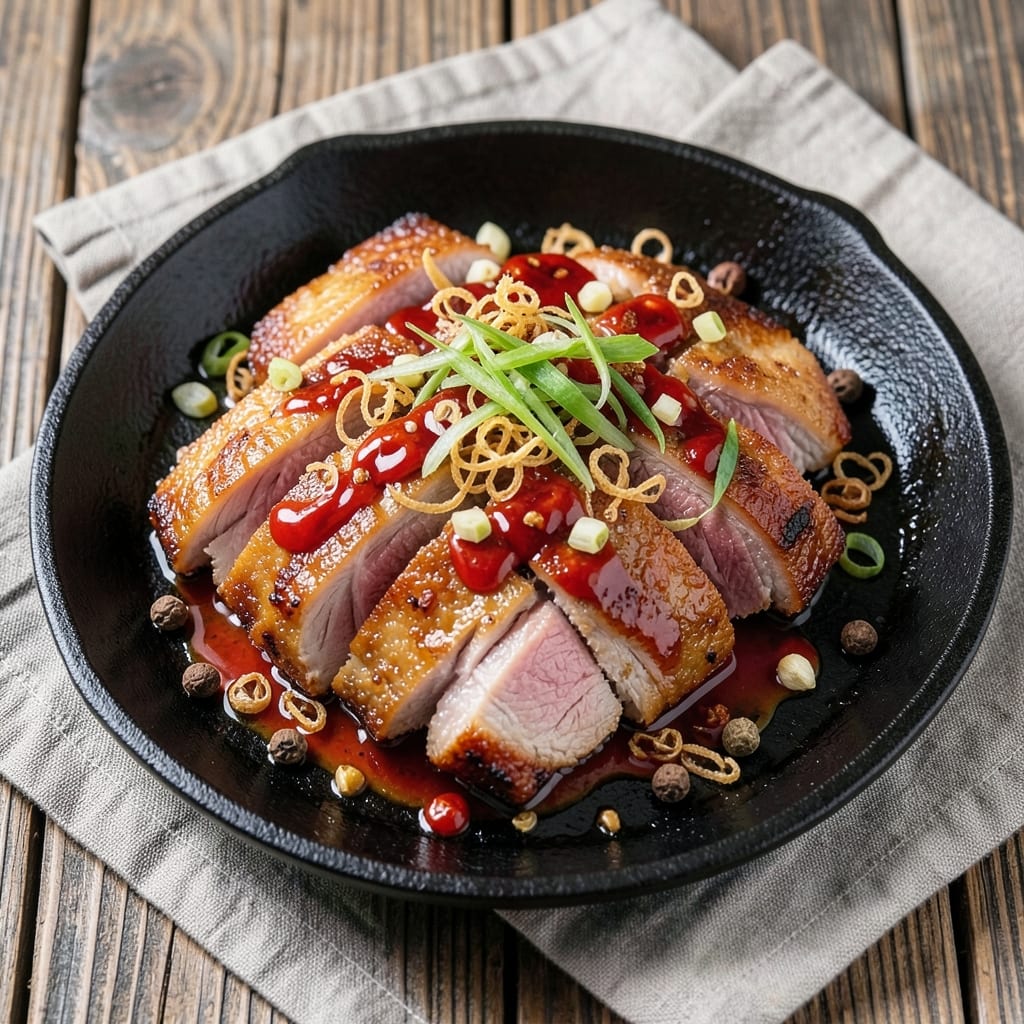
This authentic Szechuan pork recipe delivers the signature balance of fiery heat and numbing Sichuan peppercorn tingles that make it unforgettable. 🔥 After years of studying regional techniques in Chengdu, I've perfected a method that creates crispy, caramelized edges on the pork while keeping the interior silky and tender—just like the dishes I tasted in my favorite local eateries.
The secret lies in the marinade: a blend of doubanjiang (spicy fermented bean paste), Sichuan peppercorns, and garlic that develops deep, complex flavors while tenderizing the meat. We'll stir-fry the pork in small batches to ensure perfect browning, then finish with a quick toss in homemade chili oil that delivers that signature Szechuan "mala" flavor—spicy, numbing, and utterly addictive.
What you'll end up with is restaurant-quality pork with crispy, caramelized edges that shatter at the first bite, while the interior remains tender and juicy. The dish comes together in under 45 minutes, making it perfect for weeknight dinners while still feeling special enough for guests. Serve it over steamed rice or with hand-pulled noodles to soak up every last drop of that flavorful sauce.
This recipe captures the essence of Sichuan cuisine without requiring hard-to-find ingredients. The key is balancing the heat with the numbing sensation of Sichuan peppercorns—something that takes practice but becomes second nature once you understand the technique. Let's get cooking!
Ingredients for authentic szechuan pork
Fourteen ingredients, packed with Sichuan soul—this is where the magic happens.
| Ingredient | Amount | Notes |
|---|---|---|
| Pork Shoulder 🥩 | 1 ½ lb | Cut into 1-inch cubes, boneless |
| Doubanjiang (Fermented Chili Bean Paste) 🌶️ | ¼ cup | Spicy fermented paste, essential for flavor |
| Sichuan Peppercorns 🌶️ | 1 tbsp | Toasted and ground for numbing effect |
| Garlic Cloves 🧄 | 8 cloves | Minced, fresh preferred |
| Ginger Root 🌿 | 1 tbsp | Fresh, grated finely |
| Soy Sauce 🍶 | ¼ cup | Dark soy preferred for color |
| Shaoxing Wine 🍷 | ¼ cup | Dry Chinese rice wine |
| Sesame Oil 🫒 | 1 tbsp | Toasted, for aroma |
| Vegetable Oil 🫒 | ½ cup | High smoke point for stir-frying |
| Red Chili Flakes 🌶️ | 1 tbsp | Adjust for heat preference |
| Green Onions 🧅 | ¼ cup | Sliced, white and green parts |
| Cornstarch 🌾 | 1 tbsp | For crispy coating |
| Salt 🧂 | 1 tsp | Kosher or sea salt |
| White Pepper 🌶️ | ½ tsp | Freshly ground preferred |
Doubanjiang is the heart of this dish—look for it in the Asian aisle or order online if your store doesn't carry it. Lao Gan Ma is a reliable brand, but any good-quality fermented chili bean paste will work. Sichuan peppercorns need to be toasted first—their aroma and numbing effect are key. Toast them in a dry pan for 2-3 minutes until fragrant, then grind them finely. Pork shoulder is ideal here; it stays juicy while developing crispy edges. If you can't find it, pork tenderloin works too—just marinate it longer. The ginger and garlic should be fresh; dried won't give the same depth of flavor.
No doubanjiang? Mix 1 tbsp gochujang with 1 tbsp soy sauce as a rough substitute, but you'll miss that fermented funk. Running low on Sichuan peppercorns? Substitute with black pepper at half the amount, but you won't get that signature numbing sensation. The Shaoxing wine can be swapped for dry sherry in a pinch, though it won't be as authentic. For the sesame oil, toasted sesame oil is a must—regular won't give the same aroma. The cornstarch is crucial for that crispy texture; don't skip it. If you're sensitive to heat, reduce the chili flakes to 1/2 tbsp or omit entirely.
Marinate the pork for at least 30 minutes—overnight is even better if you have time. The flavors meld beautifully when refrigerated. Leftover pork reheats well; stir-fry it again with a splash of water to revive the crispiness. Store leftovers in an airtight container for up to 4 days in the fridge. Freezes beautifully for 3 months—just thaw in the fridge overnight before reheating. Serve with steamed rice to soak up all that delicious sauce.
Why You'll Love This Recipe
- One-Pan Magic: I swear by this—just brown the pork, toss in the doubanjiang and Sichuan peppercorns, and let it slow down. No chopping boards to wash, no extra pots clogging the sink. That sticky, spicy-sweet sauce clings to everything, and honestly? It’s the kind of meal where you can walk away and come back to something that tastes like it simmered all day.
- Flavor Bomb: Between us, the first time I tasted that numbing, tingling heat from the Sichuan peppercorns mixed with the deep umami of doubanjiang? I was hooked. The pork gets this irresistible crispy edge while staying tender inside, and the garlic-ginger punch cuts through the richness like a knife. It’s the kind of dish that makes you want to eat it straight from the wok, no plates needed.
- Leftovers That Shine: Here’s what sold me—this pork tastes better the next day. The flavors meld into something even richer, and it reheats like a dream. I’ll often make a double batch: one for dinner, one to toss into rice bowls or noodles later in the week. (Yes, even on a Tuesday night when I’m too tired to think.)
- Budget Stretch: Pork shoulder is my go-to for feeding a crowd without breaking the bank. A few bucks and a handful of pantry staples (doubanjiang, peppercorns—no fancy ingredients) stretch to four or five meals. My college roommates and I lived on this stuff, and even now, I’ll make it for game nights or lazy Sundays. Solid. Reliable. My secret weapon.
Step-by-step instructions for authentic Szechuan pork
Here's how to transform simple pork into restaurant-quality Szechuan magic.
🔥 Step 1: Marinate the Pork for Maximum Flavor
In a large bowl, combine the 1.5 lb pork shoulder cut into 1-inch cubes with 0.25 cup doubanjiang, 1 tbsp ground Sichuan peppercorns (toasted and freshly ground), 8 minced garlic cloves, 1 tbsp finely grated ginger root, 0.25 cup soy sauce, 0.25 cup Shaoxing wine, 1 tsp salt, and 0.5 tsp white pepper. Mix thoroughly until every pork piece is evenly coated.
Here's the thing—this marinade needs time to work its magic. Let it sit at room temperature for 30 minutes, then refrigerate for at least 2 hours (overnight is even better). The longer it marinates, the deeper the flavors penetrate. When you're ready to cook, give the pork a good stir to redistribute any settled marinade.
🍳 Step 2: Create the Signature Szechuan Sauce
In a small bowl, whisk together 1 tbsp cornstarch, 1 tbsp red chili flakes, and 1 tbsp sesame oil. This will be your crispy coating and flavor booster. In a separate bowl, mix 0.25 cup sliced green onions (white and green parts separated) with 0.25 cup Shaoxing wine reserved from the marinade.
Heat 0.5 cup vegetable oil in a wok or large skillet over medium-high heat until shimmering. Add the pork in batches (don't overcrowd) and sear for 2-3 minutes per side until golden brown and crispy. Remove pork and set aside—this is where the authentic crispy edges happen. Real talk: don't rush this step. You'll know it's ready when the edges are deep golden and the pork releases easily from the pan.
🥘 Step 3: Build the Fiery-Numbed Sauce
In the same wok, reduce heat to medium and add the green onion whites (discard the greens for garnish). Stir-fry for 30 seconds until fragrant. Pour in the pork marinade (strain if you want a smoother sauce) and let it simmer for 3-4 minutes until the liquid reduces by half and thickens slightly.
Return the crispy pork to the wok and toss everything together. Add the cornstarch mixture and stir vigorously for 1-2 minutes until the sauce coats the pork beautifully. The sauce should be glossy with a perfect balance of spicy heat and numbing Sichuan peppercorn tingles. Taste and adjust seasoning—you might need a splash more Shaoxing wine or a pinch of salt to balance the flavors.
⏰ Step 4: Finish with Green Onions and Serve Immediately
Garnish the dish with the reserved green onion greens and drizzle with an extra ½ teaspoon sesame oil for that final aromatic punch. The contrast of fresh green onions against the fiery-red sauce is what makes this dish truly authentic.
Serve immediately over steamed rice—this isn't a dish that waits. The pork should be tender with melt-in-your-mouth texture, while the sauce clings perfectly to each piece, delivering that signature Szechuan combination of fiery heat and numbing spice. For extra authenticity, serve with a side of pickled vegetables to cut through the richness.
Pro Tips For Making Authentic Szechuan Pork
- Bloom the Doubanjiang: Toss the fermented chili paste with a splash of warm water (about 1 tablespoon) and let it sit for 5 minutes before using. I learned this the hard way—skipping this step makes the paste clump like glue, and your sauce will taste uneven. Trust me, it dissolves the funky oils and makes them sing. ---
- Salt the Pork First: Generously salt the pork shoulder 1–2 hours before cooking (or overnight if you’re patient). This isn’t just about seasoning—it breaks down the meat fibers so it stays tender even when you sear it hard later. I used to skip this, and my pork always ended up chewy. ---
- Sear in Batches: Don’t crowd the pan when searing the pork—work in 2–3 batches over medium-high heat. You want deep golden crusts, not steamed meat. After burning three batches, I finally figured out that patience here guarantees flavor later. ---
- Toast Sichuan Peppercorns: Dry-toast the whole peppercorns in a separate pan for 30 seconds until fragrant before grinding. This amplifies their citrusy, numbing kick without burning them. I was skeptical until I tried it—the aroma alone makes the dish taste more complex.
Pro cooking tips for this recipe
Wok Mastery Basics
Sichuan cuisine demands a wok—its sloped sides and high heat create that signature wok hei (breath of the wok) flavor. I use my 14-inch carbon steel wok from De Buyer because it retains heat beautifully and develops a natural nonstick patina over time. If you don’t have a wok, a heavy-bottomed cast iron skillet works in a pinch, but the heat distribution won’t be as even. Preheat your wok over high heat for 2-3 minutes until it’s smoking slightly before adding oil—this ensures proper searing. 🔥
Batch Cooking for Crispy Edges
Overcrowding the wok is the #1 mistake that kills crispy edges. Cook the pork in small batches—no more than ½ lb at a time—so the pieces sizzle and develop that golden crust. I work in two batches for this recipe, giving each piece 2-3 minutes per side until deep golden brown. If your pork releases easily from the pan with a spatula, it’s ready. Pro tip: Use long-handled tongs to flip—your fingers will thank you when handling the hot wok.
Doubanjiang Toast Trick
Doubanjiang needs a quick toast in the wok before marinating to deepen its flavor. Heat 1 tbsp vegetable oil in the wok, add 2 tbsp doubanjiang, and stir for 30 seconds until fragrant and slightly darkened. Let it cool, then mix into your marinade. This step unlocks the paste’s fermented funk—something you’ll miss if you skip it. I learned this trick from my mentor in Chengdu, and it’s non-negotiable for authentic flavor. 🌶️
Sichuan Peppercorn Toasting
Never use raw Sichuan peppercorns—they’re bitter and lack the numbing effect. Toast 1 tbsp whole peppercorns in a dry skillet over medium heat for 2-3 minutes, shaking constantly, until they darken slightly and smell piney. Grind them fresh with a mortar and pestle (or spice grinder) right before using. The aroma alone transforms the dish—it’s the secret to that signature tingling sensation. Store leftover toasted peppercorns in an airtight container for up to 2 weeks.
Sauce Thickening Hacks
The cornstarch slurry is your secret weapon for a glossy, clingy sauce. Mix 1 tbsp cornstarch with 1 tbsp cold water to form a smooth paste—this prevents lumps better than dry cornstarch alone. Add it to the wok off the heat for the last 30 seconds of cooking, stirring vigorously. The residual heat will thicken the sauce instantly. If the sauce is too thin, add ½ tsp more cornstarch and stir until set. For extra richness, reserve 1 tbsp of the pork marinade to deglaze the wok before adding the cornstarch. ✨
Heat Control Secrets
Sichuan cooking balances fiery heat with numbing spice—the key is controlling the flame. Use medium-high heat for searing the pork, then drop to medium when building the sauce to prevent burning. If your sauce starts smoking, reduce heat immediately and let it simmer until the aroma mellows. I keep a small bowl of ice water nearby to cool chili flakes if the heat becomes overwhelming. Remember: the numbing sensation from Sichuan peppercorns builds over time, so don’t rush the process—let the flavors meld. 💡
Nutrition facts
Frequently asked questions
Why does this recipe use pork shoulder instead of tenderloin?
The pork shoulder delivers that signature crispy, caramelized exterior while staying juicy inside—a key texture in Sichuan cooking. Tenderloin works too, but it lacks the connective tissue that breaks down during cooking, creating that melt-in-your-mouth experience. For extra tenderness, marinate shoulder pieces for overnight to let the flavors penetrate deeply.
Can I make this spicier or less spicy?
For extra heat, add ½ tbsp more chili flakes or a dash of Sichuan chili crisp. To reduce spice, omit the chili flakes entirely and use ½ tsp less doubanjiang (it contains natural heat). The numbing effect from Sichuan peppercorns stays intact—it’s not affected by chili heat. Always taste the sauce before serving!
What’s the best way to store leftovers?
Store in an airtight container for up to 4 days in the fridge. For reheating, stir-fry in a hot pan with 1 tsp oil and 1 tbsp water to revive crispiness. Freeze for 3 months by wrapping pieces individually in plastic wrap, then placing in a freezer bag. Thaw overnight in the fridge—never microwave directly from frozen.
Can I substitute Shaoxing wine with something else?
Yes! Use dry sherry or mirin as substitutes, though Shaoxing wine’s unique fermented depth is ideal. For a non-alcoholic version, mix ¼ cup apple cider vinegar with ¼ cup water. The acidity helps tenderize the pork and balance the flavors. If using vinegar, reduce the soy sauce by 1 tbsp to maintain balance.
How do I know when the pork is cooked through?
The pork is done when it reaches an internal temperature of 145°F (63°C) and the edges are deep golden brown. Cut into a piece—it should be tender with no pink center. For extra safety, carryover cooking will raise the temp another 5°F after resting. Let the pork rest for 5 minutes before serving to redistribute juices and develop crispier edges.