
Main Courses
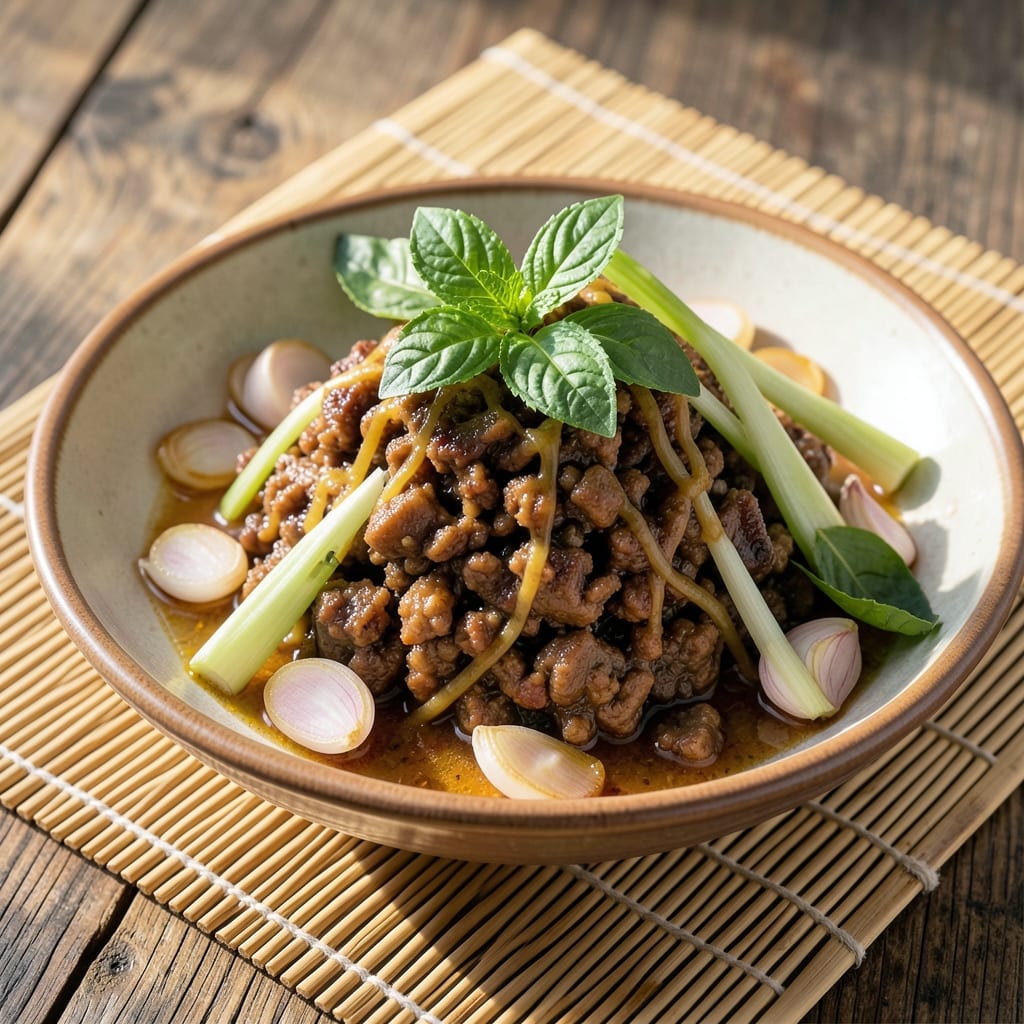
This authentic Thai minced pork recipe delivers restaurant-quality coconut curry with perfectly balanced spice and tender meat. The secret lies in marinating the pork with lemongrass, galangal, and kaffir lime—key aromatics that define Thai cuisine. I developed this version after years of perfecting the balance between sweet, sour, and spicy flavors, ensuring every bite transports you to Bangkok.
The process begins with a fragrant marinade that tenderizes the pork while infusing it with complex flavors. We then simmer it in a rich coconut curry broth, allowing the spices to meld into a velvety sauce. Unlike many Westernized versions, this recipe stays true to Thai techniques while making it accessible for home cooks. The result is a dish that's both comforting and vibrant.
What makes this recipe special is the perfect harmony of textures and flavors—tender minced pork, creamy coconut milk, and fresh herbs like cilantro and Thai basil. The dish is served with steamed jasmine rice to soak up every last drop of that fragrant sauce. Garnish with lime wedges and chili flakes for an authentic touch that elevates the experience.
This method works equally well for weeknight dinners or special occasions, and the flavors only improve with time. Whether you're serving it to family or guests, this authentic Thai minced pork curry will become a staple in your recipe rotation. Let's get started on creating this flavorful masterpiece.
Ingredients for authentic thai minced pork
These aromatic ingredients transform simple pork into restaurant-quality Thai coconut curry.
| Ingredient | Amount | Notes |
|---|---|---|
| Minced Pork 🐷 | 1 ½ lb | Ground pork preferred |
| Fresh Lemongrass 🌿 | 3 stems | White part only, finely chopped |
| Galangal 🍃 | 2 inches | Peeled, sliced into thin pieces |
| Kaffir Lime Leaves 🍋 | 4 whole | Bruised for aroma |
| Garlic Cloves 🧄 | 8 cloves | Minced finely |
| Shallots 🧅 | 6 whole | Peeled, thinly sliced |
| Red Curry Paste 🌶️ | 3 tbsp | Store-bought or homemade |
| Coconut Milk 🥥 | 1 can (13.5 oz) | Full-fat preferred |
| Fish Sauce 🐟 | 2 tbsp | Red Boat preferred |
| Palm Sugar 🍯 | 2 tbsp | Or brown sugar substitute |
| Thai Chili Peppers 🌶️ | 2 whole | Adjust for spice preference |
| Fresh Cilantro 🌿 | ¼ cup | Chopped for garnish |
| Thai Basil 🌿 | ¼ cup | Or regular basil if unavailable |
| Lime Juice 🍋 | 2 tbsp | Freshly squeezed |
| Jasmine Rice 🍚 | 1 ½ cups | Uncooked, for serving |
The galangal and lemongrass are non-negotiable for authentic flavor—Asian markets carry both fresh. Look for galangal with tight, smooth skin and vibrant color; it should smell citrusy. If you can't find galangal, extra ginger at half the amount works in a pinch. The red curry paste is the flavor backbone—Maesri or Maesri Gold are top-tier brands. For lemongrass, use the lower white part only; the green tops are tough. Store these aromatics in the freezer to preserve their potency for up to 3 months.
No kaffir lime leaves? Double the lime juice plus a bay leaf mimics the aroma. Fish sauce is essential—Red Boat is the gold standard, but any reputable brand works. Palm sugar adds depth; if unavailable, light brown sugar is a decent swap, though the flavor won't be identical. The Thai chilies should be bright red and firm—bird's eye chilies pack serious heat. For a milder version, remove seeds and membranes. The coconut milk must be full-fat; canned brands like Thai Kitchen ensure creaminess without watering down the sauce.
This curry tastes even better the next day as flavors meld. Store in an airtight container in the fridge for 4-5 days, or freeze portions for 3 months. The jasmine rice should be steamed separately and served alongside—it's crucial for soaking up that fragrant sauce. Garnish with fresh herbs just before serving; they wilt quickly if added too early. For leftovers, reheat gently on low heat to preserve the creamy texture.
Why You'll Love This Recipe
- Here’s what sold me: that first whiff of kaffir lime leaves and galangal simmering with garlic—it’s like a secret code for "I know what I’m doing." The pork stays juicy while the aromatics build layers of citrusy, peppery heat that lingers. Honestly, I’ve tried store-bought Thai pastes, but nothing beats the bright, herbal punch of fresh ingredients.
- I’ll be real: galangal and kaffir lime leaves sound fancy, but they’re cheaper than takeout and last longer. A single stalk of lemongrass and a few cloves of garlic stretch across multiple meals, and the minced pork? You can use whatever cut you have. It’s the kind of dish that makes expensive groceries feel unnecessary—because this tastes like a splurge, even when it’s not.
Step-by-step instructions for authentic Thai minced pork curry
This method delivers restaurant-quality Thai curry with balanced heat and aromatic depth.
🍳 Step 1: Prepare the Aromatic Base
Heat a large, heavy-bottomed pot over medium heat. Add the 1.5 lb minced pork and cook, stirring occasionally, until it loses its raw color and begins to brown—about 5-6 minutes. This step develops the meat's flavor and removes excess moisture.
Add the 6 whole shallots and 8 cloves garlic, cooking for another 2-3 minutes until the shallots soften and become translucent. This foundational step creates the curry's aromatic backbone. If the pork begins to stick, reduce heat slightly but don't add water—it's essential to build flavor through browning.
🍳 Step 2: Build the Curry Paste Foundation
Increase heat to medium-high and add the 3 tbsp red curry paste, stirring constantly for 1-2 minutes until it darkens slightly and releases its oils. This releases the paste's complex flavors and prevents a raw taste in your curry.
Add the 2 inches galangal and 3 stems lemongrass, stirring for another 1 minute until fragrant. The galangal should soften slightly but not disintegrate. Here's the thing—don't rush this step. The aromatic compounds need time to meld with the paste. If the mixture smells too sharp, add 1 tbsp water to help it release its flavors.
🍳 Step 3: Develop the Spiced Coconut Sauce
Pour in the 1 can (13.5 oz) coconut milk and stir gently to combine. Add the 4 whole kaffir lime leaves (lightly bruised), 2 whole Thai chili peppers (sliced), and 2 tbsp palm sugar. Bring to a gentle simmer over medium heat.
Simmer uncovered for 10-12 minutes, stirring occasionally, until the sauce thickens slightly and the coconut milk separates into a creamy layer on top. This separation is normal and actually enhances the curry's texture. If the sauce reduces too quickly, add ¼ cup water to maintain the proper consistency.
🍳 Step 4: Season and Finish
Remove from heat and stir in the 2 tbsp fish sauce and 2 tbsp lime juice. Taste and adjust seasoning—you want a perfect balance of sweet, sour, salty, and spicy. The curry should be vibrant but not overpowering. Add more fish sauce for saltiness, lime juice for acidity, or palm sugar for sweetness as needed.
Return to low heat and let it warm through for 2 minutes. Remove the kaffir lime leaves and chili peppers (unless you want extra heat). Stir in the 0.25 cup Thai basil and 0.25 cup cilantro just before serving to preserve their fresh flavors.
🍚 Step 5: Serve with Jasmine Rice
Cook the 1.5 cups jasmine rice separately according to package instructions until tender and fluffy. Serve the curry hot over the rice, garnished with additional Thai basil and cilantro if desired. The rice should soak up the rich coconut sauce beautifully, creating the perfect balance of textures.
This authentic Thai minced pork curry delivers the perfect harmony of flavors—creamy coconut, aromatic spices, and tender pork. The key to success lies in patience during the simmering process, allowing all the flavors to develop fully. Each bite should offer a perfect balance of heat, creaminess, and umami richness.
Pro Tips For Making Authentic Thai Minced Pork
- Bruise the Galangal: Slap the galangal against the counter with the flat side of your knife hard—I learned this the hard way after slicing it thin and getting a weak, watery flavor. You want it to release its oils and aroma, not just look pretty. ---
- Pound the Lemongrass: Use the side of your knife to crush the lemongrass stalks before slicing—this breaks open the fibrous center and makes the flavor punch through the pork. Skip this, and you’ll taste the difference in every bite. ---
- Don’t Overcrowd the Pan: Cook the pork in batches if needed—crowding steams it instead of searing, and you’ll end up with greasy, unevenly browned meat. A hot pan and space let those edges crisp properly. ---
- Toast the Aromatics First: Sauté garlic and galangal in oil until they just start to color—about 30 seconds—before adding lemongrass and lime leaves. This builds depth; skipping it means your dish tastes flat, like it’s missing something.
Best sauces and condiments for this authentic thai minced pork
Classic Thai Red Curry
This is the foundation of your dish—the red curry paste brings the authentic Thai flavor profile. I recommend Maesri Gold curry paste for its balanced heat and aromatic depth. The paste contains lemongrass, galangal, kaffir lime, and Thai chilies, so you'll still need to add fresh galangal and lemongrass for maximum flavor. For a milder version, reduce the paste to 2 tbsp and add 1 tbsp sweet potato starch to thicken the sauce. 🌶️
Coconut Milk Variations
Full-fat coconut milk is non-negotiable for authentic texture, but you can experiment with different brands. Thai Kitchen or Chaokoh provide the creamiest results. For a lighter version, use ½ can full-fat and ½ can light coconut milk, though the sauce will be slightly thinner. Never use coconut cream—it's too thick and will make your curry heavy. If you can't find coconut milk, Goya coconut milk is a decent supermarket substitute.
Fish Sauce Balance
The Red Boat fish sauce is essential for that signature umami depth. Start with 2 tbsp and adjust to taste—it's salty but adds complexity. For a vegetarian version, replace it with 2 tbsp soy sauce plus 1 tbsp miso paste. If your fish sauce is too strong, balance it with ½ tsp sugar or a splash of lime juice. Never skip this step—it's what makes Thai curry taste authentic. 🐟
Sweet-Sour Harmony
Palm sugar is the traditional sweetener, but light brown sugar works in a pinch. For extra depth, add 1 tsp turmeric when building the sauce—it enhances the coconut flavor. The lime juice should be freshly squeezed; bottled juice lacks the bright acidity. If your curry tastes too sweet, add 1 extra tbsp lime juice or a pinch of salt. The perfect balance should make your taste buds dance between sweet, sour, and spicy.
Fresh Herb Garnishes
Thai basil and cilantro are non-negotiable for that restaurant-quality finish. Add them just before serving to preserve their freshness. For extra flavor, lightly toast 1 tbsp roasted peanuts and sprinkle on top. If you can't find Thai basil, holy basil works well. Garnish with lime wedges and Thai chili slices for the full experience. The herbs should add a bright, herbal note that cuts through the richness of the coconut sauce.
Spice Level Control
Thai chilies pack serious heat—start with 1 chili if you're sensitive to spice. For a smoky finish, add ½ tsp smoked paprika when building the sauce. If your curry is too spicy, balance it with 1 extra tbsp palm sugar or a splash of coconut milk. For a fruity twist, stir in 1 tsp mango puree at the end. The key is to build layers of flavor—start with the base, then adjust heat and acidity at the end. 🌶️
Nutrition facts
Frequently asked questions
Can I substitute ground beef for the minced pork?
While ground beef works in a pinch, pork is traditional for its tender texture and ability to absorb flavors. If substituting, use 80% lean ground beef and add 1 tbsp extra fish sauce to compensate for the different fat content. For the most authentic result, stick with pork—it's what Thai chefs use in classic dishes like Larb Moo or Khao Soi.
What if I can't find galangal or kaffir lime leaves?
Galangal can be replaced with extra ginger (1 tsp per inch of galangal), though the flavor won't be identical. For kaffir lime leaves, use double the lime juice (4 tbsp) plus 1 bay leaf to mimic the aroma. These substitutes work better than skipping them entirely—they're the aromatic soul of Thai curry!
How can I make this curry less spicy?
Start by using 1 Thai chili pepper instead of 2, and remove the seeds/membranes. For extra mildness, add 1 tbsp more palm sugar or ½ cup coconut milk at the end. The key is balancing heat with sweetness and creaminess—this curry should dance on your tongue, not burn!
Can I make this ahead of time?
Yes! This curry tastes even better the next day as flavors meld. Store in an airtight container in the fridge for 4-5 days or freeze for 3 months. Reheat gently on low heat with a splash of water to restore creaminess. The rice should be cooked fresh to avoid sogginess.
What's the secret to balancing all the flavors?
The magic happens in the final seasoning: fish sauce (umami), lime juice (acidity), palm sugar (sweetness), and Thai chilies (heat). Taste as you go—start with the base recipe, then adjust one element at a time. The goal is harmony: each flavor should complement the others without overpowering.