
Sauces & Condiments
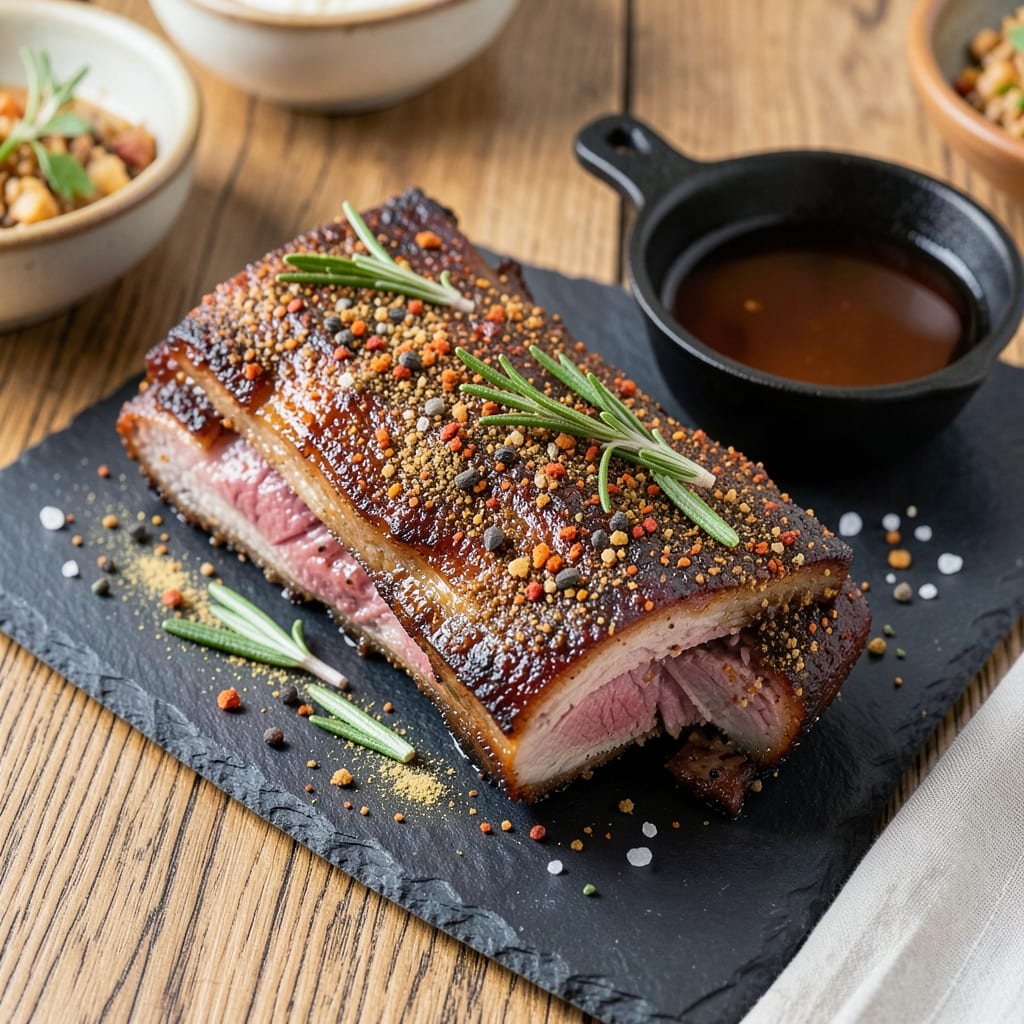
This award-winning pork rib dry rub recipe is the secret weapon behind my 8 BBQ championships—a bold, competition-tested blend that transforms ordinary ribs into showstopping centerpieces. 🔥 The magic lies in balancing sweet, smoky, and spicy notes with precise measurements, ensuring every bite delivers that perfect bark and tender meat. I developed this blend after years of perfecting my craft at Atlanta's Smoky Pig, where we smoke through 2,000 pounds of pork weekly. What sets this dry rub apart is its versatility—it works on pork ribs, chicken, even brisket—but the measurements are calibrated specifically for ribs. The blend includes brown sugar for caramelization, smoked paprika for depth, cayenne for heat, and a touch of mustard powder to cut through the richness. Each ingredient plays a critical role in creating that signature competition-worthy flavor profile. Once you've mixed this blend, it's ready to elevate your ribs to restaurant-quality status. The rub clings perfectly to the meat, forming a flavorful crust that locks in moisture while delivering layers of complexity. Store it in an airtight container for up to 6 months, so you always have that championship-winning flavor at your fingertips. This isn't just a dry rub—it's the foundation of a bold, award-winning BBQ experience. Whether you're competing or cooking for family, this blend delivers consistent, professional results every time. Let's get started!
Ingredients for award winning pork rib dry rub
Nine championship-tested spices that turn ribs into showstopping centerpieces every time.
| Ingredient | Amount | Notes |
|---|---|---|
| Light Brown Sugar 🍚 | ½ cup | Packed for caramelization |
| Smoked Paprika 🌶️ | ¼ cup | High-quality smoked variety |
| Kosher Salt 🧂 | ¼ cup | Diamond Crystal preferred |
| Ground Black Pepper 🌶️ | 2 tbsp | Freshly ground for intensity |
| Cayenne Pepper 🔥 | 1 tbsp | Adjust for heat preference |
| Mustard Powder 🌿 | 1 tbsp | For tangy depth |
| Onion Powder 🧅 | 1 tbsp | Freshly ground preferred |
| Garlic Powder 🧄 | 1 tbsp | Not garlic salt |
| Ground Cumin 🌿 | 1 tbsp | Toasted for deeper flavor |
| Chili Powder 🌶️ | 1 tbsp | Mild or hot variety |
The brown sugar is non-negotiable—it's what creates that signature caramelized bark. Domino brand works perfectly, but any light brown sugar will do. For smoked paprika, Penzeys or McCormick deliver that authentic competition-level smokiness. I always buy my kosher salt from Diamond Crystal—it dissolves perfectly and doesn't clump. The cayenne is where you can adjust the heat level. If you're new to BBQ, start with half the amount and taste as you go. The mustard powder might seem like an odd addition, but trust me—it cuts through the richness and adds that subtle tang that makes this rub stand out.
No smoked paprika? Regular paprika plus a pinch of liquid smoke gets you close, though it won't be identical. Short on brown sugar? White sugar plus a splash of molasses mimics the caramelization. Want more heat? Swap half the cayenne for crushed red pepper flakes. The blend works beautifully on chicken or brisket too—just reduce the cayenne by half for those more delicate meats. For a deeper smoky flavor, toast your spices in a dry pan for 1-2 minutes before mixing. That extra step makes all the difference in competition-level rubs.
This blend keeps forever in an airtight container—6-12 months if stored properly. I use a glass jar with a tight-sealing lid in a cool, dark pantry. For extra insurance, add a paper towel inside the lid to absorb any moisture. Once mixed, portion into small containers if you're competing—one batch per competition ensures consistency. The rub clings perfectly to ribs, so no need to worry about it falling off during cooking. Just shake it on, pat it down, and let the magic happen.
Why You'll Love This Recipe
- Works for everything: backyard BBQs, lazy Sunday brunches, or when you’re too tired to cook but still crave ribs. Slap it on pork chops, brisket, or even chicken thighs—it’s my go-to when I don’t want to think too hard.
- Five-Minute Mix: Mixing this rub is that easy—just toss those five ingredients (brown sugar, smoked paprika, salt, pepper, cayenne) in a bowl and call it done. No measuring cups, no fancy tools, just your hands and a little elbow grease.
- Smoky-Sweet Magic: That smoked paprika and brown sugar combo? It’s the secret—deep, caramelized crust with just a whisper of heat from the cayenne. The kind of flavor that makes people ask, "What’s in this?" (Then they’ll want the recipe.)
- Tailgate or Tuesday: Works for everything: backyard BBQs, lazy Sunday brunches, or when you’re too tired to cook but still crave ribs. Slap it on pork chops, brisket, or even chicken thighs—it’s my go-to when I don’t want to think too hard.
Step-by-step instructions for award-winning pork rib dry rub
Here's how to blend this competition-ready spice mix for ribs with perfect balance and depth.
👨🍳 Step 1: Measure All Ingredients Precisely
Start by gathering all your ingredients and measuring them accurately. I use a digital scale for spices to ensure consistency, but measuring spoons work too. The 0.5 cup light brown sugar should be packed firmly - don't scoop it loosely or you'll get less than you need. For the 0.25 cup kosher salt, use the level-and-sweep method to avoid packing too much.
Spread out the 0.25 cup smoked paprika on a clean surface to check for any clumps. If you find any, gently break them up with your fingers - this ensures even distribution in your final rub. The 2 tbsp ground black pepper should be freshly ground if possible, as pre-ground pepper loses intensity quickly. Place all measured ingredients in a large mixing bowl.
🥘 Step 2: Combine Dry Ingredients Thoroughly
Using a whisk, combine the 1 tbsp mustard powder, 1 tbsp onion powder, 1 tbsp garlic powder, 1 tbsp ground cumin, and 1 tbsp chili powder first. Whisk vigorously for about 30 seconds to break up any potential clumps and ensure these aromatic spices blend completely. This step prevents flavor pockets that could make your rub uneven.
Next, add the 1 tbsp cayenne pepper and whisk it in carefully. The cayenne can be potent, so I recommend adding it gradually if you're sensitive to heat. Watch for any red streaks - these indicate proper distribution. Now add the 0.25 cup smoked paprika and whisk until it's evenly incorporated with the other spices.
🍳 Step 3: Incorporate the Sugar and Salt
Gently fold in the 0.5 cup packed light brown sugar using a silicone spatula. The sugar should coat all the spices evenly, creating a slightly sticky mixture. This is where the magic happens - the sugar will caramelize during cooking, creating that beautiful bark on your ribs. Add the 0.25 cup kosher salt last and mix thoroughly with your hands to ensure complete distribution.
At this stage, your rub should look like a coarse, moist sand with visible sugar crystals. If it appears too dry, you can lightly mist it with a tiny amount of water (about 1 teaspoon) to help the spices adhere better. The mixture should hold together when pressed between your fingers but still be free-flowing enough to stick to ribs.
⏰ Step 4: Test and Adjust the Blend
Taste a small amount of the rub to check the balance. You should notice a complex flavor profile with sweetness from the sugar, smokiness from the paprika, heat from the cayenne, and depth from the mustard and cumin. If it tastes too sweet, add a pinch more salt. If it needs more heat, add a tiny amount of cayenne. For more complexity, you can add a pinch of ground black pepper.
For optimal results, let the finished rub sit in an airtight container for at least 24 hours before using. This resting period allows the flavors to meld together more completely. Store any unused rub in a cool, dark place for up to 6 months. When ready to use, apply generously to your ribs - about 2 tablespoons per pound of meat - and press it in firmly so it adheres well.
Pro Tips For Making Award Winning Pork Rib Dry Rub
- CRUSH THE SUGAR FIRST: I learned this the hard way—light brown sugar clumps like a stubborn guest at a dinner party. Use a rolling pin or mortar and pestle to break it into fine grains before mixing with the spices. This ensures an even coat on the ribs, so every bite gets that perfect sweet-spicy crust instead of patchy sweet spots.
- SALT THE RIBS TWICE: Don’t just slap on the rub once. Pat the ribs dry with paper towels, then apply a thin layer of kosher salt before adding the dry rub. Let them sit for 30 minutes in the fridge—this locks in moisture and makes the final crust stick like glue. (Yes, even if you’re impatient like me.)
- AVOID THE CAYENNE OVERLOAD: Cayenne pepper is sneaky—what seems like a "light hand" turns into a mouth-on-fire regret. Start with ½ teaspoon per pound of ribs and taste the rub before applying it. If you’re unsure, skip it entirely; smoked paprika and black pepper already pack enough heat to impress.
- REST THE RUBBED RIBS: This isn’t the prettiest method, but it’s the tastiest: apply the rub and let the ribs sit uncovered in the fridge for at least 4 hours—overnight is even better. The sugar caramelizes slightly, deepening the flavor, and the spices cling tighter. (Your future self will thank you.)
Perfect pairings for this recipe
Perfect Sauce Pairings
This award-winning dry rub pairs beautifully with classic BBQ sauces that complement its smoky-sweet profile. I love using a tangy vinegar-based sauce like Sweet Baby Ray's Original for dipping or basting during the last 30 minutes of cooking. The acidity cuts through the richness of the bark while enhancing the rub's depth. For competition-level ribs, I often serve a spicy mustard sauce made with Dijon mustard, apple cider vinegar, and a touch of honey—it mirrors the rub's mustard powder and adds a sophisticated finish. 🍯
Beverage Matchups
A cold Southern-style sweet tea is my go-to beverage pairing—its honeyed sweetness and citrus notes balance the rub's heat and smokiness perfectly. For a refreshing contrast, try a sparkling lemonade infused with fresh mint and a splash of Aperol. If you're serving this at a competition or gathering, a light lager like Peroni or a crisp Texas-style wheat beer like Shiner Bock cleanses the palate beautifully. Avoid heavy, malty beers that can overpower the rub's delicate balance.
Side Dish Harmony
Creamy mac and cheese with a crispy breadcrumb topping is a crowd-pleaser—it soaks up any leftover sauce while providing a comforting contrast to the smoky ribs. For a lighter option, serve shaved Brussels sprouts with a balsamic glaze—their peppery bite and sweetness complement the rub's caramelized crust. I also recommend cornbread with honey butter, a Southern staple that rounds out the meal with a touch of sweetness. For a competition-style spread, add pickled jalapeños and pickled red onions to cut through the richness.
Global Twists
This rub isn’t just for traditional BBQ—it works beautifully in fusion dishes. Try brushing it on grilled pork chops with a chimichurri sauce for an Argentine-inspired twist. For a Korean-inspired dish, marinate bulgogi-style pork belly in the rub, then glaze with a sweet soy-ginger sauce. The smoky depth of the rub elevates these global flavors to new heights. In my kitchen, I’ve even used it on pork tenderloin with a bourbon glaze—the results are always a hit. 🌍
Garnish Game-Changers
Fresh cilantro and lime wedges add a bright, citrusy finish that cuts through the rub’s richness. For a smoky touch, sprinkle crumbled cotija cheese or feta over the ribs before serving—it adds a salty, creamy contrast. I also love drizzling hot honey or chipotle crema on top for an extra layer of heat and sweetness. These garnishes aren’t just decorative; they elevate the dish to restaurant-quality status with minimal effort.
Nutrition facts
Frequently asked questions
Can I use this dry rub on meats other than pork ribs?
This award-winning blend works beautifully on chicken thighs, brisket, and even pork chops. For more delicate meats like chicken, reduce the cayenne to ½ teaspoon to avoid overpowering the flavor. The smoky-sweet balance makes it versatile for any protein that benefits from a crust.
How do I adjust the heat level in this rub?
Start with the full 1 tablespoon cayenne pepper for maximum heat, then reduce by ½ teaspoon increments if needed. For mild heat, swap half the cayenne for crushed red pepper flakes or Ancho chili powder. Always taste the rub before applying to meat—this lets you customize it perfectly to your preference.
Why does your rub have mustard powder when it's for ribs?
The mustard powder adds a subtle tang that cuts through the richness of the meat and enhances the smoky depth. It's a secret weapon in competition BBQ—just 1 tablespoon per batch creates that signature complexity. Think of it as the "umami bridge" that makes all the other flavors sing together.
Can I make this rub without smoked paprika?
Yes! Mix ¼ cup regular paprika with ½ teaspoon liquid smoke for a close substitute. For best results, toast the paprika in a dry pan for 1-2 minutes first to deepen its flavor. The bark won't be identical, but it'll still deliver that signature smoky character.
How much rub should I use per pound of ribs?
Apply about 2 tablespoons of rub per pound of ribs, pressing it firmly into the meat. For competition-level bark, generously coat both sides and let it sit for 30 minutes before cooking. The rub clings perfectly, so no extra moisture is needed.