
Main Courses
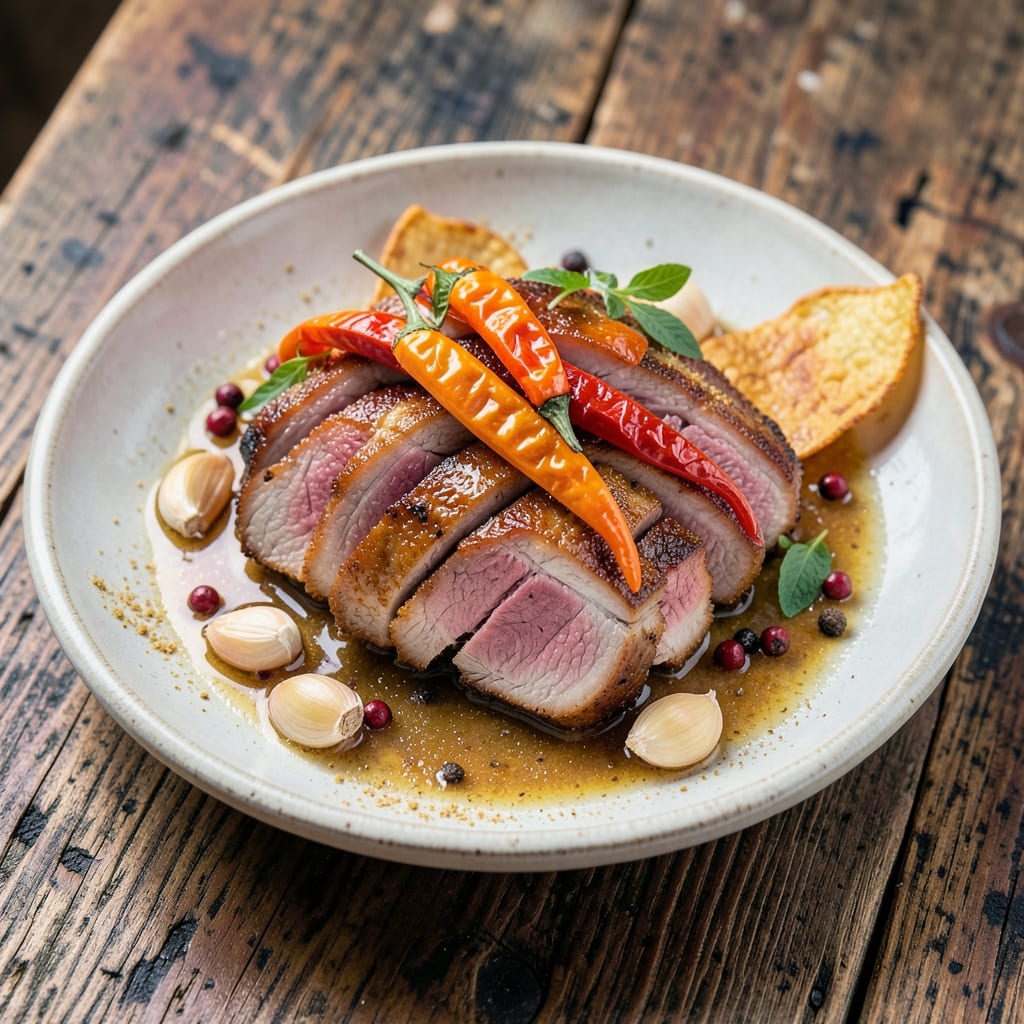
This Bajan pork souse recipe brings the bold flavors of Caribbean tradition to your kitchen with its signature vinegar-braised tenderness. 🌟 Born from the islands of Barbados, this dish transforms tough pork cuts into melt-in-your-mouth perfection through a slow, spiced cure and simmer. As someone who's spent years perfecting whole-hog cooking, I can tell you this method is where true island soul meets restaurant-quality technique.
The magic lies in the curing process—pork is marinated in a tangy blend of vinegar, garlic, and aromatic spices before simmering until fork-tender. This isn't just a recipe; it's a celebration of Caribbean heritage where every bite carries the warmth of island gatherings. The result? Pork so flavorful it practically falls apart, with a vinegar-kissed brightness that balances rich, savory depth.
What makes this dish special is its versatility—serve it at festivals with festival, alongside cou-cou, or with fresh breadfruit for an authentic Bajan meal. The slow-cooked method means you can prepare it ahead, letting flavors deepen over time. Perfect for weekend feasts or special occasions, this recipe delivers restaurant-quality results with a touch of island magic.
Ready to master this Caribbean classic? Let's dive into the step-by-step process that transforms simple pork into a dish worthy of any celebration. The key is patience—just like the slow-cooked traditions of the islands themselves.
Ingredients for bajan pork souse
Six pounds of pork shoulder and Caribbean spices transform into melt-in-your-mouth island tradition.
| Ingredient | Amount | Notes |
|---|---|---|
| Pork Shoulder (Boston Butt) 🥓 | 4 lb | Tough cut preferred, bone-in for flavor |
| White Vinegar 🍶 | 2 cups | Distilled preferred for clarity |
| Garlic Cloves 🧄 | 8 cloves | Freshly minced for aromatic depth |
| Scotch Bonnet Peppers 🌶️ | 2 whole | Seeds removed for mild heat |
| Allspice Berries 🌿 | 1 tbsp | Ground or whole, toasted |
| Ground Ginger 🌱 | 1 tbsp | Fresh grated preferred |
| Thyme Leaves 🌿 | 1 tbsp | Fresh preferred, stems removed |
| Bay Leaves 🍃 | 2 whole | Dried, standard size |
| Salt 🧂 | 2 tbsp | Diamond Crystal preferred |
| Black Peppercorns 🌶️ | 1 tsp | Freshly cracked |
| Brown Sugar 🍚 | ½ cup | Light or dark preferred |
| Onion 🧅 | 1 whole | Yellow, roughly chopped |
| Fresh Cilantro 🌿 | ¼ cup | Chopped, for garnish |
| Water 💧 | 2 cups | Filtered preferred |
The pork shoulder is the foundation—bone-in cuts from local butcher shops deliver the most authentic flavor, though grocery store options work fine. Look for well-marbled sections, as the fat renders during slow cooking for rich texture. Scotch bonnet peppers are essential for that signature Bajan heat, though habanero can substitute at half the quantity. Allspice berries should be toasted lightly before grinding to deepen their aroma. For the best vinegar, distilled white ensures clarity without overpowering the dish. Caribbean markets often carry pre-ground spices, but Penzeys or bulk bins at Whole Foods offer superior quality if you're stocking your pantry.
No Scotch bonnet? Jamaican hot peppers work well, but reduce to one pepper for similar heat. Fresh ginger is ideal, but ground ginger at half the amount suffices. Dried thyme can replace fresh, though Mexican oregano adds a closer Caribbean profile. The brown sugar balances acidity—demerara adds a caramel note if available. For a deeper flavor, char the onion slightly before adding. Pre-minced garlic saves time, but freshly minced releases more aroma. Cracked peppercorns should be toasted briefly in a dry pan for maximum punch. Vegetable broth can replace half the water for extra depth, though traditionalists insist on plain water.
Store the cured pork in the refrigerator for up to 24 hours before cooking to allow flavors to meld. Once simmered, the souse keeps for 4-5 days in the fridge or 3 months frozen. Portion into containers for easy reheating—microwave-safe works best. For serving, garnish with fresh cilantro just before eating. Leftovers reheat beautifully—simmer gently to preserve texture. Double the batch if entertaining; the flavors intensify overnight. Reuse the cooking liquid for rice or stews—it's packed with flavor.
Why You'll Love This Recipe
- One-Pot Magic: I swear by this recipe when I’m too tired to juggle pots. Toss the pork, vinegar, garlic, and peppers in one deep pan—no chopping boards, no extra bowls. The vinegar tenderizes the meat while the Scotch bonnet peppers infuse that signature heat in minutes, not hours.
- Flavor Explosion: Between us, that allspice berry and vinegar combo is chef’s kiss—tangy, smoky, with just enough kick to wake up your taste buds. The pork shoulder stays juicy and melts in your mouth, while the crust gets perfectly crispy. It’s the kind of dish that makes you go back for seconds without even thinking.
- Party in a Pan: This is my secret weapon for gatherings—whether it’s a Sunday family lunch or a last-minute potluck. Serve it with breadfruit, dumplings, or even just crackers, and everyone will ask for the recipe. (I’ll hand it over, but only if you promise not to hog it all.)
- Budget-Friendly Leftovers: Pork shoulder is cheap, and this recipe stretches it into a week’s worth of meals. The vinegar marinade keeps it fresh, so I can reheat slices for breakfast hash or toss them into fried rice. Honestly, I’ve had it cold in sandwiches, and it’s still delicious. That’s the kind of versatility I live for.
Step-by-step instructions for Bajan pork souse
Master this Caribbean classic with precise technique and bold island flavors.
🍳 Step 1: Prepare the Spiced Vinegar Marinade
In a large bowl, combine the 2 cups white vinegar, 0.5 cup brown sugar, and 2 tbsp salt. Stir until the sugar and salt fully dissolve, creating a clear liquid base. This forms the foundation of the souse's signature tangy-sweet profile.
Add the 8 cloves garlic cloves (minced), 2 whole Scotch bonnet peppers (seeds removed and chopped), 1 tbsp allspice berries, 1 tbsp ground ginger, 1 tbsp thyme leaves, 2 whole bay leaves, and 1 tsp black peppercorns. Mix thoroughly to distribute the spices evenly throughout the marinade. The Scotch bonnet peppers will infuse subtle heat while the allspice and ginger provide deep aromatic complexity.
Let this marinade sit at room temperature for 30 minutes while you prepare the pork. This allows the spices to fully steep and develop their flavors before contact with the meat. The marinade should smell vibrant and complex—like a cross between sweet vinegar, warm spices, and a hint of tropical heat.
🔪 Step 2: Trim and Score the Pork Shoulder
Rinse the 4 lb pork shoulder (Boston butt) under cold water and pat it completely dry with paper towels. This step is critical for developing crispy edges during cooking. Trim any excess fat, leaving about ¼ inch of fat cap—this protects the meat while rendering flavor.
Using a sharp boning knife, score the surface of the pork in a diamond pattern, cutting about ½ inch deep. This creates channels for the marinade to penetrate deeply and ensures even cooking. Place the scored pork in a large resealable plastic bag and pour in the prepared marinade, coating it thoroughly. Seal the bag and massage the marinade into the meat, working it into all the scored channels.
Refrigerate the pork in the marinade for at least 12 hours (overnight is ideal). This extended marination breaks down connective tissue, resulting in fork-tender meat. The acid in the vinegar also begins to tenderize the collagen, which will transform into gelatin during cooking, creating that signature melt-in-your-mouth texture.
🔥 Step 3: Braise the Pork Until Fork-Tender
Preheat your oven to 300°F. Remove the pork from the marinade (reserve the marinade for later) and place it fat-side up in a Dutch oven. Pour the reserved marinade over the pork, then add the 1 whole onion (roughly chopped) and 2 cups water. The liquid should come about halfway up the sides of the pork.
Cover the Dutch oven with a tight-fitting lid and transfer it to the oven. Braise the pork for 4-5 hours until it reaches an internal temperature of 195-205°F and a fork slides in effortlessly. The meat should pull apart easily with minimal resistance, indicating complete collagen breakdown. The cooking liquid will reduce significantly, creating a rich, concentrated sauce.
Check the pork after 3 hours—if the liquid reduces too quickly, add ½ cup water to maintain adequate moisture. The pork is done when it's fork-tender and the sauce has thickened into a glossy, aromatic glaze. This low-and-slow cooking method is essential for transforming tough pork shoulder into tender, flavorful souse.
🥘 Step 4: Rest and Shred the Pork
Remove the pork from the oven and transfer it to a cutting board. Tent loosely with aluminum foil and let it rest for 30 minutes. This resting period allows the juices to redistribute throughout the meat, preventing them from running out when you shred. The temperature will rise about 5-10°F during this time, ensuring perfect doneness.
While the pork rests, skim any excess fat from the cooking liquid in the Dutch oven. Return the sauce to medium heat and reduce it for 5-7 minutes until it thickens slightly. This step intensifies the flavors and creates a perfect sauce for serving. The reduced sauce should coat the back of a spoon with a glossy sheen.
Using two forks, shred the pork into ½-inch thick strands, discarding any large fat chunks. Toss the shredded pork with the reduced sauce to coat evenly. The meat should be tender enough to pull apart with minimal effort, with no chewy or tough pieces remaining. The final product should have a beautiful mahogany color from the caramelized spices and a rich, complex flavor profile.
🍽️ Step 5: Serve with Fresh Garnish
Transfer the shredded pork to a serving platter and sprinkle with 0.25 cup chopped fresh cilantro. The bright, citrusy notes of the cilantro cut through the richness of the pork and add a fresh finish. Serve the souse immediately with the reduced sauce spooned over the top and around the edges of the platter.
This traditional Bajan dish is best enjoyed with warm fried dumplings or steamed white rice to soak up the flavorful sauce. The combination of tender pork, tangy-sweet marinade, and aromatic spices creates a dish that's both comforting and vibrant—a true taste of the Caribbean. Each bite should deliver layers of flavor: the heat from the Scotch bonnet, the warmth of the allspice, and the sweet-tangy balance of the vinegar braise.
Pro Tips For Making Bajan Pork Souse
- Trim the Fat First: Cut the pork shoulder into 2-inch chunks before adding vinegar—this lets the acid penetrate deeper and keeps the meat tender. I used to skip this, and the souse always turned out chewy near the edges. Trust me, the extra 10 minutes of prep saves you from tough bites later. ---
- Toast the Allspice: Dry-toast the whole allspice berries in a skillet for 30 seconds until fragrant—this unlocks their flavor way better than raw. Sounds weird, but it works: my first batch tasted flat until I did this, and now it’s the thing that makes the dish sing. ---
- Simmer Slow and Low: Keep the heat at a bare simmer (tiny bubbles, not rolling) for at least 3 hours—rushing it makes the vinegar taste harsh and the meat stringy. I learned this the hard way after a 2-hour attempt that tasted like pickled pork instead of souse. ---
- Strain the Peppers: Remove the Scotch bonnet peppers after 2 hours of cooking—this lets the heat mellow while keeping the flavor. Leave them in too long, and you’ll end up with a mouthful of fire instead of a balanced punch. (Yes, even if you love heat.)
Storing and reheating your leftovers
Refrigerator Storage
Once your Bajan pork souse is fully cooked and shredded, let it cool to room temperature for no more than 2 hours before refrigerating. I store it in glass airtight containers—like Pyrex with snap-on lids—to maintain freshness. The flavors actually deepen overnight as the spices meld further. Keep it at 40°F or below for up to 4-5 days. The vinegar marinade helps preserve the meat, preventing spoilage while keeping it moist. 💫
Freezer Preservation
For long-term storage, portion the souse into freezer-safe containers or quart-sized freezer bags, leaving 1 inch of headspace for expansion. Seal tightly to prevent freezer burn. This dish keeps its quality for up to 3 months in the freezer. When ready to eat, thaw overnight in the refrigerator—never at room temperature—to preserve texture and prevent bacterial growth. The slow thaw maintains the meat's tenderness, so you won't sacrifice quality. ❄️
Reheating Methods
For the best texture, reheat your souse in a heavy-bottomed pot on the stovetop. Add 2-3 tablespoons of water or broth to prevent drying, then simmer over medium-low heat for 10-15 minutes, stirring occasionally. This gentle method keeps the meat moist and the sauce glossy. Avoid high heat—it can make the pork tough again. For quick meals, microwave individual portions covered with a damp paper towel on 70% power for 2-3 minutes, stirring halfway. 🔥
Sauce Revival
The reduced sauce from cooking often thickens further when reheated. If it becomes too stiff, add 1-2 tablespoons of water or vinegar to loosen it back to a pourable consistency. I like to reheat the sauce separately and spoon it over the pork at serving time for maximum flavor impact. The vinegar base means the sauce reheats beautifully without losing its tangy brightness. This trick keeps every bite tasting fresh, even after storage. 💡
Leftovers Reinvention
Don't let leftovers go to waste! Use the reheated souse to fill Bajan dumplings or stuff into plantain wraps for a quick lunch. The tender pork also works wonderfully in souse sandwiches with coleslaw on a freshly baked baguette. For a heartier meal, mix it into rice and peas or serve over mashed sweet potatoes. The versatility of this dish makes it perfect for creative leftovers—just like my grandmother used to do in Georgia. 🌟
Nutrition facts
Frequently asked questions
Why does Bajan pork souse need to marinate so long?
The 12+ hour marinade is key for breaking down tough pork connective tissue using vinegar's acidity and spices. This transforms the meat into tender, melt-in-your-mouth perfection. The longer it marinates, the more the collagen converts to gelatin during cooking, creating that signature island texture.
Can I substitute Scotch bonnet peppers?
Yes! Use 1 habanero (seeds removed) or 2 jalapeños for milder heat. For authentic flavor, toast the peppers first to deepen their aroma. The heat level will differ, but the dish will still taste delicious. Just adjust to your spice tolerance.
How do I know when the pork is done?
The pork is ready when it reaches 195-205°F internally and a fork slides in effortlessly. The meat should pull apart easily with minimal resistance. If using a meat thermometer, insert it into the thickest part without touching bone. The sauce should also thicken noticeably during cooking.
What's the best way to serve this dish?
Traditionally, serve with fried dumplings, steamed white rice, or breadfruit. The tangy-sweet sauce pairs perfectly with these starches. For a modern twist, try it in sandwiches with coleslaw or as a filling for plantain wraps. The leftovers reheat beautifully too!
Can I make this in a slow cooker?
After marinating, transfer the pork to your slow cooker with the marinade and onion. Cook on low for 8 hours or high for 5 hours, adding water as needed. The slow cooker's gentle heat achieves the same tender results. Just shred carefully after cooking.