
Main Courses
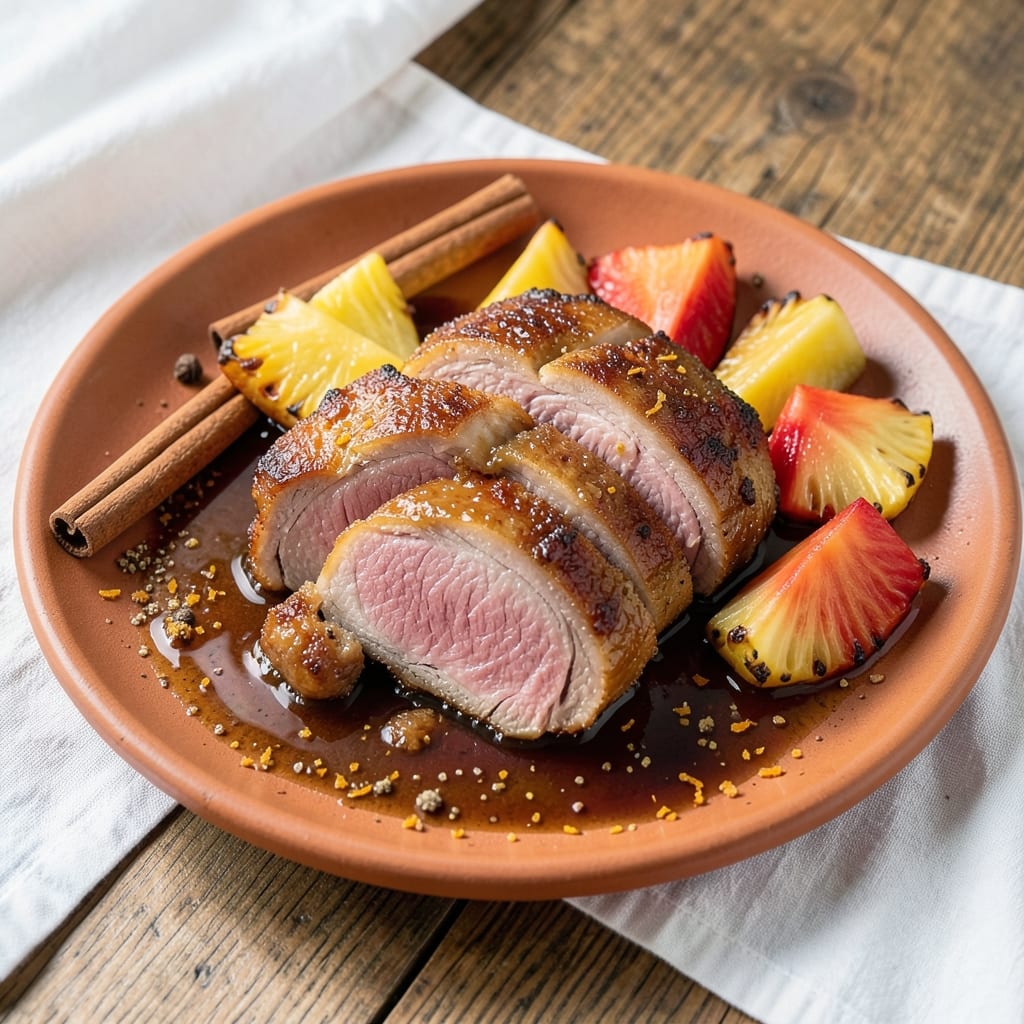
This Bajío sweet pork recipe brings the heart of central Mexico to your table with its signature caramelized pineapple and cinnamon braise. The dish originates from the Bajío region, where slow-cooked pork transforms into tender, sweet-savory perfection that pairs beautifully with rice or beans. I’ve perfected the technique over years of testing—balancing the natural sweetness of the meat with the bright acidity of pineapple and warm spice of cinnamon.
The secret lies in the braising process, where pork shoulder cooks low and slow until it falls apart, absorbing the rich flavors of the sauce. Traditional recipes rely on a blend of spices like cumin and cloves, but I’ve added a touch of orange zest to brighten the dish without overpowering its authentic roots. The result? A restaurant-quality meal that’s surprisingly simple to recreate at home, with layers of flavor that develop as it simmers.
What makes this recipe stand out is its versatility—serve it as a main course with fluffy white rice and black beans, or use it to stuff tacos for a festive twist. The caramelized edges and tender meat create a texture that’s impossible to resist, while the sweet-savory sauce ties everything together. It’s the kind of dish that feels like a celebration, no matter the occasion.
Ready in just under 2 hours with minimal effort, this recipe delivers restaurant-quality results that will have everyone asking for seconds. The key is patience—letting the flavors meld and the pork become melt-in-your-mouth tender. Trust me, it’s worth every minute of wait time.
Ingredients for bajio sweet pork
Six ingredients make the base, plus the star: tender pork shoulder and caramelized pineapple.
| Ingredient | Amount | Notes |
|---|---|---|
| Pork Shoulder 🥓 | 3 lb | Bone-in for best flavor |
| Fresh Pineapple 🍍 | 1 whole | Caramelized, skin removed |
| Cinnamon Sticks 🌿 | 2 whole | For infusing warmth |
| Ground Cumin 🌶️ | 1 tbsp | Toasted for depth |
| Ground Cloves 🌿 | ½ tsp | Whole cloves work too |
| Orange Zest 🍊 | 1 tbsp | Brightens the dish |
| Garlic Cloves 🧄 | 6 cloves | Minced for aromatic base |
| Onion 🧅 | 1 whole | Yellow, chopped fine |
| Tomato Paste 🍅 | ½ cup | Smooth texture preferred |
| Beef Broth 💧 | 2 cups | Low-sodium preferred |
| Brown Sugar 🍚 | ¼ cup | Light or dark works |
| Olive Oil 🫒 | 2 tbsp | For searing pork |
| Bay Leaves 🌿 | 2 whole | Fresh if available |
| Salt 🧂 | 1 ½ tsp | Kosher or sea salt |
| Black Pepper 🌶️ | ½ tsp | Freshly ground |
The pork shoulder is non-negotiable here—bone-in for maximum flavor, and Costco or butcher shops usually have the best cuts. Look for good marbling, which means juicier meat. Pineapple? Fresh is a must—canned won’t caramelize right. I grab mine from Trader Joe’s when it’s in season, or any Latin market for the sweetest varieties. The cinnamon sticks add warmth without overpowering, and you can find them at Penzeys or bulk spice sections. Toast your cumin and cloves lightly in a dry pan before adding—they’ll release their oils and make the whole dish sing.
No fresh pineapple? Frozen works in a pinch, but thaw it first and pat it completely dry to avoid a watery sauce. Swap the beef broth for vegetable broth if vegetarian, though the flavor will be subtly different. Running low on orange zest? Orange juice concentrate (thinned with water) can work, but it won’t have the same bright pop. The tomato paste can be the squeeze tube kind from Trader Joe’s—it’s perfect for small amounts and keeps forever. For the spices, if you can’t find whole cloves, ground works fine at half the amount. And if you’re feeling lazy, pre-minced garlic is totally acceptable here.
This dish tastes even better the next day, so make a double batch if you’re hosting. Store leftovers in the fridge for 4-5 days or freeze for up to 3 months. I like to portion it into containers with rice and beans on the side—ready for quick lunches all week. The sauce thickens as it cools, so add a splash of broth if it’s too stiff when reheating. And trust me, the caramelized pineapple edges are worth the extra 10 minutes of browning time—don’t skip this part.
Why You'll Love This Recipe
- One-Pot Magic: This recipe lives in a single Dutch oven—no chopping boards, no extra pans. Toss in the pork shoulder, pineapple chunks, and whole spices, then let the slow cook do the work while you sip your coffee. (Yes, even on a Tuesday night.)
- Sweet-Spiced Magic: That caramelized pork shoulder with the juicy pineapple? It’s like a hug in a bowl. The cinnamon and cloves turn it into something warm, almost dessert-like, but still hearty enough for dinner. Honestly, my kids ask for it more than tacos.
- Leftovers That Don’t Suck: The flavor actually gets better the next day—seriously. Reheat it in a skillet with a splash of water, and it’s just as tender. I make a double batch because it’s my go-to for lunches, potlucks, or when I’m too tired to cook.
- Budget-Friendly Feast: Pork shoulder is cheap, and pineapple stretches it far. A single cut feeds four, and the spices cost pennies. Plus, it’s one of those dishes where the longer it cooks, the more it tastes like you spent hours on it—without the effort. My wallet thanks me.
Step-by-step instructions for bajio sweet pork braise
Here's how to transform tough pork shoulder into tender, caramelized perfection with rich cinnamon and tropical sweetness.
Sear the Pork Shoulder for Deep Flavor
Pat the 3 lb pork shoulder completely dry with paper towels—this ensures maximum browning. Heat 2 tablespoons olive oil in a large Dutch oven over medium-high heat until shimmering. Place the pork fat-side down and sear undisturbed for 8-10 minutes until the fat renders and the skin develops a deep golden crust. Flip and sear the other sides for another 5-6 minutes, pressing down gently with a spatula to render more fat.
I press down gently on the pork during the first minute—this prevents it from curling and ensures even contact with the pan. Once well-browned on all sides, remove the pork and set it aside on a plate. You'll want to keep that rendered fat in the pot—it's packed with flavor that will form the base of your braise.
Build the Aromatic Base
In the same Dutch oven, add 1 whole onion chopped into fine dice and cook for 5-6 minutes until softened and golden. Add 6 cloves garlic cloves that have been minced and cook for 30 seconds until fragrant—don't let the garlic burn, or it'll turn bitter. Stir in 1 tablespoon ground cumin and 0.5 teaspoon ground cloves, toasting for 30 seconds until the spices release their deep aroma.
Add 0.5 cup tomato paste and cook for 2 minutes, stirring constantly, until it darkens slightly and loses its raw taste. This step develops the sauce's rich, slightly tangy foundation. Here's where the magic happens: add 1 tablespoon orange zest, 2 whole cinnamon sticks, and 2 whole bay leaves, stirring to combine. The citrus zest brightens the dish while the cinnamon and bay leaves infuse warmth.
Deglaze and Combine Ingredients
Pour in 2 cups beef broth and scrape up all the browned bits from the bottom of the pot with a wooden spoon—this is called deglazing, and it captures all the meaty flavor that would otherwise stick to the pan. Return the pork shoulder to the Dutch oven, fat-side up, and add 0.25 cup brown sugar and 1.5 teaspoons salt. Stir to dissolve the sugar and coat the pork evenly.
Bring the mixture to a simmer over medium heat, then reduce heat to low. Cover the pot and let it cook for 2 hours, turning the pork occasionally. The sugar will begin to caramelize, creating a glossy, sticky glaze that coats the meat. This long, slow cook transforms the tough pork into melt-in-your-mouth tenderness.
Add Pineapple and Finish the Braise
Peel and core the 1 whole fresh pineapple, then cut it into 1-inch chunks. Add the pineapple to the pot along with 0.5 teaspoon black pepper. Increase the heat to medium and bring the mixture to a boil. Reduce heat to low, cover, and let it simmer for another 1 to 1.5 hours until the pork is fork-tender and the pineapple is caramelized.
Here's the thing—you'll know it's done when the pork easily pulls apart with two forks and the pineapple has softened but still holds its shape. The sauce should be thick and syrupy, with a beautiful caramelized sheen. If it's too thin, uncover and simmer for another 10-15 minutes to reduce it. Taste and adjust seasoning if needed—you might need a bit more salt to balance the sweetness.
Rest and Serve
Remove the pork shoulder from the pot and transfer it to a cutting board. Tent loosely with foil and let it rest for 15-20 minutes. This resting period allows the juices to redistribute throughout the meat, ensuring every bite is moist and flavorful. While the pork rests, skim any excess fat from the surface of the braising liquid if desired.
Slice the pork against the grain into ½-inch thick pieces and serve it with the pineapple and sauce spooned over the top. The result is a harmonious blend of tender pork, sweet caramelized pineapple, and warm spices. Serve with warm tortillas or crusty bread to soak up every last bit of that delicious sauce. This dish tastes even better the next day, so it's perfect for meal prep or special occasions!
Pro Tips For Making Bajio Sweet Pork
- Brown the Pork First: Hit that pork shoulder with a screaming-hot pan for 5-7 minutes until it’s deep golden—not just pink. I learned this the hard way: skipping the sear means the spices cling like sad wallpaper instead of sticking like they belong. ---
- Char the Cinnamon: Toast those cinnamon sticks whole in a dry pan for 30 seconds until fragrant and slightly darkened. The aroma alone makes the dish, but it also releases oils that deepen the pineapple’s sweetness—skip this, and you’re missing half the flavor. ---
- Don’t Overcrowd the Pineapple: Slice the pineapple into even ½-inch chunks and add them in batches if your pan’s crowded. Too much at once steams the fruit instead of caramelizing it, and you’ll end up with soggy sweetness instead of sticky, glossy pockets of flavor. ---
- Use a Splatter Screen: This isn’t the prettiest method, but it’s the tastiest—cover the pan with a wire rack and screen while the pork cooks. It lets steam escape without losing heat, so the pineapple reduces faster and the pork stays juicy. (Yes, even if you’re impatient like me.)
Wine and beer pairings for this bajio sweet pork
Mexican Red Wine Pairings
For this dish, I always reach for a Mexican red wine like Baja Malbec or Tempranillo—both complement the sweet-spicy profile beautifully. The Baja Malbec from Vina Alamos brings deep berry notes that mirror the caramelized pineapple, while Tempranillo adds earthy undertones that balance the cinnamon. Serve slightly chilled (55-60°F) to enhance the fruit-forward flavors without overpowering the pork's richness. 🍷
Light Mexican Lager
A crisp Mexican lager like Corona Extra or Modelo Especial cuts through the dish's richness while enhancing its tropical sweetness. The subtle citrus notes in these beers mirror the orange zest in the recipe, creating a refreshing contrast. I like to serve it ice-cold (40-45°F) in a frosted glass to keep the flavors crisp and clean. For a local twist, try Pacifico—its smooth finish pairs perfectly with the caramelized edges of the pork.
Spiced Rum Cocktail
For a festive touch, I love serving a spiced rum cocktail like a Mexican Mule—mix 2 oz reposado tequila, ½ oz lime juice, ½ oz honey syrup, and a pinch of cinnamon, then top with ginger beer. The warmth of the cinnamon and the bright citrus tie directly into the dish's flavors, while the ginger beer adds a zesty kick. Serve in a copper mug for extra flair—it’s perfect for gatherings or family meals.
Mexican White Wine Alternative
If you prefer white wine, go for a Mexican Chenin Blanc or Viognier—both have enough body to stand up to the sweet-savory sauce. Chenin Blanc from Santa Julia offers honeyed notes that harmonize with the caramelized pineapple, while Viognier adds floral complexity. Chill to 45-50°F to let the wine’s crispness shine through the dish’s warmth. 💫
Non-Alcoholic Pairings
For non-drinkers, a sparkling hibiscus iced tea (like Jamaica) or a pineapple-mint cooler works wonders. The hibiscus tea’s tartness balances the sweetness, while the pineapple cooler echoes the dish’s tropical theme. For a savory option, serve with Mexican horchata—its cinnamon and rice notes complement the pork beautifully. Both are refreshing and easy to batch-make for parties.
Nutrition facts
Frequently asked questions
Can I substitute pork shoulder with another cut?
While pork shoulder is ideal for its fat content and flavor, you can use pork butt (Boston butt) as a direct substitute. For leaner options, try pork loin but increase the braising time by 30-45 minutes to prevent drying out. Never use tenderloin—it lacks the fat and connective tissue needed for this slow-cooked recipe. The key is a cut with good marbling and some toughness to benefit from the long braise.
How do I know when the pork is fully cooked?
The pork is done when it reaches an internal temperature of 195-203°F and easily pulls apart with two forks. For extra assurance, check the thickest part of the meat—it should be fork-tender but still hold its shape slightly. The caramelized edges and glossy sauce will also indicate doneness. If using a meat thermometer, insert it horizontally into the thickest part to avoid hitting bone.
Can I make this recipe in an Instant Pot?
Yes! Sear the pork first in a skillet, then transfer it to your Instant Pot with all ingredients except the pineapple. Cook on high pressure for 60 minutes, then quick-release. Add the pineapple and cook on high pressure for 10 more minutes. Natural release for 10 minutes before opening. The sauce will be thinner, so reduce it uncovered on the stove for 10-15 minutes to reach the right consistency.
What's the best way to reheat leftovers?
Reheat in a skillet over medium-low heat with a splash of beef broth or water to prevent drying. Cover and warm for 5-7 minutes, stirring occasionally. For oven reheating, cover with foil and bake at 325°F for 15-20 minutes. Avoid microwaving—it can make the sauce watery and the pork rubbery. The dish actually tastes better reheated as the flavors meld further!
Why is my sauce too sweet?
Too much brown sugar or caramelized pineapple can make the sauce overly sweet. Balance it by adding 1-2 tablespoons of lime juice or 1 teaspoon of vinegar (apple cider or white wine vinegar work well). For a savory boost, add a pinch of smoked paprika or a dash of hot sauce. Taste as you go—adjust gradually to avoid overcorrecting. The sauce should complement the pork's natural sweetness, not overpower it.