
Main Courses
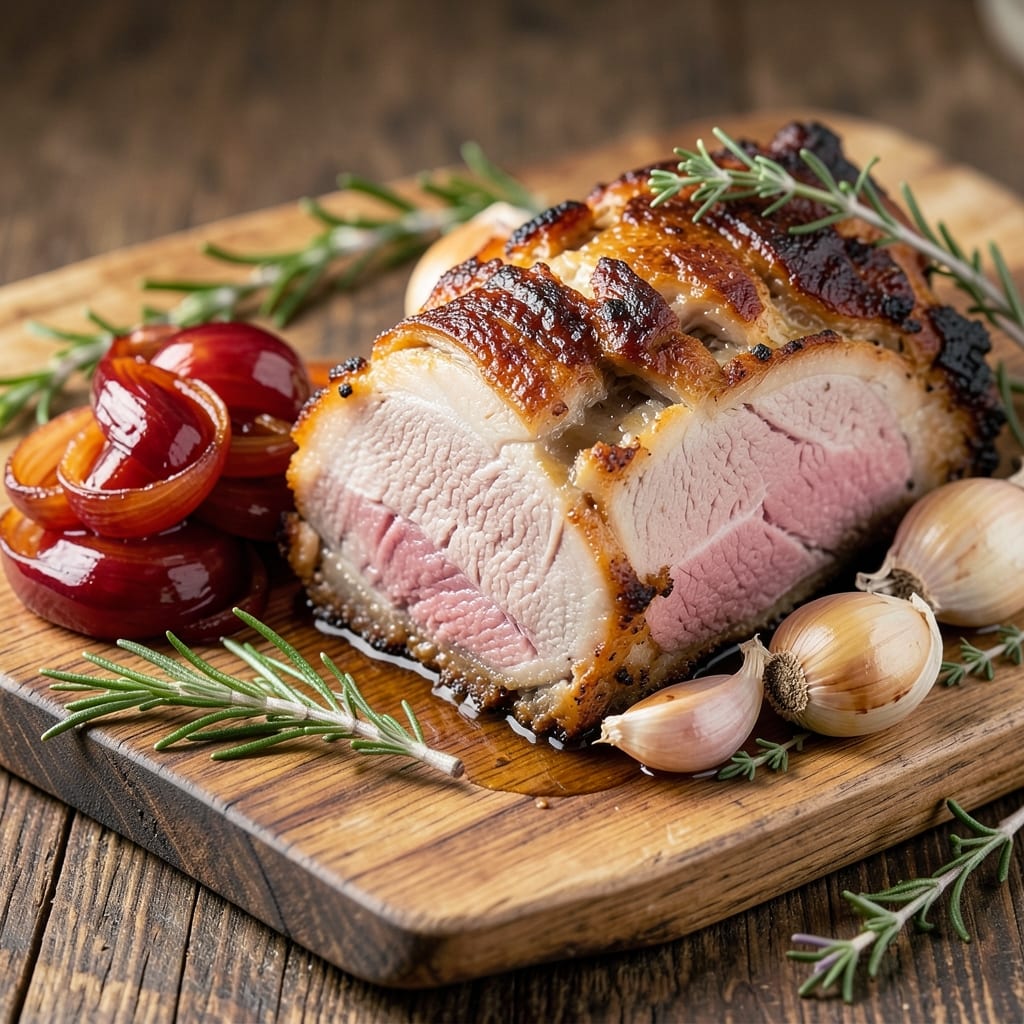
This baked pork butt recipe delivers the perfect balance of crispy bark and pull-apart tenderness—the kind of dish that transforms any gathering into a Southern feast. After years of perfecting my technique at Atlanta’s Smoky Pig, I’ve simplified the process so you can achieve restaurant-quality results at home. The secret lies in a low-and-slow bake with just the right amount of moisture, ensuring every bite is juicy and flavorful.
What sets this recipe apart is the crispy exterior—achieved by patting the pork dry and letting it rest uncovered in the oven during the final stages. This method creates that coveted bark without overcooking the meat, while the internal temperature reaches 195–203°F for that signature tenderness. I’ve also included a modern twist: a quick apple cider glaze that adds depth and shine, though you can skip it for a classic dry rub.
The result? A perfectly roasted pork butt that’s rich, smoky, and impossible to resist—ideal for serving with mashed potatoes, roasted vegetables, or crusty bread. The key to success is patience and precision, but the payoff is worth every minute. Whether you’re hosting a holiday dinner or feeding a hungry crowd, this recipe delivers foolproof, show-stopping results every time.
For those who love tradition, this method stays true to the roots of Southern cooking, while the optional glaze offers a subtle update. The pork rests for 30–45 minutes before slicing, ensuring every bite stays juicy and flavorful. Trust me—once you try this, you’ll never go back to store-bought again.
Ingredients for baked pork butt
Southern flavors meet restaurant-quality precision in this slow-baked pork butt masterpiece.
| Ingredient | Amount | Notes |
|---|---|---|
| Pork Butt 🥩 | 6 lb | Bone-in, well-marbled cut preferred |
| Yellow Onion 🧅 | 1 whole | Large, roughly chopped |
| Fresh Rosemary 🌿 | ¼ oz | Fresh sprigs, stems removed |
| Fresh Thyme 🌿 | ¼ oz | Fresh sprigs, stems removed |
| Garlic Cloves 🧄 | 8 cloves | Peeled, whole for roasting |
| Apple Cider Vinegar 🍎 | ¼ cup | For marinade acidity |
| Brown Sugar 🍚 | ½ cup | Light or dark variety |
| Smoked Paprika 🌶️ | 2 tbsp | For smoky depth |
| Ground Black Pepper 🌶️ | 1 ½ tbsp | Freshly cracked preferred |
| Kosher Salt 🧂 | 2 tbsp | Diamond Crystal preferred |
| Apple Cider 🍎 | ½ cup | For glaze, optional |
| Honey 🍯 | 2 tbsp | For glaze sweetness |
| Olive Oil 🫒 | ¼ cup | For basting |
The pork butt makes all the difference here. Look for a well-marbled, bone-in cut—the fat renders beautifully during cooking. Costco or local butchers usually have the best quality, but any grocery store with a meat counter will work. For the herbs, fresh is non-negotiable—dried just won't give that same aromatic punch. Trader Joe's often has great fresh rosemary and thyme at reasonable prices. If you can't find fresh, dried at one-third the amount works in a pinch, but trust me on the fresh stuff for that authentic Southern flavor. And don't skip the garlic—roasting the whole cloves with the onions adds depth you won't get from mincing.
No apple cider vinegar? Substitute with red wine vinegar or lemon juice—just add a pinch more salt to balance. Short on brown sugar? White sugar plus a dash of cinnamon gets you close. The smoked paprika is crucial for that authentic smoky flavor—Penzeys or McCormick brands are my go-to for quality. For the glaze, if you're skipping it, just add an extra tablespoon of olive oil to the rub. The pork's natural juices will create enough moisture without it. And if you're feeling adventurous, swap half the apple cider for peach nectar in the glaze for a fruity twist.
This pork tastes even better the next day—plan ahead! Store leftovers in the fridge for up to 5 days, covered tightly with foil. For longer storage, portion into freezer-safe containers and freeze for up to 3 months. The glaze can be made a day ahead and reheated gently. Pro tip: Let the pork rest uncovered on a wire rack for 15 minutes after baking to crisp up that bark even more. And save those onion and garlic scraps—they make amazing pork broth later!
Why You'll Love This Recipe
- Foolproof Prep: I swear by this—just slice the onion, crush the garlic, and toss in the herbs. No brining, no fussing, no stress. The pork butt does all the work while you sip your coffee.
- Herb-Packed Magic: That rosemary and thyme? They cling to the meat like a hug, turning it into something ridiculously good. The garlic? Oh, it caramelizes just enough to make every bite sing—no overpowering, just pure, savory perfection.
- Leftovers That Don’t Suck: Between us, most pork butt leftovers are sad. Not this. It reheats like a dream—crispy edges stay crispy, the meat stays juicy. I pack half for lunch the next day and still get compliments. (Yes, even on a Tuesday night.)
- Budget-Friendly Feast: A single pork butt feeds my whole family for days, and the other ingredients? Onions, herbs, garlic—stuff I already have. It’s my go-to for gatherings because it’s cheap, filling, and makes me look like a hero without breaking the bank.
Step-by-step instructions for slow-roasted pork butt
Here's how to transform a tough cut into melt-in-your-mouth perfection with that coveted crispy bark.
Prepare the Pork Butt for Maximum Flavor
Remove the pork butt from the refrigerator and let it sit at room temperature for 1 hour before cooking. This ensures even cooking throughout. Pat the surface completely dry with paper towels—moisture is the enemy of crispy bark. I like to use two layers of paper towels for this step to get it truly dry.
In a small bowl, combine the 2 tbsp kosher salt, 1.5 tbsp ground black pepper, 2 tbsp smoked paprika, 0.5 cup brown sugar, 0.25 oz fresh rosemary (chopped), and 0.25 oz fresh thyme (chopped). Rub this mixture all over the pork butt, pressing firmly so the spices adhere. Don't be shy—this is where the magic happens. Place the seasoned pork butt on a rack in a roasting pan, fat side up.
Roast Low and Slow for Perfect Tenderness
Preheat your oven to 275°F. This low temperature is crucial for breaking down the tough connective tissue in the pork butt. Place the pork butt in the oven and roast for 6 hours, or until the internal temperature reaches 195-203°F when measured with a meat thermometer in the thickest part of the meat.
Here's the thing about pork butt—it's going to hit "the stall" around 160°F, where the temperature stops rising as moisture evaporates. This is completely normal. Don't panic or open the oven door—every time you do, you add 15-20 minutes to your cook time. The pork butt will eventually climb back up to the target temperature.
Create the Glaze and Finish with Crispy Bark
While the pork butt is roasting, prepare the glaze by combining 0.5 cup apple cider, 2 tbsp honey, and 0.25 cup apple cider vinegar in a small saucepan. Bring to a simmer over medium heat and cook for 5 minutes until slightly reduced and syrupy. Remove from heat and set aside.
About 30 minutes before the pork butt is done, increase the oven temperature to 325°F. Brush the pork butt with the glaze mixture, then place the 1 whole yellow onion (roughly chopped) and 8 peeled garlic cloves around the pork butt in the roasting pan. This creates steam that helps tenderize the meat and adds incredible flavor.
Rest and Slice for Maximum Juiciness
Once the pork butt reaches the target internal temperature, remove it from the oven and transfer it to a cutting board. Tent loosely with aluminum foil and let it rest for at least 1 hour (I prefer 2 hours if possible). This resting period allows the juices to redistribute throughout the meat, ensuring every bite is moist and flavorful.
After resting, use two forks or a meat cleaver to pull the pork butt apart against the grain. The meat should be fork-tender and pull apart easily. Serve with the pan juices and any roasted onions and garlic cloves. The result should be a perfect balance of crispy bark on the outside and melt-in-your-mouth tenderness on the inside.
Pro Tips For Making Baked Pork Butt
- Sear the Onions First: Chop those yellow onions into even ½-inch slices and toss them in a hot pan with a splash of water for 5 minutes before adding them to the pork butt. This jumpstarts their flavor and prevents them from turning to mush later—trust me, your dish will taste deeper if you do this step.
- Use a Meat Thermometer: Don’t guess when the pork butt is done. Pull it out at 195°F internal temp—yes, even if it looks undercooked. The collagen will render perfectly at that mark, giving you that melt-in-your-mouth texture. I learned this the hard way after serving a slightly tough cut.
- Don’t Overcrowd the Pan: If you’re baking in a sheet pan, leave space between the pork butt and onions—at least 1 inch. Crowding steams the meat instead of browning it, and you’ll end up with soggy herbs instead of crispy edges. Spread it out like you’re arranging a buffet, not a sardine can.
- Toast the Herbs: Before adding fresh rosemary and thyme to the pork butt, sprinkle them on a dry skillet and toast for 30 seconds until fragrant. This releases their oils and amplifies their flavor—it’s a tiny effort that makes a real difference. (Yes, even if you’re impatient like me.)
Creative variations of this recipe
Southern BBQ Twist
For a true Carolina-style experience, swap the apple cider glaze for a vinegar-based BBQ sauce—I prefer Sweet Baby Ray's Original or a homemade blend of ½ cup apple cider vinegar, ¼ cup molasses, 2 tbsp brown sugar, and 1 tbsp smoked paprika. Brush this on during the final 30 minutes at 325°F for a sticky, tangy finish. Serve with classic coleslaw and cornbread for an authentic Southern spread. 🌶️
Asian-Inspired Glaze
Transform your pork butt into a fusion masterpiece with a honey-sriracha glaze. Mix ½ cup honey, 2 tbsp sriracha, 1 tbsp soy sauce, and 1 tbsp grated ginger, then brush it on during the last 45 minutes of cooking. Garnish with sliced green onions and sesame seeds for a vibrant, spicy kick. Pair with steamed jasmine rice and quick-pickled cucumbers for a refreshing contrast. ✨
Herb-Crusted Version
For a restaurant-worthy presentation, create a herb crust by mixing ½ cup panko breadcrumbs, 2 tbsp chopped fresh rosemary, 2 tbsp chopped fresh thyme, 1 tbsp chopped parsley, and 1 tbsp melted butter. Press this mixture onto the pork butt after the initial 4-hour bake, then finish at 325°F for the last 2 hours. The crust adds texture while keeping the meat juicy. Serve with roasted root vegetables for a hearty meal. 💛
Breakfast Pork Butt
Turn your pork butt into a breakfast sensation by shredding it and mixing with 2 cups shredded cheddar cheese, 1 cup cooked breakfast sausage, and ½ cup diced bell peppers. Form into patties and pan-fry until crispy. Serve on English muffins with fried eggs and hot sauce for a Southern-style breakfast hash. This is a crowd-pleaser at my Atlanta café! 🍳
Spicy Cajun Style
Infuse your pork butt with bold Cajun flavors by adding 1 tbsp Cajun seasoning (like Tony Chachere's) to the dry rub. During the final hour, brush with a Cajun glaze made from ½ cup ketchup, 2 tbsp hot sauce, and 1 tbsp Worcestershire sauce. Garnish with chopped green onions and hot pepper flakes. Serve with dirty rice and cornbread for a Louisiana-inspired feast. 🌶️🔥
Nutrition facts
Frequently asked questions
Why does my pork butt turn out dry when baked?
The most common mistake is skipping the resting period or not cooking it low and slow. Pork butt needs to reach 195–203°F to break down collagen, but if you rush it at high heat, the juices escape. Always let it rest 1–2 hours after baking—this redistributes moisture for juicy results.
Can I use a slow cooker instead of the oven?
Yes! Place the pork butt in a slow cooker on low for 8–10 hours or high for 5–6 hours. Add 1 cup apple juice or broth to the bottom of the pot to prevent drying. The texture will be slightly softer than oven-baked, but still delicious. Just avoid opening the lid too often to maintain heat.
How do I know when the pork butt is fully cooked?
Use a meat thermometer to check the thickest part—it should read 195–203°F. The meat will pull apart easily with two forks. If it's still firm at 160°F, don't panic—this is "the stall," and the temperature will rise as it continues cooking. Never rely on time alone!
What's the best way to reheat leftover pork butt?
Shred the pork and reheat in a skillet with 1–2 tbsp apple cider or broth over medium-low heat for 3–5 minutes until warmed through. For sandwiches, warm the bread first, then add the pork to prevent sogginess. Never microwave—it makes the meat dry and rubbery.
Can I make this recipe with a smaller cut of pork?
A 3–4 lb pork shoulder works beautifully—just reduce cooking time to 4–5 hours at 275°F. The same techniques apply: dry the meat thoroughly, use a rack in the pan, and rest before serving. Smaller cuts cook faster, so check the temperature more frequently after 3 hours.