
Main Courses
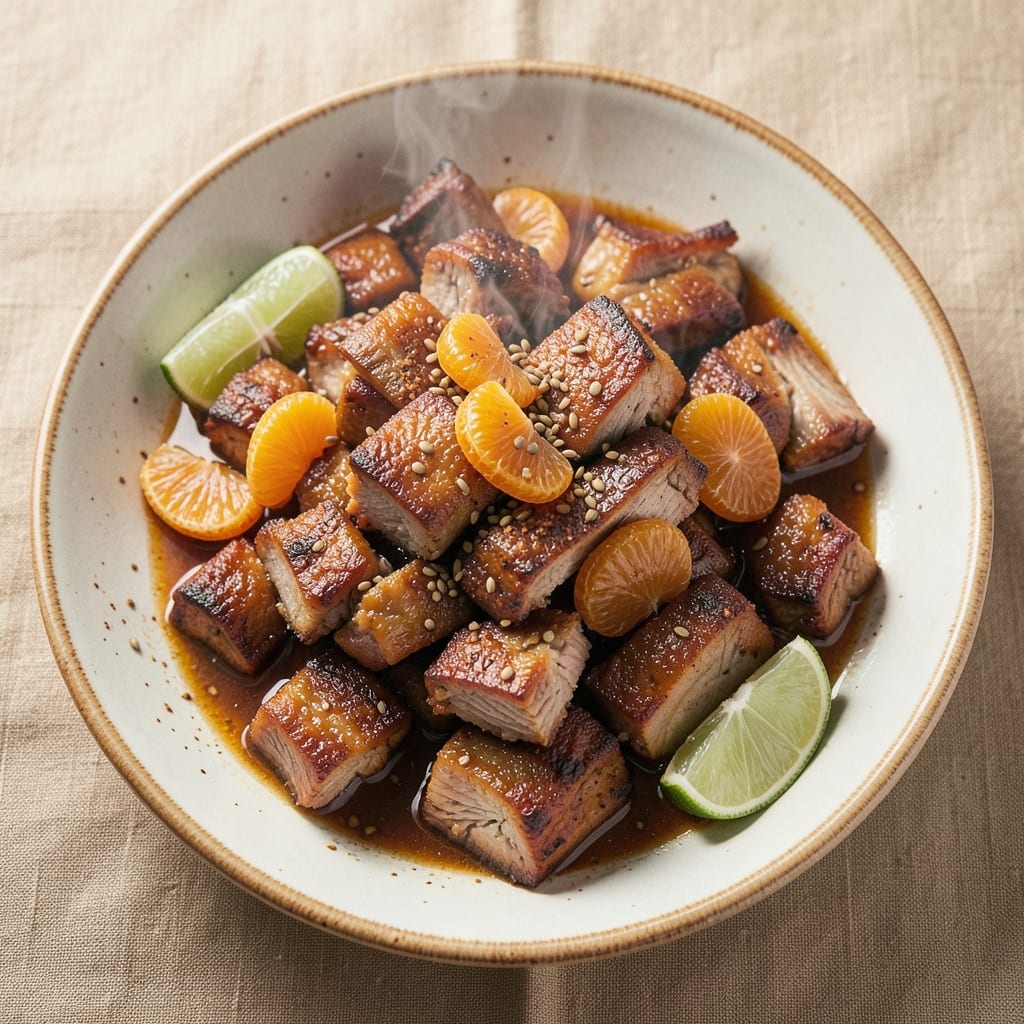
This baked pork carnitas recipe delivers the perfect balance of crispy-crackling edges and shreddable tenderness—a technique I perfected after years of slow-roasting pork for crowds at The Smoky Pig. The secret lies in a high-heat finish that transforms tender meat into crispy, flavorful bites without losing moisture. I developed this method during a particularly busy week when I needed a reliable, restaurant-quality carnitas that could feed a crew of 20 without fail.
What sets this recipe apart is the two-stage cooking process: first slow-braising at 300°F to break down collagen and infuse flavor, then a high-heat broil to achieve that signature crispiness. The marinade—a blend of citrus, garlic, and spices—penetrates deeply, ensuring every bite is packed with bright, savory notes. This isn't your average pulled pork; it's a foolproof method that transforms tough cuts into melt-in-your-mouth perfection.
By the time you're done, you'll have golden, crackling pork that shreds easily and holds its shape on a fork. The aroma alone will have everyone gathering at the table, and the texture—crispy outside, tender inside—is what makes this recipe worth the effort. Serve it on warm tortillas with charro beans and cilantro-lime rice for a meal that feels like a celebration.
This method works equally well for tacos, burrito bowls, or even breakfast hash. The leftovers keep beautifully for up to four days, making it ideal for meal prep. Let's get started—your taste buds will thank you.
Ingredients for baked pork carnitas
These fifteen ingredients transform tough pork into restaurant-quality carnitas with crispy edges and melt-in-your-mouth tenderness.
| Ingredient | Amount | Notes |
|---|---|---|
| Pork Shoulder 🐖 | 8 lb | Bone-in, cut into 2-inch chunks |
| Orange Juice 🍊 | 1 cup | Freshly squeezed, not from concentrate |
| Lime Juice 🍋 | ½ cup | Freshly squeezed, bright flavor |
| Garlic Cloves 🧄 | 12 cloves | Peeled, minced for marinade |
| Cumin Seeds 🌿 | 2 tbsp | Toasted for deeper aroma |
| Ground Cumin 🌿 | 1 tbsp | Freshly ground preferred |
| Smoked Paprika 🌶️ | 2 tbsp | For authentic smoky flavor |
| Oregano 🍃 | 1 tbsp | Dried Mexican oregano preferred |
| Bay Leaves 🌿 | 4 whole | Fresh for best flavor |
| Salt 🧂 | 3 tbsp | Diamond Crystal kosher salt |
| Black Peppercorns 🌶️ | 1 tbsp | Freshly cracked |
| Olive Oil 🫒 | ½ cup | Extra-virgin for richness |
| Honey 🍯 | 2 tbsp | For balanced sweetness |
| Lard or Duck Fat 🧈 | ¼ cup | For crispy finish (optional) |
The pork shoulder is the star—look for well-marbled cuts at your butcher or the meat department at Whole Foods or Costco. Bone-in pieces stay juicier during the long cook, but boneless works too if you're in a hurry. Fresh oregano makes a difference here—Mexican oregano from Latin markets adds that authentic depth, but regular dried oregano works in a pinch. Toast your cumin seeds in a dry pan for 30 seconds until fragrant—that aroma is non-negotiable for real carnitas flavor. For the citrus, freshly squeezed is a must—concentrate lacks brightness. If you can't find fresh limes, Key lime juice from a bottle works too.
No smoked paprika? Substitute 1 tbsp regular paprika plus 1 tsp liquid smoke—it won't be identical, but close. Running short on bay leaves? Double the oregano for similar earthy notes. The honey can be swapped for maple syrup if you're avoiding refined sugar, but it'll taste different. For that crispy finish without lard, melted butter works surprisingly well—just brush it on after broiling. The garlic can be roasted whole with the pork for a sweeter flavor (microwave 2 minutes first to soften). Need to prep ahead? Marinate the pork overnight—it develops deeper flavor when given time.
This recipe makes a crowd—plan for leftovers. Store cooked carnitas in the fridge for up to 4 days or freeze for 3 months. The texture actually improves after resting overnight as the juices redistribute. For serving, reheat in a skillet with a splash of broth to restore crispiness. I like to portion mine into single-serving containers with tortillas and hot sauce on the side—meal prep made easy. The fat will solidify in the fridge, so let it sit at room temp for 10 minutes before reheating for best results.
Why You'll Love This Recipe
- One-Pan Magic: I swear by this recipe—just toss the pork shoulder, juices, and spices on a sheet pan, then walk away. No chopping boards, no messy pots, and that slow-roasted magic happens while you’re making dinner or scrolling through your phone.
- Citrus-Kissed Crunch: That bright mix of orange and lime juice does something wild to the pork—it stays juicy inside but gets this irresistible crispy edge. Honestly, the first time I bit into it, I nearly dropped my fork.
- Meal Prep MVP: Between us, this is my go-to for busy weeks. Cook a big batch, shred it, and it’s perfect for tacos, burrito bowls, or even sandwiches all week long. (Yes, even on a Tuesday night when you’re exhausted.)
- Budget-Friendly Feast: Pork shoulder is one of the most affordable cuts, and this recipe stretches it into enough for a crowd. I’ll be real: my family fights over leftovers, and I’ve never regretted buying a big piece.
Step-by-step instructions for baked pork carnitas
Here's how to transform tough pork shoulder into melt-in-your-mouth carnitas with crackling edges.
Prepare the Pork and Dry Rub
Pat the 8 lb pork shoulder completely dry with paper towels—this is non-negotiable for crispy edges. Cut it into 2-inch chunks and place them in a large bowl. In a separate bowl, combine the 2 tbsp toasted cumin seeds, 1 tbsp ground cumin, 2 tbsp smoked paprika, 1 tbsp oregano, 3 tbsp salt, and 1 tbsp freshly cracked black peppercorns. Rub this mixture all over the pork until every surface is coated.
Here's the thing—don't skip the toasting of cumin seeds. Toast them in a dry skillet over medium heat for 1-2 minutes until fragrant. This adds depth that ground cumin can't match. The rub should look like it's clinging to the meat, not just sprinkled on top. Let the seasoned pork sit at room temperature for 30 minutes while you prep the marinade.
Create the Marinade and Coat the Pork
In a blender, combine the 1 cup freshly squeezed orange juice, 0.5 cup lime juice, 12 minced garlic cloves, 0.5 cup extra-virgin olive oil, 2 tbsp honey, and 4 whole bay leaves. Blend until smooth. Pour this vibrant marinade over the seasoned pork and toss gently to coat evenly. The acidity in the citrus will begin breaking down the tough fibers right away.
Let the pork marinate for at least 4 hours, but overnight is ideal. I've found that the longer it marinates, the more tender the final result. If using the 0.25 cup lard or duck fat, reserve it for later—we'll use it to crisp the edges at the end. Cover the bowl and refrigerate until ready to bake.
Bake Until Fork-Tender
Preheat your oven to 300°F. Transfer the marinated pork to a large roasting pan, discarding any excess marinade. Bake uncovered for 3 hours, then reduce heat to 275°F and continue baking for another 2 hours. You're looking for the pork to reach 205°F internally—this is when it becomes fork-tender and begins to pull apart easily.
Here's where patience pays off. The low-and-slow approach ensures the connective tissue melts into silky, shreddable meat. Every 30 minutes, spoon the juices from the pan over the pork to keep it moist. If the pork starts to dry out before reaching 205°F, tent it loosely with foil to help retain moisture.
Crisp the Edges and Shred
Once the pork reaches 205°F, increase the oven temperature to 425°F. Spread the pork chunks in a single layer on a baking sheet. Here's the crispy secret: brush each piece with the reserved 0.25 cup lard or duck fat (if using). Bake for 15-20 minutes, stirring once halfway through, until the edges are deep golden brown and crackling.
Transfer the crispy pork to a cutting board and let it rest for 10 minutes. Then, using two forks, shred the pork into 2-inch strands. The meat should pull apart effortlessly, with crispy edges that contrast perfectly against the tender interior. If you're serving immediately, keep the pork warm in a 200°F oven while you prepare your toppings.
Serve with Classic Carnitas Toppings
Serve the shredded carnitas with its natural juices spooned over the top. For a complete meal, offer toppings like diced white onions, chopped cilantro, lime wedges, and warm tortillas. The citrusy, smoky flavor profile shines when paired with simple sides like charro beans or a fresh slaw.
This dish tastes even better the next day, so don't hesitate to make extra. The flavors deepen as the meat absorbs the marinade over time. Store leftovers in the refrigerator for up to 4 days or freeze for 3 months—just reheat gently with a splash of water to maintain moisture.
Pro Tips For Making Baked Pork Carnitas
- Trim the Fat First: Cut the pork shoulder into 2-inch chunks before adding it to the pan—this lets the meat render its own juices faster and keeps the orange-lime marinade from turning greasy. I used to skip this, and my carnitas always tasted soggy under the citrus. ---
- Toast the Cumin: Dry-toast the whole cumin seeds in a skillet for 30 seconds until fragrant—this unlocks their flavor way better than just grinding them raw. (Yes, even if you’re impatient like me, don’t skip it.) ---
- Start High, End Slow: Roast the pork at 425°F for the first 30 minutes to brown the edges, then drop to 275°F for the rest of the time—this guarantees crispy bits and tender meat without drying it out. I learned this the hard way after serving rubbery carnitas once. ---
- Double the Acid: Use equal parts orange and lime juice (about ½ cup each) for the marinade—this balances sweetness and keeps the pork from tasting one-note. (And yes, fresh juice matters; bottled won’t cut it.)
Best sauces and condiments for these flavors
Citrusy Lime Crema
This tangy, velvety crema is my go-to topping for carnitas—it brightens the smoky, rich flavors beautifully. Whisk together 1 cup sour cream, ½ cup Mexican crema, ¼ cup freshly squeezed lime juice, 1 tbsp honey, and 1 tsp Tajín seasoning. Thin with 1-2 tbsp milk or water if needed for drizzling. I like to finish with a sprinkle of chopped cilantro and a pinch of salt right before serving. 💛
Spicy Chipotle Salsa
For heat lovers, this smoky chipotle salsa cuts through the fat beautifully. Blend 1 cup diced tomatoes, ½ cup chopped red onion, 2 chipotle peppers in adobo sauce, 2 tbsp lime juice, 1 tsp cumin, and salt to taste. Let it sit for 30 minutes to meld flavors. I often serve it with a dollop of avocado crema (mix avocado with sour cream and lime) to balance the heat. The smoky chipotle pairs perfectly with the crispy carnitas edges. 🌶️
Honey-Lime Glaze
This quick glaze adds a sweet-tart contrast that makes every bite irresistible. Simmer ¼ cup honey, 2 tbsp lime juice, and 1 tbsp apple cider vinegar in a small saucepan for 3-4 minutes until slightly thickened. Drizzle over the carnitas just before serving—it caramelizes slightly under the broiler for extra shine. I also add ½ tsp ground cinnamon for warmth. This glaze works wonders on tacos or burrito bowls too. ✨
Avocado Crema
Creamy, cool, and packed with healthy fats, this crema is a must for balancing the richness. Blend 1 ripe avocado, ½ cup sour cream, ¼ cup Greek yogurt, 2 tbsp lime juice, 1 tbsp chopped cilantro, and ½ tsp salt until smooth. Adjust lime juice to taste—more for brightness, less for creaminess. Serve immediately or chill for up to 2 hours. It’s especially good with spicy carnitas toppings. 🥑
Pickled Red Onions
These add a sharp, tangy crunch that cuts through the fat beautifully. Thinly slice 1 large red onion and pack into a jar. Cover with a mixture of ½ cup apple cider vinegar, ½ cup water, 1 tbsp sugar, and 1 tsp salt. Let sit for at least 30 minutes (or overnight for stronger flavor). Drain before serving. I like to sprinkle them over carnitas tacos or burrito bowls for extra texture. 🌶️
Smoky Chipotle Aioli
This rich, smoky dip is perfect for dipping tortilla chips or drizzling over carnitas. Mix ½ cup mayonnaise, 1 chipotle pepper in adobo sauce, 1 tbsp lime juice, 1 tsp honey, and ½ tsp smoked paprika. Blend until smooth and adjust spice level to taste. I often add a pinch of garlic powder for extra depth. This aioli is a game-changer for carnitas nachos or as a dipping sauce. 🔥
Nutrition facts
Frequently asked questions about baked pork carnitas
Can I use pork shoulder or pork butt for this recipe?
Both work perfectly! Pork shoulder (also called pork butt) is ideal because of its fat content, which keeps the meat juicy during the long bake. For best results, choose well-marbled cuts with visible fat. If using pork loin, expect slightly less tenderness—it's leaner and dries out faster at low temperatures.
Why does the recipe call for two different oven temperatures?
The two-stage approach is key: 300°F for 3 hours breaks down collagen for tenderness, while 275°F for 2 more hours cooks it gently without drying. The final 425°F broil creates crispy edges. This method ensures melt-in-your-mouth texture with that signature crackling crust.
What's the best way to store and reheat leftovers?
Store cooked carnitas in an airtight container for up to 4 days in the fridge or 3 months frozen. To reheat, place in a skillet with 1 tbsp broth or water per pound, covering with a lid for 5-7 minutes on medium heat. The moisture prevents dryness. For extra crispiness, broil for 2-3 minutes after reheating.
Can I make carnitas in a slow cooker instead of oven?
Brown the pork first in a skillet, then transfer to a slow cooker with all marinade ingredients. Cook on low for 8 hours or high for 5 hours until fork-tender. For crispy edges, finish in a 425°F oven for 15 minutes after shredding. The texture will be slightly different but still delicious.
How do I fix dry carnitas?
If your carnitas turn out dry, the issue is usually overcooking or insufficient fat. Next time, use bone-in cuts, reduce oven temp to 275°F, and add 1 cup broth to the pan. For immediate fixes, shred and mix with 2 tbsp lard or butter, then reheat in a skillet with 1 tbsp water. The fat will restore moisture.