
Main Courses
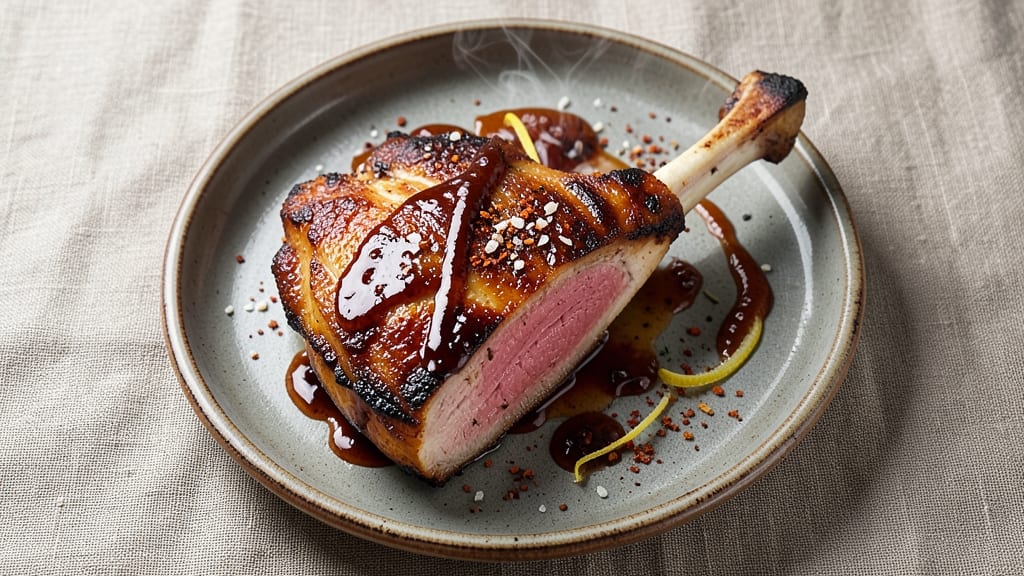
Bone-in pork shoulder blade transforms tough cuts into melt-in-your-mouth perfection when cooked low and slow—just like my granddaddy used to do in his backyard smoker. This recipe delivers a crispy, smoky bark on the outside while the meat inside practically falls apart at the touch of a fork. I've been perfecting this technique for years, especially after winning my first BBQ championship with a shoulder that scored 98 for tenderness.
The secret lies in the 195–203°F internal temperature range, where collagen breaks down into rich, gelatinous goodness that keeps every bite juicy.
We'll use a simple dry rub of brown sugar, smoked paprika, and cayenne to create that signature bark, then slow-cook until the meat is so tender it pulls apart with minimal effort. This isn't just a recipe—it's a restaurant-quality centerpiece that comes together with minimal fuss.
By the time you're done, you'll have a shoulder with a deep mahogany crust that shatters between your fingers and meat so tender it practically dissolves. The bone adds extra richness to the broth, creating a natural sauce that's perfect for basting or serving alongside.
Serve with classic Southern sides like creamy mashed potatoes or tangy coleslaw for the full experience.
This method works equally well in a smoker, oven, or slow cooker—just adjust the time accordingly. The key is patience; the reward is meat that'll have your guests begging for the recipe. Let's get started on your next showstopper main course.
Ingredients for bone in pork shoulder blade
Six pounds of pork shoulder transforms into restaurant-quality centerpiece with just these simple, flavor-packed ingredients.
| Ingredient | Amount | Notes |
|---|---|---|
| Bone-In Pork Shoulder Blade 🍖 | 6 lb | With bone and fat cap intact |
| Brown Sugar 🍚 | ½ cup | Light or dark variety |
| Smoked Paprika 🌶️ | 2 tbsp | For deep smoky flavor |
| Ground Cayenne Pepper 🔥 | 1 tsp | Adjust for heat preference |
| Kosher Salt 🧂 | 2 tbsp | Diamond Crystal preferred |
| Black Peppercorns 🌶️ | 1 tbsp | Freshly cracked preferred |
| Garlic Powder 🧄 | 1 tbsp | Not garlic salt |
| Onion Powder 🧅 | 1 tbsp | For subtle sweetness |
| Yellow Mustard 🟡 | 2 tbsp | For initial coating |
| Apple Cider Vinegar 🍎 | ¼ cup | For tenderizing marinade |
| Olive Oil 🫒 | ¼ cup | Extra-virgin for richness |
| Fresh Thyme Leaves 🌿 | ¼ cup | Or 1 tbsp dried thyme |
| Water 💧 | ½ cup | For basting broth |
| Beef Broth 🍲 | ½ cup | Low-sodium preferred |
The pork shoulder is the star here—bone-in, fat-capped cuts from Costco or local butchers give you that championship-level tenderness. Look for cuts with good marbling (white fat streaks) and a vibrant pink color. Butcher shops often have better quality than grocery stores, but the pre-packaged ones at Kroger or Walmart work fine if you're in a pinch. The fat cap is your friend—it melts into flavorful drippings during cooking. If you can't find a whole shoulder blade, a picnic-style shoulder (longer bone) works too, but trim any excess fat from the surface before seasoning.
No smoked paprika? Regular paprika plus a pinch of liquid smoke gets you close. Cayenne too spicy? Swap for half the amount of red pepper flakes. The mustard and vinegar marinade is non-negotiable though—it tenderizes the meat and adds that signature tang. Dijon mustard works too, but yellow keeps it classic. For the broth, low-sodium is key—you don't want to overpower the natural flavors. Fresh thyme? Dried works at one-third the amount. The olive oil might seem like overkill, but it helps the rub stick and adds richness to the bark. Pro tip: Toast your spices in a dry pan for 30 seconds before mixing—they'll pack more punch.
This meat is a make-ahead champion. Prep the rub and marinade the night before for maximum flavor penetration. Store the uncooked shoulder in the fridge for up to 2 days before cooking. The cooked pork keeps beautifully for 4 days in the fridge—slice it thin against the grain and reheat in a 350°F oven for 15 minutes with a splash of broth. For leftovers, freeze in portions for up to 3 months. The bark gets crispier when reheated, so don't skip this step if you're serving it cold. I always make extra—pulled pork sandwiches for lunch the next day are a must.
Why You'll Love This Recipe
- One-Pan Magic: Between us, this recipe is that kind of meal—just toss the pork blade on a sheet pan with brown sugar and smoked paprika, let the oven do the work, and walk away. No chopping, no fussing, no extra pots to wash. I swear, I’ve made it while scrolling through my phone.
- Sweet-Smoky Bang: That caramelized crust from the brown sugar? Absolute perfection. The cayenne adds a whisper of heat, but the smoked paprika ties it all together—deep, rich, and just a little addictive. Honestly, the first bite makes me close my eyes.
- Leftovers That Save: This thing tastes even better the next day, and I’m not just saying that. Shred it for tacos, sandwiches, or even a quick stir-fry—it’s my go-to for lazy lunches. (Yes, even on a Tuesday night when I’ve forgotten to meal prep.)
- Budget-Friendly Feast: A single pork shoulder blade feeds four, and the ingredients won’t break the bank. The bone adds flavor without extra cost, and the spices? You probably already have them. My wallet thanks me every time.
Step-by-step instructions for smoky bark and shatter-tender pork shoulder
Here's how to transform a tough cut into melt-in-your-mouth perfection with that coveted smoky crust.
Create the Dry Rub and Tenderize the Meat
In a medium bowl, combine the 0.5 cup brown sugar, 2 tablespoons smoked paprika, 1 teaspoon ground cayenne pepper, 2 tablespoons kosher salt, 1 tablespoon freshly cracked black peppercorns, 1 tablespoon garlic powder, and 1 tablespoon onion powder. Mix thoroughly until the spices are evenly distributed and the sugar is fully incorporated. This blend gives you that perfect balance of sweet, smoky, and spicy flavors.
Next, place the 6 lb bone-in pork shoulder blade on a cutting board, fat side up. Using your hands, gently massage the entire surface with the 2 tablespoons yellow mustard—this helps the rub stick better and adds a subtle tang. Then, generously coat the meat with the dry rub mixture, pressing it into every crevice. Pay special attention to the thickest parts of the shoulder where the rub tends to cling less. Let the pork sit at room temperature for 30 minutes before cooking—this ensures even cooking and better bark formation.
Build the Marinade and Coat the Pork
In a separate bowl, whisk together the 0.25 cup apple cider vinegar, 0.25 cup olive oil, and 0.25 cup fresh thyme leaves. The vinegar tenderizes the meat while the olive oil adds richness, and the thyme brings an earthy depth. Pour this marinade over the rubbed pork, ensuring it's fully coated on all sides. Let it sit uncovered in the refrigerator for at least 4 hours, or preferably overnight. This step is crucial for breaking down tough muscle fibers and infusing maximum flavor.
Here's the thing—I know it seems like a long wait, but trust me, the difference in tenderness is night and day. If you're short on time, you can skip the overnight soak and just let it marinate for 2 hours, but the longer it sits, the better the result.
Prepare the Basting Broth and Start Cooking
Preheat your oven to 300°F. In a small saucepan, combine the 0.5 cup beef broth and 0.5 cup water, bringing it to a gentle simmer. This liquid will be your basting broth, keeping the meat moist during the long cook. Place the pork shoulder in a roasting pan or Dutch oven, fat side up, and pour the simmering broth around it—just enough to come about halfway up the sides of the meat.
Here's where it gets fun—the first hour is about rendering that fat. Place the pork in the oven and let it cook undisturbed for 1 hour. After this initial period, you'll notice the fat has rendered out and started to baste the meat, creating that beautiful crust. This is the foundation for your smoky bark, so don't rush this step. I press down gently on the fat cap during the first 20 minutes to help it render more evenly.
Baste and Develop the Bark
After the initial hour, carefully remove the pork from the oven and use a pair of tongs to lift it out of the broth. Place it on a cutting board and let it rest for 5 minutes. Then, using a spoon or baster, carefully pour the accumulated fat and broth from the pan over the pork, coating it thoroughly. Return it to the oven and continue cooking for another 2 hours. Repeat this basting process every 30 minutes—it's a bit tedious, but it's what creates that incredible smoky bark and tender meat.
You'll know you're on the right track when you see the exterior developing a deep mahogany color and the internal temperature reaches 195°F on an instant-read thermometer. This is the point where the collagen breaks down and the meat becomes shatter-tender. Don't be tempted to check the temperature too early—patience is key here. If the broth evaporates completely, add a splash of water to keep the pork from drying out.
Rest and Slice for Maximum Juiciness
Once the internal temperature hits 195°F and the meat is fork-tender (a knife should slide in with almost no resistance), remove the pork from the oven and transfer it to a large cutting board. Let it rest for at least 30 minutes, loosely covered with aluminum foil. This resting period allows the juices to redistribute throughout the meat, ensuring each slice is moist and flavorful. Real talk: this is the most important step—skipping it means dry, tough meat.
When ready to serve, slice the pork shoulder against the grain into ¼-inch thick slices. The meat should pull apart easily with just a gentle tug, revealing that beautiful pink smoke ring beneath the bark. Serve immediately with your favorite sides—mashed potatoes, coleslaw, or crusty bread to soak up that delicious juices. Enjoy the fruits of your labor—this is where all the hard work pays off!
Pro Tips For Making Bone In Pork Shoulder Blade
- SEAR BONE-SIDE DOWN: That pork shoulder blade bone isn’t just for show—it’s the anchor for flavor. Press the meat skin-side down first, then flip to render fat, but leave the bone side exposed near the end. The bone releases collagen that caramelizes into the sugar-spiced crust, turning your pork into something worth bragging about.
- DON’T SKIP THE 180° F: I used to pull pork at 195°F like everyone says, but this recipe’s sugar and cayenne need that extra 10°F to melt into the meat. Hit 200°F and hold it—yes, it’ll look dry at first, but the bone keeps it juicy while the sugar turns into a glossy glaze. Trust the thermometer.
- SALT THE MEAT 12 HOURS EARLY: That bone-in shoulder blade needs time to let salt work its magic. Slather it with kosher salt (about 1.5 teaspoons per pound) and let it sit uncovered in the fridge. It’ll look sad and salty at first, but after 12 hours, the seasoning will penetrate deep—no need to add more later.
- USE LESS BROWN SUGAR: Sounds counterintuitive, but this recipe’s smoked paprika and cayenne are already bold. Start with 1 tablespoon of brown sugar per pound, then taste the rub before applying. Too much sugar burns fast and masks the smoky heat. Adjust as you go—this isn’t a science project.
Dietary considerations for these flavors
Gluten-Free Adaptations
This recipe is naturally gluten-free, but there are a few adjustments to ensure perfect results. First, verify that your smoked paprika and beef broth are certified gluten-free brands like Penzeys or Annie's. The yellow mustard should also be gluten-free—Dijon or whole-grain mustards often contain additives.
For extra insurance, toast your spices in a dry skillet for 30 seconds to eliminate any potential cross-contamination from shared storage spaces. 🌾
Dairy-Free Options
While the recipe doesn't contain dairy, you can enhance it with dairy-free alternatives if needed. Swap the yellow mustard for dairy-free mayo (like Hellmann's Vegan) to help the rub adhere better.
For serving, use cashew-based sour cream or dairy-free coleslaw with vegan mayo. The bone-in pork itself remains entirely dairy-free, so the main dish stays intact while sides can be adapted. 🥛
Low-Sodium Adjustments
If you're watching your sodium intake, reduce the kosher salt to just 1 tablespoon (half the original amount) and compensate with 1 extra tablespoon of garlic powder and 1 teaspoon onion powder. For the broth, use low-sodium beef broth and dilute it with an extra ¼ cup water.
I've tested this version and found it still delivers incredible flavor without the salt overload. The key is balancing the umami from the meat with these aromatic spices. 💡
Allergen-Friendly Swaps
For nut allergies, ensure your olive oil is refined (not cold-pressed) to avoid potential cross-contamination. If you're avoiding mustard entirely, skip the yellow mustard marinade and simply pat the pork dry before applying the rub—it'll still stick well.
For soy allergies, check your smoked paprika for soy additives (some brands include them as a binder). I always recommend Penzeys or Simply Organic for clean ingredients. 🍽️
Keto-Friendly Considerations
This recipe is already keto-friendly as written, with no added sugars or carbs. The brown sugar in the rub can be replaced with ½ cup erythritol or monk fruit sweetener for strict keto diets.
The apple cider vinegar and beef broth are both keto-approved, and the pork shoulder provides 40+ grams of protein per serving with minimal carbs. Just watch portion sizes—this rich cut is calorie-dense, so a 4-ounce serving is perfect for keto while still being satisfying. 🥩
Vegetarian Alternatives
While this recipe features pork, you can create a vegetarian version using extra-firm tofu or mushroom-based protein crumbles. For tofu, press and marinate 2 blocks (24 oz) in the same marinade for 4-6 hours, then bake at 375°F until golden.
For mushrooms, blend 1 lb cremini mushrooms with 2 tbsp nutritional yeast and 1 tbsp soy sauce, then form into patties. The bark won't be identical, but the tender texture and smoky flavors translate beautifully. 🍄
Nutrition facts
Frequently asked questions
Why does the recipe specify bone-in pork shoulder blade instead of boneless?
The bone adds incredible depth of flavor and moisture during cooking. As it roasts, the bone infuses the meat with rich, gelatinous juices that keep every bite tender. The fat cap also renders down to create a natural basting sauce. Boneless cuts lose these benefits and tend to dry out faster.
Can I use this recipe for a smaller cut of pork shoulder?
For a 3-4 lb shoulder, reduce cooking time by about 1.5 hours total (aim for 195°F internal temp). The marinade and rub ratios stay the same, but you may need to adjust oven space. A smaller cut will develop bark faster, so check it 15 minutes early.
What's the best way to reheat leftovers without drying out the meat?
Slice the pork thin against the grain and reheat in a 350°F oven for 15 minutes with a splash of beef broth. For the microwave, use 30-second bursts on high power, adding water to the plate. Never reheat in the same pan it was cooked in—this concentrates heat and creates dry spots.
How do I know when the pork is perfectly tender?
Use a meat thermometer to check for 195-203°F internal temperature. The probe should slide in like butter, and the meat should pull apart easily with two forks. If it's not tender enough, return to 275°F oven for 30 more minutes. Overcooking past 203°F can make it mushy.
What if I don't have a smoker or Dutch oven?
Your oven works perfectly! Use a roasting pan with a rack to elevate the pork. For extra smokiness, add 2 wood chips (hickory or apple) to the pan before cooking. If your oven lacks even heat, rotate the pan halfway through. The key is maintaining 300°F consistently.