
Main Courses
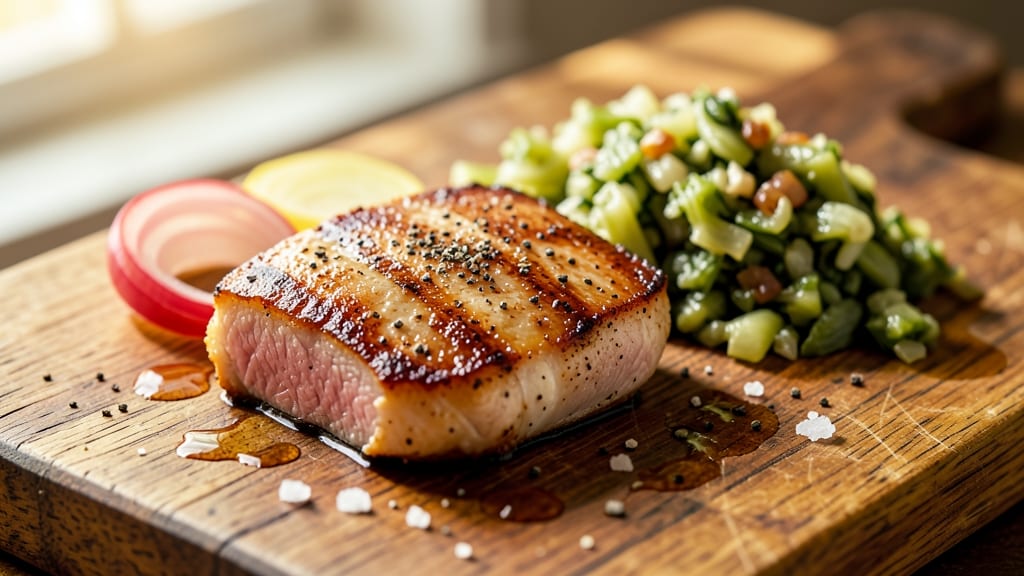
This boneless pork chop and sauerkraut recipe delivers the perfect marriage of crispy-skinned pork and tangy-sweet fermented cabbage—just like my grandmother used to make.
The secret lies in a high-heat sear that locks in juices while creating that coveted crust, paired with sauerkraut that's caramelized just enough to balance the richness. I've perfected this dish over years of testing, and it never fails to impress even the most skeptical eaters.
The beauty of this recipe is its simplicity: two main components, minimal prep, and maximum flavor. You'll start with boneless pork chops seasoned with just salt, pepper, and a touch of smoked paprika—no complicated marinades needed.
Meanwhile, the sauerkraut gets gently sautéed with onions and a splash of apple cider vinegar to deepen its natural tang. The result? A dish that's restaurant-quality but feels completely approachable for home cooks.
What you'll end up with is crispy-skinned pork chops that stay juicy inside, served alongside sauerkraut that's sweet, tangy, and just slightly caramelized at the edges. The contrast of textures and flavors makes every bite satisfying—crunchy cabbage cutting through the tender meat, with just enough acidity to keep things balanced.
This is comfort food at its finest, elevated by technique without sacrificing ease.
Pair it with creamy mashed potatoes or roasted root vegetables to round out the meal, or serve it as-is for a hearty weeknight dinner. The leftovers reheat beautifully too, making this a perfect recipe for meal prep. Let's get cooking—your taste buds will thank you.
Ingredients for boneless pork chop and sauerkraut
Four pork chops and a jar of sauerkraut—this simple lineup transforms into a restaurant-worthy meal.
| Ingredient | Amount | Notes |
|---|---|---|
| Boneless Pork Chops 🥩 | 4 whole | 1-inch thick, pounded even |
| Sauerkraut 🥬 | 2 cups | Unopened jar preferred |
| Yellow Onion 🧅 | 1 whole | Thinly sliced |
| Apple Cider Vinegar 🍏 | 2 tbsp | For depth of flavor |
| Kosher Salt 🧂 | 1 ½ tsp | Diamond Crystal preferred |
| Freshly Ground Black Pepper 🌶️ | ½ tsp | Coarse grind preferred |
| Smoked Paprika 🌶️ | 1 tsp | For subtle smokiness |
| Unsalted Butter 🧈 | 2 tbsp | Cold for searing |
| Olive Oil 🫒 | 1 tbsp | High smoke point |
| Garlic Cloves 🧄 | 2 cloves | Minced for aroma |
| Fresh Thyme Leaves 🌿 | ¼ tsp | Or 1/4 tsp dried |
| Brown Sugar 🍚 | 1 tbsp | For caramelization |
The pork chops are non-negotiable here—1-inch thickness ensures perfect doneness without drying out. I always grab them from Whole Foods or the butcher counter at Kroger because their cuts are uniform. Look for chops with good marbling; they'll stay juicier during that high-heat sear. For the sauerkraut, unopened jars are ideal—they're packed tighter and hold their tang better. If you're using the drained kind, rinse it quickly to remove excess brine, but don't overdo it or you'll lose that signature flavor. The apple cider vinegar is key too—it bridges the gap between the pork's richness and the sauerkraut's acidity.
No smoked paprika? Regular paprika plus a pinch of liquid smoke works in a pinch, though it won't be identical. Fresh thyme is ideal, but dried works at one-third the amount—just make sure it's labeled as culinary thyme, not ornamental. For the butter, European-style unsalted butter like Plugrá gives the best flavor, but regular unsalted will do. The brown sugar might seem odd, but it caramelizes beautifully with the sauerkraut, adding a subtle sweetness that balances the tang. If you're short on time, skip the minced garlic and just use garlic powder at half the amount—it won't be as complex, but the dish will still shine.
Pork chops stay best in the fridge for 2 days if you're not cooking them immediately—wrap them tightly in plastic and store them on the bottom shelf. Sauerkraut? It lasts months unopened, but once you crack the jar, keep it sealed and refrigerated. The cooked pork chops reheat beautifully—just warm them in a skillet with a splash of water for 2-3 minutes per side. This dish actually tastes better the next day as the flavors meld, so I always make extra. Portion it into containers and you've got a weeknight dinner sorted for days.
Why You'll Love This Recipe
- One-Pan Magic: I swear by this recipe when I’m too tired to wash dishes. Sear the pork chops, toss in the onions and sauerkraut, and let the vinegar work its tangy magic—no extra pots, no fuss. The onions caramelize right there, and the sauerkraut soaks up all the juices like a sponge. Cleanup? One spatula, one pan, done.
- Tangy Crispy Perfection: Between us, this combo is ridiculously good. The pork chops stay juicy while the sauerkraut adds that sharp, fermented bite that cuts through the richness. That vinegar splash? It brightens everything up—like a little flavor reset. Honestly, I’ve had people ask if I marinated the pork for hours. (Spoiler: I didn’t. Just salt and patience.)
- Weeknight Workhorse: This dish is my go-to when I need something hearty but not heavy. Serve it with crusty bread for a casual dinner, or pile it onto buns for a sauerkraut-smothered pork chop sandwich—yes, even on a Tuesday night. It’s the kind of meal that feels special without requiring a 3-course plan.
- Budget-Friendly Leftovers: Pork chops stretch further when you pair them with sauerkraut, and the leftovers? Chef’s kiss. Reheat them in a skillet with a splash of water, and they’re just as good the next day. I’ll be real: I’ve eaten this for lunch three days in a row, and my wallet hasn’t complained once. Plus, sauerkraut lasts forever—no waste here.
Step-by-step instructions for crispy pork chops with sauerkraut
Here's how to achieve that perfect balance of crispy pork skin and tangy-sweet sauerkraut.
Prepare the Pork Chops for Maximum Crispiness
Pat the 4 whole boneless pork chops completely dry with paper towels—this is crucial for crispy skin. I like to press firmly to remove all moisture, especially around the edges. Place each chop between two sheets of plastic wrap and pound gently to an even ½-inch thickness using a meat mallet. This ensures even cooking and prevents any thick spots from staying tough.
In a small bowl, combine 1.5 teaspoons kosher salt, 0.5 teaspoon freshly ground black pepper, 1 teaspoon smoked paprika, and 0.25 teaspoon fresh thyme leaves. Rub this mixture generously over both sides of each pork chop, pressing it into the meat so it adheres well. Let the seasoned chops sit at room temperature for 15-20 minutes while you prepare the rest of the ingredients.
Create the Sweet-Tangy Sauerkraut Base
In a medium skillet, heat 1 tablespoon olive oil over medium heat. Add the thinly sliced yellow onion and cook for 5-6 minutes until softened and just beginning to caramelize. Add the 2 cloves minced garlic and cook for another 30 seconds until fragrant—don't let it brown or it'll turn bitter.
Stir in the 2 cups sauerkraut, breaking up any large chunks with a wooden spoon. Cook for 3-4 minutes until the sauerkraut begins to soften and release its tangy juices. Remove from heat and stir in 2 tablespoons apple cider vinegar and 1 tablespoon brown sugar. Set aside—this mixture will continue to develop flavor while the pork cooks.
Sear the Pork Chops to Golden Perfection
Increase heat to medium-high and add 2 tablespoons cold unsalted butter to the same skillet. Let it melt completely, then add the pork chops. Cook for 3-4 minutes per side until the skin is deep golden brown and crispy, and the internal temperature reaches 140°F (use a meat thermometer for accuracy).
Here's the thing—don't move the chops around too much during cooking. Let them develop that beautiful crust undisturbed. If the butter starts to smoke excessively, reduce heat slightly to medium to prevent burning. Once cooked to temperature, transfer the chops to a plate and tent loosely with foil to keep warm.
Finish the Sauerkraut and Combine
Return the skillet with the sauerkraut mixture to medium heat and let it warm through for 2-3 minutes. The sugars in the brown sugar should begin to caramelize slightly, creating a beautiful glossy sheen. Taste and adjust seasoning if needed—you might want to add a pinch more salt or pepper to balance the tangy sauerkraut.
To serve, spoon the warm sauerkraut mixture over each pork chop. The crispy skin should contrast beautifully with the tender meat and the tangy-sweet sauerkraut. Let the chops rest for 2-3 minutes before serving to allow the juices to redistribute—this ensures every bite stays juicy and flavorful.
Pro Tips For Making Boneless Pork Chop And Sauerkraut
- SEAR THE CHOPS COLD: Take those pork chops straight from the fridge—no thawing needed—and sear them in a dry, screaming-hot pan for 3-4 minutes per side. The cold meat hits the pan and creates that perfect crust while the inside stays juicy. I used to warm them up first, and the results were always sad and greasy.
- DRAIN AND RINSE SAUERKRAUT: Dump that sauerkraut into a colander and give it a good rinse under cold water before cooking. The brine is great for pickles, but for this dish, you want the tang without the waterlogged texture. Skip this, and your kraut will steam instead of caramelize—trust me, you’ll notice the difference.
- LOW AND SLOW WITH LID: After searing, transfer the chops to the pot with sauerkraut and onions, then cover with a lid and let them cook on low heat for 15-20 minutes. The lid keeps the kraut from drying out and lets the pork finish cooking without turning into shoe leather. I learned this the hard way—high heat after searing makes tough chops.
- ADD VINEGAR LAST: Toss in that apple cider vinegar only in the final 2 minutes of cooking. It brightens the flavors without making the kraut taste like a science experiment. I used to add it early, and the acid would turn the onions bitter—now I wait, and the dish sings.
Storing and reheating this recipe
Refrigerator Storage
The cooked pork chops and sauerkraut keep beautifully in the fridge for up to 3 days when stored properly. I recommend transferring the chops to an airtight container with a piece of parchment paper between each one to prevent sticking.
For the sauerkraut, simply return it to its jar or transfer to a sealed container with any juices. The flavors actually deepen overnight—this is when the tangy sauerkraut and rich pork marry perfectly. 💫
Freezer-Friendly Prep
Both components freeze exceptionally well for up to 3 months. For the pork chops, wrap each one individually in plastic wrap before placing them in a freezer bag with all the air squeezed out. Label with the date!
The sauerkraut can go straight into a freezer-safe container or bag—just leave a little headspace for expansion. When reheating from frozen, I always add an extra 1 minute to the cooking time to ensure even warming.
Reheating Pork Chops
My preferred method is a quick skillet reheat to restore that crispy texture. Heat 1 tablespoon olive oil in a skillet over medium heat, then add the chops. Cook for 2-3 minutes per side until reaching 165°F internal temperature.
For extra crispiness, add 1 tablespoon cold butter during the last minute. The sauerkraut can be reheated in the same skillet for 3-4 minutes—just add a splash of water if it looks dry. 🔥
Microwave Shortcut
When I'm in a rush, I cover the pork chops with a damp paper towel and microwave on 50% power for 1-2 minutes, then flip and repeat. The sauerkraut reheats perfectly in the microwave too—just 1 minute covered.
This method works well for individual portions, though you'll lose some of that crispy texture. I always serve these with a side of roasted potatoes to soak up any extra juices.
Sauerkraut Flavor Boost
If your reheated sauerkraut tastes a bit flat, revive it by adding 1 teaspoon apple cider vinegar and ½ teaspoon brown sugar while warming. The acidity and sweetness will bring back that signature tangy-sweet balance.
For extra depth, stir in 1 minced garlic clove during the last minute of reheating. This trick works wonders for leftovers! ✨
Nutrition facts
Frequently asked questions
Why do you pound the pork chops before cooking?
Pounding the chops to an even ½-inch thickness ensures they cook through completely without drying out. This method creates a larger surface area for better browning, giving you that perfect crispy crust while keeping the inside tender and juicy. It's especially important for boneless cuts, which can dry out more easily.
Can I use regular paprika instead of smoked paprika?
Yes, but you'll lose that subtle smoky depth. For a similar effect, mix 1 teaspoon regular paprika with ¼ teaspoon liquid smoke—just be careful not to overdo it. The smoked paprika in this recipe adds a nice contrast to the tangy sauerkraut without overpowering the pork's natural flavor.
What's the best way to reheat leftovers without drying out the pork?
Use a skillet! Heat 1 tablespoon olive oil over medium heat and reheat the chops for 2-3 minutes per side—just until they reach 165°F. For extra crispiness, add 1 tablespoon cold butter during the last minute. The sauerkraut reheats well in the same skillet for 3-4 minutes—add a splash of water if it looks dry.
How do I know when the pork chops are fully cooked?
Use a meat thermometer! The chops are done when they reach 140°F internal temperature—this ensures they're perfectly tender while still juicy. For food safety, they should reach 165°F when reheating. The crispy skin should be deep golden brown, and the meat should pull away from the edges easily.
Can I substitute sauerkraut with another fermented vegetable?
You can try kimchi or fermented green beans, but the flavor profile will differ. Sauerkraut's tangy-sweet balance is key here—it cuts through the richness of the pork beautifully. If using a substitute, add an extra 1 teaspoon apple cider vinegar to maintain that acidity. The texture should also be similar for best results.