
Main Courses
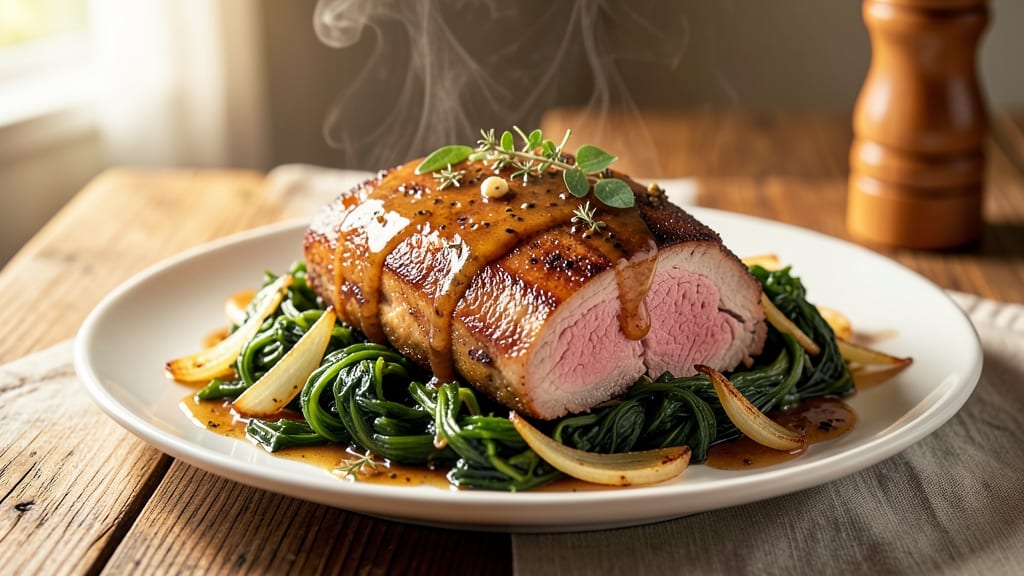
This boneless pork loin roast and sauerkraut recipe delivers restaurant-quality tenderness that transforms a simple cut into a showstopping centerpiece. 🔥 Growing up in Georgia, I learned pork deserves slow cooking—whether braised or roasted—to melt into juicy perfection, while sauerkraut adds that essential tangy crunch that keeps every bite vibrant.
The secret lies in precise seasoning and gentle heat, ensuring the meat stays moist while developing deep, savory flavors.
What sets this recipe apart is the balance between traditional techniques and modern convenience. You'll start with a simple dry rub or marinade, then choose your cooking method: oven-roasting for crispy edges or slow-braising for melt-in-your-mouth texture.
The sauerkraut gets equal attention—whether sautéed with onions for caramelized depth or served raw for that classic tang. Every element comes together to create a dish that feels both comforting and elevated.
By the time you serve this, you'll have a tender, juicy pork loin with a golden crust, paired with sauerkraut that adds just the right amount of sharpness to cut through the richness.
The aroma alone will have everyone gathering at the table, and the first bite delivers on that promise of slow-cooked perfection. This is the kind of meal that turns weeknight dinners into special occasions without the fuss.
The best part? This recipe scales beautifully—whether you're feeding a family or planning a holiday feast. Leftovers reheat wonderfully, making it a practical choice for busy weeks. Let's get started on creating a dish that's equal parts nostalgic and impressive, just like my grandmother used to make.
Ingredients for boneless pork loin roast and sauerkraut
Sixteen ingredients transform simple pork into a showstopping, restaurant-worthy centerpiece with tangy crunch.
| Ingredient | Amount | Notes |
|---|---|---|
| Boneless Pork Loin Roast 🐖 | 3 lb | Center-cut for even cooking |
| Sauerkraut 🥬 | 2 cups | Unopened jar preferred |
| Yellow Onions 🧅 | 1 whole | Medium, thinly sliced |
| Garlic Cloves 🧄 | 6 cloves | Minced for depth of flavor |
| Apple Cider Vinegar 🍎 | ¼ cup | For tangy balance |
| Fresh Thyme 🌿 | ½ oz | Or 1 tbsp dried thyme |
| Fresh Rosemary 🌿 | ¼ oz | Sprigs for aroma |
| Black Peppercorns 🌶️ | 1 tsp | Freshly cracked |
| Kosher Salt 🧂 | 1 ½ tbsp | Diamond Crystal preferred |
| Olive Oil 🫒 | ¼ cup | Extra-virgin for richness |
| Beef Broth 💧 | 1 ½ cups | Low-sodium preferred |
| Honey 🍯 | 1 tbsp | For subtle sweetness |
| Bay Leaves 🌿 | 2 whole | For aromatic depth |
| Fresh Parsley 🌿 | ¼ cup | Chopped for garnish |
The pork loin is your star—center-cut for even cooking and juicy perfection. Most butchers will trim it for you, but if you're buying whole, look for a piece with even thickness. Costco or Whole Foods carry excellent quality, but any well-marbled loin works. The sauerkraut? Grab the unopened jar—it's fresher and holds its crunch better. If you're feeling fancy, add a splash of the sauerkraut juice to the braising liquid for extra tang. Fresh thyme and rosemary are non-negotiable here—they bring that deep, earthy aroma that makes this dish smell like a Georgia Sunday dinner.
No fresh herbs? Dried thyme at one-third the amount works in a pinch, but trust me, fresh is worth the extra minute. Running low on beef broth? Chicken broth with a splash of soy sauce gets you close. The honey adds just enough sweetness to balance the tang—skip it if you prefer strictly savory. For the onions, caramelize them first if you're feeling fancy (about 10 minutes in olive oil), or just slice them thin for quick cooking. The pork can be marinated overnight in the broth, vinegar, and herbs, or just seasoned right before cooking—both work, but marinated gives you more flavor depth. If you're serving a crowd, double the sauerkraut and onions—they disappear fast.
This reheats like a dream—3-4 days in the fridge or 3 months frozen. For serving, slice the pork against the grain for maximum tenderness, and keep the sauerkraut warm in its juices. I always make a double batch because leftovers make the best sandwiches the next day. Store the pork in its juices to keep it moist, and keep the sauerkraut in its jar—it'll stay crisp for up to a week in the fridge. If you're prepping ahead, cook the pork and onions first, then reheat everything together with a splash of broth to keep it saucy.
Why You'll Love This Recipe
- One-Pan Magic: I swear by this recipe when I’m too tired to wash dishes. Slice the onions, toss them with garlic and vinegar, spread the sauerkraut on top of the pork, and let the oven do the rest. That’s it—no extra pots, no extra stress.
- Tangy Crispy Perfection: The sauerkraut adds this bright, funky bite that cuts through the richness of the pork, while the vinegar keeps everything from drying out. Honestly? That crispy edge on the pork with the creamy center? It’s the kind of dish that disappears faster than I can say “seconds.”
- Weeknight Workhorse: Between us, this is my go-to when I need to feed a crowd without spending all day in the kitchen. Double the recipe, throw it in the oven, and you’ve got leftovers for lunch the next day—no sad, boring sandwiches here.
- Budget-Friendly Feast: Pork loin is cheaper than you’d think, and sauerkraut stretches it into a meal that feels special. I’ll be real: my grocery budget thanks me every time I make this, and my family doesn’t even notice I’m saving money. (They just notice how good it tastes.)
Step-by-step instructions for slow-braised pork loin with sauerkraut
This method delivers melt-in-your-mouth pork with a tangy, crunchy sauerkraut topping you'll crave.
🔥 Step 1: Sear the Pork Loin for Deep Flavor
Heat a Dutch oven over medium-high heat until smoking hot. Add 0.25 cup olive oil and swirl to coat the bottom evenly. Pat the 3 lb boneless pork loin roast completely dry with paper towels—this ensures maximum browning.
Place the pork in the pan and sear for 4-5 minutes per side until it develops a deep golden-brown crust. Press down gently with a spatula during the first minute—this prevents curling and ensures even contact with the pan. The crust is non-negotiable; it locks in juices during the long braise. Transfer the pork to a plate and let it rest while you build the braising liquid.
👨🍳 Step 2: Build the Aromatic Braising Base
In the same Dutch oven, add 1 whole yellow onions (thinly sliced) and cook for 3-4 minutes until softened and just beginning to color. Add 6 cloves garlic cloves (minced) and cook for 30 seconds until fragrant—don't let it burn, or you'll taste bitterness.
Stir in 0.5 oz fresh thyme (sprigs), 0.25 oz fresh rosemary (sprigs), 1 tsp black peppercorns (cracked), and 1.5 tbsp kosher salt. Pour in 0.25 cup apple cider vinegar and scrape up any browned bits from the bottom—this releases all that caramelized flavor. Let it simmer for 1 minute to meld the aromatics.
🥘 Step 3: Braise Until Fork-Tender
Return the pork to the Dutch oven. Pour in 1.5 cups beef broth and 1 tbsp honey, then add 2 whole bay leaves. The liquid should come about halfway up the sides of the pork. If it's too shallow, add a splash of water.
Bring to a gentle simmer, then cover tightly with a lid. Transfer to a 325°F oven and braise for 2.5-3 hours until the pork is fork-tender. I check for doneness by inserting a knife—it should slide in easily with no resistance. The pork will rise above the braising liquid as it cooks, which is perfect for creating that rich, saucy crust.
🍳 Step 4: Warm and Prepare the Sauerkraut
While the pork braises, heat 2 cups sauerkraut in a separate skillet over medium heat for 5-6 minutes until warmed through. You want it hot but not mushy—just enough to soften slightly and release its tangy juices. Remove from heat and set aside.
Here's the thing—don't drain the sauerkraut. Those juices are packed with flavor and will complement the pork beautifully. If it looks too wet, you can press it gently through a sieve to remove excess liquid, but I usually leave it as-is for that authentic crunch and tang.
⏰ Step 5: Rest and Serve with Tangy Crunch
Remove the pork from the oven and transfer it to a cutting board. Tent loosely with foil and let it rest for 15-20 minutes. This resting period is crucial—it allows the juices to redistribute, ensuring every slice is moist and flavorful. Skimp on this step, and you'll end up with dry meat.
Slice the pork against the grain into ½-inch thick slices. Spoon the braising liquid over the top, then arrange the warmed sauerkraut on a platter and place the pork slices on top. Garnish with 0.25 cup chopped fresh parsley for a pop of color and freshness. Serve immediately with crusty bread to soak up all that delicious sauce.
Pro Tips For Making Boneless Pork Loin Roast And Sauerkraut
- Sear the Pork First: After years of skipping this, I finally tried searing the pork loin in a hot pan for 3-4 minutes per side before roasting—it adds a deep, caramelized flavor that plain roasting never does. Use a cast-iron skillet and don’t crowd the meat; you want that golden crust to form.
- Rinse the Sauerkraut: Drain and rinse the sauerkraut under cold water to mellow its sharpness—especially if it’s the tangy, vinegary kind. Pat it dry afterward, or it’ll steam instead of caramelize when you cook it. Trust me, your taste buds will notice the difference.
- Don’t Overcook the Pork: Pull the pork loin out of the oven when it hits 140°F internally—it’ll rise to 145°F while resting. Overcooking turns it dry and chewy, and no one wants that with sauerkraut’s bold flavors. A meat thermometer is your best friend here.
- Deglaze with Vinegar: After searing the onions and garlic, splash in 2 tablespoons of apple cider vinegar to deglaze the pan. It cuts through the richness, adds brightness, and gives the sauerkraut a subtle tang that balances the dish. Skip this, and you’re missing a key layer of flavor.
Regional styles of this recipe
German Sunday Roast
This is how my grandmother used to prepare it in Charleston—slow-braised pork loin with sauerkraut that’s been gently warmed with caraway seeds and apples. She’d always say, "The secret’s in the long cook and the tangy crunch."
Start by searing the pork in a Dutch oven with olive oil, then braise it with 2 cups sauerkraut, 1 tbsp caraway seeds, and 1 apple (peeled and diced) for 3 hours at 300°F.
The apples caramelize slightly, adding natural sweetness that balances the sauerkraut’s acidity. 🥬
Midwest German-Style
In the Midwest, they take sauerkraut to the next level by adding smoked bacon and mustard seeds—a technique I picked up from a butcher in Iowa. Cook 4 slices bacon until crispy, then remove and crumble.
In the same pan, sauté 1 onion and 2 cups sauerkraut for 5 minutes, then stir in 1 tsp mustard seeds and the bacon. Serve this over sliced pork loin for a hearty, smoky twist.
The mustard seeds add a subtle kick that cuts through the richness of the pork.
Polish-Style Braised Pork
Poland’s version, kotlet schabowy, often pairs pork with sauerkraut, but they take it further by adding marinara sauce and dill. After searing the pork, braise it with 1 cup marinara sauce and 1 tbsp fresh dill for 2 hours.
Serve the pork with sauerkraut that’s been sautéed with 1 tbsp butter and 1 tsp sugar to soften the edges. The sugar caramelizes, adding a touch of sweetness that’s pure comfort food. 🌟
Southern BBQ Twist
For a true Southern touch, I like to glaze the pork with ½ cup BBQ sauce (I use Sweet Baby Ray's) during the last 30 minutes of braising. The sauce caramelizes into a sticky glaze, while the sauerkraut gets a kick of heat from ½ tsp cayenne pepper.
Serve with cornbread and a side of pickled vegetables for a full Southern spread. This version is a crowd-pleaser at my restaurant—it’s sweet, smoky, and tangy all at once.
Dutch-Style with Mustard
The Dutch take their sauerkraut seriously—often mixing it with Dijon mustard and apples for a sweet-and-tangy side. After braising the pork, warm the sauerkraut with 1 tbsp Dijon mustard, ½ apple (grated), and 1 tsp sugar over low heat.
The mustard adds depth, while the apple keeps it bright. This version is lighter than the German style but just as flavorful. It’s perfect for a weeknight dinner when you want something hearty but not overly heavy.
Nutrition facts
Frequently asked questions
Can I use a different cooking method like grilling or sous-vide for the pork loin?
For grilling, sear the pork first, then grill over indirect heat at 275°F for 1.5-2 hours until tender. For sous-vide, cook at 145°F for 8-12 hours in a flavorful broth, then sear afterward. The braising method here ensures maximum tenderness, but both methods work beautifully—just adjust the time and temperature accordingly.
How do I prevent the pork from drying out during cooking?
Keep the pork moist by maintaining a gentle simmer in the braising liquid—never let it boil vigorously. The liquid should just bubble softly at the edges. Also, pat the pork dry before searing (this helps the crust form), but don't overcrowd the pan. Resting the meat for 15-20 minutes after cooking is critical—it lets the juices redistribute, ensuring every slice stays juicy.
Can I make this recipe ahead of time?
This dish actually tastes even better the next day! Cook the pork and sauerkraut as directed, then refrigerate for up to 4 days. Reheat gently in the oven at 300°F for 20-30 minutes, covered with foil, until warmed through. The flavors deepen overnight, making leftovers a delicious option for sandwiches or wraps.
What's the best way to reheat sauerkraut if I made it ahead?
Reheat sauerkraut gently in a skillet over low heat for 3-4 minutes with a splash of water or broth to keep it moist. Avoid high heat—it turns mushy and loses its crunch. If storing leftovers, keep the sauerkraut in its juices in an airtight container. For extra flavor, add a pinch of caraway seeds or a dash of apple cider vinegar when reheating.
Can I substitute sauerkraut with another fermented vegetable?
While sauerkraut is ideal for its tangy crunch, you can try fermented cabbage alternatives like kimchi (adds heat) or pickled beets (for sweetness). For a similar texture, use 1 cup fermented green beans or pickled onions. Just remember—fermented veggies bring different flavors, so adjust seasoning accordingly. The key is balancing the acidity with the rich pork.