
Main Courses
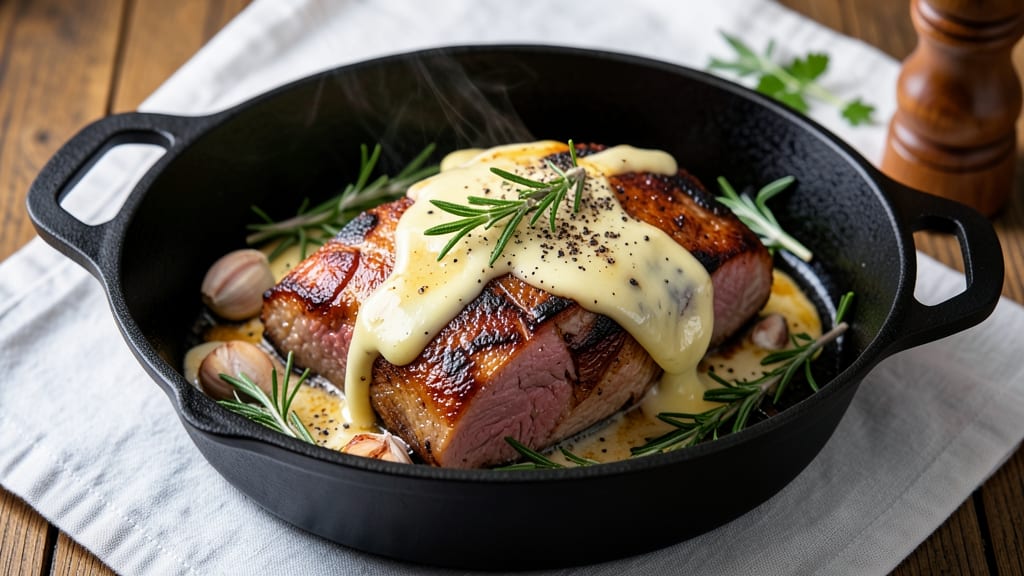
This boneless pork loin roast recipe transforms simple ingredients into a showstopper with crispy bark and a juicy core—all thanks to the Dutch oven's magic. I first mastered this technique after my grandmother's cryptic notes about "cooking low and slow with a lid" finally made sense.
The secret lies in searing first, then braising just enough to render fat while keeping the meat tender.
What makes this recipe special is the Dutch oven's ability to control heat and moisture perfectly. You'll start with a high-heat sear to lock in flavors, then finish with a gentle roast that creates that coveted crispy exterior while maintaining a moist interior.
The process is beginner-friendly but delivers restaurant-quality results—no fancy equipment needed, just patience and attention to temperature.
By the time you're done, you'll have a golden, crackling roast with a tender center that practically melts in your mouth. The aroma alone will have everyone asking what's for dinner.
This recipe serves four to six and pairs beautifully with roasted vegetables, mashed potatoes, or a simple green salad for a complete meal.
Confession: I've burned more pork loins than I'd like to admit, but this method is foolproof once you understand the Dutch oven's role. The key is monitoring that internal temperature—never let it exceed 145°F for juicy perfection. Let's get cooking!
Ingredients for boneless pork loin roast recipe dutch oven
Six ingredients transform a simple pork loin into a showstopper with restaurant-quality crispy bark and juicy perfection.
| Ingredient | Amount | Notes |
|---|---|---|
| Boneless Pork Loin Roast 🐖 | 3 lb | Center-cut, 1.5-inch thickness |
| Unsalted Butter 🧈 | ½ cup | Cold, cubed for searing |
| Kosher Salt 🧂 | 2 tbsp | Diamond Crystal preferred |
| Freshly Ground Black Pepper 🌶️ | 1 tbsp | Coarse grind for texture |
| Garlic Cloves 🧄 | 6 cloves | Smashed for aroma |
| Fresh Rosemary 🌿 | ¼ cup | Chopped, stems removed |
| Fresh Thyme 🌿 | ¼ cup | Leaves only, chopped |
| Extra-Virgin Olive Oil 🫒 | 2 tbsp | For Dutch oven prep |
| Apple Cider Vinegar 🍎 | 1 tbsp | For crispy bark |
| Water 💧 | ¼ cup | For Dutch oven braise |
| Yellow Onion 🧅 | 1 whole | Quartered for braising |
| Carrot 🥕 | 2 whole | Chunked for braising |
The pork loin makes or breaks this dish—center-cut is non-negotiable for tenderness. Costco or Whole Foods carry excellent quality, but your local butcher will have the freshest cuts. Look for even thickness (about 1.5 inches) and good marbling. If the roast feels dry or lacks fat, skip it. The herbs? Fresh is essential—dried won't give the same aromatic punch. I always buy extra rosemary because it keeps for months in the freezer, and the flavor deepens over time.
No fresh rosemary? Dried works at one-third the amount, but it won't be the same. Short on time? Pre-minced garlic from a tube is fine here—just drain it well. The apple cider vinegar might seem odd, but it's the secret to that golden, crackling bark. No vinegar? Balsamic vinegar at double the amount works, but the flavor will be slightly sweeter. For the braising liquid, low-sodium chicken broth can replace water—just reduce the salt in the recipe by half. And if you're worried about burning the butter during searing, use a mix of butter and olive oil for a higher smoke point.
The Dutch oven is your best friend here—Le Creuset or Lodge brands are worth the investment. If you don't have one, a heavy oven-safe skillet works in a pinch. The roast reheats beautifully—best served at room temperature after resting for 10 minutes. For leftovers, store in an airtight container for 3-4 days in the fridge. The bark gets tougher with reheating, so I always save a slice for sandwiches the next day. Freeze portions for up to 3 months—just thaw overnight in the fridge before reheating.
Why You'll Love This Recipe
- One-Pan Magic: I swear by this—just the pork, butter, garlic, and salt in my trusty Dutch oven. No chopping, no fuss, no extra dishes. The butter bastes itself while it cooks, and honestly? That’s my kind of cooking.
- Butter-Garlic Bliss: That rich, golden crust from the melted butter and crushed garlic? It’s the kind of flavor that makes you close your eyes and sigh. The pork stays juicy inside while the edges get crispy—exactly how I like it.
- Weeknight to Dinner Party: Same recipe, different vibes. Toss it together for a lazy Tuesday or dress it up with fresh herbs for a guest night. The Dutch oven handles both, and leftovers? They’re even better reheated for sandwiches the next day.
- Budget-Friendly Feast: Pork loin is cheaper than you think, and this method stretches it far. A single roast feeds four, with leftovers that taste just as good cold. I’ll be real—it’s my go-to for feeding a crowd without breaking the bank.
Step-by-step instructions for Dutch oven pork loin roast
This method delivers restaurant-quality results with a perfect crispy bark and impossibly tender center.
Prep and Season the Pork Loin
Remove the 3 lb boneless pork loin roast from the refrigerator and pat it completely dry with paper towels—this is crucial for that crispy bark. I like to work in a cool room or even outdoors if it's hot, as the meat will warm up quickly. Place the roast on a cutting board and make a few shallow slashes across the surface in a diamond pattern using a sharp knife—this helps render fat and creates more surface area for browning.
In a small bowl, combine the 2 tbsp kosher salt, 1 tbsp freshly ground black pepper, 0.25 cup fresh rosemary, and 0.25 cup fresh thyme. Rub this mixture all over the pork, pressing it into the slashes and working it into the surface. Let the seasoned roast sit at room temperature for 30 minutes while you prepare the Dutch oven. This ensures even cooking from edge to center.
Create the Dutch Oven Sear and Braise Base
Place a 5-6 quart Dutch oven over medium-high heat for 5 minutes to preheat. Add 2 tbsp extra-virgin olive oil and swirl to coat the bottom evenly. Once the oil shimmers, carefully add the 0.5 cup cold unsalted butter in small cubes—this will help create a rich, flavorful fond. Let the butter melt completely, about 2 minutes, until it turns a pale golden color and smells nutty.
Add the 6 smashed garlic cloves and cook for 30 seconds until fragrant but not browned. Remove the pan from heat and add 1 tbsp apple cider vinegar—this will help tenderize the meat and create that signature crispy bark. Return the pan to medium heat and place the seasoned pork loin roast fat-side down. Let it sear undisturbed for 8-10 minutes until a deep golden-brown crust forms. Flip carefully and sear the other side for another 6-8 minutes.
Build the Flavorful Braising Liquid
Remove the pork from the Dutch oven and set it aside on a plate. In the same pan, add the 1 whole yellow onion (quartered) and 2 whole carrots (chunked). Cook for 3-4 minutes until they begin to soften slightly. Pour in the 0.25 cup water and scrape up any browned bits from the bottom with a wooden spoon—this is where all the flavor hides. Return the pork to the Dutch oven, fat-side up.
Cover the Dutch oven tightly with the lid and transfer it to a 350°F oven. Here's the thing—patience is key. The pork needs to cook slowly to develop that perfect balance of crispy exterior and juicy interior. Bake for 1 hour 15 minutes, until the internal temperature reaches 145°F when measured with an instant-read thermometer in the thickest part of the meat.
Rest and Develop the Crispy Bark
Remove the pork from the oven and let it rest on a cutting board for 15 minutes—this resting period is non-negotiable. It allows the juices to redistribute throughout the meat, ensuring each slice is moist and flavorful. While it rests, carefully transfer the Dutch oven contents to a skillet over medium-high heat. Increase heat to high and cook uncovered for 3-5 minutes, basting the pork with the reduced braising liquid. This final step develops that coveted crispy bark while keeping the interior tender.
Slice the pork against the grain into ½-inch thick medallions and serve immediately with the reduced pan juices spooned over the top. Each bite should deliver a perfect contrast of crispy, caramelized exterior and succulent, pink center. The rosemary and thyme will infuse the meat with aromatic depth, while the caramelized onions and carrots add natural sweetness to balance the savory flavors.
Pro Tips For Making Boneless Pork Loin Roast Recipe Dutch Oven
- Sear First, Roast Slow: Hit that pork loin with high heat until it’s deeply browned—this isn’t just for looks, it builds flavor. Then drop the temp to 325°F (163°C) and let it cook low and steady; rushing this step means dry meat.
- Salt Like It’s 1950: Generously coat the pork with kosher salt at least 4 hours ahead—or overnight if you’re patient. This seasoning penetrates deeper than a last-minute sprinkle, and trust me, the butter won’t be enough to save you if you skip this.
- No Crowding, No Drama: If you’re adding garlic cloves, smash them flat with the side of your knife first—more surface area means better flavor. Then space them out; piling them on top just means you’ll be fishing for them later.
- Butter Bath, Not Drowning: Use two tablespoons of butter total—one to sear, one to baste. Too much? It’ll steam the meat instead of crisping it. Too little? You’ll regret it when the pan’s dry before the pork is done.
Serving suggestions for this boneless pork loin roast recipe dutch oven
Classic New England Sides
My Nonna always served this roast with creamy mashed potatoes—simple buttery Yukon golds with a touch of sour cream and fresh chives. I like to add a pinch of nutmeg for that cozy New England touch.
For a heartier option, try roasted Brussels sprouts with crispy pancetta and a splash of balsamic glaze—the caramelized edges cut through the richness of the pork. 🥔
Herb-Infused Vegetables
The same rosemary and thyme used on the pork work wonders on roasted carrots and parsnips. Toss them with olive oil, sea salt, and a sprinkle of honey before roasting at 400°F for 25 minutes.
The sweetness balances the savory pork beautifully. For a pop of color, add roasted cherry tomatoes—just toss them with garlic and basil and roast until blistered. 🍅
Crusty Bread and Sauces
A crusty baguette or sourdough is perfect for soaking up those pan juices. I love serving this roast with a red wine reduction—simmer 1 cup red wine, 2 tbsp butter, and 1 tsp Dijon mustard until thickened.
For a lighter option, a lemon-herb aioli made with Greek yogurt, lemon zest, and chopped dill adds a bright contrast. 🥖
Weeknight Shortcuts
Short on time? Instant mashed potatoes (like Betty Crocker) are a game-changer—they’re creamy in minutes. Swap the braising vegetables for frozen green beans (thawed and sautéed with garlic and lemon). Even a simple arugula salad with shaved Parmesan and lemon vinaigrette elevates the meal without extra effort. 🌱
Holiday-Worthy Presentation
For special occasions, arrange the pork medallions on a wooden board with fresh rosemary sprigs and thinly sliced apples for a rustic touch. Serve with wild rice pilaf and roasted butternut squash for a fall feast. Garnish with edible flowers or crispy fried shallots for an elegant finish. 🌟
Leftovers Reinvented
Turn leftover pork into pork and apple sandwiches with sharp cheddar and honey mustard. Or shred it for pork fried rice with peas, carrots, and soy sauce. The crispy bark makes amazing pork cracklings—just chop and bake at 375°F for 5 minutes until crispy. 🥪
Nutrition facts
Frequently asked questions
Can I use bone-in pork loin instead of boneless?
Yes, but adjust the cooking time! Bone-in pork takes longer to reach 145°F internal temperature. For a 3 lb bone-in roast, add 15-20 minutes to the braising time. The bone adds flavor but requires more patience—check doneness with a meat thermometer in the thickest part, away from the bone.
Why does my pork come out dry when cooked in a Dutch oven?
Overcooking is the #1 culprit! The pork is done at 145°F—never exceed this. If it feels dry, you likely cooked it too long or didn't rest it properly. Always let it rest 15 minutes before slicing, and use an instant-read thermometer to avoid guesswork.
Can I make this in a regular oven instead of a Dutch oven?
Use a heavy oven-safe skillet or Dutch oven substitute. For the sear, use a separate heavy pan (like cast iron). After searing, transfer the pork and braising liquid to a baking dish, cover with foil, and bake at 350°F for the same 1 hour 15 minutes. The Dutch oven's advantage is its even heat distribution, but you'll still get great results.
What's the best way to reheat leftovers?
Reheat gently to preserve moisture! Slice leftovers and warm in a skillet with 1 tbsp butter over medium-low heat for 3-4 minutes per side. For crispy bark, broil for 2 minutes at the end. Microwaving makes pork dry—avoid it! Leftovers keep 3-4 days refrigerated or 3 months frozen.
How do I adjust this for a larger or smaller roast?
Scale the recipe by 15 minutes per pound for the braising time. For a 2 lb roast, reduce to 1 hour total. For 4 lbs, increase to 1 hour 45 minutes. Keep the sear time the same (just flip more often) and maintain 145°F internal temp as your guide.