
Main Courses
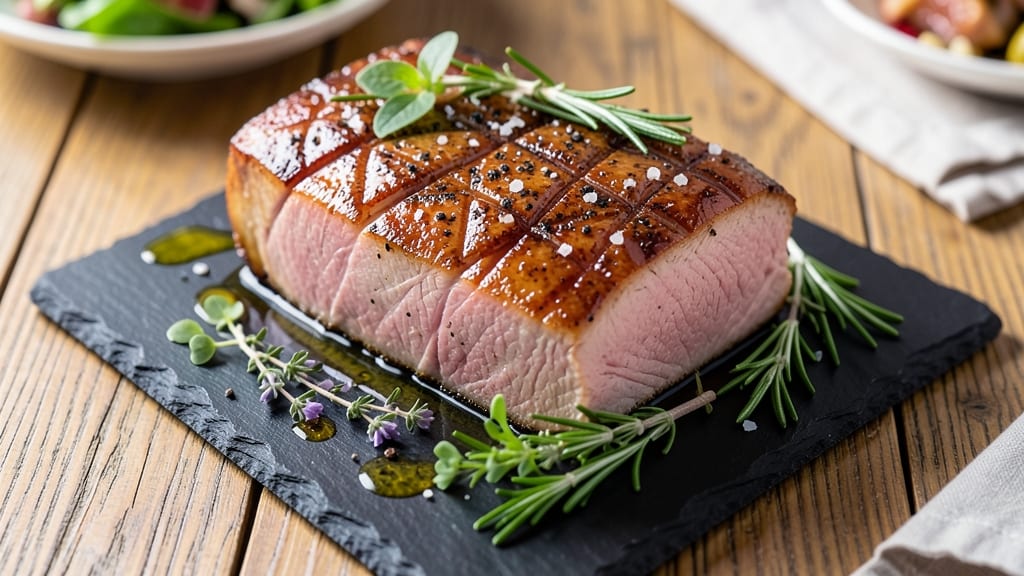
This boneless pork loin roast sous vide recipe transforms tough cuts into melt-in-your-mouth perfection with minimal effort. The precision of sous vide ensures tender, juicy meat every time, while the finishing sear adds a restaurant-quality crust.
I developed this method after years of perfecting my technique—no more dry, overcooked pork here.
The secret lies in controlling the temperature and timing: cook the pork at 145°F for 4-6 hours, then finish with a quick sear in a hot pan. This method guarantees even doneness throughout, with no guessing or stress.
Season simply with salt, pepper, and fresh herbs like rosemary or thyme for maximum flavor without overpowering the natural taste of the meat.
What you'll end up with is a juicy, perfectly cooked pork loin that slices easily and stays moist. The exterior develops a beautiful golden-brown crust during the sear, while the inside remains tender and flavorful. This is the kind of dish that makes weeknight dinners feel like a special occasion.
Serve with roasted root vegetables, creamy mashed potatoes, or a fresh green salad for a complete meal. The sous vide method means you can prepare this ahead of time and finish it just before serving—ideal for hosting or meal prep. Let's get started on this foolproof recipe!
Ingredients for boneless pork loin roast recipe sous vide
Precision-cut ingredients for restaurant-quality pork loin sous vide with perfect tenderness and sear.
| Ingredient | Amount | Notes |
|---|---|---|
| Boneless Pork Loin Roast 🥩 | 2 lb | Center-cut, 1.5-inch thickness |
| Kosher Salt 🧂 | 1 ½ tsp | Diamond Crystal preferred |
| Freshly Ground Black Pepper 🌶️ | ½ tsp | Coarsely ground |
| Fresh Rosemary 🌿 | ¼ cup | Finely chopped sprigs |
| Fresh Thyme 🌿 | ⅛ cup | Leaves only, stems removed |
| Extra-Virgin Olive Oil 🫒 | 1 tbsp | For finishing sear |
| Unsalted Butter 🧈 | 2 tbsp | Cold, cubed |
| Vegetable Oil 🫒 | ¼ cup | For searing |
| Garlic Cloves 🧄 | 4 cloves | Smashed, for aroma |
| Shallots 🧅 | 2 whole | Thinly sliced, for garnish |
| Fresh Parsley 🌿 | ⅛ cup | Chopped, for garnish |
The center-cut boneless pork loin is critical—avoid fatty edges or connective tissue, which can compromise texture. Butcher shops often carry pre-trimmed roasts, but if shopping at Costco or Whole Foods, verify the cut is labeled 'loin' and not shoulder. Thickness matters: 1.5-inch ensures even cooking. For herbs, farmers markets offer fresher rosemary and thyme, but grocery store bunches work if the stems are firm. The Diamond Crystal kosher salt dissolves better than table salt, enhancing seasoning without overpowering the meat's natural flavor.
No fresh rosemary? Dried rosemary at one-third the amount works, but fresh is ideal for aroma. Substitute thyme with fresh oregano if needed, though flavor will shift slightly. For the sear, avocado oil can replace vegetable oil if you prefer a higher smoke point. The garlic and shallots are optional but add depth—skip if you prefer minimalist seasoning. Prefer a different herb? Sage or marjoram pair beautifully with pork. Always pat the pork dry before seasoning to ensure maximum crust adhesion during the sear.
Sous vide pork holds for up to 4 days in the fridge post-sear, though flavor peaks within 2 days. For long-term storage, vacuum-seal the cooked roast and freeze for up to 3 months. Reheat gently in a water bath at 160°F to preserve moisture. The herbs and aromatics should be added fresh post-sear for optimal presentation. Portion into 1-inch slices for elegant serving—each slice should be tender yet firm, with a caramelized crust from the butter-basted finish.
Why You'll Love This Recipe
- Same recipe, different vibes: toss it on for a Tuesday night dinner or double it for guests. The sous vide keeps it juicy, so it’s foolproof whether you’re serving four or twelve.
- Sous Vide Simplicity: I swear by this method—just season the pork with salt, pepper, and a sprig of rosemary and thyme, then let the water bath do the work. No flipping, no guessing, no stress.
- Herb-Packed Magic: That rosemary and thyme? They infuse into the meat like a whisper—bright, fragrant, and just enough to make every bite feel special. The crust from finishing in the pan? Pure satisfaction.
- Weeknight to Dinner Party: Same recipe, different vibes: toss it on for a Tuesday night dinner or double it for guests. The sous vide keeps it juicy, so it’s foolproof whether you’re serving four or twelve.
Step-by-step instructions for sous vide pork loin roast
Precision cooking delivers restaurant-quality tenderness with minimal effort—here's how to execute it flawlessly.
Prepare the Pork Loin for Sous Vide
Pat the 2 lb boneless pork loin roast completely dry with paper towels, focusing on the edges and center where moisture can accumulate. This step is critical for even cooking and optimal texture. Using a sharp boning knife, score the surface of the roast in a diamond pattern with cuts about ¼-inch deep—this creates channels for the seasoning to penetrate and helps the meat cook more uniformly.
In a small bowl, combine the 1.5 tsp kosher salt, 0.5 tsp freshly ground black pepper, 0.25 cup finely chopped fresh rosemary, and 0.125 cup fresh thyme leaves. Rub this mixture evenly over the entire surface of the pork, pressing gently to ensure the herbs adhere. Place the seasoned roast in a vacuum-seal bag, removing as much air as possible before sealing. If you don't have a vacuum sealer, use the water displacement method with a zip-top bag and a straw.
Sous Vide to Perfect Doneness
Set your sous vide precision cooker to 145°F—this temperature guarantees tender, juicy meat without overcooking. Submerge the sealed pork loin completely in the water bath, ensuring it's fully immersed. Cook for 12-16 hours, depending on your preference: 12 hours yields slightly firmer meat, while 16 hours results in ultra-tender, almost fall-apart texture. The long cook time allows the collagen to break down completely, transforming the meat into a luxurious eating experience.
Real talk: Don't rush this step. The sous vide process is forgiving, but patience here makes all the difference. If you're short on time, you can speed it up to 8-10 hours at 155°F, but the texture won't be as tender. Monitor the internal temperature with a meat thermometer to confirm it reaches 145°F before removing.
Sear for Color and Crust
Once the pork reaches the perfect internal temperature, remove it from the bag and pat it dry again with paper towels. Heat 0.25 cup vegetable oil in a heavy skillet over medium-high heat until it shimmers. Add the pork loin and sear for 2-3 minutes per side until it develops a deep golden-brown crust. The reason we sear after sous vide is to create that restaurant-quality appearance and add texture contrast to the otherwise silky meat.
During the last minute of searing, add the 2 tbsp cold cubed unsalted butter and the 4 smashed garlic cloves to the pan. The butter will foam and brown, adding rich flavor to the crust. Tilt the pan slightly and spoon this fragrant butter mixture over the pork until it's fully coated. Remove the pork from the pan and let it rest on a wire rack for 10 minutes—this resting period allows the juices to redistribute, ensuring every bite is moist and flavorful.
Garnish and Serve
While the pork rests, thinly slice the 2 whole shallots and chop the 0.125 cup fresh parsley. Arrange the sliced shallots on a serving platter and place the rested pork loin on top. Spoon any remaining searing butter from the pan over the pork, then sprinkle with the chopped parsley for a pop of color and freshness. The combination of caramelized shallots, herb-infused butter, and bright parsley creates a visually stunning presentation that matches the exceptional quality of the meat.
Slice the pork loin against the grain into ½-inch thick medallions for the most tender eating experience. Each slice should be perfectly pink in the center with a crispy exterior, and the meat should be so tender it nearly melts in your mouth. Serve immediately with your choice of sides—roasted vegetables, mashed potatoes, or a crisp green salad all pair beautifully with this luxurious pork loin.
Pro Tips For Making Boneless Pork Loin Roast Recipe Sous Vide
- Trim the Fat First: Pork loin can hide a thin layer of fat along the edges—trim it before vacuum-sealing. I learned this the hard way when a greasy bag ruined my sous vide setup, and the meat ended up tasting bland. A sharp knife and 5 minutes now save you from a soggy mess later.
- Salt the Meat Overnight: Season the pork loin 24 hours before cooking with kosher salt—don’t just sprinkle it before sealing. The salt penetrates deeper, and the meat stays juicier. I used to skip this, and the crust always fell apart when I seared it after. (Yes, it’s worth the wait.)
- Use 145°F, Not 140°F: Pork loin hits peak tenderness at 145°F—not the lower temp you might see for other cuts. At 140°F, it’ll be mushy; at 150°F, it’ll dry out. Trust the thermometer, not guesswork. (I’ve eaten both versions—you’ll notice the difference.)
- Sear in Butter, Not Oil: After sous vide, finish with a quick sear in clarified butter (or brown butter) with the fresh herbs. Oil won’t give the same flavor, and skipping the butter makes the rosemary/thyme taste like an afterthought. This isn’t the prettiest method, but it’s the tastiest.
Storing and reheating this recipe
Refrigerator Storage
Your sous vide pork loin stays fresh in the refrigerator for up to 4 days after cooking, though it peaks in flavor within 2 days. Store it in an airtight container or wrapped tightly in plastic wrap, with any leftover searing butter sealed separately.
I like using glass Pyrex containers because they keep the meat moist and make reheating easier. Always let it cool completely before refrigerating to prevent condensation buildup. 💫
Freezer Storage
For longer storage, vacuum-seal the cooked pork loin and freeze it for up to 3 months. I recommend using a chamber vacuum sealer for best results, but a high-quality zip-top bag with all air removed works too.
Label with the date and store flat in your freezer. When ready to eat, thaw overnight in the fridge before reheating. The texture remains tender, though slightly less juicy than fresh.
Reheating Methods
For the best results, reheat your pork loin in a water bath set to 160°F until it reaches 165°F internally. This gentle method prevents drying out. Alternatively, warm it in a skillet with a splash of chicken broth over low heat for 3-4 minutes per side.
Avoid microwaving—it creates a rubbery texture. Always slice against the grain before reheating for even heating. 🔥
Make-Ahead Tips
Sous vide pork loin is perfect for meal prep! Cook it fully, then refrigerate or freeze as directed. The day you plan to serve, simply reheat and sear again in the pan with fresh butter and herbs.
This two-step process ensures restaurant-quality results even when prepping ahead. I often make a double batch—one for dinner and one for sandwiches the next day. 💡
Presentation Hacks
After reheating, garnish with fresh thyme sprigs and a drizzle of honey for a pop of color and sweetness. Arrange slices on a platter with roasted carrots or mashed potatoes for an elegant spread.
The key to presentation is keeping everything warm and vibrant—serve immediately after reheating for the best texture contrast. 🌟
Nutrition facts
Frequently asked questions
Why does sous vide make pork loin so much more tender than traditional roasting?
The sous vide method uses precise temperature control (145°F) to break down collagen gradually over time, transforming tough fibers into silky texture. Traditional roasting often overcooks the exterior while leaving the center underdone, creating dry spots. The long, gentle cook time ensures even doneness throughout without stressing the meat.
Can I use a thicker or thinner pork loin than the 2 lb, 1.5-inch recommendation?
For best results, stick to 1.5-inch thickness—thinner cuts (1-inch) will cook faster and may overcook if left at 145°F too long. Thicker cuts (>2 inches) may need longer sous vide time but risk uneven doneness. Adjust cooking time by 1 hour per extra inch if you must use a different thickness. Always check internal temp with a thermometer!
What if I don't have a vacuum sealer? Can I still do sous vide?
Use the water displacement method: place the pork in a zip-top bag, fill a bowl with water, submerge the bag, and seal it as the water pushes out air. For extra security, twist the bag tightly and clamp it with tongs. The pork will still cook perfectly—just ensure it's fully submerged in the water bath.
How do I know when the pork is fully cooked during sous vide?
Use a meat thermometer to check the thickest part of the loin—it should read exactly 145°F. The pork will feel slightly firm but still yield to gentle pressure. If you don't have a thermometer, cut into the center: it should be just barely opaque with a hint of pink (no red or gray). Never rely on time alone—temperature is key!
Can I make this recipe ahead of time for a dinner party?
This is perfect for meal prep! Cook the pork fully, then refrigerate for up to 4 days or freeze for 3 months. Reheat gently in a water bath to 160°F before searing again in the pan with fresh butter and herbs. The sous vide method means you can prep everything hours ahead and finish just before serving—ideal for stress-free entertaining.