
Main Courses
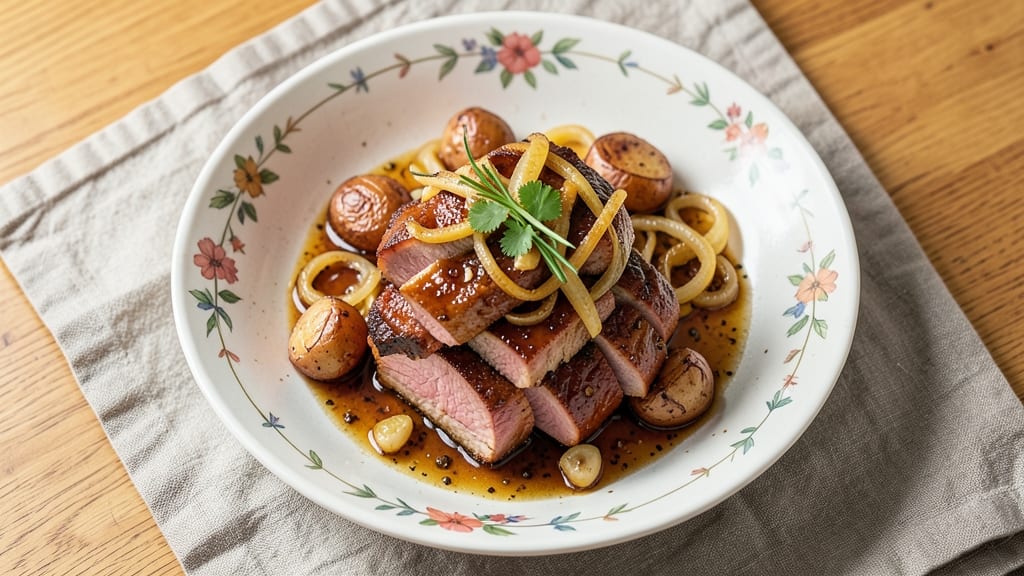
This boneless pork recipe ideas collection transforms simple ingredients into meals that work for breakfast, lunch, or dinner—no fuss, no waste. I spent years testing different cuts to find the most versatile techniques, from quick searing to slow-cooked tenderness, all designed to fit your schedule.
The key is choosing the right cut: tenderloin for fast cooking, shoulder for rich flavor when braised, or chops for that perfect balance.
What sets these recipes apart is their adaptability—each one can be dressed up for company or simplified for weeknights. A 15-minute pan-seared tenderloin with garlic butter becomes elegant with roasted potatoes, while the same technique with a sweet-savory glaze turns into a crowd-pleasing main.
The secret? High heat for crisp edges and controlled internal temps for juicy results every time. No special equipment needed beyond a good knife and a heavy skillet.
You’ll master three foundational methods: quick searing for weeknight dinners, slow cooking for fall-apart tenderness, and roasting for hands-off meals. Each technique preserves moisture while building deep flavor, whether you’re working with lean tenderloin or more forgiving shoulder cuts.
The recipes include global twists—think Asian-inspired marinades, Latin-inspired adobo, and classic Western herb crusts—to keep things exciting without complicating the process.
Perfect for meal prep or last-minute guests, these dishes prove boneless pork doesn’t require complicated techniques to deliver restaurant-quality results. Let’s get started with methods that work for any skill level—no intimidation, just delicious food that comes together efficiently.
The best part? Leftovers reheat beautifully, so you’ll have dinner covered all week.
Ingredients for boneless pork recipe ideas
Quick, versatile pork dishes that shine with minimal prep—perfect for any meal of the day.
| Ingredient | Amount | Notes |
|---|---|---|
| Boneless Pork Tenderloin 🐖 | 1 ½ lb | Trimmed of fat, even thickness |
| Garlic Cloves 🧄 | 6 cloves | Minced for marinade and butter |
| Unsalted Butter 🧈 | ½ cup | Cold, cubed for searing |
| Olive Oil 🫒 | ¼ cup | Extra-virgin for cooking |
| Russet Potatoes 🥔 | 2 large | Cut into 1-inch cubes |
| Yellow Onion 🧅 | 1 whole | Thinly sliced for roasting |
| Fresh Rosemary 🌿 | ¼ cup | Chopped, stems removed |
| Fresh Thyme 🌿 | 1 tbsp | Leaves only, chopped fine |
| Dried Oregano 🍃 | 1 tsp | For herb crust option |
| Honey 🍯 | 2 tbsp | For glaze, local preferred |
| Soy Sauce 🍶 | 2 tbsp | For Asian-inspired marinade |
| Ground Black Pepper 🌶️ | 1 tsp | Freshly cracked |
| Kosher Salt 🧂 | 1 ½ tsp | Diamond Crystal preferred |
| Adobo Sauce 🍅 | ½ cup | For Latin-inspired marinade |
The pork tenderloin is your secret weapon here—lean but tender when cooked right. Look for uniform thickness at the butcher counter, or trim it yourself for even cooking. I always grab mine from Whole Foods or the fresh meat section at Kroger—they keep it vacuum-sealed for maximum freshness. For the potatoes, Russets are non-negotiable—their starchiness makes them crispy when roasted. The secret to juicy pork? Don't overcook it—use a meat thermometer and pull it at 145°F. If you can't find fresh rosemary, dried works at one-quarter the amount, but fresh has that piney aroma that makes everything sing.
No fresh herbs? Dried oregano or thyme will get you close, though fresh is ideal. Short on soy sauce? Coconut aminos or tamari work just as well—they've got that umami punch without the wheat. The adobo sauce can be swapped for chipotle in adobo or even a mix of tomato paste and smoked paprika if you're in a pinch. For the honey glaze, maple syrup or agave are great substitutes, though they'll give a slightly different flavor profile. The key to balancing flavors? Taste as you go—adjust the honey or soy sauce until it sings to your palate. And if you're feeling adventurous, swap the olive oil for avocado oil—it's got a higher smoke point for those high-heat sears.
Pork tenderloin reheats beautifully—wrap it in foil and warm in the oven for 10 minutes at 350°F. The roasted potatoes? Make a double batch—they're perfect for salads or hash the next day. Store any leftovers in airtight containers for up to 4 days in the fridge or 3 months frozen. For meal prep, I like to slice the pork thin and freeze it in portions—just reheat with a splash of water or broth to keep it moist. The marinades and glaze components keep separately for 1 week in the fridge, so you can mix and match flavors whenever you're craving something different.
Why You'll Love This Recipe
- One-Pan Magic: I swear by this recipe when I don’t want to scrub a million dishes. Sear the pork in olive oil, toss in chopped potatoes and garlic, and let the butter melt into everything—boom, dinner’s done. (Yes, even on a Tuesday night.)
- Garlic Butter Bliss: That moment when the pork comes out with a golden crust and the potatoes are tender but still hold their shape? The garlic butter basting makes it taste like you slaved over it for hours. (Between us, I’ve done it in 25 minutes.)
- Meals for Days: Cook a bigger batch of pork and potatoes—it’s my go-to for lunches or dinner leftovers. The flavors only get better the next day, and I can slice it for sandwiches or toss it into salads without breaking a sweat.
- Budget-Friendly Protein: Pork tenderloin is one of the most affordable cuts that still feels fancy. Pair it with simple potatoes and garlic, and suddenly you’ve got a filling, restaurant-worthy meal that won’t drain your wallet. (My daughter picks out the best pieces, but she’s not wrong.)
Step-by-step instructions for quick pork tenderloin with roasted potatoes
Transform your boneless pork tenderloin into a restaurant-quality centerpiece in under an hour—crispy, juicy, and packed with bold flavors.
Marinate and Prep the Pork for Maximum Flavor
In a bowl, combine the 0.5 cup adobo sauce, 2 tablespoons soy sauce, 2 tablespoons honey, 6 minced garlic cloves, and 1 teaspoon ground black pepper. Whisk until smooth—this marinade will infuse the pork with deep, complex flavors in minutes. Place the 1.5 lb boneless pork tenderloin in a resealable bag, pour the marinade over it, and massage it gently to coat evenly. Let it sit at room temperature for 15 minutes while you prep the rest.
Here's the thing—marinating at room temperature works faster than refrigeration for quick cooking. The pork will absorb flavor more efficiently, and you'll avoid any risk of bacterial growth during this short marinating time. If you're short on time, even 10 minutes will make a noticeable difference in taste.
Roast Potatoes and Onions Until Caramelized
Preheat your oven to 425°F for maximum crispiness. Toss the 2 large russet potatoes (cut into 1-inch cubes) and 1 whole yellow onion (thinly sliced) with 0.25 cup olive oil, 1.5 teaspoons kosher salt, and 1 teaspoon dried oregano. Spread them on a rimmed baking sheet in a single layer—don't crowd them, or they'll steam instead of crisp. Roast for 25-30 minutes, stirring once halfway through, until the edges are deep golden brown and the potatoes are tender when pierced with a fork.
This high-heat roasting creates that perfect balance of crispy outsides and fluffy insides. If your oven runs hot, start checking at the 20-minute mark—every oven behaves differently. The potatoes should caramelize slightly, adding natural sweetness that complements the savory pork.
Sear the Pork for a Crispy Exterior
Heat 0.25 cup olive oil and 0.5 cup unsalted butter (cold, cubed) in a large oven-safe skillet over medium-high heat. Once the butter foams but doesn't brown, add the marinated pork tenderloin. Sear for 3-4 minutes per side until the exterior develops a deep golden-brown crust—this is where all the flavor happens. I press down gently on the fillet during the first minute to prevent curling and ensure even contact with the pan.
Don't walk away during this step. The butter should sizzle and bubble around the pork, creating a rich, flavorful fond that will baste the meat as it finishes cooking. If the butter starts to brown too quickly, reduce the heat slightly—you want a gentle sizzle, not smoking.
Finish in the Oven for Perfect Doneness
Transfer the skillet to the preheated 425°F oven and roast the pork for 12-15 minutes (depending on thickness) until the internal temperature reaches 145°F when measured at the thickest part. The pork is done when it's juicy and tender but still holds its shape—overcooking will make it dry. While it roasts, sprinkle the 0.25 cup chopped fresh rosemary and 1 tablespoon fresh thyme over the potatoes and onions in the baking dish.
Here's where it gets fun—toss the potatoes and onions with the fresh herbs during the last 5 minutes of cooking. The aromatic oils from the herbs will infuse into the hot potatoes, adding a bright, herbal finish that cuts through the richness of the pork. The pork should rest for 5 minutes before slicing—this ensures juices redistribute throughout the meat.
Serve with Herb-Infused Potatoes and Pan Sauce
Slice the pork tenderloin against the grain into ½-inch thick pieces. Spoon the pan juices (with any browned bits) over the sliced pork and toss gently to coat. Serve immediately alongside the herb-roasted potatoes and onions, drizzled with any remaining pan sauce. The contrast of crispy potatoes, tender pork, and rich sauce makes this dish a showstopper.
This method delivers a perfectly balanced meal in under an hour—quick enough for weeknights but impressive enough for company. The adobo and soy sauce marinade adds a subtle umami depth, while the honey and fresh herbs brighten the dish. Serve with a simple green salad or steamed vegetables to round out the plate.
Pro Tips For Making Boneless Pork Recipe Ideas
- USE A MEAT THERMOMETER: I learned this the hard way—pork tenderloin looks done way before it actually is. Pull it at 145°F (63°C) internal temp, then let it rest. No more dry, overcooked pork.
- SMASH THE GARLIC: Don’t just mince it—smash those cloves with the flat side of your knife first. This releases more flavor and blends better into the butter. Trust me, your pork will taste richer.
- DON’T SKIP THE POTATO PARBOIL: Cut the potatoes into even chunks, then boil them 5 minutes before roasting. This ensures they cook through without burning, and the skin stays crispy. (Yes, even if you’re impatient like me.)
- SEAR THE PORK IN BATCHES: A crowded pan steams the meat instead of browning it. Work in two batches over medium-high heat—this gives you a golden crust, not a sad, pale slab. The difference is night and day.
Pro cooking tips for boneless pork recipe ideas
High-Heat Searing Secrets
For that perfect crust on your pork, I swear by the reverse sear method—start with a medium-high heat sear in a cold skillet. The key is patience: let the pork sit in the pan for 2-3 minutes per side until it develops a deep golden-brown crust.
I use a cast iron skillet from Lodge because it retains heat so well—no hot spots to ruin your sear. 🔥
Don’t rush this step! The Maillard reaction needs time to work its magic. If your pork starts to brown too quickly, reduce the heat slightly.
And here’s a pro tip: add a splash of white wine or broth to the pan during the last minute of searing—it creates a quick pan sauce that’ll elevate your dish instantly.
Temperature Control
Pork tenderloin is lean, so it’s easy to overcook. Always use a meat thermometer—I’ve ruined countless tenderloins by guessing. The safe internal temperature is 145°F, but pull it out when it hits 140°F to let it carry over to perfection.
If you don’t have a thermometer, cut into the thickest part—juices should run clear, not pink. 🌡️
For even cooking, trim your pork to a uniform thickness—about 1.5 inches. If it’s thicker in spots, make a shallow cut to even it out. And never skip the 5-minute rest—this lets the juices redistribute, keeping your slices moist and flavorful.
Marinade Magic
Marinating at room temperature speeds up flavor infusion, but never leave pork out for more than 2 hours for safety. I love using adobo sauce for its smoky depth, but a mix of olive oil, garlic, and lemon juice works just as well.
For extra tenderness, add 1 tablespoon pineapple juice—the enzymes break down fibers without overpowering the flavor. 🌿
If you’re short on time, even a 10-minute marinade makes a difference. Just make sure your pork reaches 145°F internally to kill any bacteria. And here’s a secret: pat the pork dry before marinating—this helps the seasonings stick better and ensures a better sear.
Oven vs. Stovetop Finish
For crispy edges and even cooking, finish your pork in the oven after searing. Preheat to 425°F and roast for 10-15 minutes, depending on thickness.
If you don’t have an oven-safe skillet, transfer the pork to a baking sheet lined with parchment paper—just don’t forget to baste it with the pan juices halfway through. 💡
For stovetop-only cooking, reduce the heat to medium-low after searing and cover the skillet with a lid. This traps steam, keeping the pork moist while it finishes cooking. Just keep an eye on it—pork can go from perfect to dry in minutes if left unattended.
Nutrition facts
Frequently asked questions
What's the best cut of boneless pork for quick cooking?
For speed and tenderness, pork tenderloin is your best bet—it cooks in 15-20 minutes and stays juicy. If you need more flavor per pound, pork loin chops (about 1-inch thick) work beautifully with a quick sear. Both cuts are lean and forgiving, but tenderloin is the most versatile for weeknight meals.
Can I use ground pork instead of tenderloin for these recipes?
Ground pork works perfectly for stir-fries, meatballs, or tacos. For best results, use 80/20 fat ratio ground pork—it stays juicier during cooking. Brown it thoroughly over medium-high heat to render fat, then finish with your favorite sauce or marinade. Just avoid overcooking, or it'll dry out.
How do I prevent boneless pork from drying out?
Never skip the rest time—let pork rest for 5 minutes after cooking to redistribute juices. Use a meat thermometer and pull it at 140°F (it'll rise to 145°F while resting). For lean cuts like tenderloin, brining in saltwater for 30 minutes before cooking adds moisture too.
What are some easy side dishes to pair with these pork recipes?
Roasted potatoes, garlic green beans, or a simple cucumber salad all work perfectly. For a one-pan meal, try sautéed apples with thyme—they complement the pork's sweetness. If you're short on time, even store-bought dinner rolls or crusty bread soak up the pan sauce beautifully.
Can I make these recipes ahead of time?
Yes! Cook the pork completely, then store it in an airtight container for up to 4 days in the fridge. Reheat gently in the oven or skillet with a splash of water or broth. For sides like roasted potatoes, make them fresh or reheat in a 350°F oven for 10-15 minutes until crispy again.